The one winter mistake that’s still cracking pipes overnight
When temperatures plunge overnight, the damage to your plumbing rarely comes from what you see, but from what you forget to do before you go to bed. The most expensive winter pipe failures often trace back to a single overlooked step that leaves water trapped, unprotected and ready to expand into cracks by morning. If you understand how that mistake happens and how to avoid it, you can turn a vulnerable house into one that quietly rides out the cold.
The hidden weak spot: outdoor faucets you think are “off”
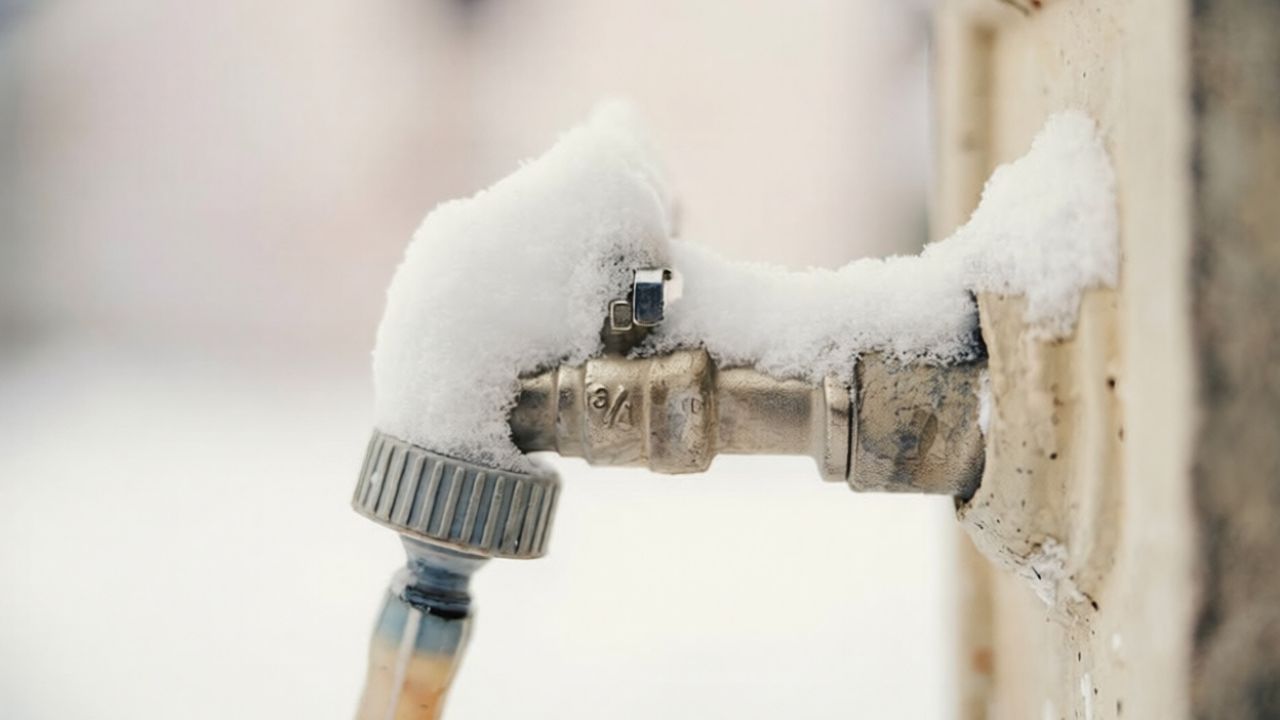
The most common blind spot in winter is the outdoor faucet you stopped using weeks ago and mentally checked off as safe. You might shut the handle, coil the hose and assume that fixture is dormant, but the plumbing behind it is still full of water that can freeze solid when the temperature drops. Outdoor spigots are especially exposed, and when they fail, they can flood finished basements, crawl spaces and exterior walls long after the ice has melted.
Outdoor fixtures are vulnerable because water sits in the short run of pipe between the heated interior and the cold exterior wall, where it can freeze, expand and split the metal. Reporting on Why Outdoor Faucets explains that Outdoor faucets routinely trap Water in this zone, which leads directly to costly repairs and major headaches when the ice finally gives way. You may not see the break until a thaw sends a steady sheet of water down a foundation wall or into insulation, but by then the damage is already baked in.
The one winter mistake: leaving water trapped under pressure
The critical error that keeps cracking pipes overnight is not simply “forgetting to drip a faucet” or “not wrapping pipes,” it is leaving water trapped and pressurized in exposed lines when the temperature is below freezing. When water turns to ice, it expands, and if it has nowhere to go, the pressure builds until the pipe wall loses the contest. That pressure spike is what turns a hairline weakness into a full rupture while you sleep.
Plumbing experts describe how, once ice forms in one section, the remaining liquid water is squeezed between the blockage and the closed valve, which is why the real danger is not the ice itself but the pressure it creates. Guidance on What Temperature Do notes that When water freezes, it expands and can create enough force that, after several hours, your pipes can burst even if the metal looked sound the day before. Once you understand that mechanism, the priority becomes simple: give that water an escape route before the cold hits.
How cold snaps actually break pipes inside your walls
It is tempting to think only of outdoor lines, but the same physics plays out inside your walls and under your sinks when a cold snap arrives. Pipes that run through uninsulated cavities, garages or crawl spaces can drop below freezing even if the rest of the house feels comfortable. When the temperature falls quickly, the metal contracts, the water cools and any small flaw in the pipe becomes a stress point.
Plumbers warn that Small cracks can turn into leaks or full-on bursts as pipes go through a lot when temperatures change, especially in older homes with mixed materials and patchwork repairs. A contractor explaining this in a Dec video points out that those tiny weaknesses often sit unnoticed until a cold night magnifies them into a major failure. Once the ice forms and expands, the pipe can split along its length, turning a hidden flaw into a visible disaster the moment the line thaws.
Why power outages and “flickering” heat are so dangerous
Even if you normally keep your thermostat steady, a sudden outage can undo your planning in a few hours. When the lights go out on a bitter night, most people focus on flashlights, phone batteries and staying warm, not on what is happening inside their plumbing. The air temperature in unheated rooms can drop below freezing surprisingly fast, especially near exterior walls and in basements, while the water in your pipes quietly follows.
Reporting on what happens Jan nights When the power fails notes that the real danger is not just the cold air but the way it allows water to freeze in place and build pressure in exactly that kind of scenario. Advice on outages stresses that when the temperature plunges and your furnace hiccups, you should immediately open cabinet doors, let a trickle run and relieve pressure before ice can lock in. If you wait until morning to think about the plumbing, the damage is often already done behind the drywall.
The $10 oversight that turns into a $10,000 repair
On the cost side, the mistake of leaving exposed pipes unprotected is rarely abstract. One investor in a cold climate described how skipping a simple insulation job on a vulnerable run of pipe became a five-figure lesson. The materials would have cost less than a takeout dinner, but the eventual cleanup involved cutting open finished walls, drying out framing and replacing flooring after a midwinter freeze.
In a Jan account of a winter failure, the owner calls it the $10 mistake that turned into a $10,000 problem, all because Cold weather hit while Uninsulated pipes sat in an unheated space. That story, shared in a video, underlines how small up-front choices about insulation, heat tape or simple shutoff routines can be the difference between a quiet winter and a gut renovation. When you weigh a few dollars in foam sleeves against a $10,000 remediation bill, the math is not subtle.
The outdoor checklist: hoses, shutoffs and faucet covers
Preventing that overnight failure starts with a disciplined outdoor routine long before the coldest nights arrive. The first step is to Disconnect Your Garden Hoses from every spigot, because a hose left attached traps water in both the hose and the faucet body, where it can freeze and crack the metal. Once the hose is off, you should shut off the interior valve that feeds the outdoor line, then open the exterior faucet so gravity can drain the remaining water.
Guides on how to keep your outdoor faucet from freezing explain that if your house has a dedicated shutoff, you want the water gone completely from that run, not just sitting behind a closed handle. Advice on winterizing spigots emphasizes pairing that shutoff with a simple foam cap so the fixture itself is shielded from wind and ice. That small step removes the trapped water that causes cracks and adds a layer of insulation where your plumbing is most exposed to the elements.
Why pros swear by simple insulation and faucet covers
Once you have drained and shut off what you can, the next line of defense is insulation, especially on pipes that run through unheated spaces. Foam sleeves, fiberglass wrap and molded covers do not heat the water, but they slow the rate at which it loses warmth, buying you crucial hours during a cold snap. That buffer can be the difference between a pipe that dips close to freezing and one that actually forms ice.
Plumbing pros increasingly recommend inexpensive faucet covers for exterior fixtures, including products like the Frost King foam cap that many use on their own homes. Reporting on a Jan cold spell notes that The biting winter weather is taking its toll on houses, and that a Frost King cover, which sells for roughly $12, is a simple way to protect your home in the winter. When you pair that with pipe insulation in basements, garages and crawl spaces, you dramatically cut the odds that a single cold night will find the weak link in your system.
Dripping faucets and managing pressure the right way
Inside the house, your goal on the coldest nights is to keep water moving and pressure low in the lines that are hardest to insulate. A slow drip from a faucet may feel wasteful, but it can relieve pressure and reduce the chance that ice forms a solid plug. The key is to open taps on vulnerable runs just enough that water is moving, especially when the forecast calls for temperatures in the danger zone for several hours.
Guidance for colder regions explains that Living in places with cold winters comes with a hidden risk, because When water freezes internal pipes, it expands and increases pressure until something gives. Advice on how to properly drip a faucet notes that a small, steady flow from strategic taps can assist in preventing this disaster by keeping water circulating and giving expanding ice somewhere to push. Detailed instructions from plumbing guides stress that you should focus on fixtures at the ends of long runs and those on exterior walls, not every faucet in the house.
What happens when a pipe still bursts, and how to bounce back
Even with careful preparation, an older system or an extreme cold snap can still win. If you wake up to a soaked carpet or hear water spraying behind a wall, your first move should be to shut off the main supply to stop the flow. Once the water is off, open nearby faucets to drain the line, then start documenting the damage with photos and video before cleanup so you have a clear record for insurance and contractors.
Restoration specialists advise that after the immediate emergency, you should Protect Your Pipes Before They Burst again by addressing the root causes. Guidance on what to do when a pipe fails recommends that you Prevent future emergencies by having a plumber Insulate pipes in unheated spaces, check for corrosion and correct high pressure that may have weakened the system in the first place. Resources like repair checklists also stress drying out structural materials quickly to avoid mold, then upgrading vulnerable lines so the same cold night does not catch you twice.
Understanding the physics so you never repeat the mistake
To avoid that one overnight mistake for good, it helps to picture what is happening inside the pipe. When temperatures around a line drop below freezing, the water closest to the cold surface begins to crystallize, expanding outward and narrowing the remaining liquid channel. If the pipe is capped at both ends by closed valves, the expanding ice compresses the trapped water until the internal pressure exceeds what the metal or plastic can tolerate.
Demonstrations from plumbing educators show how a small ice plug can cause a pipe to split several feet away from the actual freeze point, which is why you sometimes find the break in a different room from the coldest spot. A segment explaining how a frozen illustrates that the failure usually occurs where the pipe wall is weakest, not where the ice first formed. When you combine that insight with temperature guidance that So your pipes can potentially freeze when the air dips into the low twenties for several hours, as outlined in freezing thresholds, you can map which lines in your own home are most at risk and plan your defenses accordingly.
Cabinets, crawl spaces and the under-sink hazard
Finally, you should not overlook the quiet microclimates inside your own house that can mimic outdoor conditions. Closed vanity cabinets, kitchen sink bases and laundry closets along exterior walls can trap cold air, especially when the main heat source is struggling. When the temperature plunges and your furnace hiccups, those enclosed spaces can become some of the coldest spots in the building, even while the thermostat in the hallway reads a safer number.
Reports on Jan cold snaps describe how some of the most vulnerable pipes are the ones tucked behind closed doors, where a flicker in the heating system creates a new hazard under the sink. Advice on responding When the heat flickers recommends opening those cabinet doors, letting warmer room air circulate and, if needed, placing a small space heater nearby on a safe setting to keep the area above freezing. Coverage of this under-sink risk in furnace hiccup scenarios reinforces the same theme that runs through every expert warning: the pipes that fail are usually the ones you forget about until the water is already on the floor.
Like Fix It Homestead’s content? Be sure to follow us.
Here’s more from us:
- I made Joanna Gaines’s Friendsgiving casserole and here is what I would keep
- Pump Shotguns That Jam the Moment You Actually Need Them
- The First 5 Things Guests Notice About Your Living Room at Christmas
- What Caliber Works Best for Groundhogs, Armadillos, and Other Digging Pests?
- Rifles worth keeping by the back door on any rural property
*This article was developed with AI-powered tools and has been carefully reviewed by our editors.