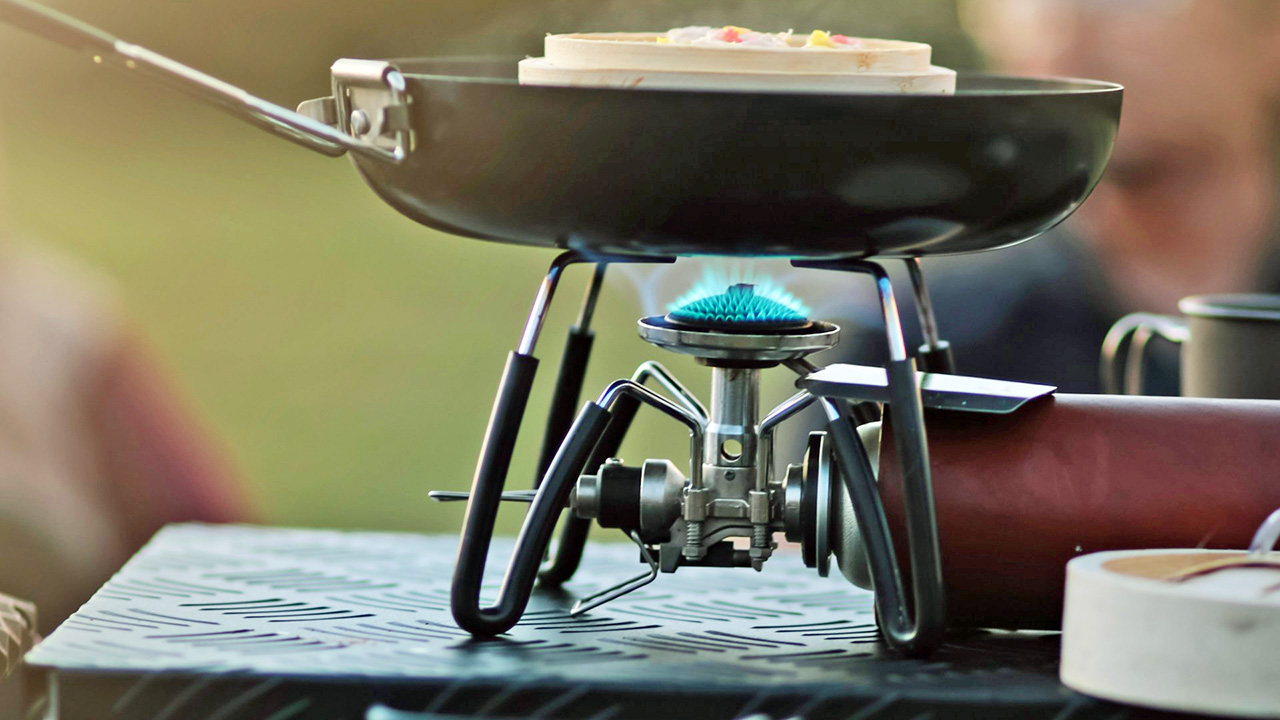
The outage cooking setup people try first that can go sideways fast
When the lights go out, most people reach for the same solution first: drag the grill closer to the house or fire up a camp stove in the garage so dinner can stay on schedule. It feels practical and familiar, but that instinctive outage cooking setup is exactly where things can go sideways fast. If you do not think through ventilation, fuel, and food safety before you strike a match, you can turn a temporary inconvenience into a life‑threatening emergency.
The good news is that you can still eat well and stay safe in a blackout if you understand which tools belong outside, which fuels are safe indoors, and how to keep your kitchen from filling with invisible hazards. With a little planning, you can replace that risky first impulse with a calm, methodical playbook that protects your household long after the power lines go dark.
The risky “quick fix” people reach for first
Your first move in a power outage is usually driven by habit, not safety. You know how to use your propane grill, charcoal kettle, or portable gas stove, so you drag it under a carport, into a breezeway, or just outside a cracked door to keep cooking through the storm. The setup feels temporary and controlled, which makes it easy to ignore the fact that you are burning fuel in or near an enclosed space where fumes and heat can build quickly.
That shortcut is exactly what emergency guidance warns against. Federal safety advice is explicit that you should not use charcoal grills, gas grills, or similar stoves inside your home, in a garage, or even on a balcony, and that you should keep any such equipment at least 20 feet from windows or doors when you cook outside, because drifting exhaust and open flames can ignite nearby materials or seep indoors unnoticed. When you treat outdoor gear as an indoor backup, you are not just bending the rules, you are overriding clear Methods that are designed to keep a routine meal from turning into a fire or poisoning incident.
Why that “almost indoors” grill is so dangerous
What makes that half‑open garage door or covered patio so deceptive is that it looks ventilated while still trapping fumes. Any time you burn propane, charcoal, gasoline, or wood, you create Carbon monoxide, a colorless and odorless gas that can build up without triggering your senses. If you park a grill or generator near a doorway or window, or run it in a semi‑enclosed space, those exhaust gases can drift back inside and accumulate around the people you are trying to keep safe.
Safety specialists point out that improper ventilation or malfunctioning equipment during an outage is a perfect recipe for Carbon monoxide to reach dangerous levels, especially when you are focused on salvaging food instead of watching for symptoms. Once that gas displaces oxygen in your bloodstream, you can go from mild headache to confusion and collapse in a short window, and by the time you recognize what is happening, you may already be too disoriented to move. That is why guidance on using generators and grills in a blackout stresses distance, airflow, and equipment that is set up correctly during a power outage, not just convenience or shelter from the rain, and why you should treat any combustion device as a potential source of Carbon risk rather than a harmless backyard appliance.
What official guidance actually says about outage cooking
If you strip away the improvisation and look at formal emergency playbooks, the message is blunt: treat cooking during a blackout as a safety operation first and a culinary project second. Federal emergency managers emphasize that you should Remember to use stoves and grills outdoors, on stable surfaces, and at least 20 feet from windows, doors, or vents, and that you should never bring charcoal grills, camp stoves, or similar devices inside because they can produce lethal gases and start fires in confined spaces. That distance rule is not a suggestion, it is a buffer designed to keep exhaust from drifting back into your living space.
The same guidance also highlights safer backup options that are specifically intended for indoor use, such as certain canned‑fuel warmers, small electric appliances powered by a generator that is properly placed outside, or a carefully managed fireplace. When you follow those recommendations, you are aligning your kitchen decisions with the same Remember protocols that disaster professionals rely on to reduce injuries after storms, rather than improvising in ways that might feel clever but quietly multiply your exposure to fire and fumes.
Invisible air hazards: how indoor air quality collapses in a blackout
When the power fails, your home’s usual defenses against bad air, from mechanical ventilation to filtration in your HVAC system, go offline at the exact moment you are tempted to burn more fuel indoors. That combination can turn a living room into a trap if you start cooking with unvented flames or running makeshift heaters to stay warm. Carbon monoxide is especially insidious here, because it is invisible and odorless, and it can spread through a house without any obvious sign until people start to feel sick.
Indoor air experts urge you to Install Carbon Monoxide alarms to Prevent CO Poisoning long before a storm hits, and to avoid using unvented combustion appliances for cooking or heating when the grid is down, because the usual airflow that would dilute pollutants is no longer guaranteed. They also note that you should never try to tie a portable generator into your home’s HVAC system or ductwork, since that can pull exhaust directly into occupied rooms. Treating your kitchen as a sealed bunker during an outage, instead of cracking windows and respecting the warning against unvented cooking, ignores the basic Install Carbon Monoxide principles that keep indoor air breathable when the lights are off.
How quickly Carbon monoxide poisoning can escalate
Because you cannot see or smell Carbon monoxide, the early signs of exposure are easy to dismiss as stress or fatigue from dealing with the outage. Public health guidance explains that CO is found in combustion fumes from small gasoline engines, stoves, generators, lanterns, and grills, which means many of the tools you instinctively reach for in a blackout are potential sources. If you run them too close to your home or in enclosed or partially enclosed spaces, the gas can seep in and affect everyone inside, including pets, without any obvious smoke or odor.
Officials warn that Carbon monoxide poisoning often spikes during extended blackouts, precisely because people are trying to stay warm and cook with equipment that is not meant for indoor use. They stress that you should never use a generator, charcoal grill, or gas stove inside your home or attached garage, and that you should move anyone showing symptoms like headache, dizziness, or nausea into fresh air immediately while calling for medical help. Treating those symptoms as a red flag tied to your outage setup, rather than a minor inconvenience, is central to the Feb advice on protecting both people and animals inside your home.
Safer indoor options when you truly cannot cook outside
Sometimes the weather or security conditions make outdoor cooking unrealistic, and you need an indoor plan that does not rely on wishful thinking about ventilation. Preparedness educators point to specific fuels and devices that are designed for indoor use, such as Canned Heat products that are marketed as Safe Fuel for Indoor Emergency Cooking, which burn cleanly enough for short‑term warming of food when used with proper stands and clearances. They also highlight Solar Ovens that let you focus on Cooking with the Sun when daylight cooperates, which can take pressure off your indoor setup and reduce the temptation to improvise with riskier gear.
Off‑grid homesteaders in places like North Idaho demonstrate how you can build a layered approach that includes woodstoves with proper chimneys, heavy‑duty cast‑iron cookware, and thermal retention methods like haybox cooking to stretch limited fuel. In one detailed walkthrough, a Jan video tour of an off‑grid kitchen shows how to Cook Indoors without Electricity by combining a vented wood range, insulated cookware, and careful fuel management instead of relying on camp stoves in closed rooms. Watching how experienced preppers structure their Canned Heat setups and how a North Idaho family uses their Jan off‑grid homestead can give you a realistic template for safe indoor cooking that respects the limits of your space and ventilation.
Using fireplaces and traditional heat sources without courting disaster
If your home has a Fireplace, it can be a valuable backup cooking tool, but only if you treat it as a controlled heat source rather than a campfire in the living room. Extension guidance notes that You can grill food on a grate or wrap it in foil and cook it in the fireplace, using Fuels for cooking such as seasoned wood, tightly rolled newspaper, or manufactured logs that are intended for indoor burning. The key is to keep the chimney clear, the damper fully open, and combustible items like curtains or stacked firewood well away from the hearth so sparks and embers cannot spread.
For outdoor setups, the same experts stress that grills and camp stoves should be positioned several feet away from any building, not tucked against siding or under eaves, to reduce the risk of heat damage or fire. That distance rule applies even when you are trying to shield a flame from wind or rain, because a sheltered corner can trap smoke and fumes that then drift into nearby windows. Treating your fireplace as a purpose‑built cooking site and your outdoor grill as equipment that must stay clear of structures aligns your habits with the Fireplace guidance that has been refined through years of post‑storm experience.
Common grilling mistakes that turn storms into tragedies
Even when people know they should not bring a grill indoors, they often underestimate how close is too close. Safety educators who analyze post‑hurricane behavior point out that roughly 90% of homeowners make dangerous grilling mistakes after a major storm, such as setting up a charcoal kettle in a screened porch, running a gas grill inside a garage with the door cracked, or parking a smoker directly under open windows. Those choices feel like minor compromises to keep the rain off or stay out of the wind, but they effectively turn your cooking area into a fume trap.
Video demonstrations of Cooking Safety During A Power Outage show how quickly smoke and exhaust can back up into a house when a grill is placed in a carport or near a sliding door, even if the flame itself looks under control. They also highlight how embers can ignite nearby cardboard boxes, gasoline cans, or lawn equipment that people store in garages and sheds, creating a fire that spreads faster than you can move the grill. Treating those “almost outside” locations as off‑limits for any open flame, and insisting that grills stay fully outdoors and away from structures, is the core lesson of the Oct warnings that follow every major storm.
Planning a resilient, low‑risk outage kitchen before the lights go out
The safest outage cooking setup is the one you design long before the forecast turns ugly. Preparedness coaches encourage you to build an Emergency cooking kit that might include a portable propane burner, a compact solar oven, and a portable butane stove, all tested in advance so you know how they behave. They also recommend practicing with your gear on calm weekends, using a Table of Conten style checklist to walk through fuel storage, wind shielding, and safe distances from buildings, so that when the grid fails you are not learning under pressure.
Structured challenges like a 30‑Day Grid‑Down Emergency Cooking Challenge push you to Only use cooking devices that are rated for indoor use when you are inside, and to burn only fuels that are recommended for safe indoor use, while treating any open flame with great caution. That kind of rehearsal exposes gaps in your plan, from missing matches to inadequate ventilation, and gives you a chance to fix them while hardware stores are still open. By the time a real storm arrives, your outage kitchen is no longer an improvised reaction, it is a rehearsed system built around Emergency tools and the Only rules that keep your household out of the danger zone.
Do not let food safety become the forgotten casualty
Even if you manage your flames and fumes perfectly, a blackout can quietly turn your refrigerator into a hazard if you are not tracking temperatures. Food safety officials advise you to Keep a thermometer in your refrigerator to ensure the temperature is 41°F or below, and to Make sure your freezer stays cold enough that food remains safely frozen or at least partially solid. Once perishable items warm above that threshold for more than a short window, bacteria can multiply to dangerous levels even if the food still looks and smells normal.
That reality should shape how you plan your outage menu. Prioritize cooking and eating high‑risk items like raw meat, dairy, and leftovers early, while they are still within safe temperature ranges, and rely on shelf‑stable goods such as canned beans, rice, and peanut butter as the outage drags on. When in doubt, follow the conservative rule that if you are not sure how long something has been warm, you should throw it out rather than risk foodborne illness on top of everything else. Treating your fridge and pantry with the same disciplined eye you bring to your grill and stove is central to the Keep and Prevent Carbon Monoxide Poisoning mindset that keeps an outage from spiraling into a health crisis During a Power Outage when Carbon monoxide (CO) poisoning increases in enclosed or partially enclosed spaces.
Like Fix It Homestead’s content? Be sure to follow us.
Here’s more from us:
- I made Joanna Gaines’s Friendsgiving casserole and here is what I would keep
- Pump Shotguns That Jam the Moment You Actually Need Them
- The First 5 Things Guests Notice About Your Living Room at Christmas
- What Caliber Works Best for Groundhogs, Armadillos, and Other Digging Pests?
- Rifles worth keeping by the back door on any rural property
*This article was developed with AI-powered tools and has been carefully reviewed by our editors.