The outlet swap that can trigger a permit question you didn’t expect
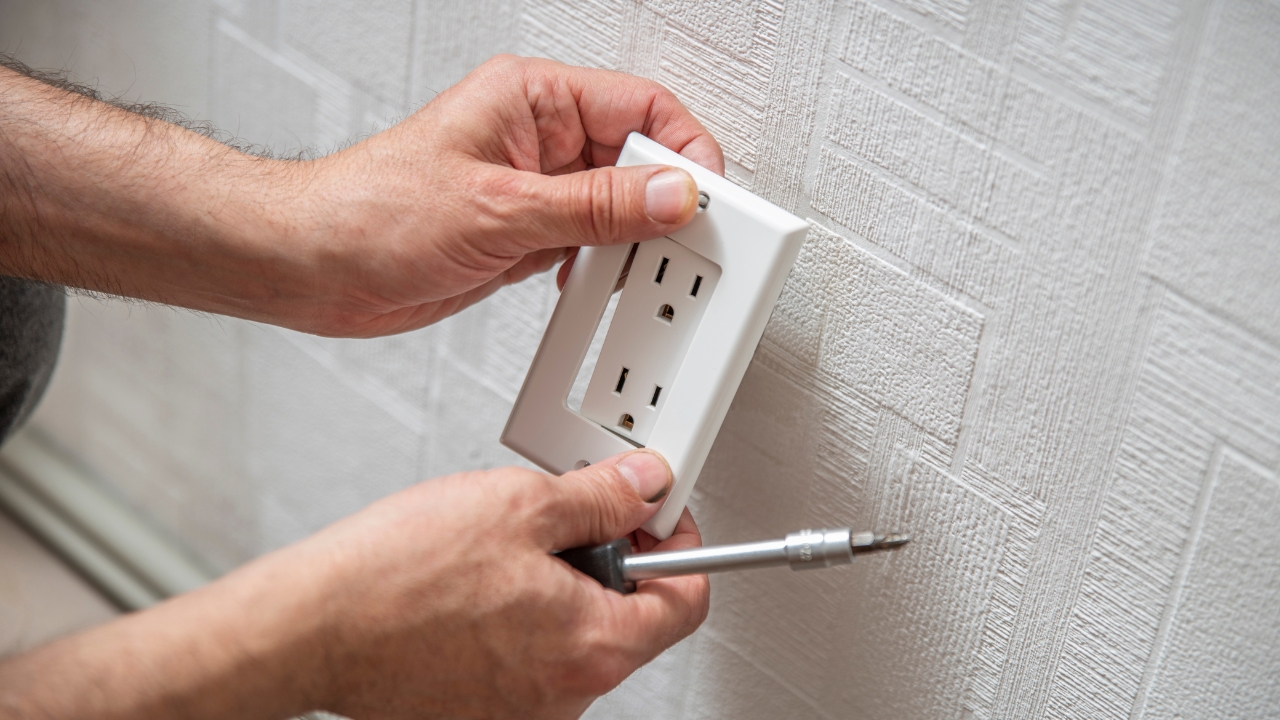
Swapping a tired outlet for a modern one looks like the definition of minor home maintenance, the kind of task you handle between errands without a second thought. Yet that simple change can quietly cross the line from cosmetic upgrade into regulated electrical work, raising permit questions that only surface when an inspector, buyer, or insurer starts asking hard questions. If you treat every receptacle as a harmless accessory instead of part of a larger electrical system, you risk turning a quick Saturday project into a long, expensive headache.
The real surprise for many homeowners is not how tricky the wiring can be, but how quickly a “like for like” swap morphs into a code issue once you touch grounding, add outlets, or extend circuits. Understanding where that line sits, and how your local rules interpret it, is the difference between a safe, compliant upgrade and a hidden liability that follows your house long after the new outlet is in the wall.
When a simple outlet swap stops being simple
On paper, replacing one receptacle with another of the same type looks straightforward, especially if you are just matching amperage and style. In practice, the most common mistake is not a sloppy connection, it is treating the receptacle as a stand‑alone gadget instead of a node in a larger electrical system that includes your panel, branch circuits, and grounding path. Reporting on outlet upgrades notes that the real error is assuming this work is always trivial, even though the receptacle is the point where your wiring is put into daily use and any defect becomes a live risk once you plug in a load, a phone charger, or a space heater.
Once you move beyond a one‑for‑one replacement, the project stops being “minor” in the eyes of many building departments. If you extend wiring to add another receptacle, convert a standard outlet to a ground fault circuit interrupter in a wet area, or change the configuration of a multi‑wire branch circuit, you are altering the system that feeds your panel and every other circuit tied to it. Guidance on permit mistakes stresses that when you replace an outlet you are tapping into the same system that serves your basement wiring and other rooms, which is why regulators treat these changes as more than cosmetic and often expect you to follow formal permitting and inspection steps.
The hidden trap in Old two‑prong outlets
If you live in an Older house, the outlets that most tempt you to upgrade are often the riskiest to touch without a plan. Many Old two‑prong receptacles were installed before modern grounding requirements, so there may be no bare or green equipment ground in the box at all. Swapping those for three‑prong devices without addressing the missing ground creates a false sense of safety, because the new faceplate suggests modern protection while the underlying wiring still lacks a proper fault path.
Code guidance on these Older systems explains that you cannot simply install a three‑slot receptacle on an ungrounded circuit and call it done, especially where sensitive electronics or metal‑cased appliances will be plugged in. You either need to provide a real equipment grounding conductor, use a properly labeled ground fault device, or keep the two‑prong configuration. Treating this as a quick cosmetic fix, rather than a structural change to how faults are cleared, is exactly the kind of shortcut that can trigger questions from an inspector or buyer once someone realizes the Old wiring behind your shiny new outlet has not been brought up to modern expectations.
Why Outlet Replacement Matters for Safety and Reliability
Even when permits are not required, you should treat every receptacle replacement as a safety upgrade, not just a style choice. Electrical pros emphasize that Why Outlet Replacement Matters for Safety and Reliability is tied to how outlets wear internally, with loose contacts creating heat and arcing long before you see visible damage on the cover plate. Replacing Wall Outlets is often the moment when you discover cracked bodies, scorched insulation, or back‑stabbed connections that were barely holding on, all of which can compromise both safety and the performance of anything you plug in.
Contractors who focus on Replacing Wall Outlets also warn that Some Mistakes to Avoid start before you even touch a screwdriver, such as failing to verify power is off with a tester or choosing the wrong device for the circuit’s amperage. Guidance framed as Here are Some Mistakes to Avoid notes that if you open a box and find aluminum conductors, multiple splices crammed into a small space, or signs of overheating, you should stop, Avoid pushing ahead, and call an electrician instead of forcing a new outlet into a compromised setup. That kind of judgment call is exactly what inspectors expect when they trust homeowners to handle limited work without direct supervision.
What counts as “minor” work in the eyes of your town
Whether your outlet project needs a permit often turns on how your local code defines “minor” electrical work. Some jurisdictions publish detailed lists of tasks that can proceed without formal review, while everything else requires paperwork. One municipal FAQ, for example, spells out that the Replacement of kitchen range hoods, the Replacement of clothes dryers, stoves, or ovens within a dwelling unit, and similar like‑for‑like swaps are treated differently from any work that alters structural elements, fire safety, or the layout of a space. In the same breath, it notes that any addition to, alteration, Replacement of, or relocation of electrical wiring in a one or two family home is squarely in permit territory.
That distinction matters when you move from simply changing a device to modifying the wiring that feeds it. If you cut into a wall to reroute a cable, extend a circuit to reach a new location, or add a junction box to serve multiple receptacles, you are no longer in the realm of minor maintenance. Local officials who draft these Replacement of guidelines are trying to draw a bright line between work that only affects a single appliance or fixture and work that changes the building’s electrical infrastructure, and your outlet plans may cross that line faster than you expect.
According to the New Jersey Uniform Construction Code
Statewide rules can tighten the net even further. According to the New Jersey Uniform Construction Code, or New Jersey Uniform Construction Code, UCC, electrical permits are required for most residential and commercial projects, with only narrow exceptions for truly minor work. A statewide guide explains that when you ask “Do you need an electrical permit in NJ?”, the default answer is yes for anything that adds, alters, or relocates wiring in one or two family homes, commercial spaces, or multi‑family dwellings. That framework means even modest outlet changes can be regulated if they involve new cable runs or circuit extensions.
Specialized summaries of the New Jersey Uniform Construction Code, UCC, also stress that local officials still have some discretion in how they interpret “minor” tasks, but they are operating inside a state rule that assumes permits for Most system changes. If you are planning to add outlets in a finished basement, convert a standard receptacle to serve an electric vehicle charger, or tie new devices into an existing kitchen circuit, you should expect to be in permit territory unless your building department explicitly says otherwise. Treating those projects as casual DIY jobs, rather than regulated electrical work, is exactly the kind of misstep that can surface during a later inspection or sale.
When Do You Need to Get Electrical Permits for outlet work
Beyond New Jersey, the broad pattern is similar: rules vary by location, but most treat electrical permits as a core safety tool rather than an optional extra. Guidance framed as When Do You Need to Get Electrical Permits notes that Electrical Permit Requirements typically kick in whenever you add new circuits, increase service capacity, or modify wiring in a way that could affect system loading and fault paths. The same source points out that the rules vary depending on the location, but most towns want a record of work that could overload circuits, create shock hazards, or potentially harm utility workers if backfeeds or improper connections occur.
For outlet projects, that usually means you can replace a damaged device on an existing circuit without a permit, but you cross into regulated territory once you start adding receptacles, converting to higher amperage, or tying into new equipment like backup generators. Electricians who walk homeowners through Electrical Permit Requirements often frame the question in practical terms: if your work changes how much power a circuit can deliver, how faults are cleared, or how many outlets are served, you should assume a permit is needed and confirm with your local office rather than guessing. That mindset keeps you aligned with the spirit of When Do You Need to Get Electrical Permits, which is to protect both your home and the wider grid.
Common Wiring Mistakes that turn into code problems
Even if your town allows certain outlet swaps without a permit, the technical mistakes that show up in DIY work can still create code violations and safety risks. Lists of Common Wiring Mistakes highlight how easy it is to Avoid Mixing up the black hot conductor and the white neutral, especially in crowded boxes or older homes where color coding has faded. That single error can make an outlet dangerous to use and damage plugged in devices, because it reverses the expected polarity and can leave energized parts exposed when you think they are safe.
Other Common Wiring Mistakes include leaving wires under tightened screws, which can lead to arcing and potentially an electrical fire, and ignoring the bare or green equipment ground that is essential for safety. When you combine those errors with unpermitted work, you create a double problem: the installation is both technically unsafe and undocumented. Inspectors who open a box and find reversed conductors, missing grounds, or overheated insulation are far more likely to question whether the work was done under a permit, and that scrutiny can extend to the rest of your electrical system.
Outdoor outlets, the National Electrical Code, and the permit line
Adding or upgrading outdoor receptacles is one of the fastest ways to turn a casual outlet project into a full code exercise. Video guidance on NEC Code Outdoor Outlet Installation Errors to Avoid stresses that when adding an outdoor outlet it is crucial to adhere to the National Electrical Code, or National Electrical Code, NEC, to ensure safety and prevent violations. Exterior locations introduce moisture, physical damage, and exposure risks that indoor outlets do not face, so the NEC requires weather resistant devices, in‑use covers, and ground fault protection in most cases.
Because outdoor outlets often require new cable runs through walls or along exterior surfaces, they almost always fall outside the “minor work” category. When you follow National Electrical Code, NEC rules for outdoor installations, you are typically adding boxes, conduit, or cable clamps that change the building’s wiring layout, which is exactly the kind of alteration that local codes flag for permitting. If you treat that project as a simple extension cord replacement, rather than a permanent addition to your electrical system, you risk both safety problems and a paper trail gap that can be hard to fix later.
What work really needs a permit, and what might not
Homeowner oriented explainers often try to simplify the landscape by asking What electrical work requires a permit and then drawing a line around truly minor tasks. One overview notes that Most electrical work, except for minor work, requires a permit to ensure safety, compliance, and proper inspection. Minor work is usually defined as replacing existing devices on the same circuit without altering wiring, such as swapping a broken switch or a worn receptacle with an identical unit, but the moment you add sub panels, backup generators, or new branch circuits, you are firmly in permit territory.
How local examples and Simple rules can guide your decision
The long tail of skipping permits on outlet upgrades
Like Fix It Homestead’s content? Be sure to follow us.
Here’s more from us:
- I made Joanna Gaines’s Friendsgiving casserole and here is what I would keep
- Pump Shotguns That Jam the Moment You Actually Need Them
- The First 5 Things Guests Notice About Your Living Room at Christmas
- What Caliber Works Best for Groundhogs, Armadillos, and Other Digging Pests?
- Rifles worth keeping by the back door on any rural property
*This article was developed with AI-powered tools and has been carefully reviewed by our editors.