The overlooked home systems insurers care about most right now
You probably think about your roof, your siding, maybe your kitchen finishes when you picture what your insurer cares about. In reality, the systems you rarely see or touch often drive whether you can get coverage at all, how high your premiums climb, and how quickly a claim gets paid. When you understand which hidden parts of your home attract the closest underwriting scrutiny, you can target repairs and upgrades that protect both your property and your budget.
Insurers are moving toward a model that rewards proactive risk management, and that shift puts your plumbing, electrical, foundation, security, and even your smart devices under a brighter spotlight. Treat those systems as background details and you risk higher deductibles, surprise exclusions, or even nonrenewal at the moment you need protection most.
Why insurers are suddenly obsessed with what is behind your walls
You are living through a period where insurers are recalculating risk in almost every region, and that reassessment starts with how your home actually performs under stress. Reports on the 2026 market describe a shift toward proactive risk management, which means carriers care less about how your house looks and more about how its systems reduce the chance of a big loss. Instead of waiting for a pipe to burst or an electrical fault to spark a fire, they want evidence that you have modern infrastructure and prevention tools in place.
Premiums are also climbing as climate exposure, rebuilding costs, and storm losses rise, so insurers are under pressure to justify every policy they keep on the books. Industry outlooks describe how pricing trends are tied to more granular inspections, stricter underwriting, and an expectation that you will maintain core systems, not just cosmetic features. That is why you are seeing more requests for maintenance records, photos of mechanicals, and proof of upgrades when your policy renews.
Plumbing and sewer lines: the quiet threat under your lawn
Water damage is one of the most expensive and frequent categories of home claims, and your plumbing and sewer connections sit at the center of that risk. Industry analysis points out that water damage is, which is exactly how insurers now view it. If you have aging supply lines, corroded shutoff valves, or original cast iron drains, underwriters see a higher probability of leaks that can force you out of your home and trigger six‑figure remediation bills.
What happens beyond your foundation matters just as much. Municipal sewer experts explain that neighborhood systems rely on a network of pipes or “laterals” attached to, which means a collapse or blockage in the portion you own can send wastewater back into your basement. Standard policies often limit coverage for that kind of backup, so insurers increasingly ask about cleanout access, backflow valves, and whether you have inspected old clay or Orangeburg lines before they agree to broad protection.
Electrical systems and surge protection: small sparks, big claims
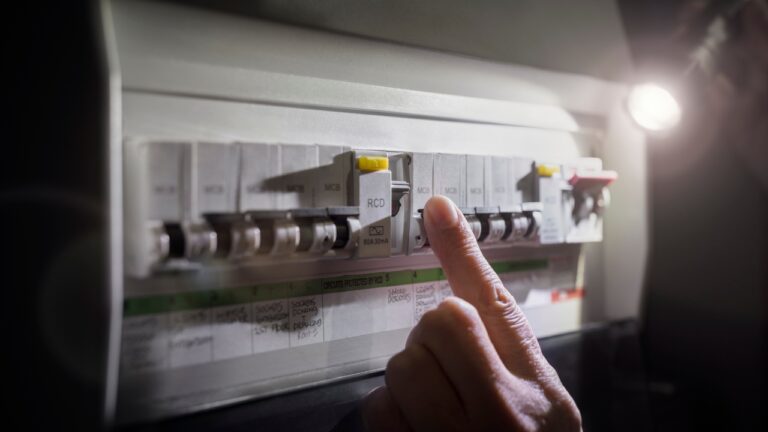
Your wiring and panels rarely feature in listing photos, yet they can determine whether an insurer views your home as a manageable risk or a fire waiting to happen. Outdated knob‑and‑tube circuits, overloaded breaker boxes, and a lack of grounded outlets all raise red flags, especially as modern households plug in more high‑draw devices and electric vehicles. Underwriters want to see that your system can handle that load without overheating or arcing behind the drywall where you cannot see the damage until it is too late.
Insurers are also watching how you protect sensitive electronics and major appliances from grid instability and lightning. Electrical specialists describe how whole‑home surge protection is evolving into a standard safety upgrade, often paired with smart monitors that report voltage issues through smartphone apps. When you install that kind of protection and keep documentation, you give your insurer a concrete reason to view your home as less likely to suffer catastrophic electrical damage, which can influence both eligibility and pricing.
Roofs, fortified standards, and the age factor
You probably know your roof matters, but you may underestimate how precisely insurers now evaluate it. In storm‑exposed states, regulators and carriers have tied coverage decisions directly to roof age, and one detailed review notes that Roof Age Became with mandatory inspections for roofs over 10 years old. That kind of rule signals how aggressively insurers are tying wind and hail exposure to the specific condition of your shingles, decking, and flashing, not just a generic idea of “good repair.”
Risk models are also pushing carriers to encourage stronger construction. Analysts highlight Key Takeaways from fortified roof programs that use impact‑resistant materials and enhanced fastening to cut losses from severe convective storms. When you upgrade to those standards and document the work, you can often qualify for wind mitigation credits or special roof upgrade coverage, which directly aligns your maintenance spending with what insurers value most.
Foundation and structural health: the risk beneath every room
Your foundation rarely appears in a home tour, yet it underpins every other system your insurer evaluates. Structural specialists warn that Seismic Activity Even can shift soil and trigger sudden settling, particularly In Californ regions where minor tremors are common. When that movement cracks slabs, misaligns framing, or distorts door openings, it also stresses plumbing, wiring, and roofing, compounding the risk profile your insurer sees.
Researchers who examined California seismic retrofitting requirements in another context found that mandated structural upgrades can create significant cost shocks, which mirrors what you face when an inspection reveals foundation problems. If you ignore early warning signs like sticking windows or stair‑step brick cracks, you not only risk more expensive repairs later, you also hand your insurer a reason to limit coverage or decline a renewal on the grounds that the home is not being maintained to modern safety expectations.
Smart sensors, security, and the new definition of “well protected”
You might think of smart devices as lifestyle gadgets, but insurers increasingly view them as risk‑control tools that can justify better terms. One national survey found that Millennials now average, and many of those devices are leak detectors, cameras, and connected smoke alarms. When you install a smart water sensor near a washing machine or under a sink, you give both yourself and your insurer a chance to catch a leak before it ruins floors and drywall.
Security professionals describe how Physical security is toward proactive systems that integrate access control, monitoring, and analytics to reduce incidents while improving reliability. In a residential context, that translates into smart locks, doorbell cameras, and integrated alarm systems that deter break‑ins and provide clear evidence when something goes wrong. Insurers that focus on proactive risk management see those investments as more than gadgets; they are part of a home ecosystem that lowers both theft and liability exposure.
Home warranties, riders, and the coverage gaps around your systems
Even if your insurer likes your home’s systems, your policy may not cover them the way you assume. Financial institutions warn that Overlooked Insurance Coverage Afford to Miss often start with basics like Home Replacement Cost and whether Your dwelling limit actually reflects current rebuild expenses. If your limits lag behind material and labor inflation, a major systems failure that leads to structural damage can leave you paying a large share of reconstruction out of pocket.
Specialized riders are becoming more important as well. One detailed guide lists Below are several such as Flood Insur, ordinance or law coverage, and equipment breakdown that can protect you when plumbing, electrical, or HVAC systems fail. On the service side, warranty providers emphasize how Technology and AI by using digital tools to track maintenance and coordinate repairs, which can help you keep systems in better shape and present cleaner documentation to your insurer when questions arise.
Data, inspections, and the quiet rise of nonrenewal risk
You no longer control the narrative about your home’s condition solely through what you tell your agent. Consumer advocates describe how One of the most frustrating trends for homeowners is the use of drones and satellite photos by Insurers to justify cancellations, sometimes based on outdated or incorrect imagery. That technology gives carriers a constant, remote view of your roof, yard, and even apparent structural shifts, which they can cross‑check against your disclosures and inspection reports.
On the ground, insurers are also tightening documentation expectations. Analysts warn that Insurance companies are underwriting and increasingly ask for detailed information on system ages, upgrades, and recent repairs when requested. If you cannot produce invoices for a panel replacement, a sewer line relining, or a foundation pier installation, you may find yourself facing higher premiums or a nonrenewal notice, even if you quietly did the work years ago.
How to align your maintenance plan with what insurers value
If you want to keep coverage affordable and stable, you need to treat your home like an asset you manage in partnership with your insurer rather than a static structure. Market forecasts that describe a shift toward Home Insurance Predictions and a Turning Point for Premium Growth As Climate Risk and Technology Drive Change all point to the same strategy: invest in the systems that prevent large losses, then communicate those upgrades clearly. That means prioritizing items like leak detection, electrical safety, roof fortification, and structural repairs ahead of purely cosmetic projects.
To put that into practice, you can build a simple maintenance file that includes inspection reports, photos, and receipts for every major system touch, then share relevant highlights with your agent at renewal. You can also lean on service partners that use Technology and Digita tools to track proactive home maintenance, which helps you stay ahead of problems. When you align your spending and documentation with what insurers actually care about, you shift from hoping your policy will respond to confidently knowing you have built a home that carriers want to protect.
Like Fix It Homestead’s content? Be sure to follow us.
Here’s more from us:
- I made Joanna Gaines’s Friendsgiving casserole and here is what I would keep
- Pump Shotguns That Jam the Moment You Actually Need Them
- The First 5 Things Guests Notice About Your Living Room at Christmas
- What Caliber Works Best for Groundhogs, Armadillos, and Other Digging Pests?
- Rifles worth keeping by the back door on any rural property
*This article was developed with AI-powered tools and has been carefully reviewed by our editors.