The panel work homeowners start without realizing it’s regulated
Across the country, homeowners open their breaker boxes, swap parts, or even replace entire panels without realizing they have stepped into regulated territory. Electrical service equipment sits at the intersection of safety codes, insurance rules, and local permitting, so work that feels like routine tinkering can actually trigger legal and financial consequences. Understanding where the line falls between casual maintenance and regulated panel work is the difference between a safe upgrade and a costly mistake.
Once you see your electrical panel as critical infrastructure rather than a metal box in the basement, the rules start to make sense. The same projects that quietly boost capacity for an induction range or EV charger can also void insurance, derail a home sale, or expose you to fines if you skip permits or bypass licensed electricians where they are required.
Why the panel is not just another box on the wall
Your electrical panel is the control center that routes power from the utility into every circuit in your home, so any change to it affects the entire system. It houses the main disconnect and individual breakers that protect wiring from overloads, and it is designed and rated as a single piece of equipment, not a collection of interchangeable parts you can casually mix and match. Professional guides describe an electrical panel as the heart of the system, explaining how it distributes power and why its capacity, layout, and grounding all have to be coordinated to keep the system stable and safe, which is why they treat the panel as specialized equipment rather than a DIY playground for ambitious owners who are not trained electricians, as detailed in resources on electrical panels.
Because the panel is so central, regulators and insurers treat it differently from a light fixture or a receptacle. Technical explainers aimed at homeowners emphasize that understanding how your panel is sized, labeled, and maintained is essential to keeping the system safe and efficient, and they walk through how the main breaker rating, bus bar capacity, and number of circuits all interact to set the limits of what your home can safely support, which is why they urge you to learn the basics of home electrical panels before you consider any changes.
The quiet line between “simple” tasks and regulated work
Many homeowners assume that if they can physically reach something, they are allowed to work on it, but electrical rules draw a sharper line between minor repairs and work that alters the safety of the system. Swapping a light switch or replacing a damaged receptacle is often treated as low risk, while moving breakers, adding new circuits, or changing the panel itself is regulated because it affects fault protection, load calculations, and fire risk. Consumer-focused guidance on home electrical repairs notes that you can usually do your own work only when it is for yourself and within narrow limits, and it stresses that other conditions may apply, including local rules that require a license for certain tasks, which is why it cautions that do‑it‑yourself electrical repairs are not a blanket right.
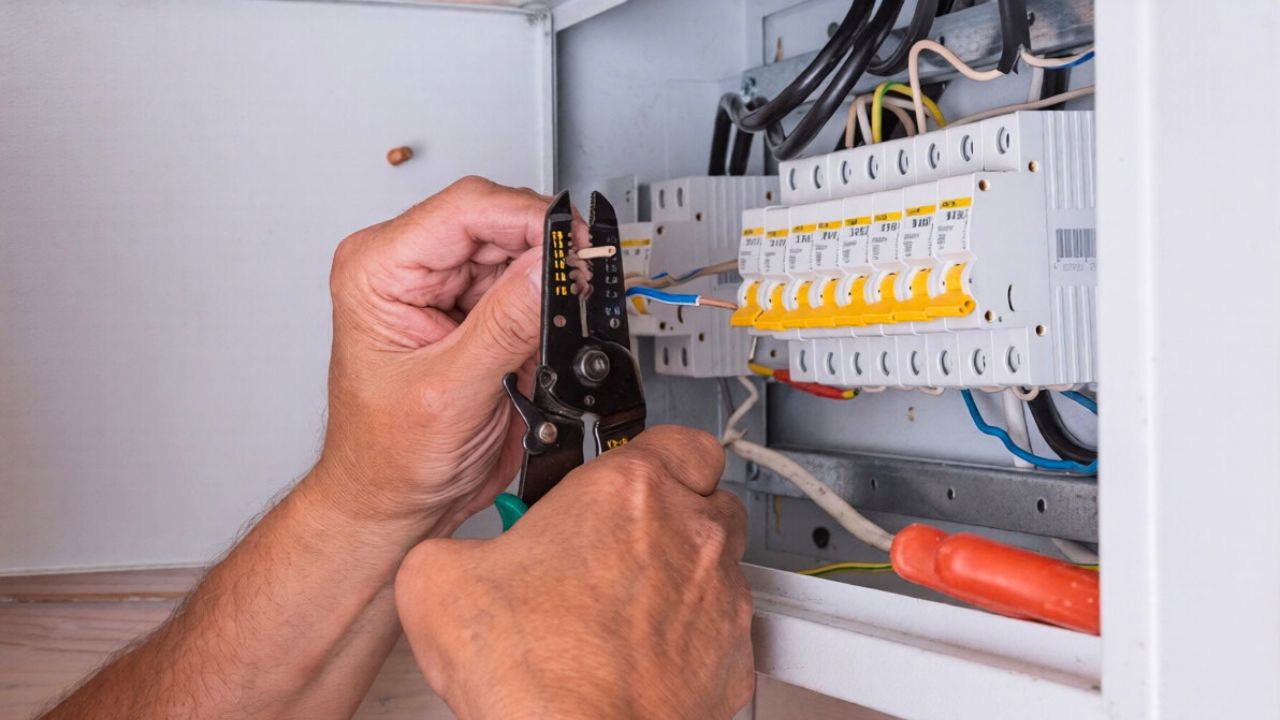
That distinction becomes even more important once you open the panel cover. Some jurisdictions treat removing the dead front, the metal cover that shields live bus bars, as work reserved for licensed professionals, and inspectors and electricians warn that even apparently simple actions like rearranging breakers or doubling up circuits can violate code. In professional forums, inspectors have debated whether it is against the law for unlicensed people to remove the dead panel cover at all, with some pointing to local rules that treat any access to energized components as regulated work, a reminder that the moment you start unscrewing that cover you may already be in the territory discussed in those inspector forums.
Permits: the invisible step many owners skip
Permits are the mechanism cities and towns use to make sure electrical work meets current code, yet they are also the step most homeowners are tempted to skip when they are eager to upgrade a panel or add capacity. The logic is understandable: permits cost money, inspections take time, and if you are doing the work yourself, it can feel like an unnecessary layer of bureaucracy. Renovation experts push back on that instinct, explaining that permits exist to ensure work meets safety standards and that inspections are a safeguard, not a punishment, which is why they warn that skipping permits on a renovation can lead to fines, forced tear‑outs, and problems with future buyers, as described in coverage of what happens when you ignore permit requirements.
When it comes to panel work, local rules often go further and explicitly require permits for upgrades, relocations, or major circuit changes, and in many areas only licensed electricians can pull those permits. One detailed guide on panel upgrades notes that in many jurisdictions it is illegal for anyone without a professional electrician’s license to perform certain types of electrical work, and it warns that if you ignore those rules you can face fines, be forced to redo the job, or even have your power shut off until the work is corrected, which is why it frames risks of DIY as both a safety and legal issue.
Local rules, insurance fine print, and why your panel brand matters
Even if your city allows some homeowner electrical work, other layers of regulation can still limit what you can do with your panel. In community discussions about DIY permits, residents describe how some municipalities require a licensed electrician for certain jobs and even ask for a certified letter from your insurance carrier stating that it will cover the work, while others simply do not allow unlicensed panel work at all, which is why one local thread notes that some of the permits in question are simply off‑limits to homeowners.
Insurers add another layer by scrutinizing the age and brand of your panel, and in some cases they will not write or renew a policy if you have equipment associated with fire risk. Electrical and HVAC specialists warn that outdated panels can void home insurance, and they highlight specific brands that are no longer approved under current codes, explaining that insurers may require replacement before closing on a policy and that they will often ask about the panel’s age, brand, and condition during underwriting, which is why they urge owners to check whether outdated electrical panels are quietly undermining their coverage.
Safety stakes: why professionals insist on licensed work
Electricity is unforgiving, and the risks of getting panel work wrong go far beyond a tripped breaker. A mis‑sized main, loose neutral, or improperly torqued lug can overheat slowly behind the dead front, turning the panel into a hidden ignition source that only reveals itself when insulation smolders or breakers fail to trip during a fault. Safety‑focused guides on panel maintenance stress that safety is paramount and that only licensed electricians should install, maintain, or repair breaker panels, arguing that trained professionals are best positioned to keep the system running smoothly and safely, which is why they emphasize that safety and licensing go hand in hand.
The danger is not theoretical. Some legacy panel designs have such a poor safety record that they are now treated as urgent hazards, with electricians warning that if your home still has a Zinsco panel you could be at risk in more ways than one. Technical write‑ups explain that Zinsco breakers may not shut off during faults, that the bus bars can overheat and melt, and that these panels are no longer approved under current codes, which is why they urge homeowners to treat Zinsco equipment as a priority for replacement rather than a cosmetic upgrade.
DIY rights, limits, and the myth of “it’s my house, I can do what I want”
Homeowners often lean on the idea that because they own the property, they can do whatever they like inside the walls, but electrical law rarely works that way. Consumer advice acknowledges that you can usually do your own electrical work as long as it is done for yourself and not commercially, yet it immediately adds that other conditions may apply, including permit requirements and local rules that still demand a license for certain tasks, which is why it frames the statement “You can usually do your own electrical work” as a starting point, not a guarantee.
In practice, that means your rights vary sharply by jurisdiction and by the scope of the project. Some areas allow homeowners to pull their own permits for limited work, while others require a licensed contractor for any service upgrade, panel replacement, or whole‑house rewiring. Real‑estate guidance in the United Kingdom, for example, notes that rewiring an entire home is not a job for an ambitious amateur because of the potentially fatal consequences and explains that in that context the work falls under “Part P” of the Building Regulations, which is why it stresses that Can you do the rewiring work yourself is not just a practical question but a regulatory one.
How HOAs and neighbors pull your panel into bigger fights
Even when you stay inside the law, your electrical panel can become a flashpoint with neighbors or your homeowners association. In one widely discussed case, an HOA encouraged owners to replace certain electrical panels that it viewed as problematic, sparking debate among residents about cost, necessity, and whether the association could effectively mandate upgrades by tying them to insurance or resale approvals, which is why some owners turned to online forums to unpack how an HOA encouraging panel replacements might affect their rights.
Similar tensions surface around solar installations, where panel capacity and wiring upgrades often go hand in hand with rooftop arrays. In one construction dispute, a homeowner signed a contract to install solar panels on both the front and back of the house, only to have the HOA order work to stop and question the placement and approvals, prompting a debate over who was at fault and whether the contractor or owner had properly navigated the rules, which is why the thread on Who was responsible resonated with owners facing similar pushback.
Permits, inspections, and the paper trail that follows your house
Electrical panel work does not exist in a vacuum, it becomes part of your home’s permanent record, and that record matters when you sell, refinance, or file an insurance claim. Homeowners who finish basements or add circuits without permits sometimes discover the consequences only when a neighbor reports the work or an inspector flags it during a later project, as one owner learned after being reported for a basement finish without permits and being reminded that doing the work on your own in your own home is exactly why permits exist, because they leave a paper trail for the next buyer, a point that came through clearly in the Jan discussion of that case.
That paper trail also intersects with insurance and future renovations. Electrical specialists explain that insurers may ask when the panel was last inspected and whether upgrades were done by licensed professionals, and they advise calling an electrician for a panel inspection if you are planning to buy, sell, or significantly remodel, especially if you are unsure about the panel’s age, brand, and condition, which is why they highlight specific triggers for When to call an electrician so you can document the work properly.
How to approach panel projects the right way
If you are contemplating panel work, the safest path is to assume it is regulated until you confirm otherwise, then build a plan that respects both safety and paperwork. Electrical contractors who work with homeowners emphasize that understanding your panel is essential for maintaining a safe and efficient system, and they encourage you to learn how your breakers are labeled, what your main rating is, and whether your current setup can support new loads before you even think about upgrades, which is why they frame the Conclusion of their guidance around informed decision‑making.
Questions to ask before you touch the panel
Staying safe around the panel even when you are not doing work
Like Fix It Homestead’s content? Be sure to follow us.
Here’s more from us:
- I made Joanna Gaines’s Friendsgiving casserole and here is what I would keep
- Pump Shotguns That Jam the Moment You Actually Need Them
- The First 5 Things Guests Notice About Your Living Room at Christmas
- What Caliber Works Best for Groundhogs, Armadillos, and Other Digging Pests?
- Rifles worth keeping by the back door on any rural property
*This article was developed with AI-powered tools and has been carefully reviewed by our editors.