The parts of the house most vulnerable to changing weather
Climate change is no longer an abstract backdrop to your life; it is showing up in your utility bills, in new cracks along your walls, and in the leaks that appear after storms that used to be routine. As heat waves, intense rain, and freeze–thaw swings become more common, some parts of your home are taking a much harder hit than others. By understanding which components are most exposed, you can strengthen them before the next season exposes their weaknesses.
Rather than thinking about your house as a solid block, it helps to see it as a collection of vulnerable joints, seams, and surfaces that respond differently to changing weather. Roof planes, foundations, windows, siding, gutters, and mechanical systems all fail in their own ways, often through small defects that grow into expensive problems. Once you know where those weak spots are, you can focus your time and budget on the details that actually protect your comfort, safety, and property value.
Why climate volatility is reshaping your home’s risk profile
You are living in a period when what used to be “once in a decade” weather is starting to feel routine, and your house was probably not designed for that. Instead of a single catastrophic event, you are more likely to see a pattern of smaller hits: a little more water in the basement each year, a few more shingles curling after each summer, or windows that feel draftier after every cold snap. Reporting on housing markets has already started urging buyers to check how exposed a property is to extreme weather before they sign, a useful reminder that you should be doing the same with the home you already own.
When your house struggles with climate shifts, it usually is not because of one dramatic failure. More often, you deal with a series of small, overlooked weaknesses that add up, especially at the parts of the building that move, flex, or rely on sealants and joints. Guidance on futureproofing homes stresses that you need to identify those little vulnerabilities early, because small weaknesses in multiple places often create the big repair bill. Focusing on the most exposed parts of your house is no longer optional maintenance; it is a strategy for living with more volatile weather.
The roof: first line of defense against sun, rain, and wind
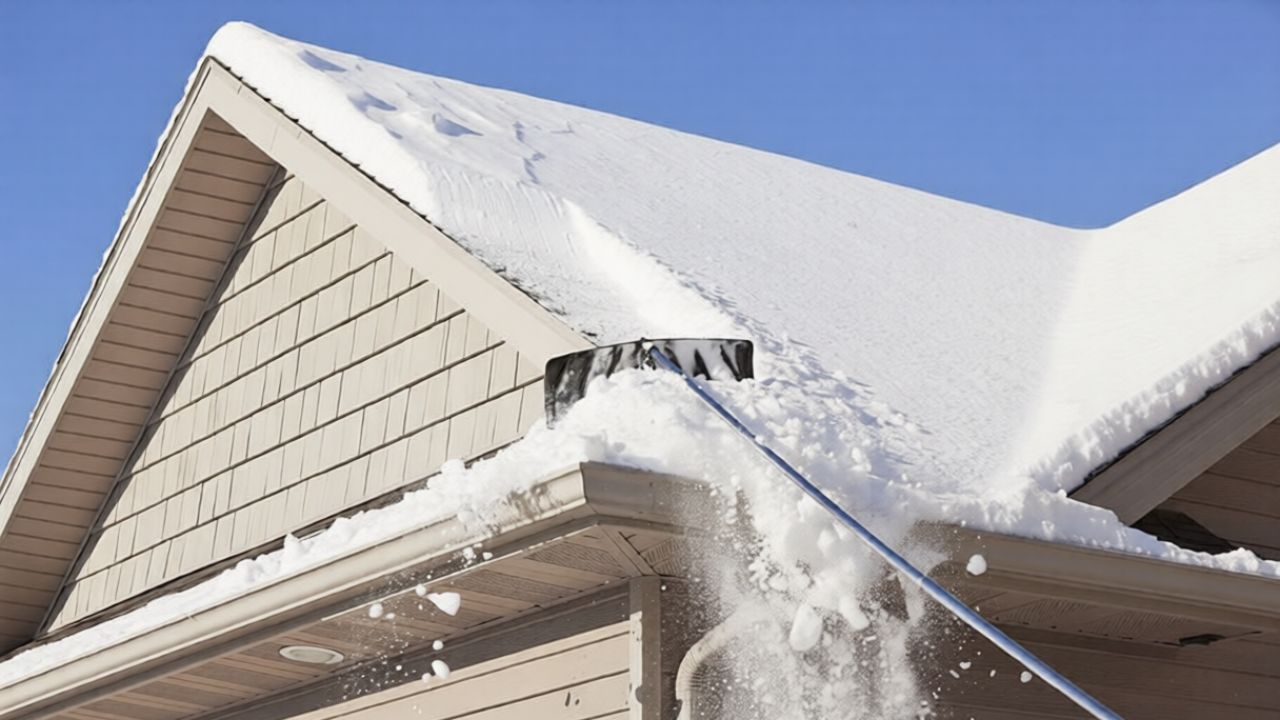
Your roof is the part of your home that takes the most direct beating from the sky. It absorbs intense solar energy all day, then faces rain, hail, snow, and high winds that test every shingle, seam, and fastener. Roofing specialists point out that no other surface gets as much direct sun and rain as the roof, and that it receives more punishment from the elements than any other part of your home. In sunny climates, the roof can absorb an incredible amount of radiant energy, since it sits in more direct sunlight than any other exterior surface, which accelerates aging and heat transfer into your living space.
Seasonal swings make that exposure even tougher. In summer, thermal expansion and contraction cause roofing materials to expand during the day and contract at night, which can open up gaps, crack shingles, and weaken flashing if you do not address it. In places with wide day–night temperature swings, those cycles can lead to thermal cracking, especially on asphalt shingles, as they repeatedly expand and contract. Roof edges and corners are also where wind hits hardest, so lifted shingles and loosened flashing often start there rather than in the middle of the roof. When you treat the roof as a static, one-time investment instead of a working shield that needs inspection after hot spells and storms, you leave your most exposed surface vulnerable to leaks and structural damage.
Gutters and rainwater systems: small hardware, big consequences
Gutters and downspouts look like minor trim, but they control where thousands of litres of water go during a storm. When they clog, sag, or are undersized for today’s rainfall, you end up with water spilling over the edges, soaking exterior walls, and pooling at the foundation. In some cities, inspectors are seeing gutter overflow as a frequent contributor to water damage, with backed up systems sending water behind fascia boards and down exterior walls until it finds a way inside. Older homes often have gutters that were sized for the rainfall patterns of another era, and those systems can be too small for the changes in storm intensity.
Experts on building maintenance describe failures in roofing and rainwater systems as some of the most common causes of internal leaks, since a single blockage or joint failure can send water into ceilings and wall cavities. In Western Canada, building professionals have warned that heavier rainfall can overwhelm standard gutters, which affects drainage at both the roof and the ground around foundations. At the same time, gutter specialists note that inadequate drainage capacity becomes obvious as older systems struggle to handle normal rainfall volumes, especially after roof additions increase the catchment area. Treating gutters as invisible hardware that never needs upgrading increases your risk of mold, rot, and foundation problems that start with what looks like a simple overflow.
Foundations and soil: where moisture swings become structural
What happens in the soil around your house is just as important as what falls on the roof. As weather patterns shift, you are more likely to see cycles of heavy rain followed by drought, and that combination is especially hard on foundations. In Texas, for example, heavy rains can saturate the ground and make the soil swell, while droughts dry it out and cause it to shrink. Both scenarios put stress on the structure and can lead to cracks, settlement, and other foundation issues that show up as sticking doors or sloping floors.
Clay-rich soils make this problem more severe. Properties built on clay are particularly susceptible to subsidence because clay expands and contracts significantly depending on moisture levels, and that movement can distort walls and floors. Technical assessments of soil subsidence in Europe explain that when fluctuations in soil moisture become too pronounced, vertical land shifts can severely damage buildings as the ground shrinks and swells. Guidance for homeowners in the United Kingdom warns that when prolonged heat and low rainfall dry out the soil, the ground beneath a property can shrink or shift enough to compromise a building’s structural stability. If you ignore those moisture swings around your foundation, you risk turning a landscaping issue into a structural repair.
Windows, doors, and weatherstripping: the leaky edges of your envelope
Every opening in your exterior walls is a potential weak spot, and windows and doors are essentially holes in the building envelope that only perform well when they are sealed all the way around. Over time, caulk and weatherstripping dry out, crack, or pull away from frames, especially as temperatures swing between hot and cold. Home repair specialists urge you to take each change of season as a reminder to inspect your home’s defenses, including the weatherstripping and caulk around all the doors and windows of your house, before drafts and leaks become obvious. Once those seals fail, you lose conditioned air, invite moisture into wall cavities, and put more load on your heating and cooling system.
The quality of the windows themselves also shapes how your home responds to changing weather. As the weather changes, it can be a good time to consider modern window upgrades that improve both appearance and performance, especially in rooms that overheat in summer or feel cold in winter. Insurers advise you to test windows and doors for drafts and to replace failing sealant, caulking, and weatherstripping, since these gaps can cause significant heat loss and higher energy bills. Rain specialists warn that door and window frames with gaps and cracks are prime spots for water intrusion, which can lead to mold, rot, or warped frames if you ignore them. When you treat those edges as decorative trim instead of active barriers that need maintenance, you leave some of your most vulnerable surfaces unprotected.
Exterior walls and siding: UV, wind, and water on vertical surfaces
Your exterior walls are constantly exposed to moisture, sunlight, UV rays, and humidity, which makes them highly susceptible to water damage and mold growth if the protective layers are compromised. Without a proper weather-resistive barrier or house wrap behind the cladding, inspectors warn that a house will be prone to moisture intrusion, especially around windows and doors where joints are more complex. Even when the broad panels of your siding are intact, the joints where siding meets window frames, door casings, or trim are frequent leak points that often need a fresh bead of sealant to bridge the gap.
UV radiation is another quiet threat to your walls. UV rays can damage any part of the house they reach for long periods, so the exterior is vulnerable to both color fading and material breakdown. According to research on photodegradation, sunlight breaks down chemical bonds in pigments and materials, which leads to fading, chalking, and loss of protective qualities, although not all siding materials resist UV in the same way. In Minnesota, siding contractors see excessive sun exposure cause vinyl to fade, warp, and become brittle over time, while UV rays in desert climates can degrade paint pigments and shorten the lifespan of protective coatings. If you do not keep up with repainting, re-caulking, and checking for warped or cracked boards, you allow water to get behind the siding where it can do the most damage.
Roofs, sealants, and HVAC: how heat and cold stress mechanical systems
Heat does not just make your roof uncomfortable to walk on; it changes how materials behave. Roofing experts explain that when you think of severe weather, heat might not be the first thing that comes to mind, yet extreme heat can cause materials to expand, dry out, and become brittle due to sun and UV rays. In Texas, guidance for homeowners in the Lone Star State notes that extreme heat and sun damage can cause shingles to warp, crack, and lose granules, which shortens roof life and increases the risk of leaks. At the same time, summer heat dries out caulk around vents, chimneys, and other transitions, which creates gaps where water can get in during storms.
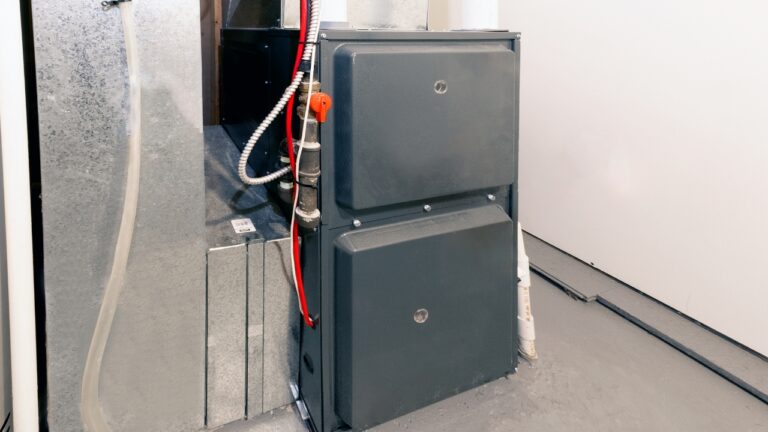
Those temperature swings also affect your mechanical systems. Modern heating, ventilation, air conditioning, and refrigeration setups can be very complex, with heating elements, humidifiers, and filters that control temperature and humidity precisely in the areas they serve. As outdoor conditions become more extreme, your HVACR system has to work harder and longer to keep indoor conditions stable, which exposes any weak points in duct sealing, condensate drainage, or insulation. Home performance experts warn that extreme temperature shifts and moisture can break down caulking around windows, doors, and siding, which increases air leakage and forces your system to run even more. If you do not maintain both the roof and the mechanical equipment that manages indoor climate, you risk higher energy use, uncomfortable rooms, and moisture problems that start with a worn-out seal or filter.
Interior clues: how small defects reveal bigger weather stress
You rarely see weather damage start on the surface where it becomes obvious. Instead, you notice interior clues that something outside is no longer coping with the conditions. Home inspectors list flaws in a home’s exterior, including windows, doors, and wall surfaces, as major causes of water and air penetration, and they point out that failed caulking and weather-stripping are among the most common culprits. In Chicago, foundation specialists describe how horizontal or stair-step cracks in foundation walls, uneven or sloping floors, water intrusion in basements, and gaps around doors and windows can all signal that soil movement and moisture changes are affecting your home’s structure.
Planning your inspections: turning weak spots into a maintenance routine
Like Fix It Homestead’s content? Be sure to follow us.
Here’s more from us:
- I made Joanna Gaines’s Friendsgiving casserole and here is what I would keep
- Pump Shotguns That Jam the Moment You Actually Need Them
- The First 5 Things Guests Notice About Your Living Room at Christmas
- What Caliber Works Best for Groundhogs, Armadillos, and Other Digging Pests?
- Rifles worth keeping by the back door on any rural property
*This article was developed with AI-powered tools and has been carefully reviewed by our editors.