The permit question that comes up the moment you move a switch
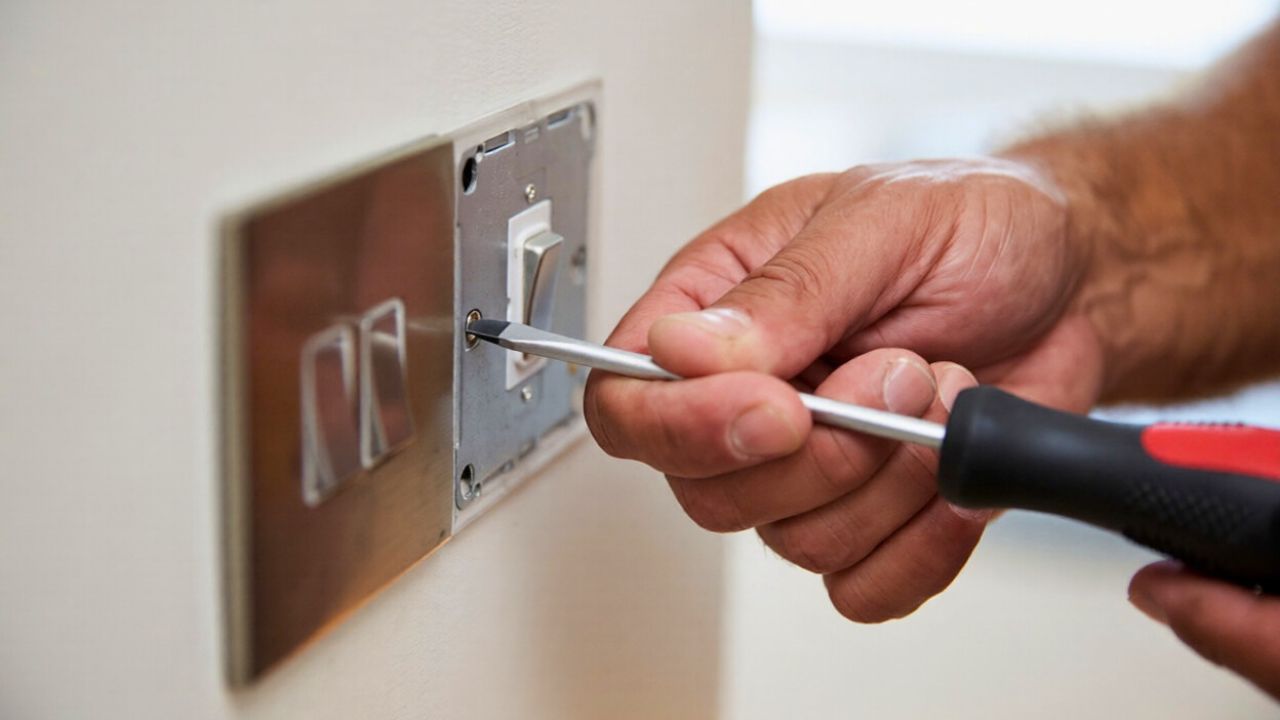
The moment you reach for a screwdriver to move a light switch, you are not just changing how a room feels. You are stepping into a tightly regulated world of electrical safety rules, permits, and inspections that exist to keep homes from catching fire and utility workers from getting hurt. The permit question arrives faster than the power can be shut off, and how you answer it determines whether your project is safe, legal, and insurable.
Understanding when you can simply swap a device and when you must involve your local building department is not intuitive, especially when advice from neighbors, online forums, and contractors conflicts. If you learn how permit rules are structured, what counts as “minor work,” and how new code changes are reshaping even basic switch locations, you can plan projects with confidence instead of guessing after the wall is already open.
Why moving a switch is not as simple as it looks
Relocating a switch feels minor because the device itself is small, but the work behind it often changes the wiring layout, box fill, and even how a circuit is protected. When you move a switch more than a few inches, you may need to extend conductors, add a junction box, or reroute cables through new framing, which can trigger the same safety concerns as larger electrical upgrades. That is why many jurisdictions treat a relocated switch as an alteration to the electrical system rather than a cosmetic tweak, and they expect you to follow the same permitting rules that apply to other alterations.
Permit rules are written to protect you from hidden hazards like overloaded conductors, improper grounding, and damaged insulation that can start fires or energize metal parts. Guidance on Electrical Permit Requirements explains that the rules vary depending on the location, but most authorities focus on whether the work could create unsafe conditions or potentially harm utility workers. Moving a switch can change how a circuit behaves during a fault, which is why inspectors want to see that boxes remain accessible, splices are contained, and the new layout still matches code.
How local rules decide if your project needs a permit
Whether you need a permit to move a switch depends first on how your city or county defines “new construction,” “alteration,” and “repair.” Many building departments use broad language that captures almost any change to permanent wiring, even if the device at the end of that wiring is familiar. One municipal Growth FAQ for Building states that a permit is required for any new construction, addition, alteration, or repair within the jurisdiction, and it lists electrical, mechanical, and replacement of gas appliances as covered work. If your switch move changes the wiring path or box location, it usually falls under “alteration,” not just repair.
Counties that publish detailed electrical guides often spell out which projects trigger a building permit and which can be handled informally. In Lee County, for example, the Electrical Application and Permitting Guide is intended to help you submit the required application and documents to receive a building permit, and it walks through how different types of electrical work are categorized. When you read your own jurisdiction’s equivalent, you will usually find that adding new wiring, moving outlets or switches to new locations, or installing new circuits is treated differently from simply replacing a worn device in the same box.
Minor work, major consequences: what can be done without a permit
Most building departments recognize that requiring a permit for every loose switch screw would grind home maintenance to a halt, so they carve out exceptions for minor work. These carve outs typically cover like for like replacements where you do not alter the wiring method, circuit size, or box location. A Permits guide for DIY home projects in Texas notes that permits are generally never required when performing minor work or repairs, such as replacing an outlet, switch, or light fixture, but that almost all other types of electrical work do require formal approval.
Consumer oriented overviews echo that pattern, distinguishing between simple device swaps and anything that touches the broader system. One Quick Overview explains that you can often replace a switch or fixture without a permit, but that new wiring, sub panels, or backup generators are in a different category. The moment you move a switch to a new stud bay, add a second switch location, or run cable to a new box, you are no longer just repairing, you are modifying the system, and the minor work exemption usually disappears.
What online debates reveal about homeowner confusion
Homeowners rarely read code books before starting a project, so much of the real world guidance comes from conversations with contractors and strangers online. Those conversations can be helpful, but they also show how inconsistent advice can be when people rely on memory or local custom instead of written rules. In one Mar thread about permits needed for light switches, a homeowner describes a contractor who quoted roughly $2,000 to get the permits pulled, then casually offered to do the work without permits, prompting others to question whether that sounded reasonable or like a red flag.
That kind of exchange captures the tension you face when a project seems small but the paperwork and fees feel oversized. Some commenters argue that inspectors never check minor work, while others warn that unpermitted electrical changes can complicate insurance claims or future sales. The fact that the original poster had to seek clarity in a forum titled “Permits needed for Light switches?” shows how often the permit question surfaces the moment you move a switch, and how easily you can be pushed toward shortcuts if you do not know what your local code actually requires.
How professionals decide when to pull an electrical permit
Licensed electricians and contractors operate under a different set of pressures than homeowners, because their work is tied to their license and liability insurance. For them, the decision to pull a permit is not just about the size of the job, it is about whether the work counts as a new installation, upgrade, or major repair in the eyes of the law. A contractor focused guide on Electrical permits notes that these approvals are legal requirements designed to ensure that any new installation, upgrade, or major repair meets safety standards, and it highlights that rewiring or adding circuits, panel changes, and EV charger installations are classic permit jobs.
Service companies that work directly with homeowners often publish checklists to help you understand when they will insist on a permit before touching your system. One explanation of When Do You a Permit for Electrical Repairs stresses that requirements vary based on location and the scope of your project, then lists examples like panel upgrades, whole home rewiring, and installing an electric vehicle charging station as work that almost always needs a permit. When you ask a reputable electrician to move a switch that involves opening walls or extending circuits, you should expect them to treat it as an alteration that belongs in the permit column, not as a casual favor.
State and county examples: from Florida to Texas
Looking at specific states shows how the same basic principles play out under different regulatory cultures. In Florida, a detailed Feb overview of electrical codes explains that a permit for electrical wiring is required to ensure that installations are safe and reduce the risk of electric shock and other hazards, and it notes that any time you build a new home in the state you need an Electrical Permit for New Construction. That same framework applies when you alter existing wiring, which means moving switches in a remodel is treated as part of a regulated system, not a casual weekend project.
Texas, by contrast, often gives homeowners more leeway for small jobs, but still draws a clear line once you move beyond simple replacements. The Texas focused understanding guide notes that permits are generally never required when performing minor work or repairs, such as replacing an outlet, switch, or light fixture, but that almost all other types of electrical work do require permits. If you are in a Texas city that has adopted its own amendments, you may find that moving a switch into a new box crosses that line, even if swapping the same switch in place would not.
What the National Electrical Code is changing about switches
Even if your local rules have not changed in years, the technical standards behind them are evolving, and that affects how inspectors view something as basic as a wall switch. Updates to the National Electrical Code are reshaping how switches are classified, where they can be installed, and what safety devices must protect them. A recent industry summary of upcoming NEC revisions notes that Snap Switches Are, that Medium-Voltage Work Gets Its Own Playbook, and that Low-Voltage and Limited-Energy Systems Get a Major Overhaul, all of which affect the stuff that electricians touch constantly.
For you, that means a switch relocation that might have been treated as routine a few code cycles ago could now involve new spacing rules, different box requirements, or updated arc fault and ground fault protection. When your jurisdiction adopts a new NEC edition, inspectors often become more attentive to how switches are wired and supported, especially in areas like bathrooms, garages, and exterior walls. If you move a switch without a permit and an inspector later sees it while checking another project, they will judge it against the current code, not the rules you assumed applied when you did the work.
Insurance, resale, and the hidden cost of skipping permits
The most immediate risk of skipping a permit is safety, but the long tail risk shows up when you try to sell your home or file an insurance claim. Buyers and their inspectors are increasingly savvy about unpermitted work, and they often ask for documentation when they see fresh drywall patches, new switches, or upgraded fixtures. If you cannot show that a switch relocation was inspected, you may be asked to open walls or provide letters from licensed electricians, which can cost more than the original permit would have.
Insurers also care whether electrical work was done under permit, because it signals that a neutral third party checked for obvious hazards. Some consumer guides on what can be done without a permit emphasize that replacing light fixtures and fans is usually safe territory, but that more extensive work should be documented. One service company explains that Replacing Light Fixtures out an old light fixture or ceiling fan is typically considered minor work and that you usually do not need a permit for this job. That distinction matters when an adjuster is deciding whether a fire was linked to a simple replacement or to a more complex, undocumented alteration.
How to answer the permit question before you touch the wiring
By the time you are holding a loose switch in one hand and a bundle of wires in the other, it is too late to start researching whether you needed a permit. The smarter move is to treat the permit question as part of your planning, the same way you would measure a cabinet or check a stud layout before drilling. Start by asking yourself whether you are simply replacing a device in the same box or changing the wiring path, box location, or circuit configuration. If the answer is anything beyond a straight swap, assume you are in permit territory until your local building department tells you otherwise.
Like Fix It Homestead’s content? Be sure to follow us.
Here’s more from us:
- I made Joanna Gaines’s Friendsgiving casserole and here is what I would keep
- Pump Shotguns That Jam the Moment You Actually Need Them
- The First 5 Things Guests Notice About Your Living Room at Christmas
- What Caliber Works Best for Groundhogs, Armadillos, and Other Digging Pests?
- Rifles worth keeping by the back door on any rural property
*This article was developed with AI-powered tools and has been carefully reviewed by our editors.