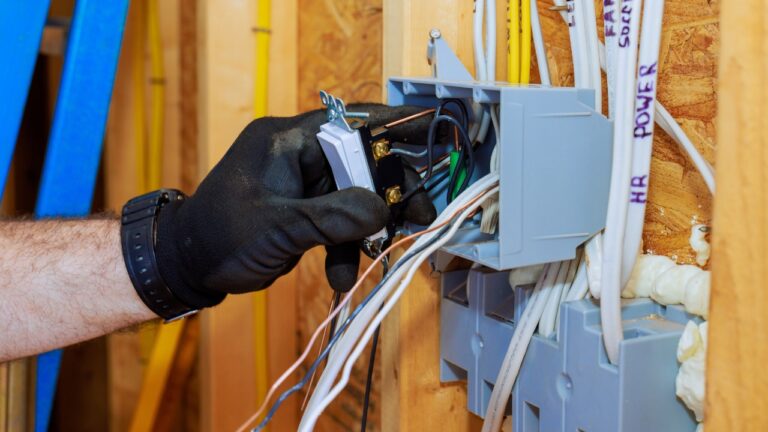
The permit you didn’t pull that buyers can still find later
Buyers today have more tools than ever to uncover the history of your house, and that includes the permit you never pulled for a remodel or addition. What feels like a harmless shortcut when you are upgrading a kitchen or finishing a basement can resurface years later as a financing problem, an insurance headache, or a deal‑killing surprise during escrow. If you plan to sell, you need to assume that unpermitted work will be found, and prepare accordingly.
The good news is that you are not powerless. Once you understand how unpermitted projects show up in records, inspections, and negotiations, you can decide whether to fix the issue, disclose it, or price around it. The key is treating that missing permit as a known risk, not a buried secret.
How unpermitted work follows you into the sale
When you skip permits, you are not just avoiding paperwork, you are creating a permanent mismatch between what exists on your property and what your city or county believes is there. Local rules often require permits for structural changes, electrical upgrades, plumbing relocations, and even “small” projects like decks or window replacements, so a surprising amount of work can fall into the unpermitted category. Guidance on risks of unpermitted work notes that even modest improvements, such as building a deck or installing a fence, may require approval depending on your jurisdiction.
That gap between reality and the official file is exactly what buyers, lenders, and insurers probe once your home hits the market. A buyer’s agent will compare your listing details to public records, and if your square footage, bedroom count, or finished basement does not match the assessor’s data, they will start asking questions. Professional advice on making upgrades that increase home value stresses that while improvements can attract buyers, unpermitted work can leave you responsible for code issues even after the sale, which is why those discrepancies matter so much at closing.
How buyers and inspectors uncover the permit you skipped
Even if you never mention that DIY bathroom or garage conversion, the paper trail and the physical clues tend to give it away. Buyers who are unsure what was done before they purchased are often advised to review the home’s original blueprints and then compare them with current layouts, and to visit the local building department to look at their records for any missing permits. When the plans show a two‑bedroom ranch but the listing boasts a third bedroom carved out of the garage, the absence of a corresponding permit becomes obvious.
On the ground, inspectors are trained to spot work that does not line up with the age or documented condition of the house. Guidance on how inspectors spot unpermitted work explains that while they do not check permit files directly, they look for telltale signs like newer wiring in only part of a home, fresh plumbing lines that do not match the rest of the system, or finishes that conceal structural changes. Buyers are also urged to hire a professional home inspector because they are trained to identify unpermitted work and can flag areas where permits are likely missing.
The financial and legal fallout when unpermitted work surfaces
Once unpermitted work is discovered, the consequences can be far more expensive than the permit fees you saved. Local building departments can levy fines, require you to open up finished walls, or even order you to remove additions that do not meet code. Consumer guidance on what is the penalty for building your home project without a permit notes that building without a permit could lead to costly penalties, forced demolition, and difficulty proving that contractors pulled permits before starting, all of which can land squarely on you when you try to sell.
There is also the risk that a buyer walks away or demands a steep discount once the issue comes to light. Advice on what happens if you remodel a home without a permit warns that buyers could back out of a contract to purchase your home if unpermitted work is uncovered, and that you could face steep penalties for not following the letter of the law. Other guidance on real cost of skipping permits during a home remodel underscores that without proper permits you risk fines from local authorities and trouble when you eventually sell, which can easily wipe out any savings from bypassing the process.
Why lenders and insurers care about that missing permit
Even if a buyer is comfortable with your unpermitted sunroom or basement, their lender and insurer may not be. Mortgage underwriters want assurance that the collateral backing the loan meets local standards, and they can balk when an appraiser or inspector flags work that lacks documentation. Guidance on what happens if an inspector finds unpermitted work notes that if an inspector reports serious unpermitted renovations, a lender may refuse to finance the property or require that issues be resolved before closing.
Insurance companies take a similar view, because they price risk based on what is legally and safely built. Analysis of homeowners insurance warns that unpermitted work can create significant problems, since insurers base coverage and premiums on accurate information about a home’s construction, and undisclosed additions can translate directly to increased premiums or denied claims. On the lending side, guidance on conventional loans explains that while these loans offer slightly more flexibility than government‑backed options, lenders still reserve the right to require permit documentation or to condition approval on repairs, which can delay or derail your closing.
How buyers protect themselves when your permits are missing
From the buyer’s side of the table, unpermitted work is a red flag that calls for extra due diligence and negotiation. Buyers are often advised to ask the seller to obtain retroactive permits so that the work can be inspected and brought up to code before they take ownership. Guidance on how to handle these situations notes that ask the seller to get retroactive permits is one of the primary ways to protect a buyer, and that if the seller refuses, the buyer can renegotiate the price or walk away.
Even when buyers are willing to accept some risk, they rarely do so blindly. Advice on building codes and permit requirements stresses that rules vary by city or town, and that what requires a permit in one place may not in another, but that bringing unpermitted work up to code can cost hundreds of dollars or more. Buyers who understand that cost structure will often demand a price reduction that reflects the risk and potential remediation, which means your missing permit becomes a direct hit to your net proceeds.
Retroactive permits and remediation: your options as a seller
If you discover unpermitted work before listing, you still have choices. One path is to pursue retroactive approval, which typically involves opening up portions of the work so inspectors can verify that it meets current standards. Guidance for sellers outlines that option 1: obtain retroactive permits before listing the property, which can mean scheduling inspections, paying fees, and potentially upgrading the work to bring it up to code.
To navigate that process, you are often encouraged to bring in professionals who understand local rules. Advice on hire a pro for a permit review recommends visiting your city’s building department to obtain records, then working with an inspector or contractor who knows how to remediate unpermitted work and can discuss options with you. In some cases, you may decide that full legalization is not worth the cost, and instead adjust your price and disclosures to reflect the reality that the buyer will inherit the issue.
Disclosure, pricing, and selling strategy when permits are missing
Once you know unpermitted work exists, hiding it is rarely a smart move. Many jurisdictions require you to disclose known defects or code issues, and buyers who later discover undisclosed work can pursue legal claims. Guidance framed as a comprehensive guide to unpermitted work explains that unpermitted projects, which are improvements completed without the necessary approvals, carry risks tied to local building codes and regulations, and that failing to address or disclose them can expose you to fines and liability.
At the same time, you can still sell, provided you set expectations correctly. Advice on can you sell a house with unpermitted work is clear that yes, you can sell a house with unpermitted work, since there is no law saying a home with such issues cannot be sold, but the responsibility for resolving code problems will be entirely on you unless you negotiate otherwise. Other guidance on how to sell a house with unpermitted work notes that when unpermitted work is discovered, property owners face the challenge of selling a house that may be non‑compliant with local regulations, which often means adjusting your price, targeting cash buyers, or offering credits for future remediation.
Emotional stress and safety risks behind the paperwork
The permit you did not pull is not just a bureaucratic problem, it can also carry emotional and safety consequences for whoever lives in the home next. Stories about the emotional and financial impact of unpermitted work describe how owners who discover that renovations were done without approval often feel betrayed and anxious, especially when they learn that hidden electrical or structural issues may not be up to code. That stress can intensify during a sale, when buyers worry about inheriting unknown hazards and sellers fear deals collapsing over problems they did not create.
Safety concerns are not hypothetical. In a discussion on the hidden dangers of unpermitted additions, hosts Todd and Wana walk through scenarios where additions built without oversight compromise fire exits, overload electrical panels, or use undersized beams that cannot safely carry loads. Those are the kinds of defects that building codes are designed to prevent, and they are why experts on understanding unpermitted work emphasize that these projects, by definition, bypass the inspections meant to catch dangerous shortcuts.
How to avoid repeating the same mistake in your next project
If you are planning another remodel, the easiest way to keep future buyers from unearthing a missing permit is to handle the process correctly now. That starts with recognizing that even if your neighbor finished a basement without paperwork, your city may require permits for similar work. Guidance on building codes and permit requirements underscores that rules vary with every city or town, and that failing to follow them can lead to costs in the hundreds of dollars or more when you eventually have to bring work into compliance.
Before you hire a contractor or start demolition, check with your building department and insist that any professionals you use pull the necessary permits in their own names. Consumer advice on having a home with unpermitted work warns that such projects can result in fines and penalties if discovered, and that disclosing unpermitted repairs is often required. Other guidance on key considerations and advice for selling a home with unpermitted work stresses that for sellers, disclosing unpermitted work builds trust, while buyers should verify that constructions meet the necessary standards. If you treat permits as part of the project budget from the start, you spare yourself and your future buyer from having to untangle the same problem years down the line.
Supporting sources: How to Sell a House With Unpermitted Work in Colorado.
Like Fix It Homestead’s content? Be sure to follow us.
Here’s more from us:
- I made Joanna Gaines’s Friendsgiving casserole and here is what I would keep
- Pump Shotguns That Jam the Moment You Actually Need Them
- The First 5 Things Guests Notice About Your Living Room at Christmas
- What Caliber Works Best for Groundhogs, Armadillos, and Other Digging Pests?
- Rifles worth keeping by the back door on any rural property
*This article was developed with AI-powered tools and has been carefully reviewed by our editors.