The “private resort” home trend is accelerating, and it’s changing what buyers expect from normal houses
Across the luxury market, you are watching a quiet shift with loud consequences: homes are being planned and sold as if they were boutique resorts, and that mindset is starting to reset expectations for everyday buyers. Instead of treating travel as an escape from daily life, owners want their primary residence to deliver the same privacy, indulgence, and ease they once associated with five‑star hotels. As those “private resort” features filter down from the ultrawealthy to aspirational move‑up buyers, they are beginning to redefine what counts as a normal house.
The rise of the “private resort” mindset
You can see the resort mentality most clearly in how luxury homes are framed less as properties and more as complete lifestyle packages. High‑end agents describe a shift away from simple square footage toward curated experiences that fold in spa rituals, fitness, entertainment, and hospitality under one roof, a pattern that recent Luxury Real Estate Trends identify as a “more personal kind of luxury.” You are no longer just buying a kitchen and a primary suite, you are buying a daily routine that feels like checking into a favorite retreat, complete with spaces for recovery, socializing, and quiet seclusion.
This mindset is reinforced by how designers talk about Luxury Home Design Trends for the next wave of high‑end builds. They emphasize that Luxury is now about a lifestyle and a vision, not just finishes, and that owners want homes to function as sanctuaries where they can unplug from public life. When you combine that with buyers’ growing insistence on quality, personalization, and long‑term livability, the result is a house that behaves more like a private resort than a traditional residence, even if it sits on a standard suburban lot.
Outdoor living elevated to full‑service retreat
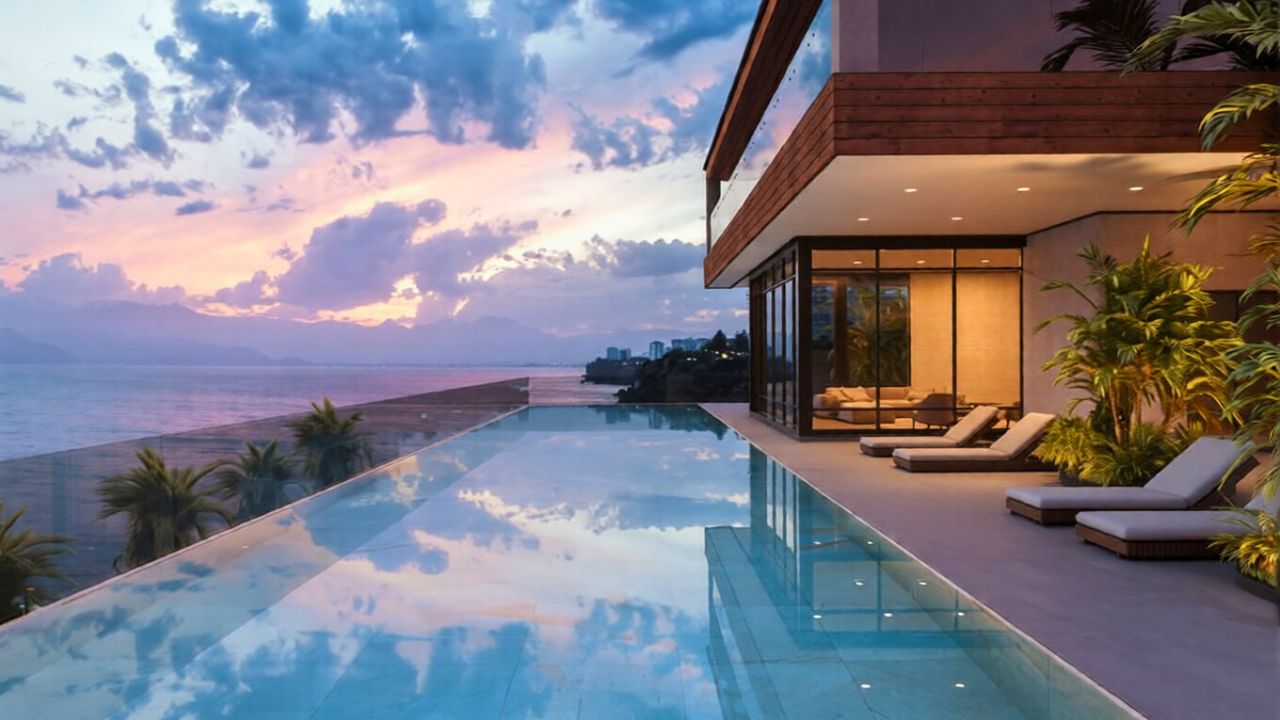
If you want to understand how resort expectations are reshaping design, start in the backyard. What used to be a simple deck or patio is being reimagined as a multi‑zone destination with pools, outdoor kitchens, fire features, and shaded lounges that stay comfortable from morning coffee to late‑night drinks. High‑end projects now treat exterior space as an extension of the interior floor plan, with Outdoor Living Elevated into a central design pillar that delivers a cozy yet sophisticated feel rather than an afterthought.
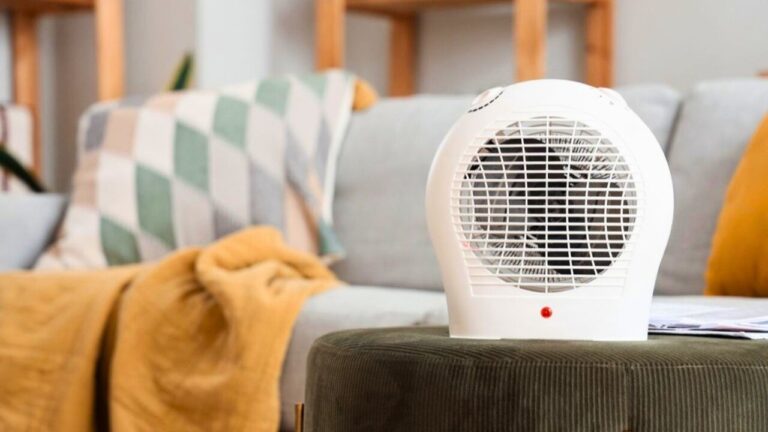
In climates that support it, you are seeing this taken even further into fully integrated indoor and outdoor rooms. In Hawaii, for example, architects lean into Seamless Indoor, Outdoor Living that uses large openings, energy‑efficient designs, and private decks for sunrise yoga to blur the line between house and landscape. Even if you are not on an island, the expectation that a “normal” home should offer some version of that resort‑style outdoor escape is spreading, from covered patios with heaters to plunge pools and lounge‑ready landscaping.
Wellness suites and spa rituals at home
Resort life has always sold you on the promise of feeling better by the time you check out, and that same wellness promise is now baked into what buyers expect from their own bathrooms and bonus rooms. Instead of a basic primary bath, you are more likely to see steam showers, soaking tubs, and dedicated spaces for stretching or meditation, all framed as part of a daily self‑care ritual. High‑end listings now highlight Custom Wellness Retreats at Home that include features like rain showers and heated floors, turning what used to be a utilitarian room into a spa suite.
This wellness focus is not treated as a fringe perk, it is increasingly described as a baseline expectation for affluent buyers. Analysts tracking What the next wave of Luxury purchasers want describe wellness as the new standard, not a splurge, and tie it directly to homes that provide both safety and serenity. When you internalize that logic, even a mid‑market renovation starts to look different, with pressure to carve out a sauna, cold plunge, or at least a spa‑like shower if you want your property to compete with the resort‑inspired norm.
Biophilic design and the “blue mind” effect
Resorts have long capitalized on the calming power of nature, and that same instinct is now shaping how you think about walls, windows, and materials. Designers talk about The Rise of Biophilic Design as one of the most impactful shifts in Luxury Home Design Trends for the coming years, with large expanses of glass, natural stone, and indoor greenery used to create a strong connection to the environment. One of the key ideas is that you should feel a sense of sanctuary the moment you step inside, as if you had arrived at a carefully landscaped retreat rather than a generic subdivision.
Waterfront properties take this even further by leaning into what some agents describe as Waterfront Real Estate and the Rise of the Blue Mind Lifestyle, where proximity to lakes, rivers, or oceans is marketed as a daily mental health advantage. At the same time, broader commentary on Luxury homes notes that biophilic elements, from living walls to organic textures, are now central to creating a true sanctuary even when you are not on the water. As those ideas filter into mainstream builder packages, you can expect more buyers to treat natural light, views, and greenery as non‑negotiable, not nice‑to‑have.
Privacy as the new status symbol
One of the clearest ways resort thinking is reshaping housing is in how you value privacy. For the ultrawealthy, recent reporting shows that the ultrawealthy are increasingly skipping luxury hotels in favor of private villas, private jets, and private islands that are not actually listed for rent, treating seclusion as the ultimate travel status symbol. That same instinct is now showing up in residential wish lists, where gated entries, long drives, and controlled access are framed as essential to feeling at ease at home.
Even in denser settings, you see privacy reframed as a core amenity rather than a side benefit. In South Beach, for example, marketing materials emphasize that Resort‑style amenities must be paired with seclusion, wellness, and natural surroundings for residents to truly feel at home. As that logic spreads, you can expect even modest developments to borrow the language of “private enclaves,” with more emphasis on sightlines, sound insulation, and controlled common spaces that mimic the discretion of a high‑end resort.
Purpose‑driven, warm minimalism instead of flashy excess
Resort‑inspired living does not automatically mean more glitz; in fact, the trend is moving in the opposite direction. Analysts tracking Luxury Real Estate argue that it Is About Purpose, Not Just Price, with Buyers moving away from excess for excess’s sake and toward homes that support how they actually live. That means layouts and amenities are judged by how well they serve daily routines, from work to wellness, rather than how impressive they look in a listing photo.
Visually, this shift shows up in a softer, more livable version of minimalism. Commentators on Refined Simplicity describe Warm Minimalism with layered textures, muted palettes, and carefully edited decor that avoids the stark white boxes of the past. At the same time, they stress that personalization is also key, with home offices and lounges tailored for productivity and aesthetics. When you combine that with The New Meaning of Luxury that prizes asymmetry and dynamic, interesting spaces, you end up with homes that feel quietly elevated rather than ostentatious, much like the best boutique resorts.
Tech, sustainability, and the “smarter, simpler” promise
Behind the scenes, the resortification of housing is also a story about technology and sustainability being woven into comfort. Buyers are gravitating toward homes that feel intuitive to run, with lighting, climate, and security systems that fade into the background while keeping you safe and comfortable. Analysts describing What Homebuyers Want frame this as Smarter, Simpler Modern Living, where floor plans and features are designed to reduce friction rather than add complexity.
At the top of the market, that expectation is even more explicit. Commentators on Quality Reigns note that Luxury buyers are increasingly discerning and unwilling to compromise on their wish lists, which now include smart homes with bells and whistles as the norm. At the same time, the next phase of Luxury is described as smart, sustainable, and secure, with sustainability now meaning longevity and homes that help you live better. That combination of invisible tech and durable, efficient systems is exactly what you expect from a well‑run resort, and it is quickly becoming table stakes in new residential construction.
How resort expectations are reshaping “normal” floor plans
As these luxury patterns solidify, they are already trickling down into the way mainstream builders draw their plans. You are seeing more emphasis on flexible great rooms that can host a crowd, secondary suites that feel like hotel rooms for guests or multigenerational family, and walkout basements that open directly to outdoor entertaining areas. Plan catalogs that track Trends, Features, Floor Plans Leading the Way highlight designs like Plan 10833 – Kelowna, which uses a walkout lower level to create a seamless connection between indoor recreation and backyard amenities.
At the same time, the expectation that a home should feel like a curated retreat is influencing how you think about circulation and zoning. Long, dramatic approaches that once belonged only to estates are now aspirational even on smaller parcels, as in the Masterpiece along Conundrum Creek, where you traverse a secluded driveway through serene woods before arriving at the residence. While most buyers will not replicate that exact experience, they are increasingly drawn to layouts that create a sense of arrival, tuck private spaces away from public ones, and carve out quiet corners for reading, yoga, or remote work. In effect, the resort playbook is being translated into square footage that feels more intentional at every price point.
What this means for your next move
For you as a buyer or owner, the acceleration of the “private resort” trend means you will be weighing homes against a higher bar for comfort, privacy, and experience. Even if you are not shopping in the top tier, you are likely to find yourself asking whether a property offers at least a hint of spa‑like wellness, outdoor escape, and biophilic calm, because those features are now embedded in the language of aspiration. Commentary on Signal a More Personal Kind of Luxury suggests that the most desirable homes will be the ones that feel elevated without trying too hard, which is as true for a compact urban condo as it is for a sprawling estate.
If you are planning upgrades rather than a move, the same logic applies. Investing in a few targeted features that echo resort living, such as a better‑designed outdoor area, a more serene primary bath, or a stronger connection to nature, can help your home feel current without chasing every passing fad. Designers who track Luxury Home Design Trends for the coming years consistently return to the same core idea: the most valuable homes are the ones that support how you actually live, day in and day out. If you treat your own space less like a static asset and more like a personal retreat, you will be aligning with where the market is already headed.
Like Fix It Homestead’s content? Be sure to follow us.
Here’s more from us:
- I made Joanna Gaines’s Friendsgiving casserole and here is what I would keep
- Pump Shotguns That Jam the Moment You Actually Need Them
- The First 5 Things Guests Notice About Your Living Room at Christmas
- What Caliber Works Best for Groundhogs, Armadillos, and Other Digging Pests?
- Rifles worth keeping by the back door on any rural property
*This article was developed with AI-powered tools and has been carefully reviewed by our editors.