The propane heater rule that matters even if you crack a window
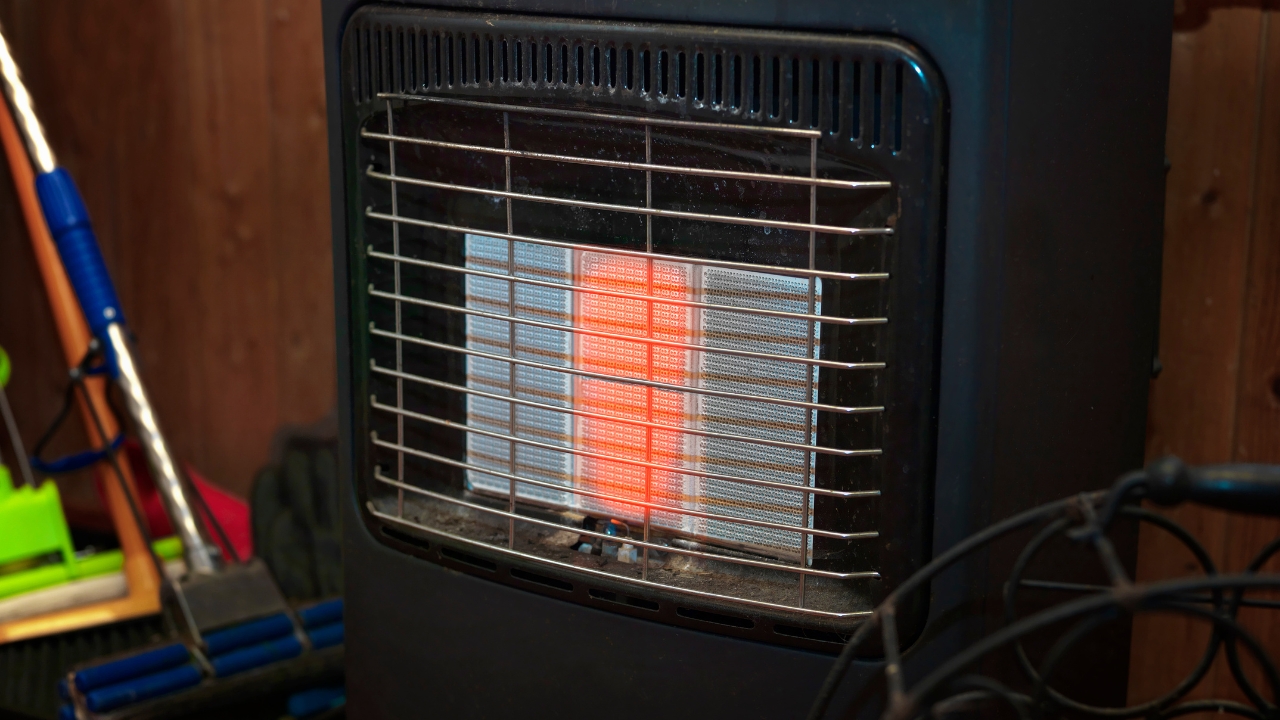
Propane space heaters promise quick comfort when temperatures drop, but the same flame that keeps you warm can quietly fill a room with dangerous gases. Cracking a window helps, yet it does not erase the core risk that every indoor user has to manage. The rule that matters most is simple: you must treat every propane heater as a combustion appliance that needs the right equipment, ventilation, and monitoring, even when you think you have “enough” fresh air.
Why propane heaters are different from other space heaters
When you fire up a propane heater, you are not just turning on a gadget, you are starting a small fuel-burning appliance in the middle of your living space. Unlike electric space heaters, which convert electricity directly into heat, propane models rely on open combustion that produces exhaust gases along with warmth. That exhaust can include carbon monoxide, water vapor, and nitrogen oxides, and if the heater is not designed for indoor use or is operated incorrectly, those byproducts can accumulate in the room instead of venting safely away.
Safety specialists stress that this is why you must distinguish between indoor-rated and outdoor-only units before you ever light the burner. Guidance on Using indoor and outdoor heaters makes it clear that you should Never bring an outdoor propane heater inside, because the exhaust is not managed for enclosed spaces and the risk of carbon monoxide poisoning rises sharply. All combustion devices consume oxygen from the room as they run, and if that oxygen is not replaced quickly enough, the flame can start burning less cleanly, which is exactly when carbon monoxide production tends to spike.
The real hazard: carbon monoxide and oxygen depletion
The central danger with propane heaters is not the visible flame, it is the invisible gases that can build up around you. Carbon monoxide binds to hemoglobin in your blood far more readily than oxygen does, which means even modest concentrations can starve your brain and heart of the oxygen they need. At the same time, the heater is literally burning the oxygen in the room, so as the air gets warmer, it can also become thinner in terms of usable oxygen, especially in small, tightly sealed spaces.
State safety officials warn that each heating season brings deaths from carbon monoxide poisoning linked to propane and kerosene space heaters, and they emphasize that All combustion heaters can also reduce the oxygen level in a room as they operate. That reminder appears in guidance on propane heater safety, which explains that space heaters can cause both carbon monoxide buildup and oxygen depletion if they are misused or placed in areas without enough fresh air. When you combine those two effects, you get a situation where you may feel drowsy or lightheaded without realizing that the air itself is becoming dangerous.
Why “crack a window” is not a complete safety plan
Many heater owners rely on a simple habit: open a window a few inches and assume the problem is solved. In reality, a cracked window is only one part of a broader safety strategy, and by itself it may not provide enough airflow to dilute carbon monoxide or replenish oxygen at the rate your heater is consuming it. The effectiveness of that small opening depends on wind, room layout, and how tightly the rest of the building is sealed, so you cannot assume that a single gap guarantees safe air quality.
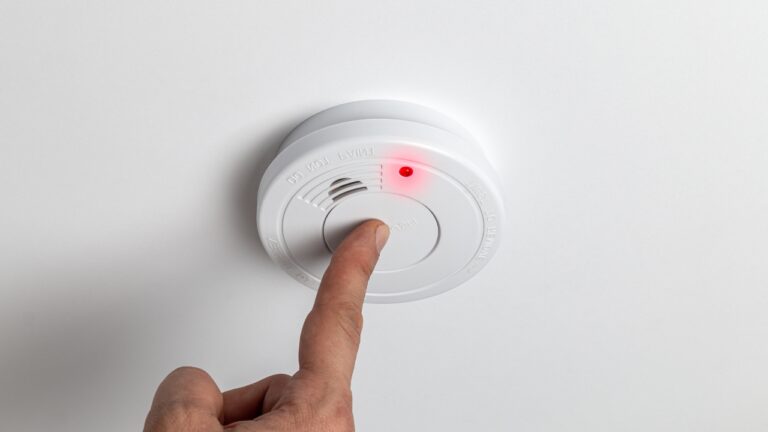
Experts who advise on indoor propane use do recommend that you Ensure Proper Ventilation and Crack a window or keep a door slightly open, but they pair that advice with other steps such as installing a carbon monoxide alarm and inspecting the heater for irregular flames before each use. That combined approach is laid out in guidance on indoor propane heater use, which also urges you to Install Carbon Monoxide Detectors near sleeping areas. The key rule is that ventilation, detection, and proper equipment all have to work together, because no single cracked window can compensate for a heater that is the wrong type, poorly maintained, or running in a confined space for long periods.
The rule that matters: only indoor-rated heaters, used as designed
The most important decision you make happens before you ever strike a match: choosing a heater that is actually built and certified for indoor use. Indoor-rated propane heaters are engineered to burn fuel more cleanly, limit carbon monoxide output, and often include automatic shutoff features that respond to low oxygen or tip-over events. Outdoor “torpedo” or construction heaters, by contrast, are designed for open or semi-open areas where exhaust can disperse freely, and using them in a garage, shed, or basement turns that exhaust into a trapped hazard.
In one widely shared Oct demonstration, a safety instructor walks through why a propane or torpedo heater that is meant for job sites should not be run inside a closed garage, even if the door is cracked. The video on Is it safe to run a propane / torpedo heater indoors??? underscores that these units can quickly overwhelm the limited ventilation in small structures, leading to dangerous carbon monoxide levels. That is why professional guidance on Using indoor and outdoor heaters repeats the instruction to Never use an outdoor propane heater indoors. If the label does not explicitly say the heater is approved for indoor or “vent-free” residential use, you should treat it as outdoor-only and keep it out of enclosed spaces.
How oxygen depletion sensors and CO detectors actually work
Many modern vent-free heaters advertise built-in safety features, and it is important to understand what those devices do and what they do not do. An Oxygen Depletion Sensor, often shortened to ODS, is designed to monitor the oxygen level in the air near the burner and shut off the gas supply if that level drops below a preset threshold. A Carbon Monoxide Detector, by contrast, measures the concentration of carbon monoxide in the room over time and sounds an alarm if it reaches levels that could harm you.
Technical guidance on Oxygen Depletion Sensor vs Carbon Monoxide Detector explains that Sep research into Sensor performance shows that these devices monitor different hazards and have different applications. An Oxygen Depletion Sensor is calibrated to shut down the heater when the oxygen percentage in the air falls to a specific point, while a Carbon Monoxide Detector tracks the gas that can accumulate even when oxygen levels still feel normal. Because CO detectors are relatively inexpensive and widely available, you are expected to install them in living spaces regardless of whether your heater has an ODS, since the two technologies complement rather than replace each other.
What the hardware on your heater is really doing
If you own a vent-free gas log set or wall heater, the safety hardware is not abstract, it is a physical assembly that controls the flame. For example, the RH Peterson Real-Fyre line uses a pilot assembly that includes a dedicated Oxygen Depletion Sensor to monitor the air around the burner. That component is wired so that if the oxygen level falls too low, the pilot shuts off and the main burner cannot continue to operate, cutting off the fuel supply before the room atmosphere becomes dangerously thin.
Product documentation for the RH Peterson Real-Fyre ODS-0002 notes that The Oxygen Depletion Sensor will shut down the gas flow when the oxygen level drops to 18.5 percent or lower, which is below normal room air but above the point where many people would recognize a problem. The listing also reminds buyers that this part is not returnable and advises anyone who is Unsure about compatibility to Contact the seller before ordering, underscoring how specific these assemblies are to each model. You can see those details in the description of The Oxygen Depletion Sensor, which illustrates how manufacturers bake safety logic directly into the gas train. Even with that hardware in place, you still need a separate Carbon Monoxide Detector on the wall, because the ODS is watching oxygen, not carbon monoxide itself.
The code backdrop: what “Unvented” heater rules require
Behind every certified indoor heater is a web of safety codes that dictate how it must behave when conditions turn unsafe. Building and fuel gas codes treat Unvented room heaters as a special category, because they discharge combustion products directly into the living space instead of sending them up a flue. To compensate, the rules require additional safeguards that are not optional add-ons but mandatory parts of the design.
One key requirement is that unvented room heaters be equipped with an oxygen-depletion-sensitive safety shutoff system that automatically stops the gas flow when the oxygen level in the room drops below a set point. Code language collected at oxygen-depletion safety system provisions states that Unvented heaters must have this system and that it must shut off the gas supply to the room heater when triggered. For you as a user, that means any indoor-rated vent-free heater you buy should already include this feature, and if it does not, you should question whether it is truly compliant for residential use. Even with that safeguard, codes still expect you to provide adequate ventilation and to follow the manufacturer’s instructions about room size and run time.
Ventless and “supplemental” really mean limited use
Manufacturers and contractors often describe ventless gas heaters as supplemental, and that word is more than marketing. These units are designed to take the edge off cold spots or to support a central system, not to serve as the sole heat source for an entire home around the clock. When you run a ventless heater continuously, you are asking it to manage combustion byproducts in a way it was never intended to handle, especially in newer, tighter homes where natural air leakage is minimal.
Guidance on Proper Use of ventless gas heaters notes that They can heat a room in just a few minutes, but they are not meant to be the primary heating system for an entire building. The same advice stresses the importance of following the manufacturer’s room-size limits, keeping the heater clear of furniture and curtains, and shutting it off when you leave the room or go to sleep. If you find yourself relying on a ventless propane heater as your main heat source, that is a signal to look at upgrading your central system or adding a vented appliance, rather than stretching a supplemental device beyond its safe operating envelope.
The checklist that actually keeps you safe
Once you understand how these heaters work, the rule that matters even when you crack a window becomes a practical checklist you can follow every time. Start by confirming that your unit is explicitly rated for indoor or vent-free use and that it is sized correctly for the room. Place it on a stable, nonflammable surface, keep at least three feet of clearance from anything that can burn, and never run it in a bedroom, bathroom, or tiny enclosed space unless the manufacturer specifically allows that use. Treat garages, sheds, and barns with special caution, since their limited ventilation can make them more dangerous than they look.
Safety educators like Murphy and Steel advise that if you must use a portable heater in a building, you should open doors or windows to provide cross-ventilation and be prepared to move animals or people to another facility if air quality becomes questionable. Their guidance on avoiding close calls with space heaters, which you can see in the reminder to open doors or windows, reinforces that ventilation is a continuous responsibility, not a one-time step. Insurance specialists who study What the Relationship Between Propane Heaters and Carbon Monoxide looks like also stress that you should install carbon monoxide alarms, keep heaters in the correct location with maximum ventilation, and never ignore symptoms like headache or nausea while a heater is running, as outlined in guidance on Relationship Between Propane Heaters and Carbon Monoxide. Finally, remember that even indoor-rated Propane heaters can produce carbon monoxide, and that advice is captured in the clear answer “Do Propane Heaters Produce Carbon Monoxide? Yes” in expert Propane heater FAQs. If you treat that “Yes” as your baseline assumption, you will respect the heater, rely on more than a cracked window, and give yourself the best chance of staying warm without putting your health at risk.
Like Fix It Homestead’s content? Be sure to follow us.
Here’s more from us:
- I made Joanna Gaines’s Friendsgiving casserole and here is what I would keep
- Pump Shotguns That Jam the Moment You Actually Need Them
- The First 5 Things Guests Notice About Your Living Room at Christmas
- What Caliber Works Best for Groundhogs, Armadillos, and Other Digging Pests?
- Rifles worth keeping by the back door on any rural property
*This article was developed with AI-powered tools and has been carefully reviewed by our editors.