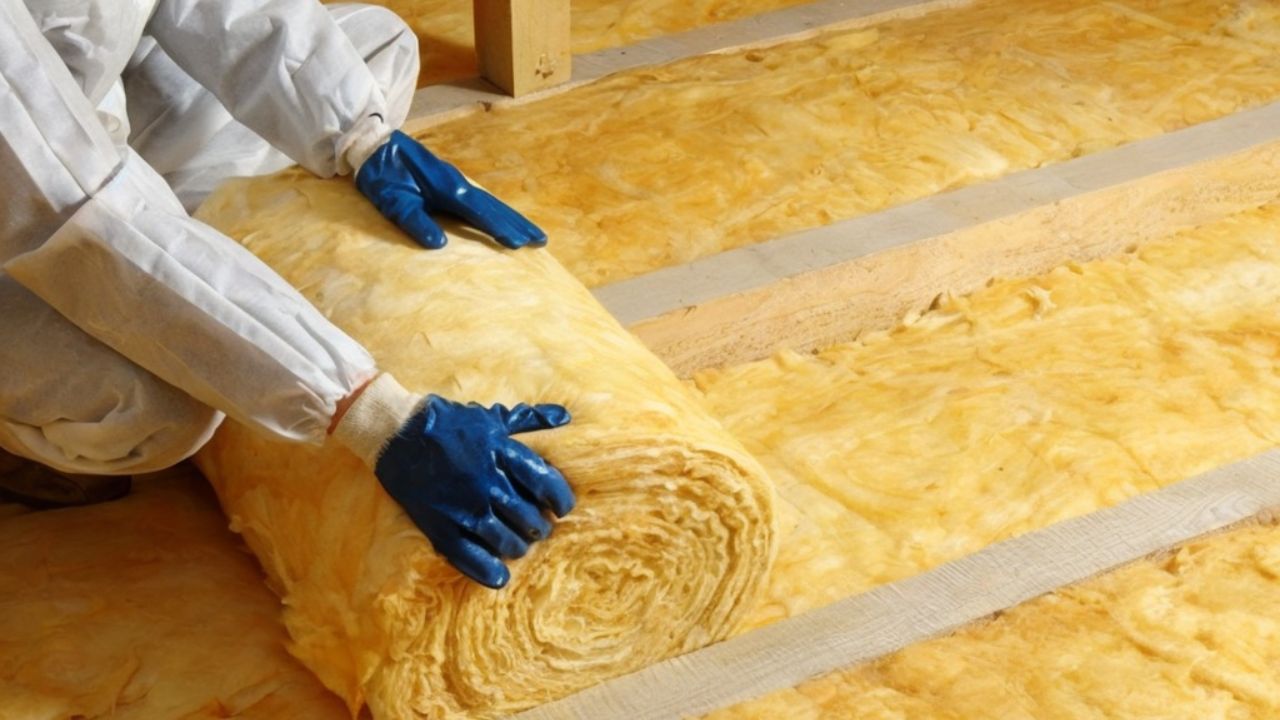
The quick test that tells you if your attic insulation is enough
Most people have no idea if their attic insulation is doing much or just… existing. You feel drafts, certain rooms run cold, and the heat bill climbs, but it’s hard to tell if the attic is the problem without ripping everything apart.
You actually can get a decent answer in a few minutes with a flashlight, a tape measure, and a little common sense. It won’t replace a full energy audit, but it will tell you if you’re “probably fine” or “yep, we should deal with this soon.”
Start with the simple “joist test”
If you only do one thing, do this:
Pop your attic access open, grab a flashlight, and look at the insulation on the attic floor. What you’re looking for is how it sits compared to the wood framing (the joists).
If you can clearly see the tops of the joists all over the place, that’s your first red flag. In most climates, a well-insulated attic has enough material that the joists are buried and you’re looking at a fairly even blanket instead of stripes of wood.
Seeing a little framing around the edges isn’t a crisis. Seeing neat rows of boards all the way across usually means you don’t have enough depth.
Measure a few spots instead of guessing
Next, grab a tape measure and check the depth. Don’t just eyeball it—insulation fluffs and settles in ways that can trick you.
Carefully:
- Pick 3–4 spots you can safely reach
- Gently push the end of the tape down until it hits the drywall or attic floor
- Note the depth of the insulation layer at each spot
You’ll probably see some variation, but big swings (8 inches in one spot, 3 inches in another) tell you the coverage is uneven. That patchiness can make certain rooms colder even if other parts are okay.
You don’t need the exact R-value math to see the pattern: more depth = better resistance to heat loss, and consistent coverage beats “good here, bare there.”
Use the comfort test you’re already feeling
You live in the house every day, so use that. If your attic insulation were truly doing its job, your main complaints wouldn’t be:
- One or two rooms always colder or hotter
- Noticeably colder ceilings in winter when you touch them
- The heat kicking on constantly in cold snaps even when the thermostat isn’t set that high
Those aren’t “old house” problems; they’re heat loss problems. If the visual attic check and your lived experience both say, “Yeah, this isn’t great,” they’re probably right.
Check for bare spots around the usual trouble areas
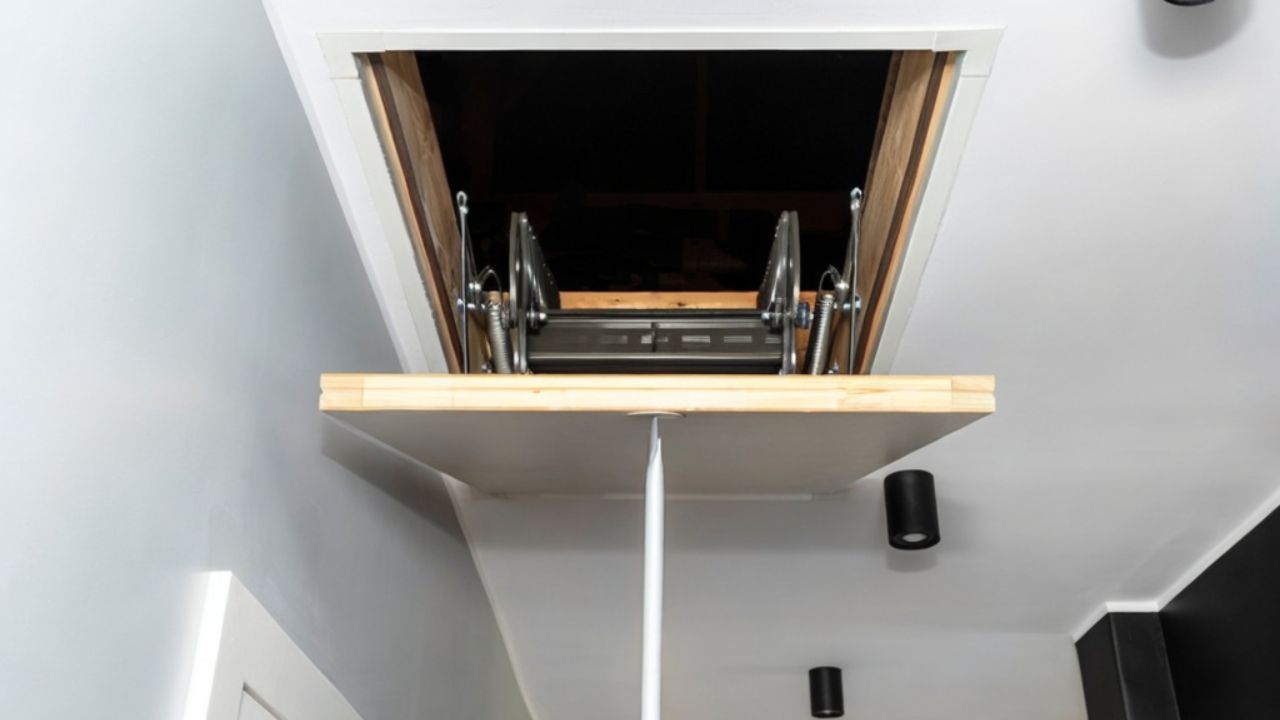
Even if the main field of insulation looks okay, there are a few spots that tend to get missed:
- Around attic hatches or pull-down stairs
- Near can lights or other ceiling fixtures
- At the outer edges where the roofline meets the exterior walls (called the eaves)
Look for thin spots, gaps, or areas where insulation has been pushed aside and never put back. Those little “bald patches” can leak a surprising amount of heat and make the whole system feel weaker.
If you see obvious gaps where you can literally see drywall or wood, that’s an easy “not enough” answer right there.
Use a quick temperature check on a cold day
On a truly cold day, you can do a low-tech check with your own hands.
Inside the house:
- Put your hand on interior walls and then on the ceiling under the attic
- Notice if the ceiling feels significantly colder than the walls
You can also hold the back of your hand near exterior corners and light fixtures. Big cold spots, especially compared to the rest of the room, usually point to thin or missing insulation above.
If you own an inexpensive infrared thermometer, you can get more specific—check ceiling temperatures in a few rooms and compare. Big differences between rooms that should feel the same are a clue.
Watch for ice dams or weird snow melt patterns (if you get snow)
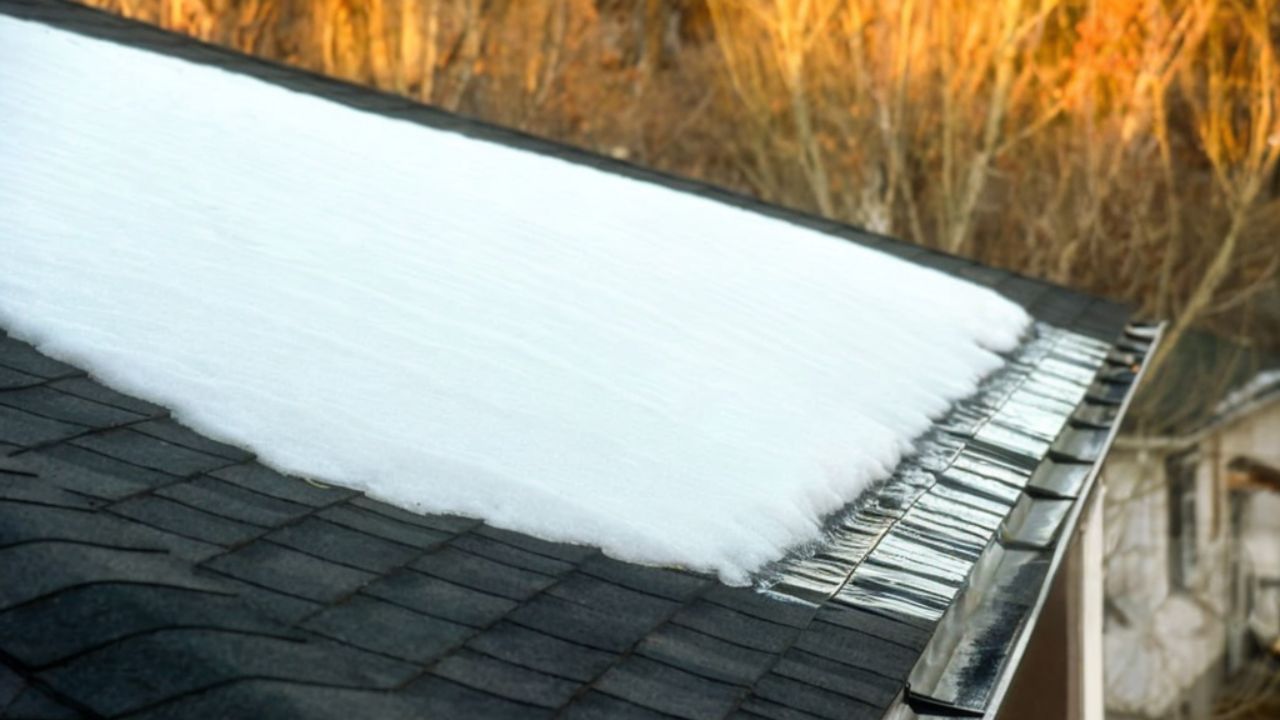
If you live where it snows, the roof can snitch on your insulation.
Signs to watch for:
- Snow melts quickly in patches on the roof while neighboring roofs stay evenly covered
- Icicles and ice dams build up along the eaves
Both can mean heat from the house is escaping through the roof and melting snow unevenly. That doesn’t prove insulation is the only issue (ventilation matters too), but it’s another point on the “we should probably add more” side.
When the quick test says “it’s time to upgrade”
If your quick look checks most of these boxes:
- Joists clearly visible everywhere
- Insulation depth low or very uneven
- Gaps and bare spots around edges and fixtures
- Rooms under the attic noticeably harder to heat or cool
…you don’t need to overthink it. The attic is almost certainly part of the problem. You don’t have to fix it this second, but you can put “add or upgrade insulation” on the list knowing it’s not just a cosmetic project—it’ll affect comfort and bills.
You don’t have to become a building science expert to get a read on your attic. A short visit with a flashlight and an honest look at how your house feels in winter will tell you more than enough.
Like Fix It Homestead’s content? Be sure to follow us.
- I made Joanna Gaines’s Friendsgiving casserole and here is what I would keep
- Pump Shotguns That Jam the Moment You Actually Need Them
- The First 5 Things Guests Notice About Your Living Room at Christmas
- What Caliber Works Best for Groundhogs, Armadillos, and Other Digging Pests?
- Rifles worth keeping by the back door on any rural property
*This article was developed with AI-powered tools and has been carefully reviewed by our editors.