The renovation detail that looks new but usually hides a bigger issue
Fresh finishes are supposed to signal a home that has been cared for, not a property that is hiding problems you will pay for later. Yet one renovation detail in particular tends to signal that someone has tried to cover a symptom instead of curing the disease. When you learn to read that cosmetic upgrade as a warning sign, you give yourself a chance to find the real issue before it becomes your financial and health problem.
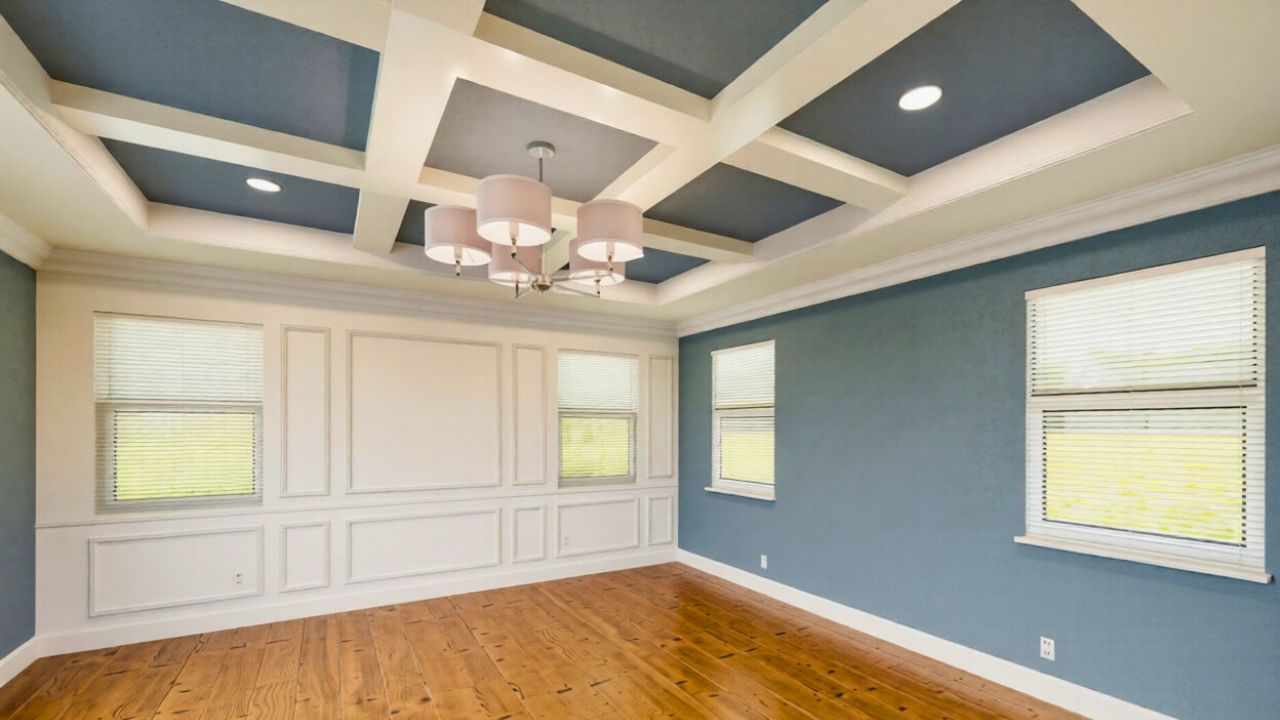
That detail is fresh paint in the wrong place, at the wrong time, or in the wrong condition. A newly painted wall, ceiling, or trim can absolutely be part of a thoughtful renovation, but it is also the easiest way to conceal water damage, mold, and structural movement that should have been fixed, not disguised. The key is not to distrust every roller mark, but to understand when new paint is a clue that something more expensive is lurking just out of sight.
The cosmetic upgrade that should make you pause
When you walk into a listing that has brand new paint from baseboards to ceiling, your first instinct is usually positive. Yet full interior repainting, especially when it looks rushed or oddly selective, is often the renovation detail that signals you should slow down and start asking questions. Fresh paint, new cabinets, and trendy fixtures can make a tired house look like a turnkey showpiece, but they are also the cheapest tools for dressing up a property that still has old plumbing, aging wiring, or a roof at the end of its life hiding just above the drywall. One analysis of updated listings notes that Houses that lean heavily on these surface upgrades often still carry the most expensive problems in the background.
Because paint is relatively inexpensive and quick to apply, it is the go to move for sellers who want to neutralize a space without investing in real repairs. That is why broad consumer guidance on Common Home buying red flags puts so much emphasis on looking past cosmetic work and focusing on systems, structure, and moisture. You are not trying to punish a seller for making a home look nice. You are trying to distinguish between a thoughtful refresh and a strategic cover up, and fresh paint is the first place to start that detective work.
Why fresh paint and moisture so often go together
New paint becomes a real concern when it shows up exactly where water problems tend to appear. Bathrooms, basements, exterior walls, and ceilings under plumbing lines are all areas where stains, bubbling, or hairline cracks can reveal leaks or condensation. If those surfaces are the only ones that have been repainted, you should assume the seller might be trying to hide evidence of past or ongoing moisture. Inspectors who focus on what is the in a home inspection consistently point back to water intrusion, because it is the starting point for rot, mold, and even foundation movement.
Moisture problems are not always dramatic floods. Slow drips from a shower valve, condensation on poorly insulated exterior walls, or minor roof seepage can all leave subtle marks that a roller and a gallon of paint can temporarily erase. That is why broader lists of Buying Red Flags treat unexplained fresh paint in localized patches as a sign that you should investigate for safety or health hazards, not just cosmetic imperfections. If you see new paint exactly where water would logically show up, you are probably not looking at a design choice, you are looking at a clue.
Mold, the hidden guest behind that perfect wall color
The biggest risk with painting over moisture is not that the stain might come back, it is that mold can flourish behind the finish while the surface looks clean. Mold is opportunistic, and it only needs a damp surface and organic material such as paper facing on drywall to grow. Renovations can unknowingly create those conditions by trapping humidity behind new walls or sealing in damp framing with primer and paint. Environmental specialists warn that Mold, The Hidden Guest Behind Your New Walls, often shows up after work is complete, when you assume the space is safe.
Once mold is sealed behind paint, it does not disappear. It continues to feed on the damp substrate, releasing spores that can move through tiny gaps, outlets, and trim joints into the air you breathe. Guidance on Key Takeaways about mold under paint is blunt: Mold does not vanish when you cover it, and Health issues can follow if you keep living in that environment. When you see a freshly painted wall in a moisture prone area, you should be thinking less about color and more about what might be happening in the layers you cannot see.
How mold actually shows through “new” paint
Even when someone has tried to hide a problem, mold and moisture often leave subtle fingerprints on a newly painted surface. Small bubbles, peeling edges, or areas where the paint looks slightly swollen can indicate that water is trapped between the wall and the finish. Restoration specialists who focus on early warning signs note that if water gets trapped between the wall and paint, the area becomes a perfect breeding ground for mold, especially on painted walls you have not checked yet. What looks like a minor cosmetic flaw can actually be the first visible sign of a much larger problem behind the surface.
Other clues are even easier to miss if you are dazzled by the overall renovation. Slight discoloration that looks like a shadow, faint yellow or brown rings bleeding through white paint, or a patch that has a different sheen from the rest of the wall can all signal that moisture is still active. Detailed breakdowns of Musty Odors That and mysterious stains in newly renovated homes point out that these marks often show up behind walls or under flooring where water has been trapped. If the paint looks new but the surface tells a different story, you should assume the story is the truth.
The smell test: when your nose beats the paintbrush
Your eyes are not the only tool that can cut through cosmetic upgrades. A persistent musty smell in a freshly painted room is one of the earliest and most overlooked signs that moisture and mold are present. Even if the walls look flawless, a damp, earthy odor that does not go away after airing out the space suggests that spores are active behind the finish, in the subfloor, or inside wall cavities. Specialists who catalog signs of mold in newly renovated homes emphasize that Musty Odors That Linger are often the first clue, long before visible growth appears.
Paint itself has a distinct, often sharp smell that usually fades within days or weeks, depending on ventilation and product type. If what you notice instead is a low level, constant mustiness that seems strongest near exterior walls, bathrooms, or basements, you should treat that as a red flag. Combined with localized fresh paint, that odor suggests someone may have tried to cover stains without addressing the underlying leak. In that situation, you are not being overly cautious if you ask for moisture readings, additional inspection, or even limited demolition to confirm what is behind the wall before you commit.
When “updated” hides structural movement
Fresh paint does not only conceal water. It can also be used to blur the signs of structural movement that would otherwise be obvious. Cracks in drywall, gaps at the corners of doors and windows, and separations where walls meet ceilings can all indicate that a foundation has shifted or framing has moved. When those areas have been recently patched and painted, you lose the ability to see how extensive the cracking was or whether it is still active. Inspectors who outline Visual Clues That Run Away, When you are touring a home, specifically call out doors and windows that do not open or close smoothly as signs that something more serious than paint is at play.
Cosmetic work around trim and baseboards can also hide movement. Fresh caulk lines, newly painted quarter round, or baseboards that look newer than the flooring can all suggest that gaps have been filled to disguise shifting. Broader guidance on Renovation Red Flags and What to Fix Before Your Home Appraisal highlights cracks in walls and ceilings as issues that can drag down value if they are not properly addressed. If you see a home where every wall looks newly finished but doors still stick and floors feel uneven, you should assume the paint is a mask, not a cure.
Reading the room: patterns that separate honest updates from cover ups
Not every freshly painted surface is a problem. The key is to look for patterns that either support a logical renovation story or raise more questions than they answer. A full house repaint that coincides with new flooring, updated lighting, and visible work on mechanical systems often signals a comprehensive project. In contrast, a home where only certain walls, ceilings, or corners are newly painted, especially near bathrooms, kitchens, or basements, should prompt you to dig deeper. Seasoned inspectors who share home buying red talk about how localized repairs can hide rot, mold and termites, particularly in properties with known Floodplain or groundwater problems.
You should also pay attention to how the paint interacts with other materials. If the walls are pristine but the roof looks Old and Worn, the windows are original, or the exterior grading slopes toward the foundation, the story the paint is telling does not match the rest of the house. Advice on Old or Worn Out features before an appraisal underscores that serious issues like a damaged roof or cracks in walls should be fixed, not just painted. When the visible upgrades are all inside and all cosmetic, you should assume the invisible problems may still be waiting for you outside the frame of the listing photos.
How to push past the paint during a tour
Once you start seeing fresh paint as a potential warning sign, you need a practical way to investigate without tearing into walls during an open house. Start by running your hand lightly over suspicious areas to feel for softness, bubbling, or temperature differences that might indicate moisture. Look closely at corners, ceiling lines, and around fixtures for hairline cracks or stains that have bled through. Consumer guides on How to Spot Red Flags During a Home Tour emphasize that you should not be shy about opening cabinets under sinks, checking around toilets, and inspecting basement walls, even if they have been freshly painted.
It also helps to bring a small flashlight and, if you are serious about a property, a basic moisture meter. Shine the light across painted surfaces at a low angle to reveal uneven textures, patch lines, or subtle bulges that overhead lighting can hide. Use the meter on suspect areas, especially below windows, under bathrooms, and along exterior walls. If readings are elevated or you see repeated signs of patching and repainting, you have concrete reasons to ask for further evaluation. Professional inspectors who focus on home inspection priorities will often follow those clues with more advanced tools, but your initial observations can determine whether you even get to that stage.
What to demand before you commit
If you suspect that new paint is hiding a bigger issue, your leverage point is before you sign, not after you move in. Ask for documentation of any water events, including insurance claims, repair invoices, or contractor reports. Request details on what was done before repainting, such as replacing drywall, remediating mold, or fixing plumbing. If the seller cannot provide a clear paper trail, you can negotiate for additional inspections, invasive testing in limited areas, or credits that reflect the risk you are taking on. Real estate professionals who outline How to Spot Red Flags During a Home Tour consistently advise buyers to treat unexplained cosmetic work as a starting point for negotiation, not a reason to rush.
Like Fix It Homestead’s content? Be sure to follow us.
Here’s more from us:
- I made Joanna Gaines’s Friendsgiving casserole and here is what I would keep
- Pump Shotguns That Jam the Moment You Actually Need Them
- The First 5 Things Guests Notice About Your Living Room at Christmas
- What Caliber Works Best for Groundhogs, Armadillos, and Other Digging Pests?
- Rifles worth keeping by the back door on any rural property
*This article was developed with AI-powered tools and has been carefully reviewed by our editors.