The renovation shortcut inspectors catch immediately
Inspectors are not impressed by glossy finishes or trendy fixtures. They are trained to spot the one shortcut that quietly undermines everything else: work that ignores the basic structure and safety rules your home depends on. When you cut corners on permits, framing, fire separation, wiring, or plumbing, they see it almost immediately, and the fallout can be far more expensive than doing it right the first time.
If you are renovating, buying a “flip,” or finishing a basement, you are stepping into a world where the smallest hidden defect can trigger failed inspections, forced tear‑outs, or even a deal‑killing report. Understanding what inspectors look for, and why they catch these shortcuts so quickly, is your best protection against wasted money and long legal headaches.
The real shortcut inspectors spot first: ignoring the bones of the house
The fastest way to fail an inspection is not a crooked tile or a scuffed cabinet, it is a renovation that treats the structure and safety systems as an afterthought. Inspectors are trained to look past finishes and go straight to the “bones” of the building, where shortcuts are hardest to hide and most dangerous when they fail. When you skip proper framing, fire separation, or safe wiring in favor of speed, you are effectively betting your home on the hope that no one will ever look behind the drywall.
That bet rarely pays off. Renovation pros warn that most basement projects that fail inspection do so because of Missing permits, incorrect framing, and weak fire separation, not because of cosmetic flaws. Inspectors also zero in on structural weaknesses, faulty electrical wiring, and plumbing defects, since those are the issues that threaten life safety and are often hidden in areas casual observers rarely examine thoroughly, as detailed in guidance on Structural risks.
Permits: the “shortcut” that backfires fastest
Skipping permits can feel like the ultimate time saver, especially when a contractor tells you it will “only slow things down.” In reality, it is the first thing inspectors and municipalities look for, and it is the one shortcut that can unravel an entire project. When work is done without approval, you are not just bending a rule, you are removing the official record that your home meets basic structural, electrical, and fire standards.
Municipalities make it relatively easy to stay on the right side of the rules. In San José, for example, you can arrange a building visit online, where you Schedule an inspection directly through the city’s portal. Renovation specialists warn that when you ignore that step and get caught, the city can issue Fines and Stop Work Orders, forcing you to open finished walls so inspectors can see what was done.
What inspectors actually look at when they walk in
When an inspector steps onto your property, they are not wandering around hoping to spot something wrong. They follow a mental checklist that starts with structure and safety, then moves to systems like electrical, plumbing, and HVAC. That is why a project can look immaculate to you and still fail: the inspection is focused on what you cannot see, not the finishes you chose.
Local building departments explain that you can often Self schedule these visits online, which means you control when the inspector sees each phase of work. Professional inspectors say they routinely flag framing that does not match plans, missing fire blocking, and incomplete air sealing as part of Other Common Issues in new builds. They also pay close attention to What is happening under floors and behind coverings, where subtle dips or stains can signal serious trouble below.
Hidden structure shortcuts: missing subfloors, weak framing, and broken windows
Some of the most alarming shortcuts are literally under your feet. During demolition on one project, a contractor discovered that During demo, entire sections of the home were missing subfloor, a defect that would never be visible until someone opened the structure. Inspectors are trained to look for the telltale signs of this kind of neglect, such as uneven floors, spongy spots, or gaps where framing should tie together, because those clues often point to more serious structural omissions.
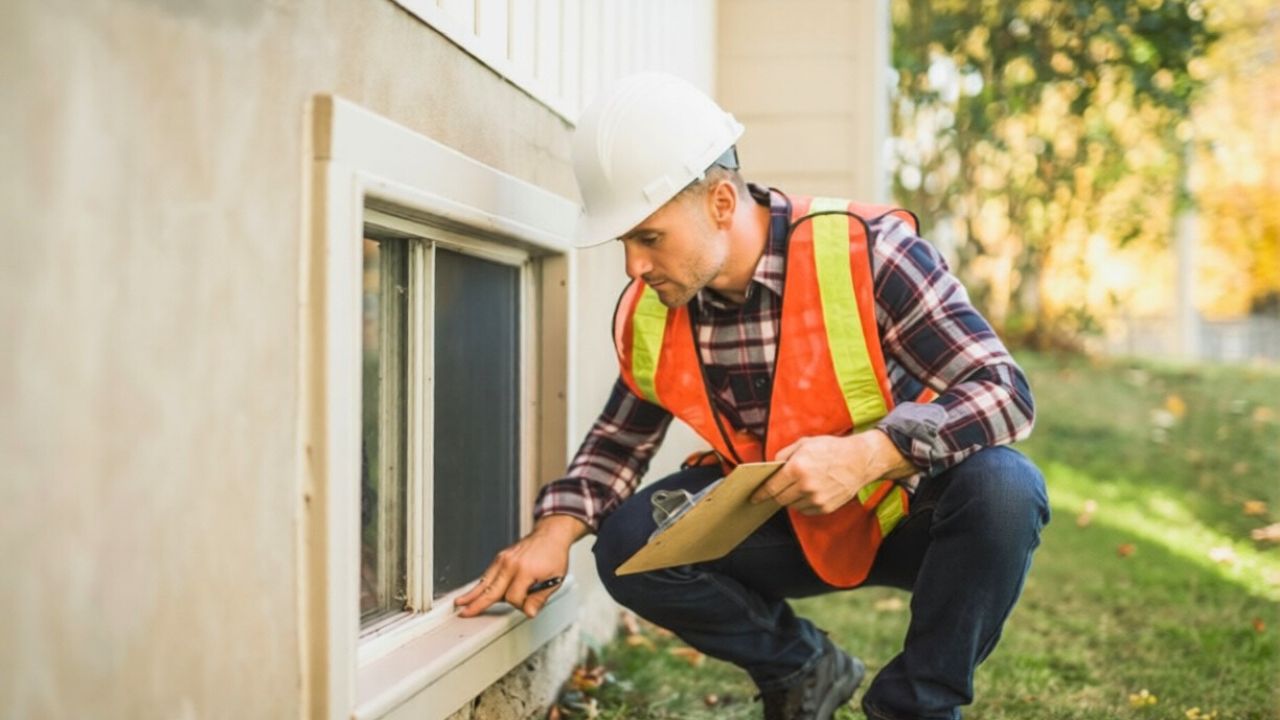
Even smaller components can reveal a pattern of shortcuts. One inspection video highlights a broken bottom rail on a double hung window sash, where the rail is supposed to hold the sash together and support the glass. When that rail fails, the window can rack, leak, or even drop the pane, which is why inspectors treat a damaged rail as a sign that Shortcuts are breaking both your home and your budget. Structural inspection guides reinforce that these weaknesses, from missing subfloors to compromised window frames, are exactly the kinds of hidden issues that can undermine the integrity of the building and must be corrected before a project can move forward, as outlined in broader building checks.
Electrical and plumbing: the shortcuts that scare inspectors most
Cosmetic mistakes may annoy you, but unsafe wiring and plumbing keep inspectors up at night. Electrical shortcuts, from overloaded circuits to improper junction boxes, can turn a renovation into a fire risk. In one online discussion, a homeowner described how an You electrical inspector “yelled” at them to remove an unsafe setup immediately, a reminder that code officials have little patience for improvisation when it comes to live power. Another commenter joked about doing work in the GRAND THEFT AUTO universe, but the underlying point was serious: inspectors are there to prevent real world disasters, not to negotiate over unsafe shortcuts.
Plumbing is just as unforgiving. Professional defect reports note that Plumbing Issues Plumbing problems are often hidden, but when they fail they can lead to extensive water damage or mold growth. Inspectors look for signs of leaks under sinks, around toilets, and in basements, and they pay attention to water pressure and drainage that might indicate improper venting or undersized lines. Renovation videos showing “shocking kitchen water damage” make the cost of these shortcuts painfully clear, with one walkthrough estimating that repairing a single unit with long term leaks could run Dec costs of “like 25 to 30 grand.”
Fire separation, alarms, and exits: where inspectors have zero tolerance
Fire safety is one area where inspectors simply do not negotiate. If your renovation compromises fire separation, blocks exits, or omits alarms, you can expect an immediate fail and a requirement to fix the problem before anything else proceeds. This is not bureaucracy for its own sake, it is about giving you and your family enough time and a clear path to escape if something goes wrong.
Guidance on unpermitted structures notes that Life safety code violations, such as not enough exits, bedroom windows that are too small for egress, or missing alarms, will require correction even if a permit is granted after the fact. Real estate advice on selling with code issues lists specific Fire Safety Violations or non functioning alarms and Blocked Exits as problems that can derail a sale or force price cuts. In multi unit and new build housing, inspectors also focus on fire stopping and compartmentation, since Inspections frequently reveal missing fire stopping in cavity walls and at floor or wall junctions, which can let flames and smoke spread far faster than the design intends.
Why “finished” flips and basements still fail inspection
One of the most frustrating experiences for buyers is discovering that a freshly remodeled home still hides serious defects. Renovation and inspection pros warn that Everyone wants the fully remodeled house, but fresh paint and new fixtures do not prove that the renovation was done correctly. Inspectors and savvy buyers look for evidence that the work was permitted, inspected at each stage, and closed properly, because that is the only way to know the structure and systems behind the finishes are sound.
Basements are a particular minefield. Renovation specialists say that Missing permits, incorrect framing, and weak fire separation are the main reasons most basement renovations fail inspection. Buyers who are “thinking of buying a renovator” are urged to treat serious moisture issues as a deal breaker, with Signs of water entry, visible Stains, damp smells, or moisture in lower levels flagged as problems you do not simply “factor in” to the price. Real world horror stories from homeowners describe Nightmare damage that earlier inspections missed, including Major floor buckling and Toilets that do not flush, which is why you should always bring your own inspector before you commit.
New construction is not immune to shortcuts
It is tempting to assume that a brand new house is automatically safe, but inspectors and snagging specialists say that is a risky assumption. Even in new developments, pressure to build quickly can lead to missed details in framing, fire stopping, and air sealing. That is why new construction houses are also inspected by local municipalities throughout the build, and why they must obtain a New certificate of occupancy before anyone is allowed to move in.
Independent inspectors who specialize in new builds report that they regularly find framing issues, missing insulation, and incomplete air sealing as part of New Home Inspection most common problems. In the context of the wider housing market, snagging experts warn that rapid construction can leave gaps in fire stopping and compartmentation, with These structures requiring particular attention at cavity walls and floor or wall junctions. For you as a buyer, that means a pre close inspection is not optional, it is your last chance to catch shortcuts before you inherit them.
How to stay ahead of inspectors instead of fearing them
If you treat inspectors as adversaries, you will always be tempted to hide things. If you treat them as a second set of expert eyes, you can use their scrutiny to make your home safer and your investment more secure. That starts with planning your project around the required visits, making sure each phase is ready to pass before you call for an inspection, and keeping clear records of what was done and when.
Local portals that let you Schedule inspections yourself make it easier to coordinate work and avoid missed visits. If a required inspection is accidentally skipped, some jurisdictions offer alternate methods of compliance, such as engineering letters or targeted exploratory openings, but those options are usually more complicated and expensive than doing it right the first time. When you are buying, not renovating, you can protect yourself by hiring your own inspector, paying close attention to Inspectors notes about subtle floor dips or stains, and remembering that a “fully remodeled” label is not a guarantee. When you approach inspections this way, the shortcut that inspectors catch immediately becomes the one you refuse to take.
Like Fix It Homestead’s content? Be sure to follow us.
Here’s more from us:
- I made Joanna Gaines’s Friendsgiving casserole and here is what I would keep
- Pump Shotguns That Jam the Moment You Actually Need Them
- The First 5 Things Guests Notice About Your Living Room at Christmas
- What Caliber Works Best for Groundhogs, Armadillos, and Other Digging Pests?
- Rifles worth keeping by the back door on any rural property
*This article was developed with AI-powered tools and has been carefully reviewed by our editors.