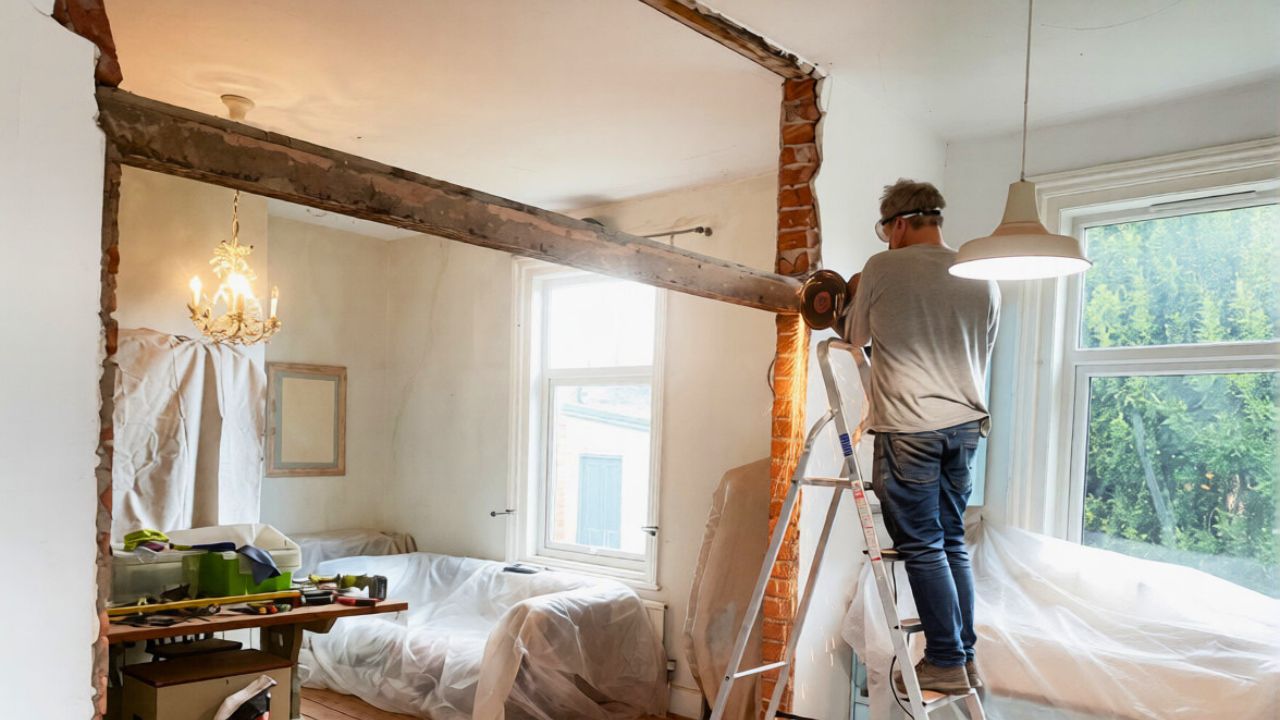
The renovation trend inspectors quietly hate
Home inspectors are used to seeing questionable choices, but one renovation trend reliably makes them brace for trouble: ambitious structural changes carried out like a weekend craft project. As social media turns every living room into a potential “after” shot, you are being nudged toward bigger, riskier transformations that look sleek on camera but quietly undermine safety, durability, and resale value. The projects that win likes are often the same ones that leave inspectors writing long, nervous reports.
At the center of that tension is your urge to personalize your space, even when it means cutting into walls, reworking kitchens, or stripping away “unnecessary” safety features. The more you chase a custom, magazine-ready look, the more you are tempted to treat structural work as just another DIY challenge. That is exactly the pattern professionals describe when they talk about the renovation craze they quietly hate most.
When “DIY shortcuts” turn into structural gambles
The renovation wave that worries inspectors most is not a specific paint color or tile pattern, it is your confidence that you can reengineer the bones of your home with a few online tutorials. You see a wall blocking your dream open layout and assume it is just drywall, not a load-bearing element that keeps the floor above from sagging. Inspectors describe a surge of DIY shortcuts where homeowners remove supports, notch joists, or reroute mechanical systems without permits or consulting a structural engineer, then cover the evidence with fresh finishes.
From an inspector’s perspective, this is the renovation trend that quietly terrifies them, because the danger is invisible until something fails. A beam that has been cut to fit a recessed light might hold for years before sagging, and a deck ledger attached with the wrong fasteners can look solid right up until a crowded barbecue. When you treat structural work as interchangeable with cosmetic upgrades, you are effectively gambling with gravity. The fix is not to avoid change altogether, but to recognize that anything involving walls, framing, or major systems belongs in the hands of a qualified contractor, not a weekend experiment.
The viral “hack” that makes pros want to “poke their eyeballs out”
Social platforms have turned renovation into a spectator sport, and some of the most shared clips feature bold structural “hacks” that make inspectors wince. In one widely circulated Jan video, a home professional singles out a particular layout change as “number two” on their personal hate list and admits that every time they see it, it makes them want to “poke my eyeballs out,” before walking through how the seemingly clever idea actually compromises safety and function. That kind of visceral reaction in a short Jan clip captures how far the gap has grown between what looks impressive online and what holds up under inspection.
You are encouraged to see these hacks as proof that rules are optional, that you can skip permits, ignore manufacturer instructions, and still end up with a “custom” feature. The problem is that viewers rarely see the aftermath, when an inspector flags the work as noncompliant or a buyer’s lender refuses to move forward until it is corrected. By the time you learn that the viral trick is a code violation, you have already spent money on materials and finishes that now have to be torn out. Inspectors are not being dramatic when they react strongly, they are picturing the hidden repairs and safety risks that will follow the trend long after the video stops getting views.
Design trends people “secretly hate” but you still copy
Even when you are not touching structure, you can still back yourself into a corner by chasing looks that other homeowners already regret. In one Nov roundup of complaints, people describe certain modern details as “Hideous” and warn that these choices will be “Outdated” “Very Soon,” from ultra low-slung sofas that are uncomfortable to live with to bathroom finishes that stain easily and look “gross” once the first scratch or water mark sets in. Those same critics say They are tired of spaces that photograph well but feel cold, impractical, or impossible to maintain.
Inspectors are not judging your taste, but they do see the fallout when buyers walk through a house and mentally tally the cost of undoing last year’s “must have” look. Another Dec survey of Most Hated details lists “Modern Home Design Trends People Want To See Disappear In The Next Few Years,” from all-white kitchens that show every smudge to built-in features that lock you into a specific aesthetic. When you pour money into these polarizing choices, you are not just risking eye rolls, you are shrinking your future buyer pool and giving inspectors more items to flag as high-maintenance or prematurely worn.
Open concept’s fall from grace and the walls you should not move
For years, open layouts were treated as the gold standard, and you might still feel pressure to knock down walls to keep up. Yet reporting on Fall of the layout notes that “The Fall of the Open, Concept Floor Plan Even” has been driven by the same communication studies that once supported it. As more people work from home, the lack of acoustic and visual separation that once felt liberating now reads as chaotic and exhausting, especially when your kitchen, office, and playroom all share one echoing volume.
Inspectors add another layer of concern, because the walls you are most tempted to remove are often the ones doing the heaviest structural work. When you chase a fully open main floor without proper engineering, you risk uneven floors, cracked drywall, and doors that no longer latch. The renovation trend they quietly hate is not the idea of openness itself, but the casual assumption that any wall can go. Before you swing a sledgehammer, you need a structural plan that respects load paths, mechanical runs, and fire separation, or you are trading a slightly dated layout for a long list of hidden defects.
Minimalist safety: “Nixing Handrails” and other quiet hazards
Another renovation pattern that sets off alarm bells is the push to strip away anything that looks “busy,” even when it serves a safety function. Sleek staircases without balusters, open loft edges, and floating steps might match your minimalist feed, but they also invite falls and liability. Professionals warn that Nixing Handrails to achieve a clean line is one of the “unsafe design trends” most likely to fail an inspection, because Handrails Still exist for a reason: they keep children, older adults, and distracted guests from tumbling down stairs.
When you remove guards or reduce them to thin cables and glass without proper anchoring, you are not just bending style rules, you are violating building codes that specify heights, spacing, and load requirements. Inspectors quietly hate this trend because it forces them into the role of spoiler, telling you that the staircase you love in photos cannot pass muster in a real safety check. If you want a modern look, the smarter move is to work with a designer and contractor who can detail code-compliant rails and guards that still feel light, instead of pretending gravity will make an exception for your aesthetic.
The kitchen “upgrades” that make inspectors and buyers suspicious
Nowhere is the gap between Instagram and inspection wider than in the kitchen, where you are encouraged to prioritize drama over function. One Jan roundup of complaints calls out Cooktops with NO OVERHEAD VENTILATION as a particular sore point, with one anonymous “62” year old from Washington adding “Seriously: WTF” at the idea of cooking without proper capture of grease and moisture. Inspectors share that frustration, because a powerful range without a vent hood is not just inconvenient, it can leave residue on surfaces, trigger smoke alarms, and in some cases worsen indoor air quality.
Other kitchen trends, like pot fillers installed without shutoff valves or super tall cabinets that require a ladder for everyday items, also raise eyebrows. When you prioritize showpiece features over basic ergonomics and safety, you create a space that looks expensive but functions poorly. Inspectors are trained to look past the marble and brass to the practical details: Is the work triangle between stove, fridge, and sink efficient, as some Dec critics of People Are Calling “Hate” point out? Are shutoffs accessible? Is the electrical layout safe? When the answers are no, your “dream kitchen” becomes a negotiation point or a repair bill.
Porous counters, wood backsplashes, and the war on durability
Inspectors also quietly dread the wave of finishes that look luxurious on day one but are almost guaranteed to age badly. Reporting on the 7 worst renovation notes that a growing number of projects feature counters and backsplashes made of porous stone or even wood, a choice that baffles professionals who know how hard it is to clean sauce spatter off of unsealed surfaces. These materials soak up oil, wine, and water, leading to stains, swelling, and bacteria growth in the very spots where you prepare food.
From an inspection standpoint, prematurely worn counters and backsplashes are more than a cosmetic issue. They can signal that other shortcuts were taken, like skipping proper waterproofing behind sinks or failing to slope surfaces to drains. When buyers see swollen wood around a faucet or etched stone behind a range, they start to wonder what else was done for looks instead of longevity. If you want a warm, natural aesthetic, you are better off choosing durable, sealed materials that mimic the look of raw stone or wood rather than installing finishes that begin to fail the moment real life hits them.
Hidden access, shutoff valves, and the red flags behind the walls
One of the quietest but most consequential renovation missteps is burying critical access points in the name of a seamless look. Home professionals warn that you should always Find the water shut off valve for your showers or built in tubs and confirm that There is a way to reach the panel. When renovations tile over access hatches or hide valves behind fixed cabinetry, a simple leak can turn into a major demolition project, because the only way to stop the water is to break through your new finishes.
Inspectors see this pattern in bathrooms, laundry rooms, and even kitchens, where the drive for uninterrupted tile or custom millwork leads renovators to ignore basic serviceability. They quietly hate this trend because it guarantees future headaches for whoever owns the home next, and it often signals that the work was done without proper planning or permits. Before you sign off on a design that hides every panel and door, ask how a plumber or electrician would reach the key components in an emergency. If the answer involves a sledgehammer, your renovation is not as “finished” as it looks.
Renovating for YOU vs. renovating for the next inspection
Underneath all of these trends is a deeper tension between renovating for personal satisfaction and renovating with future scrutiny in mind. A viral Jan reel framed it bluntly: “If it is not your forever home, stop renovating for YOU,” warning that homeowners pour money into upgrades they love, only to discover that buyers are not impressed and inspectors are even less forgiving. The creator urges you to stop letting HGTV-style reveals dictate your choices and to remember that every change will eventually be judged by someone with a checklist, not a camera, a point underscored in the phrase “stop renovating for YOU.”
Inspectors are not asking you to live in a bland, resale-optimized box. They are asking you to recognize that some decisions, especially structural changes and safety features, have consequences that outlast your current taste. The renovation trend they quietly hate most is not color, style, or even open shelving, it is the mindset that treats your home as a temporary stage set rather than a long term piece of infrastructure. When you plan projects with both your daily life and the next inspection in mind, you protect your investment, your safety, and the sanity of the professionals who will eventually have to sign off on your choices.
Like Fix It Homestead’s content? Be sure to follow us.
Here’s more from us:
- I made Joanna Gaines’s Friendsgiving casserole and here is what I would keep
- Pump Shotguns That Jam the Moment You Actually Need Them
- The First 5 Things Guests Notice About Your Living Room at Christmas
- What Caliber Works Best for Groundhogs, Armadillos, and Other Digging Pests?
- Rifles worth keeping by the back door on any rural property
*This article was developed with AI-powered tools and has been carefully reviewed by our editors.