The renovations homeowners are prioritizing because they can’t afford to change zip codes
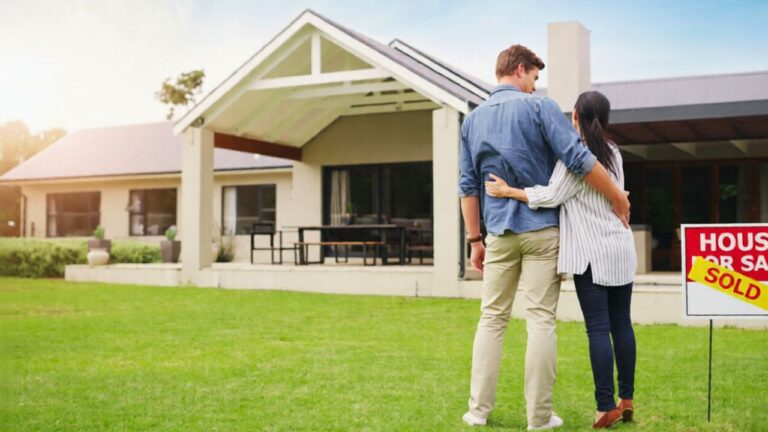
High mortgage rates and stubbornly high home prices have turned moving into a luxury, not a default next step. Instead of chasing a new neighborhood, you are more likely to stay put and rework the walls around you, treating your existing address as a long term project rather than a temporary stop. That shift is reshaping which renovations rise to the top of your list, from energy upgrades that cut monthly bills to layout changes that make a too small house live like a bigger one.
Across the country, you see the same pattern: homeowners are trading fantasies of a fresh zip code for strategic remodels that stretch every square foot and every dollar. The projects that win are the ones that blend comfort, resale value, and resilience, turning a house you feel stuck in into one you would choose all over again.
Why you are renovating instead of relocating
If you feel boxed in by your mortgage, you are not alone. High borrowing costs and record home values have kept many Americans in place, with analysts noting that High mortgage rates and home prices have pushed households to upgrade where they are instead of trading up. When you are locked into a low rate or facing a steep jump in monthly payments to move, pouring money into your current property can feel like the only rational choice.
That financial squeeze is showing up in how you use your equity. Over the summer, reporting on home equity lines of credit found that homeowners are tapping their properties to fund remodels, with one analysis explaining that Why homeowners are staying in place comes down to four main factors, including the cost of new mortgages and the ability to spread renovation expenses into more manageable monthly payments. In that environment, the question is no longer whether to move, but which projects will make staying feel like an upgrade instead of a compromise.
The new baseline: fixing what is broken, then building comfort
When money is tight, you tend to triage. Surveys of household behavior show that you are prioritizing essential fixes before anything cosmetic, with one national poll finding that 69% of homeowners say they focus on necessary upgrades while postponing or skipping purely aesthetic work. Roofs, windows, siding, and mechanical systems move to the front of the line, not because they are glamorous, but because ignoring them can turn a tight budget into a financial emergency.
Once those basics are under control, you are far more willing to invest in comfort and livability. Guidance for first time buyers, for example, urges you to rank projects by urgency and impact, starting with structural and exterior items such as windows, siding, and roofing before moving on to kitchens, baths, and finishes. That hierarchy explains why so many renovation wish lists now read like a blend of insurance policy and lifestyle upgrade, with must do repairs clearing the way for the projects you actually want.
Energy efficiency and sustainability as non‑negotiables
With utility bills rising alongside everything else, energy performance has shifted from a nice bonus to a core reason you renovate. Contractors are seeing strong demand for upgrades that cut monthly costs, from replacing outdated appliances with Energy Efficient Appliances that Replace older models to tightening up leaky windows and doors. Those choices do double duty, trimming your expenses today while making your home more attractive to the next buyer who is just as bill conscious as you are.
On the materials side, sustainability is no longer a niche preference. Industry outlooks describe HOME REMODELING TRENDS FOR SUSTAINABLE AND eco‑friendly materials as a defining feature of current projects, with recycled content, low VOC finishes, and durable products that last beyond a single season. Larger systems are shifting too, as renovation guides highlight Top Renovation Ideas in Sustainability such as Solar Panel Installations and Solar storage that turn your roof into a power plant. When you cannot change your zip code, cutting your long term operating costs becomes one of the smartest ways to reclaim control.
Reworking layouts and adding space when you cannot add an address
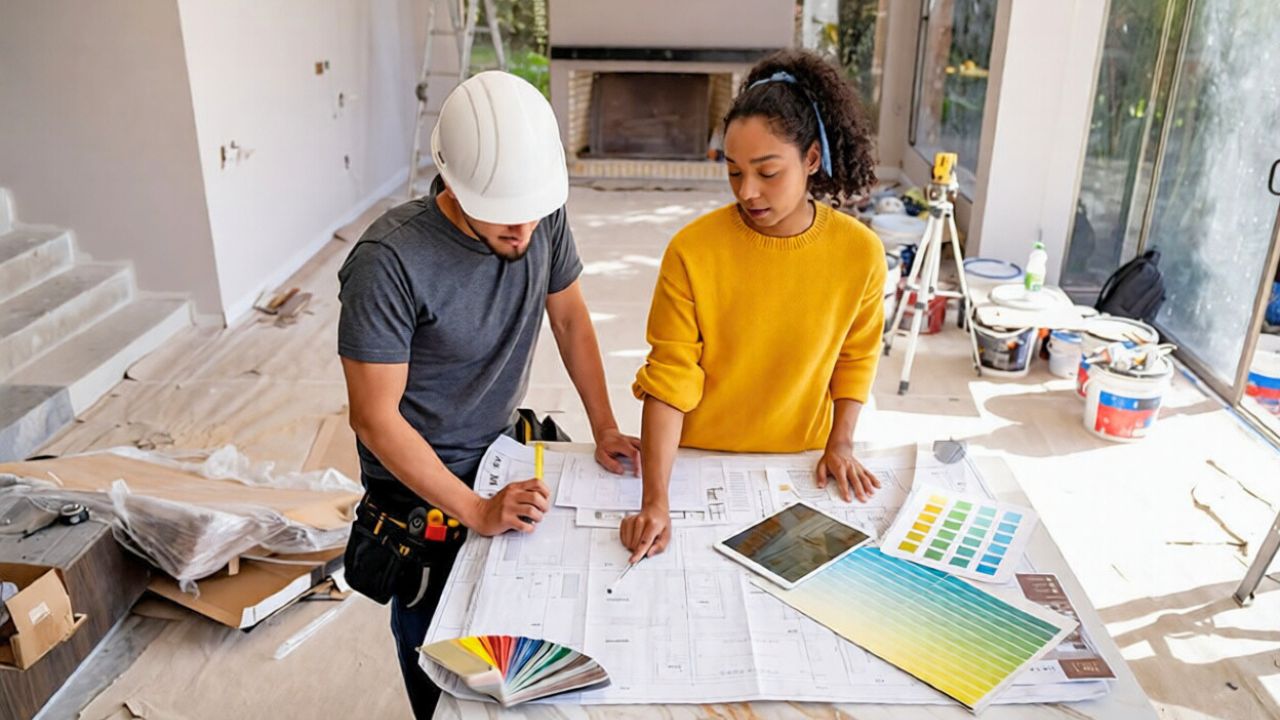
Staying put does not mean staying cramped. Instead of shopping for a bigger house, you are more likely to reconfigure the one you have, with remodelers reporting strong interest in Complete Home Alterations that Rework existing layouts to match how you actually live. That can mean knocking down walls to create open concept living areas, carving out a proper entry from a chaotic front room, or turning an underused formal dining space into a flexible office or playroom.
When rearranging is not enough, additions are stepping in as the new move. Builders describe a surge in demand for extra square footage, noting that Here are the most common motivations we are seeing, starting with Home Owners Need More Functional Space for growing families, multigenerational living, or dedicated work zones. Even smaller expansions, such as a bump out for a larger kitchen or a new mudroom, can make a modest house feel tailored instead of temporary.
Multi‑functional rooms for work, school, and everything in between
Remote work and hybrid schedules have permanently changed how you use your rooms. Instead of single purpose spaces, you now look for areas that can flex between roles, with renovation trend reports highlighting Home offices that double as guest rooms or hobby spaces as a defining feature of current projects. Built in storage, sound control, and smart lighting are no longer office luxuries, they are survival tools when your workday shares a wall with family life.
Designers are also leaning into Open Concept and Multi Functional layouts that can open up or close off as needed, using sliding panels, glass partitions, and furniture zoning instead of permanent walls. That flexibility is especially valuable when you cannot trade up to a larger home, because it lets one square foot serve multiple purposes across the day. In practice, it might look like a living room that hides a fold down desk, or a finished basement that shifts from Zoom classroom in the morning to home gym at night.
Outdoor rooms and biophilic design as your private escape
When you cannot move closer to a park or waterfront, you are more likely to turn your own lot into a retreat. Remodelers are seeing strong interest in patios, decks, and covered porches, with design forecasts noting that Here, Reinventing Outdoor Spaces is a top priority as Homeowners expect their yards to function as living rooms, dining areas, and play zones. Simple upgrades like better lighting, weather resistant seating, and outdoor kitchens can make staying home feel like a choice, not a constraint.
Indoors, you are also pulling nature closer. Spring remodeling guides describe Biophilic Design as more than a few potted plants, emphasizing larger windows, natural materials, and views that extend the landscape into your rooms. That focus on light and greenery dovetails with broader wellness trends, where Modern buyers are prioritizing wellness and lifestyle features, from spa like bathrooms to community wellness programs. If you cannot relocate to a resort town, you can at least borrow some of its atmosphere.
Kitchens, baths, and surfaces that earn their keep
Even in a tight market, kitchens and bathrooms remain the workhorses of resale value, which is why they dominate renovation plans for homeowners who expect to stay put for years. Analysts tracking return on investment point to upgrades like Bathroom Modernization with improved storage and efficient fixtures as some of the smartest ways to spend when you cannot afford a new address. In the kitchen, durable countertops, better task lighting, and reconfigured layouts that support cooking, homework, and entertaining all at once are edging out purely decorative overhauls.
Surface choices are evolving too, guided by both style and practicality. Renovation trend roundups highlight projects that Top Home Improvement Trends for Projects That Boost Comfort, Value, ROI, such as statement tile in powder rooms or alcoves that deliver impact without requiring a full gut job. Flooring is another high leverage decision, with designers and influencers praising options like luxury vinyl plank in videos that frame 10 Home Trends From 2025 That are worth EVERY Penny, including LVP flooring for its durability and price. When you are committed to your current home for the long haul, those hard wearing finishes can save you from redoing the same room twice.
Smart, “future proof” upgrades that stretch your budget
With every project competing for limited dollars, you are increasingly drawn to renovations that solve more than one problem at a time. Analysts describe the most resilient trends as those that blend timeless design with practical benefits, framing the question as What Makes a Renovation Trend Smart, including Design That Lasts Beyond a Season and energy performance that is now considered table stakes. That might mean choosing classic cabinet profiles over fleeting colors, or investing in high performance windows that quietly lower your bills year after year.
Planning tools are evolving alongside those priorities. Remodel checklists urge you to think in phases, starting with high impact changes like layout fixes and mechanical upgrades, then layering in finishes and decor as your budget allows. One remodeling guide, for instance, suggests using floating vanities and compact fixtures to Maximize Space in small baths while pairing them with low flow showerheads to conserve water. Another trend report encourages you to Discover the ROI of upgrades that simultaneously improve function, aesthetics, and property value, from smart thermostats to integrated storage.
How to prioritize when you are staying for the long haul
All of these trends add up to a simple reality: if you are not moving, you need a clear strategy for what to tackle first. National polling underscores that preference, with one major survey finding that Angi Reports Homeowners Preference for Renovation Over Relocation Amid Economic Pressures and reveals that 93% of homeowners would rather improve their current place than move. That level of commitment makes it even more important to distinguish between projects that simply look good and those that genuinely change how your home works.
A practical way to sort your list is to group potential projects into safety, efficiency, and lifestyle, then rank each category by urgency and payoff. Start with anything that protects the structure or your health, from electrical issues to leaks. Next, look at energy and water use, where upgrades like insulation, efficient appliances, and better windows can free up cash for future work. Finally, focus on the changes that will make you happier to stay, whether that is a sunroom that lets you Enjoy natural light year round or a reimagined backyard that functions as your second living room. When you approach your home like a long term investment instead of a short stop on the way to somewhere else, every renovation decision becomes a step toward the life you want inside the zip code you already have.
Supporting sources: 2025 Residential Remodeling Outlook: A Strong Market with ….
Like Fix It Homestead’s content? Be sure to follow us.
Here’s more from us:
- I made Joanna Gaines’s Friendsgiving casserole and here is what I would keep
- Pump Shotguns That Jam the Moment You Actually Need Them
- The First 5 Things Guests Notice About Your Living Room at Christmas
- What Caliber Works Best for Groundhogs, Armadillos, and Other Digging Pests?
- Rifles worth keeping by the back door on any rural property
*This article was developed with AI-powered tools and has been carefully reviewed by our editors.