The repair buyers ask for first now and sellers hate it
Homebuyers are no longer quietly accepting outdated systems that might fail the first winter after closing. The first repair they now push for is the one that keeps the lights on, the air comfortable, and the bills predictable, and it is exactly the fix many sellers dread because it is expensive, disruptive, and impossible to hide once an inspector flags it. As inspections get more detailed and buyers more cautious, the tug-of-war over this repair has become one of the defining battles of today’s housing market.
The repair at the center of every inspection fight
When you look at what actually derails negotiations, it is not cosmetic flaws or dated countertops, it is the core systems that make a home livable. Heating, ventilation, and air conditioning are now the first items buyers ask you to address once an inspection report lands, because a failing furnace or air conditioner is both a safety concern and a budget shock waiting to happen. Guidance on reasonable post‑inspection requests explicitly highlights heating, ventilation, and air conditioning as high‑priority items, noting that replacing a full system can run anywhere from $5,000 to $12,500, which explains why buyers push hard to have you shoulder that cost instead of inheriting it themselves.
For sellers, that price tag is exactly why this has become the most resented repair request. You may have lived with a noisy compressor or uneven heat for years, telling yourself you would “get to it next season,” only to have an inspector document the problem in black and white and hand buyers leverage you did not plan for. Once the report labels the system near the end of its useful life, buyers feel justified insisting on a new unit or a sizable concession, and they can point to the documented range of $5,000 to $12,500 for a full heating, ventilation, and air conditioning replacement in resources aimed at defining reasonable requests after home inspection.
Why inspections now zero in on major systems
As a buyer, you are not guessing about these issues, you are paying a professional to find them. A modern home inspection is framed as a detailed assessment of a property’s condition, with Licensed inspectors trained to evaluate structural elements, electrical and plumbing systems, and the age and performance of mechanical equipment. That assessment routinely calls out foundation problems such as cracks or settling, roof wear, and aging heating and cooling systems that may need replacement soon, which means your inspector’s narrative often becomes the script for your repair demands.
Inspection costs themselves are modest compared with the stakes. Typical pricing data puts the national average at $343, with a common range from $296 to $424 depending on location and size, which is a small upfront investment to uncover five‑figure risks tied to a failing furnace or air conditioner. Research from Ruby Home indicates that larger properties and older construction tend to push those inspection fees higher, but they also increase the odds that inspectors will flag worn‑out systems, so you are effectively paying a few hundred dollars to avoid inheriting a $5,000 to $12,500 problem. That is why detailed checklists now emphasize core systems as a top priority for buyers who want a thorough Home inspection checklist.
How the 2026 market gives buyers leverage
The broader market backdrop makes this clash over repairs even sharper. Housing analysts like Goodwin describe 2026 as likely to feel a lot like 2025, with a slow grind back toward more balanced conditions rather than a sudden shift to a pure seller’s market. That means you are operating in an environment where buyers are still cautious, interest rates remain a central concern, and affordability is stretched, so repair requests become one of the few levers buyers can pull to protect their monthly budgets and long‑term risk.
For you as a seller, that translates into less room to brush off inspection findings as “normal wear and tear.” When Goodwin notes that the early part of 2026 will probably be characterized by a gradual adjustment and that buyers will stay focused on payment comfort as we approach spring 2026, it signals that they will be more insistent about not taking on looming capital expenses. A buyer who is already stretching to qualify for a mortgage is unlikely to accept a home that needs a new heating, ventilation, and air conditioning system in the first year, and they will use both inspection language and market context to justify demanding that you fix or credit that work, a dynamic that sits at the heart of current home buyer preparation.
Why sellers delay big repairs, and how buyers notice
From the seller’s side, it is easy to see why you might avoid tackling a major system upgrade before listing. Replacing a furnace or air conditioner is disruptive, it requires cash up front, and you may doubt you will recoup the full cost in your sale price. Reporting on pre‑listing behavior notes that many owners skip the most serious items, hoping to slide through the transaction without addressing them, even though the inspection does not obligate you to fix everything. That choice, however, forces a decision later: either you address the most serious issues once they are documented or you risk a failed inspection and a collapsed deal.
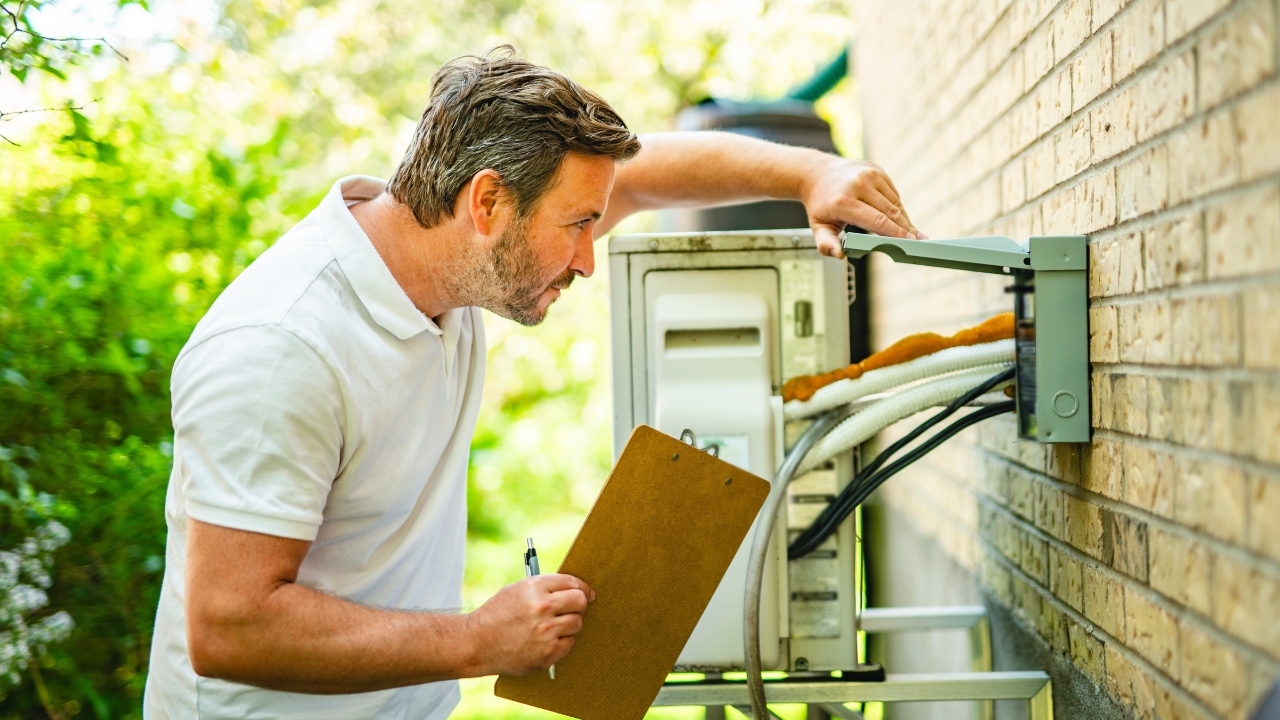
Buyers, for their part, are increasingly alert to these gaps. When they see a home that looks freshly painted but has an obviously aging outdoor condenser or a furnace that predates their first car, they assume you prioritized cosmetics over essentials. Coverage of the repairs sellers are avoiding before listing makes clear that buyers notice when big‑ticket items are left untouched and that they are prepared to walk away if you refuse to engage on those points. The inspection becomes the moment of truth, and once the report spells out the condition of your systems, the buyer can either negotiate a repair, request a credit, or invoke cancellation procedures, which is why guidance on repairs sellers are avoiding warns that ignoring major issues is a gamble.
Negotiating repairs without blowing up the deal
Once the inspection report is in hand, the question is not whether problems exist but how you and the buyer will handle them. As a buyer, you are usually better off focusing on significant issues rather than nitpicking minor defects, and seasoned agents often advise that if the report reveals major problems, you should consider asking for a credit instead of demanding that the seller manage the work. Knowing that, if the inspection report reveals significant issues, the buyer is typically better off asking for a credit than insisting the seller coordinate complex repairs, because a credit lets you choose your own contractor, control the scope, and avoid rushed, lowest‑bidder fixes that might not meet your standards.
For sellers, the same logic can be a lifeline. Agreeing to a repair credit rather than overseeing a full heating, ventilation, and air conditioning replacement can keep your closing timeline intact and limit your exposure to unexpected construction surprises. At the same time, you need to be alert to what some professionals call a clawback, where a buyer uses the repair request process to try to renegotiate the entire deal rather than address legitimate defects. Advice on handling a request for repairs warns that, Speaking of unreasonable request for repairs, something that can happen is what we call a clawback, and it urges you to understand your contract’s cancellation procedures and react accordingly so you can distinguish between fair negotiation and overreach when you handle repair demands.
When buyers weaponize offers to win, then circle back to repairs
In competitive neighborhoods, buyers sometimes use aggressive offer terms to secure a contract, then rely on the inspection period to claw back concessions. You might see a buyer waive minor contingencies or bid above asking to beat out rivals, only to return after the inspection with a detailed list of system upgrades they want you to fund. One real‑world example describes a bidding war where the stage is set for a buyer who fears losing, so instead, she opts to add a clause that says she will pay more than the highest competing offer, up to a ceiling, and the seller will take the $311,000 rather than counteroffer, a strategy that wins the house but leaves plenty of room for a later push on repairs.
Once that buyer has the property under contract, the inspection becomes their second negotiation. If the report shows an aging heating, ventilation, and air conditioning system, outdated electrical panel, or marginal roof, they can argue that their premium price assumed those systems were sound and that they now need a credit or repair to justify moving forward. As a seller, you need to anticipate this two‑stage strategy when you evaluate offers in a seller’s market, weighing not just the headline price but also the likelihood that the buyer will come back with a long list of demands. Understanding how clauses like escalation add complexity to the back‑end of the deal can help you choose the offer that is most likely to close smoothly, as illustrated in guidance on how to write a winning offer.
The trap of flashy upgrades that do not help you on repairs
One reason sellers bristle at repair requests is that they often feel they have already invested heavily in the property, only to be told they focused on the wrong things. You might have poured money into a high‑end kitchen or a luxury bathroom while ignoring the furnace, assuming buyers would be dazzled by finishes and overlook aging systems. Yet detailed analyses of return on investment show that many projects fall into the category of Home Improvement Projects That Don not Add Value, with Modest upgrades sometimes performing better than lavish ones and certain changes failing to deliver a dollar‑for‑dollar return.
Buyers are also increasingly skeptical of conversions that reduce functionality. Real estate experts now flag Garage Conversions That Remove Parking Space as a classic example of an upgrade that can backfire, noting that Turning a garage into living space may have once seemed like an easy way to add square footage, but today’s buyers often prefer secure parking and storage. Labor and material costs remain elevated, and buyers are less eager to inherit complicated systems or quirky layouts that make future maintenance harder, so they are more likely to push you to fix core mechanicals than to pay a premium for a media room carved out of the garage. That shift in priorities is reflected in reporting on Home Improvement Projects That Don and in separate coverage where Garage Conversions That Remove Parking Space are singled out as losing appeal.
How broader remodeling trends shape buyer expectations
Beyond individual projects, the remodeling landscape is shifting in ways that reinforce buyers’ focus on fundamentals. Here is a look at the trends shaping remodeling in 2026, and what they signal for marketers and homeowners alike, with Remodeling Trends for 2026 emphasizing energy efficiency, durability, and wellness over purely aesthetic changes. When you see a list of 8 Remodeling Trends for 2026 that highlights Wellness and Accessibility Upgrades, it becomes clear that buyers are thinking about how a home will perform for them over time, not just how it photographs on listing sites.
Those trends feed directly into the repair standoffs you face at the closing table. A buyer who has been reading about wellness and accessibility is more likely to care about indoor air quality, consistent temperatures, and safe electrical systems, all of which depend on the condition of your heating, ventilation, and air conditioning and other core infrastructure. Marketing advice now encourages companies to Pair promotions with financing education so homeowners understand how to pay for these big‑ticket improvements, which is another way of saying that the market expects you to invest in the bones of the house. When you ignore those signals and focus on surface‑level upgrades instead, you set yourself up for conflict once a buyer’s inspector brings the conversation back to the essentials highlighted in Remodeling Trends for.
Practical playbook: how you should prepare as a buyer or seller
If you are buying, the lesson is straightforward: treat the inspection as your best chance to understand the true cost of the home and to negotiate protection against looming system failures. You should hire a Licensed inspector who treats the visit as a full assessment, paying close attention to foundation problems, roof condition, electrical safety, plumbing, and especially the age and performance of heating and cooling equipment. When the report notes that systems may need replacement soon, you can use that language to prioritize your requests, focusing on big‑ticket items rather than cosmetic flaws, and you can decide whether to ask for direct repairs or a credit that lets you control the work, a strategy that aligns with advice on What a Home Inspection Really Is.
If you are selling, your best move is to get ahead of the conflict. Consider a pre‑listing inspection or at least a targeted evaluation of your heating, ventilation, and air conditioning and other major systems so you are not blindsided by obvious defects. Address safety issues and glaring end‑of‑life equipment before you hit the market, and be realistic about what buyers will expect in a 2026 environment where Goodwin and other analysts see a slow, cautious market rather than a frenzy that lets you dictate terms. When the repair request arrives, separate fair concerns from clawback attempts, lean on credits where they make sense, and remember that speaking of unreasonable request for repairs, your willingness to tackle the repair buyers ask for first can be the difference between a smooth closing and a deal that unravels at the last minute, a balance that echoes the negotiation guidance that begins with Apr and the reminder that, Knowing your options after inspection is as important as the offer price itself in resources on negotiating repairs.
Like Fix It Homestead’s content? Be sure to follow us.
Here’s more from us:
- I made Joanna Gaines’s Friendsgiving casserole and here is what I would keep
- Pump Shotguns That Jam the Moment You Actually Need Them
- The First 5 Things Guests Notice About Your Living Room at Christmas
- What Caliber Works Best for Groundhogs, Armadillos, and Other Digging Pests?
- Rifles worth keeping by the back door on any rural property
*This article was developed with AI-powered tools and has been carefully reviewed by our editors.