The repair homeowners trust most is aging badly
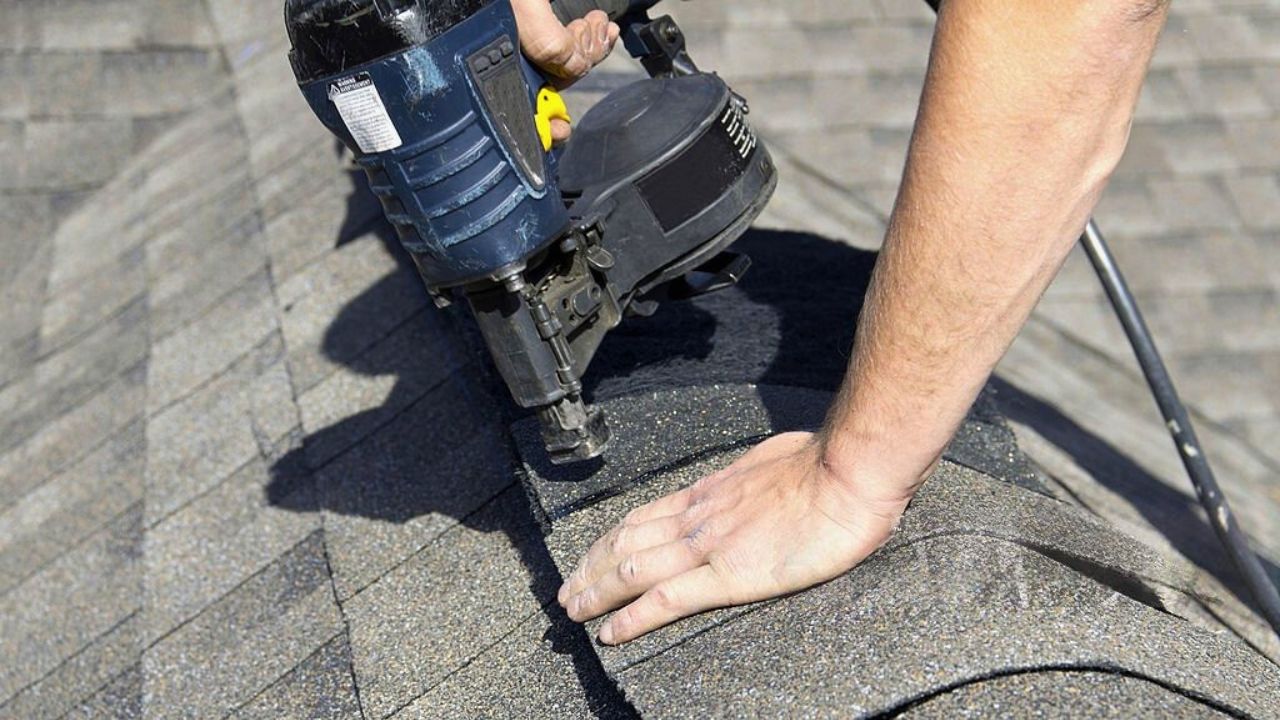
Homeowners have long treated roof repair as the reliable fix that keeps everything else in the house safe. You patch a leak, replace a few shingles, and assume you have bought yourself another decade of peace. That comfortable assumption is aging badly, and the gap between what you think a “simple” roof repair will do and what it actually delivers is widening with every storm and every year your home spends on the wrong side of middle age.
Across the country, you are living with older structures, harsher weather, and insurance rules that punish delay. The repair you trust most is no longer a one-time tune‑up, it is part of a larger system of aging materials, rising costs, and hidden risks that can turn a small drip into a financial shock. To protect your budget and your safety, you need to see your roof not as a quick fix, but as the front line of a much bigger maintenance strategy.
The aging house behind your “quick” roof fix
When you call a contractor to fix a leak, you are rarely just fixing the roof. You are working on a structure that has been quietly wearing down for decades, from the framing and decking above your head to the foundation under your feet. Across the country, the housing stock is getting older, and that age is driving a surge in repair activity as Aging homes and their owners reach the limits of what patchwork can handle. You may think you are solving a single problem on the roof, but the real story is that your entire house is entering a phase where every system is more fragile and more expensive to maintain.
That pressure is especially visible in older cities where roofs sit on top of structures built long before modern codes. Across the United States, and particularly in Philadelphia, homeowners are struggling to keep aging houses standing, with roughly two‑thirds of properties in some neighborhoods built before 1954. In that context, a roof repair is not a fresh start, it is a bandage on a structure that may already be compromised by time, moisture, and outdated construction, which means you cannot afford to treat it as a casual, low‑stakes decision.
Why your mental model of roof wear is wrong
Most people picture roof aging as a slow, even fade, like a pair of jeans that simply gets lighter over time. You probably assume shingles wear out at the same pace across every slope, and that you will see obvious warning signs long before anything serious happens. In reality, roofing professionals stress that problems tend to start in a few specific weak spots, and that early damage is often invisible from the ground. As one contractor put it in a Jan video, Knowing where problems begin gives you clarity and helps you protect your home before repairs get expensive.
That mismatch between how you think roofs fail and how they actually fail is one reason the “trusted” repair is letting so many homeowners down. Water can slip under flashing, rot decking, and travel along rafters long before it stains a ceiling tile. By the time you notice a brown ring in the bedroom, the damage may have spread far beyond the one shingle you expected to replace. When you cling to the idea that wear is slow and uniform, you are more likely to delay inspections, skip small fixes, and underestimate how quickly a minor defect can turn into structural trouble.
Deferred maintenance: the quiet budget killer
The repair you trust most often fails not because the work is bad, but because you waited too long to ask for it. Roofs rarely go from fine to catastrophic overnight. They pass through a long middle stage where small cracks, lifted shingles, and tiny leaks are easy to ignore. Contractors warn that Deferred maintenance almost always costs more later, and that Small roof repairs can turn into full replacements when you let them linger. Every season you postpone a modest fix, you are effectively betting that weather, time, and gravity will give you a pass.
That bet rarely pays off. A minor leak that could have been sealed for a few hundred dollars can soak insulation, warp sheathing, and invite mold, turning a simple job into a multi‑trade project that touches drywall, electrical work, and even flooring. When you finally call for help, you are not buying a trusted repair, you are paying for months or years of avoidance. The financial shock feels unfair, but it is the predictable result of treating maintenance as optional instead of as a core part of owning a house that, like any aging asset, needs regular attention to stay safe and insurable.
Insurance is quietly rewriting the rules on old roofs
Even if you are willing to keep patching your roof, your insurer may not be willing to keep backing that strategy. Companies are increasingly drawing hard lines around roof age and condition, and those rules can turn a familiar repair into a coverage problem overnight. Some Insurers such as Allstate and State Farm now offer ACV‑only roof coverage endorsements for roofs that are more than 10 years old, which means you may receive only the depreciated value of the roof rather than the full cost to replace it after a covered loss.
In some cases, the company may not want your business at all until you commit to a new roof. As vice president of media relations for the Insurance Information Institute, Loretta Worters has explained that If the roof is old, many companies might not want to even insure you until the roof is replaced. Separate industry guidance on Why Insurance Companies to Roof Age and Condition underscores that Older Roofs Are More Likely to Fail, so carriers see them as a higher risk of sudden, expensive claims. In that environment, relying on one more repair instead of planning for replacement can leave you exposed not just to leaks, but to policy cancellations or sharply reduced payouts.
When a “roof problem” is really a whole‑house emergency
Because the roof is so visible, you may treat it as a separate project, something you can handle on its own timeline. In reality, roof failure often signals deeper issues that demand immediate action across the structure. Guidance on House Repairs That puts Foundation Issues at the top of the list and reminds you that Your home is only as strong as its foundation. Outdated electrical systems and other hidden hazards sit right behind it. A leaking roof can accelerate all of those problems by driving water into walls, basements, and crawl spaces where it undermines footings, rusts wiring, and feeds mold.
That is why a trusted roof repair can be so misleading. You might fix the visible damage and feel reassured while water continues to move through places you never inspected. If the leak has been active for a while, you should be thinking less about cosmetic patches and more about whether your home now fits the profile of a property with Outdated systems and compromised structure that needs urgent, coordinated work. Treating the roof as a standalone issue, instead of as part of a chain that runs from shingles to slab, is how small problems escalate into the kind of emergencies that force you to move out or sell at a steep discount.
Modular and manufactured homes: different structure, same aging story
If you live in a modular home, it can be tempting to assume the factory‑built precision above your head will age more gracefully than a stick‑built roof. The reality is more complicated. Experts on modular construction note that it is wise for homeowners to be alert to Common indicators that repairs may be necessary, including sagging rooflines, soft spots in flooring, and doors or windows that suddenly stick. Those signs suggest that the structure, not just the surface materials, is responding to age, moisture, or shifting supports.
In modular neighborhoods, one failing roof can also hint at broader issues with a particular model or installation method. If your neighbor’s home from the same production run is suddenly dealing with leaks or truss problems, you should not assume your own roof is immune. The trusted repair in that context is not just a patch, it is a signal to investigate whether factory seams, transport stresses, or site work are accelerating wear across the entire home. Ignoring those patterns because the last contractor “fixed the leak” leaves you exposed to repeat failures that eat into the cost advantage that drew you to modular housing in the first place.
What aging roofs can teach you about aging in place
The way you think about roof repairs often mirrors how you think about aging in your own life. You might focus on the most obvious symptom, fix that one thing, and assume everything else can wait. Specialists who work with older adults warn that this mindset is risky. There are a number of telling signs that can help eliminate the guess‑work when assessing whether aging parents can safely live alone, and ignoring those signals can lead to high risk levels or even catastrophic injuries. The same logic applies to your house: subtle changes often matter more than the one dramatic event that finally gets your attention.
If you see your home as an aging companion rather than a static object, you are more likely to notice patterns that point to deeper trouble. A roof leak paired with new cracks in walls, doors that no longer latch, or unexplained drafts is not just a list of annoyances, it is a cluster of symptoms that suggests the building is under stress. Treating each one with a separate, trusted repair is like handing out bandages in an emergency room. You need to step back, look at the whole picture, and decide whether your current approach to maintenance still keeps you safe, or whether it is time to rethink how and where you plan to age in place.
How to read the early warning signs on your roof
To move beyond blind trust in repairs, you need a clearer sense of what trouble looks like before it becomes obvious. Roofing specialists emphasize that Recognising the signs that your roof may need replacement is crucial to maintain the safety and integrity of your home. From aging shingles that curl or lose granules to sagging sections and recurring leaks in the same area, these clues tell you that the underlying system is failing, not just the surface. When you learn to spot them early, you can plan for a full replacement on your terms instead of waiting for a storm to make the decision for you.
Those visual checks should be paired with a broader awareness of how your entire house is performing. If you live in a region where America is grappling with an aging housing stock and rising repair costs, you cannot assume that a cheap fix will always be available when you need it. Building a habit of seasonal inspections, keeping photos of trouble spots, and asking contractors to explain not just what they are repairing but why it failed in the first place will help you decide when a trusted repair is still the right move and when it is time to invest in a more permanent solution.
Turning “trusted repair” into a long‑term strategy
The repair homeowners trust most is not doomed, it is just miscast. A roof fix can still be a smart, cost‑effective move if you treat it as one step in a long‑term plan instead of as a magic reset button. That means budgeting for eventual replacement, understanding how your policy handles ACV and other limits, and coordinating roof work with other critical projects like drainage improvements and structural checks. When you see each repair as part of a sequence, you are less likely to be blindsided by the moment when patching no longer makes financial or safety sense.
Like Fix It Homestead’s content? Be sure to follow us.
Here’s more from us:
- I made Joanna Gaines’s Friendsgiving casserole and here is what I would keep
- Pump Shotguns That Jam the Moment You Actually Need Them
- The First 5 Things Guests Notice About Your Living Room at Christmas
- What Caliber Works Best for Groundhogs, Armadillos, and Other Digging Pests?
- Rifles worth keeping by the back door on any rural property
*This article was developed with AI-powered tools and has been carefully reviewed by our editors.