The repair sellers keep skipping that leads to lower offers
Buyers are walking into showings with calculators in hand, and the one hidden issue they keep pricing into their offers is not the paint color or the countertops. It is the quiet, unglamorous repair that signals whether you have truly maintained your home or simply staged around its problems. If you skip it, you invite lower offers, tougher negotiations, and a higher risk that your deal falls apart before closing.
That overlooked repair is water management, especially small but chronic plumbing leaks and the damage they cause behind walls, under floors, and around the foundation. When buyers see stains, musty smells, or suspicious patches, they assume the worst and start subtracting thousands from what they are willing to pay, even before the inspector confirms their suspicions.
The real reason buyers are discounting your house
From the buyer’s perspective, every visible flaw is a clue about what they cannot see, and water problems are the most ominous clue of all. A slow drip under a sink or a faint ceiling stain tells a story of deferred maintenance, and buyers quickly translate that into future repair bills that they will have to shoulder. When you leave those issues unresolved, you are not just saving a few hundred dollars on repairs, you are effectively inviting buyers to negotiate tens of thousands off your price or to walk away entirely once inspections begin.
Market data shows that more contracts are falling through as buyers react to inspection findings and rising costs. Analysts have noted that the share of canceled deals has climbed above the roughly 12 percent norm from 2017 to 2019, with inspection disputes and repair demands now a leading reason for buyers to bolt before closing, a trend highlighted in guidance on how to get ahead of more contracts falling through. When you understand that context, it becomes clear that the quiet, unaddressed leak is not a minor nuisance, it is a direct threat to both your sale price and your odds of reaching the closing table.
The repair sellers keep skipping: hidden water and plumbing issues
The most common repair that owners postpone is also the one that most reliably spooks buyers: small, ongoing water leaks and the plumbing failures behind them. A tiny drip in a vanity, a damp spot in a basement corner, or a recurring stain around a skylight often gets a quick cosmetic fix instead of a real solution. You might swap out a piece of drywall or repaint a ceiling, but if the underlying leak is still active, moisture continues to spread into framing, insulation, and subfloors where buyers cannot see it until an inspector starts probing.
Specialists who study building performance point out that, when it comes to water leaks, even trained maintenance staff are prone to focus only on the obvious, such as a visible drip or a wet tile, which is not enough to adequately assess actual leakage behind surfaces, a pattern described in detail in an analysis of what happens when technicians miss hidden leaks. Plumbing experts warn that what looks like a minor drip under the sink or a small water stain on the ceiling can mask far more extensive damage, with moisture traveling well beyond the visible area and driving up both repair costs and buyer anxiety, a risk underscored in guidance on how ignoring plumbing leaks can cost you.
How water problems quietly drag down your value
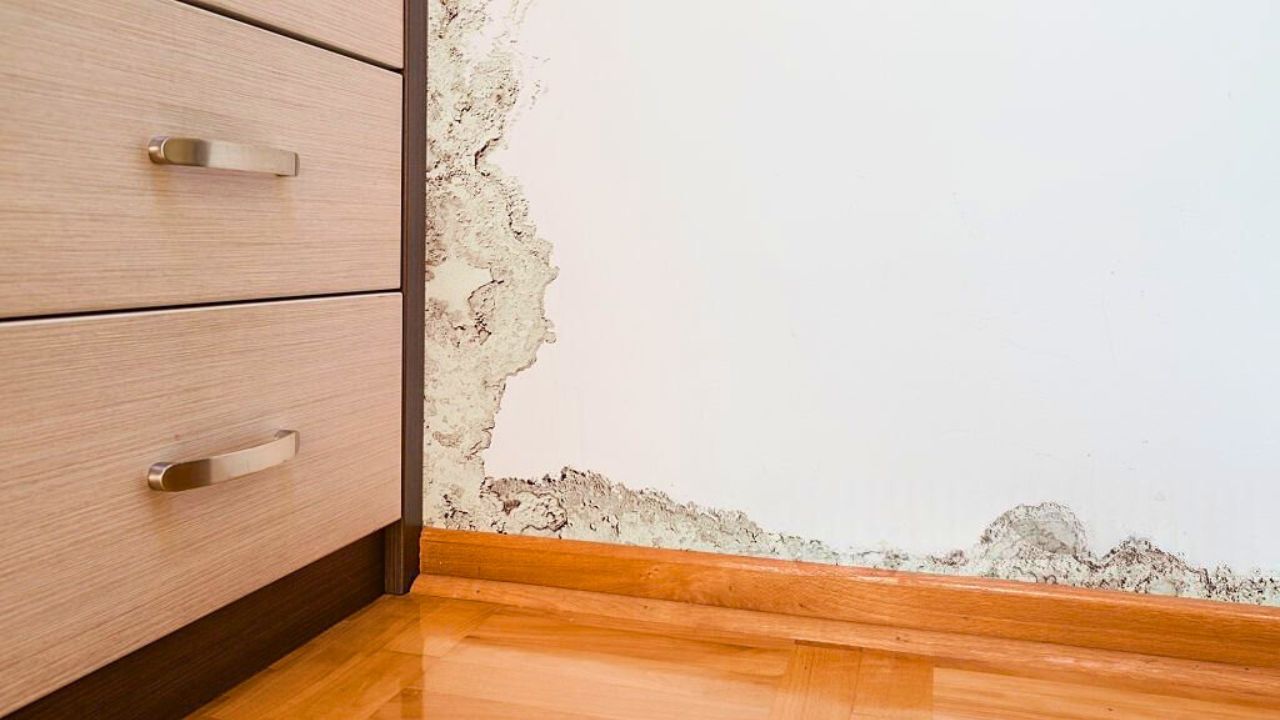
Even before an inspector arrives, buyers are scanning for signs that a home has been neglected, and water damage is one of the fastest ways to trigger that judgment. A musty smell in a closet, a warped baseboard in a bathroom, or peeling paint near a window suggests that moisture has been intruding for a long time. When buyers see that kind of neglect, they often assume that other systems have been ignored as well, and they either lower their offer or decide that the home is not competitive with better maintained options at the same price point.
Property maintenance research notes that good ongoing care has a measurable positive effect on value, while the effect of neglecting home maintenance is to push buyers toward discounts because they see a home that needs work to be competitive, a dynamic spelled out in an analysis of the effect of neglecting home maintenance. When you combine that with the reality that water damage can compromise structural elements, flooring, and finishes, it becomes clear that ignoring leaks is not just a cosmetic oversight, it is a direct hit to your appraised value and your negotiating leverage.
Why inspectors and appraisers fixate on moisture
Home inspectors are trained to treat water as a primary threat, because moisture is often the first sign of deeper structural issues. During a typical inspection, they will look for foundation cracks, sagging floors, and other structural and safety repairs that buyers flag as serious concerns. Guidance for sellers emphasizes that foundation cracks or settling, especially cracks wider than 1/4 inch, are among the most important things to repair before selling, because they signal potential movement and water intrusion around the foundation and structural elements. When those issues are combined with visible water stains or dampness, inspectors are even more likely to call them out as red flags.
Appraisers, for their part, are required to consider whether the property provides safe, sound, and sanitary conditions, and moisture problems can undermine all three. Guidance on what hurts a home appraisal specifically calls out old or broken HVAC systems as a concern, noting that people need adequate heating and cooling to live comfortably, and it also highlights how visible damage, deferred maintenance, and safety issues can drag down value, including situations where an old HVAC system or visible deterioration suggests broader neglect. When an appraiser sees water damage near mechanical systems or around structural components, they may adjust the valuation downward or require repairs as a condition of financing, which directly affects what a buyer can pay.
How leaks trigger cancellations and brutal renegotiations
Once an inspection report documents active leaks, past water damage, or related structural concerns, buyers gain significant leverage, and many are using it aggressively. Recent transaction data shows that home purchases are falling through more frequently because buyers and sellers are not on the same page about repairs and credits, with deals often coming apart during the inspection period when buyers see the list of issues and decide they are not willing to proceed, a pattern highlighted in reporting on home purchase cancellations. Water problems, which can be expensive and uncertain to fix, are among the most common flashpoints in those negotiations.
At the same time, would-be homebuyers are getting cold feet and backing out of deals at a record pace as some sellers have a hard time accepting that they may need to do more repairs or accept price cuts. Reporting on this trend notes that buyers are increasingly demanding that significant issues be addressed or that prices be reduced when repairs are not done, a shift that has been especially visible where inspection reports uncover moisture damage and related structural concerns, as described in coverage of how would-be buyers are backing out. If you address leaks and water damage before listing, you reduce the ammunition buyers have to reopen the deal and the risk that they walk away entirely.
Water damage, pests, and the inspection red flags that scare buyers
Moisture problems rarely travel alone, and inspectors know that water is often the gateway to other serious issues, especially pests. Termites and other wood destroying organisms thrive in damp, unventilated spaces, and they can cause extensive hidden damage to framing, subfloors, and trim. Inspection guidance lists termites or other wood destroying pests as a major reason pending offers fall through, because their presence signals significant damage and potential future expenses that buyers are reluctant to inherit, a risk spelled out in advice on how often deals collapse when termites or other pests are found.
Multiple inspection resources emphasize that termites and pests are among the biggest red flags for buyers, especially when combined with visible water damage. One guide notes that termites and pests, including Termites and other vermin, can be a big red flag for buyers who worry about both the cost of treatment and the structural impact of the infestation, a concern detailed in a breakdown of how termites and pests, including Termite damage, affect inspections. Another list of common failures explains that Termites and Pests, Termites and other wood destroying organisms can be a big red flag for potential buyers, even if the damage seems minor at first glance, because even small signs suggest that the problem could be more extensive behind walls, a point underscored in a summary of how Termites and Pests Termites and other organisms cause inspections to fail.
Systems buyers expect you to fix: Electric, plumbing, roof, HVAC
Beyond the leaks themselves, buyers increasingly expect core systems to be functional and safe when they purchase a home, and they are less willing to accept outdated or failing infrastructure at full price. Inspection professionals note that Electric, plumbing, roof, and HVAC issues are all repairs that under most circumstances you could reasonably expect a seller to cover, especially when they affect safety or basic habitability, a standard laid out in guidance on what repairs sellers are really responsible for regarding Electric, plumbing, roof, and HVAC. When those systems show signs of water damage, such as corroded electrical panels in damp basements or rusted HVAC components near leaks, buyers see a double risk and adjust their offers accordingly.
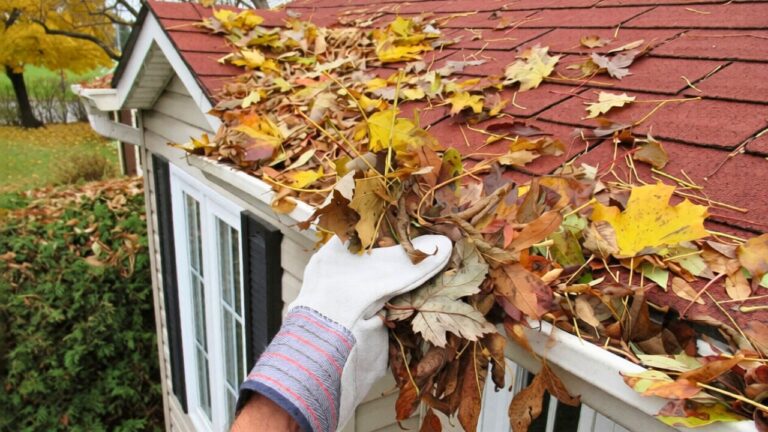
Roof problems are another area where moisture and system failure intersect. Negotiation advice for sellers explains that a roof repair can be costly depending on the extent of the issues, and inspectors often find missing or broken shingles, clogged gutters, or sagging sections that might prevent water from draining properly, all of which raise the risk of leaks and interior damage, as detailed in guidance on how a roof repair can be costly. When you proactively repair or replace compromised roofing, update an old HVAC system, and address plumbing vulnerabilities, you signal to buyers that the home’s backbone is sound, which supports stronger offers and smoother appraisals.
Cosmetic upgrades buyers love still depend on dry bones
It is tempting to focus your pre-sale budget on visible upgrades, and there is no question that buyers respond to fresh finishes and modern features. A detailed Seller Action Plan for current conditions encourages you to refresh your interior with neutral, contemporary paint colors and updated fixtures so that rooms feel move-in ready, advice that highlights how a strategic Seller Action Plan to refresh can boost appeal. Similarly, renovation guides for 2025 recommend incorporating energy efficiency and smart home features, noting that today’s buyers are increasingly eco conscious and look for sustainability in their next home, with energy efficient upgrades and smart thermostats making properties a more attractive option for modern buyers, as outlined in a list of five essential projects that urge you to incorporate energy efficiency and smart home features.
Exterior presentation matters as well, but it still rests on the assumption that the structure is dry and sound. Experts on curb appeal point out that the front entry is a powerful signal, noting that The Front Door is a Small Feature with Big Influence because there are not many exterior elements that can have as strong an impact on first impressions for buyers, a point emphasized in an analysis that describes how The Front Door, a Small Feature with Big Influence, shapes perceptions. Yet even the best paint, hardware, and landscaping will not overcome the shock of a musty smell or a damp basement during the showing, which is why addressing water issues must come before or alongside those cosmetic investments.
Turning water risk into a selling advantage
If you tackle leaks and moisture problems before listing, you can flip a common liability into a competitive edge. Start with a thorough walkthrough, looking for stains, soft spots, and signs of past repairs, then bring in a qualified plumber or contractor to trace any suspicious areas back to their source. Fixing the underlying Plumbing issues, whether that means replacing corroded supply lines, re sealing a shower pan, or improving drainage around the foundation, not only protects your home but also gives you documentation you can share with buyers to demonstrate that the problems have been resolved, a step that aligns with expert advice on addressing Plumbing leaks before damage spreads.
From there, consider a pre listing inspection focused on moisture, structure, and pests so you can correct issues before buyers ever see them. Structural specialists note that the biggest red flags in a home inspection are foundation cracks, especially horizontal or wider than 1/4 inch, structural movement, and roof problems like missing shingles or sagging, all of which are often tied to water intrusion, as detailed in a breakdown of the biggest red flags in a home inspection. By repairing those issues in advance and documenting the work, you give buyers fewer reasons to discount your price, fewer excuses to reopen negotiations, and a clear signal that your home’s most critical, and most often skipped, repair has already been handled.
Like Fix It Homestead’s content? Be sure to follow us.
Here’s more from us:
- I made Joanna Gaines’s Friendsgiving casserole and here is what I would keep
- Pump Shotguns That Jam the Moment You Actually Need Them
- The First 5 Things Guests Notice About Your Living Room at Christmas
- What Caliber Works Best for Groundhogs, Armadillos, and Other Digging Pests?
- Rifles worth keeping by the back door on any rural property
*This article was developed with AI-powered tools and has been carefully reviewed by our editors.