The repairs sellers are avoiding before listing—and buyers notice
Buyers are walking into showings more prepared and more skeptical, and the shortcuts sellers take before listing are showing up in inspection reports, repair addendums, and, increasingly, canceled contracts. The projects owners skip are not just cosmetic oversights, they are signals that shape how buyers price risk, structure offers, and decide whether to stay in the deal at all. I see the same pattern repeatedly: the repairs sellers hope to dodge are exactly the ones buyers and inspectors spotlight first.
From aging HVAC systems to sticky windows and suspicious stains, the gap between what sellers fix and what buyers notice is widening. Understanding which issues actually move the needle, and which can be negotiated around, is now a core part of selling strategy rather than an afterthought.
Pre-listing inspections are exposing the “I’ll let the buyer deal with it” mindset
More agents are quietly urging owners to get ahead of problems with pre-listing inspections, not because sellers suddenly love spending money, but because surprise defects are blowing up deals. When I talk to listing agents, they describe buyers walking away after inspections uncover structural cracks, outdated panels, or chronic leaks that were never disclosed, which is exactly why many are turning to pre-listing inspections to keep contracts from collapsing at the eleventh hour. The inspection does not obligate a seller to fix everything, but it forces a choice: either address the most serious items or price and disclose them honestly.
That shift matters because it exposes the quiet calculation many owners make, deciding to ignore aging systems or borderline safety issues and hoping buyers will not notice until they are emotionally committed. In practice, inspectors are trained to flag exactly those deferred items, and buyers are using detailed reports to demand concessions or walk away. When a seller chooses not to repair, the smarter move is to pair that decision with clear documentation and realistic pricing, rather than pretending the problem does not exist and risking a failed inspection later.
Major systems and safety issues: the repairs buyers rarely forgive
The most consistent friction point I see is around big-ticket systems and safety hazards, which are the first things inspectors and lenders scrutinize. Guidance on What Sort of Issues Must Be Fixed makes the hierarchy clear: defects tied to health, safety, or structural integrity, such as active leaks, mold, lead-based paint, asbestos, or serious electrical hazards, are treated very differently from worn carpet or dated countertops. After a bad inspection, sellers are routinely pushed to address Major electrical issues and Plumbing problems, along with drainage and roof concerns, because these are the items that can derail financing and trigger legal exposure if left unaddressed.
Buyers are also increasingly alert to subtle signs that a home’s history is rougher than the listing photos suggest. In the same way that car shoppers are warned that Even small signs of prior damage can hint at larger, hidden problems, homebuyers are reading rust on a water heater, patched ceilings, or mismatched siding as clues that bigger repairs may be lurking. When those clues line up with inspection findings, buyers tend to push hard for credits or insist that the seller complete repairs before closing, especially if the issues touch safety or long-term durability.
Foundation, roof, and water: the red flags that scare buyers off
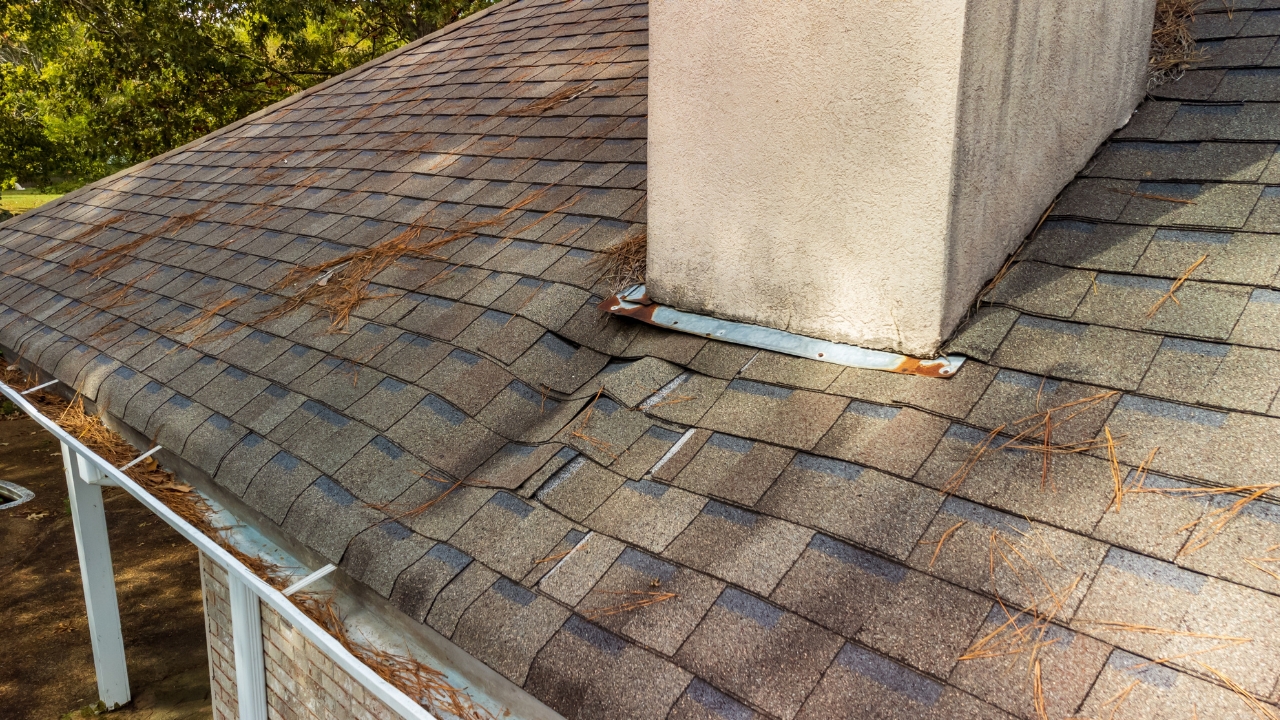
Among all the defects that show up on reports, foundation and roof problems sit in a category of their own, because they are expensive to diagnose and even more expensive to fix. Inspectors consistently describe horizontal cracks, gaps wider than 1/4 inch, and visible sagging as some of the biggest red flags in a home inspection, right alongside roof issues like missing shingles or a visibly dipping ridge line. When sellers choose not to address these before listing, they are effectively betting that buyers will either underestimate the cost or be willing to shoulder the risk, a gamble that often fails once a professional report spells out the potential structural implications.
Water-related problems sit close behind on the buyer anxiety scale, from chronic drainage issues to evidence of past leaks that were never properly remediated. In one detailed inspection thread, a buyer shared a long list of flagged items, including Fluctuations in water pressure that could damage the water heater and supply lines, along with plumbing repair recommendations and an electrical service disconnect concern. When sellers ignore that kind of feedback or refuse to negotiate, buyers often interpret it as a sign that the home has been neglected more broadly, which can be enough to send them back to the search portal.
HVAC, windows, and “invisible” comfort issues buyers absolutely notice
Comfort systems are another category where sellers frequently underinvest, assuming buyers will accept older equipment as long as it still runs. Yet both inspectors and real estate pros keep pointing out that heating and cooling failures can cost several thousand dollars, which is why one expert explicitly urges owners to Service or Replace HVAC Systems LiguoriRegarding HVAC, it may be worth a service call and documentation to reassure the next owner. Ignoring that step can turn a functioning but unserviced system into a negotiation flashpoint.
Windows fall into a similar blind spot. They are expensive to replace, so many sellers simply paint around sticky sashes, fogged panes, or rotting sills and hope staging will distract from the flaws. Yet guidance on How to Properly Stage Your Windows When Selling makes it clear that buyers are acutely aware that windows are one of the most expensive components to repair or replace in a home. When they see condensation between panes or feel drafts during a showing, they mentally add thousands of dollars to their post-closing budget, which often translates into lower offers or demands for credits.
Cosmetic shortcuts and clutter that quietly kill buyer confidence
Not every skipped repair is structural, but even small, visible flaws can undermine trust in the rest of the property. Advice on preparing for showings stresses that While sellers do not need to undertake major renovations, ignoring minor repairs like loose handrails, cracked tiles, or peeling caulk signals that the home has not been carefully maintained and can lead buyers to assume bigger problems are hidden. Another guide on what stops buyers from making an offer notes that seemingly small issues, from scuffed baseboards to broken light fixtures, affect how buyers perceive the entire home and explicitly recommends owners Get a Pre Listing Inspection to catch them early. When sellers skip these low-cost fixes, they leave easy points on the table and invite harsher scrutiny of more expensive components.
There is also a growing recognition among agents that clutter and half-finished DIY projects can be as damaging as a dated kitchen. A video breaking down Apr essential repairs before listing emphasizes that buyers are quick to notice mismatched paint, sloppy caulk lines, and lingering odors, all of which suggest that other work in the home may have been done to the same standard. Another creator who walks through 5 Home Repairs to AVOID Before Selling warns that some cosmetic overhauls can actually backfire if they look rushed or out of sync with the rest of the property, reinforcing the idea that targeted, well-executed fixes beat a flurry of last-minute patch jobs.
Negotiation, transparency, and the myth that sellers should never fix anything
Once an inspection is complete, the question is not whether issues exist, but who will pay to address them and on what timeline. Some investors argue that buyers should push for price reductions or credits instead of asking for work to be done, but even in those circles there is pushback against the blanket advice to avoid repairs. One widely shared investing thread starts with Sorry, and challenges the mantra to NEVER LET the SELLER handle REPAIRS, pointing out that there are at least two major reasons buyers sometimes want work completed before closing, including lender requirements and the complexity of coordinating trades. A separate explainer on how to negotiate repairs after an inspection walks through multiple options, from asking for specific fixes to requesting credits, and encourages both sides to Learn the pros and cons of each approach rather than defaulting to a single script.
Transparency is the other piece of the puzzle, and it is where many sellers still stumble. In one discussion, a user named Parent shared the view that Transparency builds trust and can help manage expectations, even if sellers do not point out every minor flaw. That aligns with legal guidance noting that Failure to disclose known issues, especially when a seller knew about a problem and did not share it, can expose them to claims after closing. When owners choose not to repair, being upfront about the decision and documenting the condition can be the difference between a tough but successful negotiation and a dispute that lingers long after the keys change hands.
Strategic triage: what to fix, what to disclose, and what to leave alone
The most effective sellers I encounter are not the ones who fix everything, but the ones who make deliberate choices based on condition, budget, and market expectations. One practical framework starts with Determining Your Approach and urges owners to Assess Your Home and its Condition objectively, then Evaluate which repairs will meaningfully improve safety, marketability, or appraisal outcomes. Another breakdown of common seller mistakes notes that Here, owners often avoid making repairs and end up eroding buyer confidence and increasing negotiation hurdles, right alongside Overpricing a Property, which is described as One of the biggest missteps. The pattern is clear: strategic repairs paired with realistic pricing tend to outperform listings that try to pass every cost to the next owner.
At the same time, not every project is worth tackling. A video that walks through Oct and But key repairs to avoid before selling argues that some upgrades, like fully remodeling a kitchen or installing top-of-the-line fixtures in a mid-range neighborhood, rarely deliver a strong return. Another explainer on what happens when a home effectively Dec inspection notes that if major issues are discovered, buyers will decide how to proceed and may submit detailed Repair requests rather than walking away outright. In that context, it can be smarter for a seller to leave some discretionary projects undone, disclose them, and be ready to negotiate, instead of pouring cash into renovations that buyers might redo anyway.
Why buyers are more repair-savvy than ever
One reason sellers are getting less leeway on deferred maintenance is that buyers have access to more granular guidance and peer experiences than at any point in the past. Detailed explainers on Once the inspection is presented walk buyers through which issues are typically mandatory to fix and which can be negotiated, while inspection-focused blogs highlight how foundation, roof, and moisture problems can snowball if ignored. On social platforms, buyers trade inspection reports, cost estimates, and negotiation strategies in real time, reinforcing the idea that walking away from a problematic property is often cheaper than inheriting someone else’s deferred maintenance.
At the same time, more buyers are learning how to structure offers around repairs instead of treating inspection as a simple pass or fail. Videos that start with Sep and Looking to buy or sell a property encourage viewers to use inspection findings as a roadmap for negotiation, not just a list of complaints, and to Learn when to ask for repairs, when to request credits, and when to walk away. That sophistication is reshaping the incentives for sellers: skipping key repairs no longer means buyers will not notice, it simply means they will arrive at the table better armed, more skeptical, and more willing to move on if the numbers do not add up.