The rifle setup that snags on everything when you’re moving fast through brush
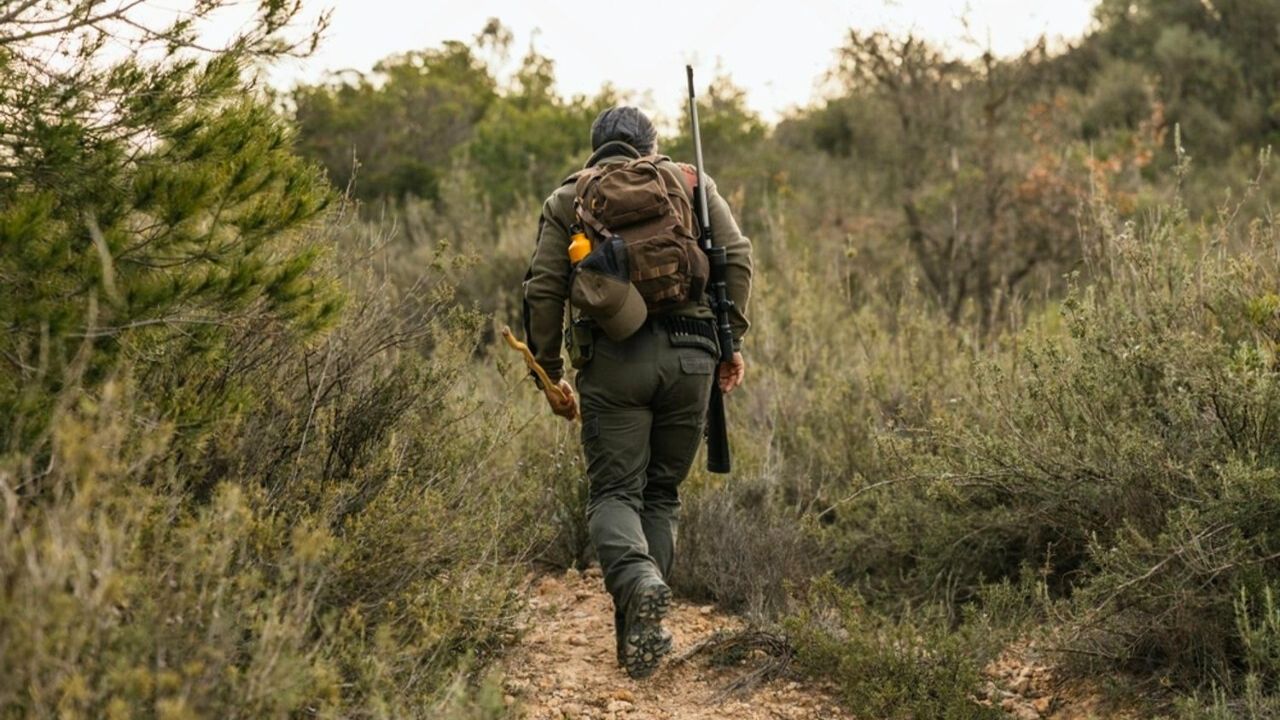
When you push hard through alder tangles or cedar thickets, the wrong rifle setup turns every branch into a hook. Extra knobs, long barrels, and dangling accessories do more than slow you down, they can cost you a shot or even send your muzzle in an unsafe direction. If you want to move fast in brush without your rifle snagging on everything, you need to think about the entire package, from action and barrel length to optics, bipods, and slings.
The good news is that you do not need a specialized “brush gun” to stay slick in the woods, but you do need to be ruthless about what actually earns a place on your rifle. By stripping away snag hazards and choosing compact, purpose‑built components, you can build a rig that threads through cover, mounts quickly, and still gives you the precision you need when a shot finally opens up.
What “brush gun” really means when you are in the thick stuff
Hunters have argued for decades about what makes a true brush rifle, but the term has always been more about handling than ballistics. In popular use, a brush gun is a large caliber, lever action hunting carbine that you can swing quickly in tight cover, a description that matches the way the name “brush gun” is used as an umbrella term for short, handy rifles where a long barrel would be unwieldy or impractical. The key idea is that the rifle should not fight you when you slip between saplings or pivot around a tree to catch a deer crossing a lane.
Modern testing has also chipped away at the myth that certain calibers magically punch through branches. In a detailed experiment, Dec and his team in the video “Testing the Brush Gun Myth” showed what happens to bullets after they hit obstacles, and the results undercut the idea that heavy, slow rounds stay perfectly on track in brush. A companion analysis explained that You most often hear the term applied to medium and heavy caliber lever action carbines, but that reputation comes from how they carry and point in the woods rather than any special immunity to twigs, a point reinforced in the written breakdown of testing the brush gun myth. For your setup, that means you should focus less on mythical “brush busting” and more on a configuration that does not snag or slow your movement.
The classic mistakes that turn a handy rifle into a snag magnet
The most common way you turn a manageable rifle into a liability in brush is by bolting on every accessory that looks useful on a flat range. Tall target turrets, oversized bipods, and bulky lights all create edges that catch on vines and straps. When you stack those on a long barrel and a full length handguard, you end up with a package that feels like a canoe paddle in a dogwood thicket, even if the underlying action is compact.
Some of the worst offenders are add‑ons that make sense in open country but punish you in tight cover. A sitting bipod that helps you see over shrubs in flat country, for example, becomes a protruding snag point when you are weaving through saplings, even though it can be a smart choice for medium‑range shots in flat country. Likewise, a tall, exposed elevation turret that is perfect for dialing long shots can bang into branches and brush, which is why some newer scopes use a low profile elevation turret sized specifically to reduce snag and bump potential while still allowing precise adjustments, as seen on the Steiner H6Xi riflescopes. If you want to move fast, you need to treat every protrusion as a potential hook and pare back accordingly.
Action type, barrel length, and the myth of the “only” brush rifle
There is a persistent belief that only lever actions qualify as real woods rifles, but the reality is more flexible. Bolt actions remain the dominant choice for deer hunting because They ( Bolt‑actions ) are offered in a wider caliber selection than most other actions, and loading and unloading them is straightforward, with the ability to dump cartridges out of the gun all at once, as outlined in a detailed look at the 4 best rifle actions. If you keep the barrel reasonably short and the forend trim, a bolt gun can be just as quick in the woods as a lever, especially when you are used to running the bolt under stress.
What matters more than action type is overall length and balance. A carbine length barrel and compact stock keep the muzzle from poking out ahead of you where it can spear into brush or smack trees. That is why Hunters who trek through thick brush or dense woods appreciate the way a shorter handguard keeps their rifle manageable, allowing them to navigate tight spaces without the front end getting hung up on branches or gear, a point highlighted in the discussion of short handguards. Whether you run a lever, bolt, or semi‑auto, trimming that front profile is one of the fastest ways to make your rifle less likely to snag.
Optics that help in brush, and the ones that get in your way
Optics are another place where a setup that shines on a bench can betray you in the woods. Large, high magnification scopes with big objective bells and tall turrets add bulk and weight high on the rifle, which makes the gun feel top heavy as you duck under limbs. One shooter’s experience with a magnified optic that became more of a hindrance than a help, especially when a big scope made it difficult to aim quickly at close range, illustrates how a red dot sight can be a better fit for fast shots in cover, as described in a range report on the Leupold Freedom RDS. In brush, you rarely need high magnification, but you do need a sight that comes up fast and does not snag.
Compact optics are built with that reality in mind. A smaller scope or red dot with Durable construction that is Built to withstand tough field conditions is Ideal for rugged environments where mobility is essential, because it keeps the rifle’s profile tight while still surviving bumps and weather, as explained in a guide on why you should hunt with compact optics. Pairing a low profile optic with capped or low turrets and a modest objective lens keeps your rifle from catching on straps and branches, while still giving you a clear, fast sight picture when a deer steps out at 40 yards.
Bipods, shooting sticks, and when support gear becomes a liability
Support gear can be a blessing when you need to steady a shot, but it can also be the first thing that snags when you push through brush. A detailed breakdown of bipod types notes that Prone Bipods are Best suited for flat terrains where maintaining a low profile is critical, while Sitting bipods are designed for medium range shots when you need extra height, as outlined in the section on Types of Bipods in a guide to must‑have hunting rifle accessories. Those designs make sense when you are glassing open hillsides, but in tight timber, a long bipod hanging off the front of your rifle is just one more thing to hook on vines.
Even smaller, more compact bipods can cause trouble when you are constantly moving. One analysis of field use points out that if you are a hunter on the move in rough terrain, traveling through thick brush, a bipod is more likely to get caught on vegetation, and it can even interfere with how your sling attaches to the rifle, as described in a discussion of hunting with a bipod. If you expect to stalk through dense cover, you are often better served by lightweight shooting sticks you can stash in a pack, or by learning to build natural rests off trees and packs, rather than leaving a metal claw bolted to the front of your rifle.
Slings, attachment points, and how to keep the rifle from swinging into brush
A good sling is almost mandatory once you leave the truck, but a bad sling setup can make your rifle behave like a pendulum that smacks into every branch. A general guide to attachments notes that if you plan to carry a rifle or shotgun anywhere outside your home, a sling or scabbard is all but mandatory, because slings allow you to carry the weapon hands free while still keeping it accessible, as explained in a beginner’s guide to firearm attachments. The problem comes when you mount that sling to far forward studs or rail sections that stick out, or when you let the rifle hang too low so the muzzle drags through brush.
You can turn the sling into an asset by choosing low profile hardware and learning to use it for control, not just carry. Another section of the same guidance emphasizes that Slings can also be used to stabilize your shooting position and keep your weapon away from you, especially when you manage tension correctly, as highlighted in the discussion of how slings support carry. When you cinch a modern two point sling tight across your chest, the rifle stays tucked in and the muzzle tracks with your torso instead of swinging wide, which dramatically reduces the chances of snagging on saplings or banging into rocks as you move.
Handguards, grips, and managing recoil without extra snag points
Your interface with the rifle matters as much as the hardware itself. A shorter handguard that stops well before the muzzle gives you enough real estate for a solid grip while keeping the front of the rifle clean, which is why Hunters who trek through thick brush or dense woods value designs that keep the rifle manageable and reduce the chance of the front end getting hung up on branches or gear, as detailed in the overview of short handguards. Adding vertical grips, barricade stops, and rail covers might feel good on a square range, but each one is another edge that can catch on a vine when you least expect it.
Recoil management is often used to justify extra hardware, yet your technique can do most of that work without adding snag hazards. A detailed guide to smoother shooting explains that Proper Grip and Hand Placement, including a Thumb forward grip where you Place your support hand with the thumb pointing toward the muzzle, helps you control recoil and track the sights, and it also recommends using sling support for added stability, as outlined in the section on how to manage rifle recoil. By leaning on grip, stance, and sling tension instead of bulky muzzle brakes or giant foregrips, you keep the rifle sleek enough to slip through brush while still staying on target for a fast follow up shot.
Choosing only the accessories that earn their place in brush
When you build a rifle for dense cover, every accessory has to justify its weight, bulk, and snag potential. A practical list of hunting gear highlights five gun accessories every deer hunter should own, including items like a quality sling, a reliable optic, and support gear that help you make ethical shots, as laid out in the rundown of gun accessories every deer hunter should own. The trick is to adapt that list to your environment, prioritizing compact versions of those essentials and skipping anything that mainly adds complexity or protrusions.
Some accessories that shine in open fields become liabilities in brush, while others pull double duty. For medium range shots in flat country, for example, a sitting bipod might help you see over shrubs or tall grasses, and if you spot and stalk, a sling can create tension that steadies the rifle, as described in the section on using bipods and slings for stability. In thick timber, you might drop the bipod entirely but keep the sling and a compact optic, then rely on natural rests and body position for support. The goal is a stripped down rifle that still carries the few tools you truly need when a shot finally appears through the branches.
Mindset, movement, and why the “brush gun” label matters less than your habits
Even the slickest rifle will snag if you move carelessly, and a slightly bulkier setup can work if you handle it with intention. Experienced shooters in one discussion about brush rifles, including a user named Allanon_Kvothe, argued that lever actions were never really about bullet design or calibers, but about being compact and quick handling in woods that were “unsuitable for open land,” a point raised in the thread on testing the brush gun myth. That perspective reinforces the idea that your movement, awareness of cover, and willingness to keep the rifle tight to your body matter as much as the specific model you carry.
Your training habits should reflect that reality. Dry practice mounting the rifle from a slung position, weaving around doorways or trees, and learning how the muzzle tracks when you pivot will reveal where your setup catches and where you need to adjust sling length or hand placement. A broader primer on attachments notes that Slings and other add‑ons are tools, not decorations, and that you should choose them with a clear purpose in mind, as emphasized in the beginner’s guide to firearm attachments. When you combine that disciplined mindset with a compact optic, short handguard, minimal protrusions, and a well tuned sling, you end up with a rifle that moves through brush as quickly as you do, instead of one that snags on everything the moment you pick up the pace.
Like Fix It Homestead’s content? Be sure to follow us.
Here’s more from us:
- I made Joanna Gaines’s Friendsgiving casserole and here is what I would keep
- Pump Shotguns That Jam the Moment You Actually Need Them
- The First 5 Things Guests Notice About Your Living Room at Christmas
- What Caliber Works Best for Groundhogs, Armadillos, and Other Digging Pests?
- Rifles worth keeping by the back door on any rural property
*This article was developed with AI-powered tools and has been carefully reviewed by our editors.