The rotating display trick from Junk or Jackpot that makes a house feel bigger overnight
You do not need a bigger house to feel like you have one. The simple rotation strategy that designer Bobby Berk uses on Junk or Jackpot lets you keep the collections you love while instantly opening up your rooms, making them calmer, lighter, and more flexible almost overnight. By treating your belongings like a curated exhibit instead of permanent clutter, you can reclaim square footage, highlight your favorite pieces, and still honor the stories behind them.
From TV “renovation intervention” to everyday space hack
On Junk or Jackpot, Bobby Berk walks into homes where collections have taken over, then stages what he calls a kind of renovation intervention that starts with how you edit and display what you already own. The series follows him as he meets people whose stockpiles are overflowing, listens to the emotional history behind those items, and then helps them decide what should stay, what should be sold, and what deserves a better stage. Instead of shaming collectors, he reframes their passion as raw material for a more livable, gallery-like home that feels larger because every surface is no longer competing for attention.
The show is part of a broader wave of design programming that treats clutter as a design problem as much as a storage issue, and it is positioned as a new tentpole in the Junk or Jackpot? franchise. You see Berk step into homes where collections strain relationships and overwhelm rooms, then use a mix of editing, selling, and smart styling to reveal how much space was hiding in plain sight. That same approach, especially his rotating display trick, translates directly to your own living room or hallway, even if your “collection” is just too many books, sneakers, or family photos.
The core idea: treat your stuff like an art collection
The heart of Berk’s method is deceptively simple: you stop thinking of your belongings as permanent fixtures and start treating them like an art collection that changes over time. Instead of lining every shelf with every figurine, vinyl record, or framed print you own, you select a small group to feature for a season, then swap them out on a schedule that suits your life. This instantly reduces visual noise, which is one of the main reasons a room feels cramped even when the square footage has not changed.
Berk has explained that he wanted homeowners on the show to “learn to treat their collection as almost an art collection,” encouraging them to rotate pieces in and out, sell what no longer fits, and allow their displays to evolve as their lives do. That philosophy is clear when he works with couples like Patrick and Roger, whose relationship is part of the storyline as he helps them rethink how their shared possessions are displayed and valued. In coverage of the series, he describes how They can let the collection change as Patrick changes, a reminder that your home should reflect who you are now, not just who you were when you started buying. That mindset shift, captured in his comments about treating collections like art, is what makes the rotating display trick so powerful.
Why rotating displays make rooms feel bigger
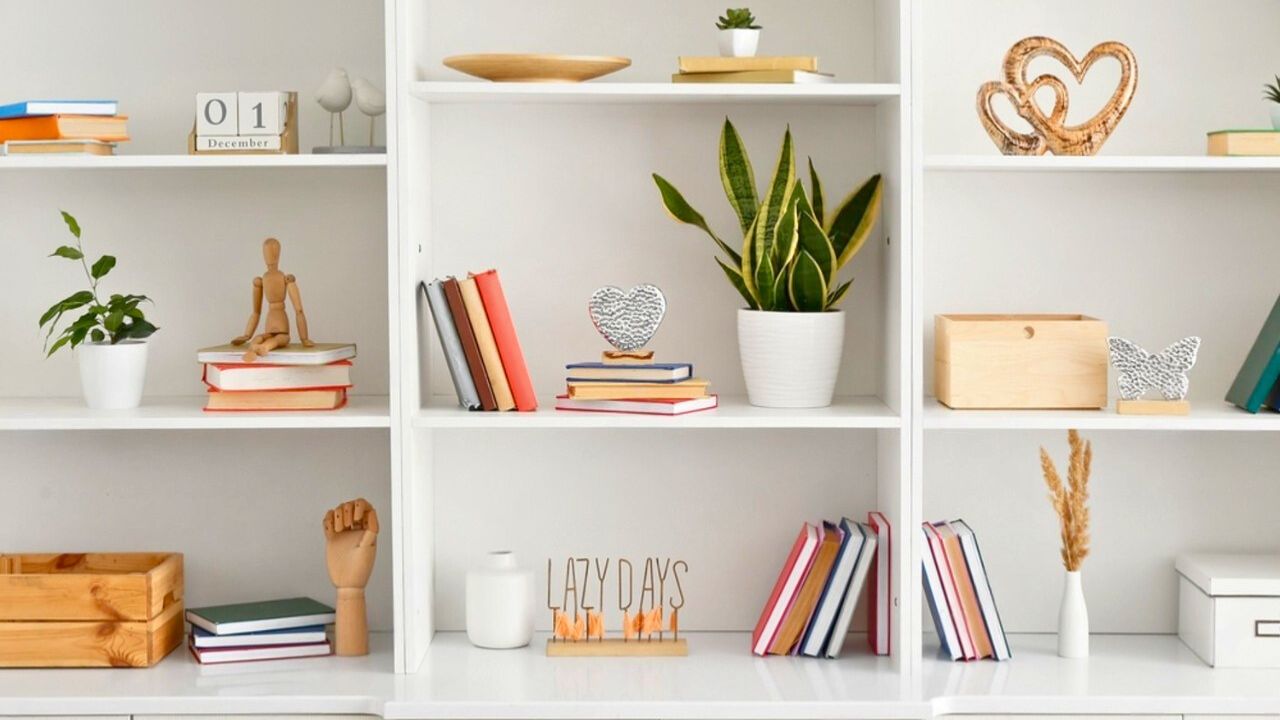
When you rotate what is on show, you are not just decluttering, you are changing how your eye moves through a room. A crowded wall of collectibles or a jammed bookcase pulls your attention in a hundred directions at once, which makes the space feel busy and smaller than it is. By limiting each surface to a handful of intentional pieces, you create negative space around them, and that breathing room tricks your brain into reading the room as larger, calmer, and more open.
Berk leans on this principle repeatedly on Junk or Jackpot, especially when he reveals makeovers funded by selling off part of a collection. After homeowners decide what to part with, he helps them sell those items and then uses the profits to transform their spaces, often showing before-and-after shots where the only major change is how much is on display and how it is arranged. In early episodes, he walks clients through the shock of discovering how much their stockpiles are worth, then channels that windfall into design moves that highlight a curated few pieces instead of the entire hoard. Reports on the show describe how he helps them sell what they no longer need and then uses the proceeds to make over their spaces, underscoring how rotation and editing can unlock both visual and financial square footage.
The rule: never display everything at once
If you have a large collection that you have decided to keep, Berk’s non‑negotiable rule is that it should never be on display all at once. You choose a subset that tells the story you want right now, then store the rest carefully so it is ready for its turn. This is not about hiding what you love, it is about giving each piece a chance to shine instead of letting everything blur into background clutter.
He has been explicit that even serious collectors should resist the urge to fill every inch of shelving, describing how a rotation schedule can keep your home feeling fresh without adding a single square foot. In one interview, he explains that if you have a large collection you want to keep, it should be edited down for display and the remainder stored, a guideline that lets you enjoy your passion without sacrificing livability. That advice is woven into coverage of his new series, where he talks about how to handle big stockpiles and reminds viewers that you can love something without seeing it every day. His comments on how a collection “should never be on display all at once” are highlighted in a feature on managing large collections, and they translate directly into a practical rule you can apply in your own home tonight.
How Junk or Jackpot builds a system around your stuff
On screen, the rotating display trick is only one part of a larger system Berk builds with each homeowner. He starts by listening to the emotional stories behind their stockpiles, then separates items into categories: what to keep and feature, what to keep and store, and what to sell. That structure turns a vague desire to “declutter” into a concrete plan, and it is the same framework you can use at home with nothing more than a few boxes and a notebook.
The show itself is framed as a journey from chaos to clarity, produced by John Cena and built around Bobby as he helps people understand both the sentimental and financial value of what they own. Viewers see him walk through homes, hear the backstories, and then guide owners toward decisions that respect those memories while still making room for daily life. The official description notes that the series, produced by John Cena, follows Bobby as he hears the emotional stories behind stockpiles of collectibles and even explores how those piles affect relationships like Patrick and Roger’s. That narrative spine is what makes the rotating display feel less like a design gimmick and more like a sustainable system you can live with.
Storing like a curator, not a pack rat
Rotating displays only work if what is offstage is stored with care, and Berk is blunt about that. He encourages homeowners to think like museum staff, with items neatly organized, labeled, and protected so they can be swapped in without a weekend‑long excavation. When your overflow is cataloged instead of crammed into random bins, you are far more likely to rotate pieces regularly, which keeps your rooms feeling dynamic and your collection in active use.
In a behind‑the‑scenes conversation, he describes how the items that were not on display were “neatly or organized and stored and cataloged,” emphasizing that this backstage order is what makes the front‑of‑house look so effortless. He ties that discipline back to the idea that if you love something so much, you should treat it with respect, whether it is on the wall or in a box. That perspective comes through in a clip where he talks about how stuff was neatly organized and cataloged, a small detail that makes the difference between a rotating display that works and one that collapses back into clutter.
Designing “renovation interventions” around collections
Junk or Jackpot is built around the idea that a collection can be both the problem and the solution. Berk does not simply clear out rooms and start from scratch, he designs interventions that use the best of what people already own as the foundation for a new layout. By pulling a few standout pieces into focus and letting the rest step back, he shows homeowners how their collections can anchor a room instead of swallowing it.
The first trailer for the series highlights how intense some of these interventions can be, with Bobby Berk walking into homes packed with memorabilia and staging dramatic rethinks of how those items are displayed. The show is positioned as a new HGTV series, Junk or Jackpot?, with NEED and KNOW style bullet points that spell out how he will confront “crazy collections” and reveal the sometimes shocking amount they are worth. Coverage of the trailer notes that the series follows Bobby Berk on HGTV as he stages renovation interventions for homeowners with overwhelming collections, then shows them how a curated display can transform both the look and the value of their space.
How to copy the rotating display trick at home tonight
You do not need cameras or a construction crew to borrow this move. Start by choosing one focal area, like the shelf behind your sofa or the wall above a console, and clear it completely. Then shop your own home, selecting a small group of items that share a theme, color, or story, and arrange them with plenty of space between each piece. Everything else goes into labeled storage, ready for the next rotation.
If you want structure, you can mirror the kind of step‑by‑step guidance that HGTV viewers get from shows like Junk or Jackpot and other DIY‑friendly series. Many of those programs are now easy to stream, and some guides point out that HGTV content is also available on platforms like YouTube, where you can pick up tips on décor, storage solutions, and garden inspiration. One overview of home‑improvement programming notes that as a Bonus, HGTV is on YouTube with segments that cover storage and styling, which can help you refine your own rotation system with professional visuals.
Keeping the momentum: schedules, seasons, and inspiration
Once you have tried a first rotation, the key is to keep it going so your home continues to feel spacious and new. You might tie your schedule to the seasons, swapping in brighter ceramics and lighter artwork in spring, then rotating to deeper tones and cozier textures in fall. Or you can set a recurring reminder in your calendar every two or three months to revisit one zone at a time, which keeps the task manageable and prevents your displays from slowly creeping back into overload.
For inspiration, you can look beyond the main episodes to short clips and social content that show how designers like Berk think through a vignette. A quick video tour of a styled shelf or a before‑and‑after reel can give you ideas for grouping, layering, and leaving intentional gaps. One short video tied to the series shows how a small change in arrangement can dramatically shift the feel of a room, underscoring how little you need to move to get a big effect. Watching a compact clip like the Junk or Jackpot short can be enough to spark a new rotation, and over time those small, repeated edits are what make your home feel bigger without adding a single square foot.
Like Fix It Homestead’s content? Be sure to follow us.
Here’s more from us:
- I made Joanna Gaines’s Friendsgiving casserole and here is what I would keep
- Pump Shotguns That Jam the Moment You Actually Need Them
- The First 5 Things Guests Notice About Your Living Room at Christmas
- What Caliber Works Best for Groundhogs, Armadillos, and Other Digging Pests?
- Rifles worth keeping by the back door on any rural property
*This article was developed with AI-powered tools and has been carefully reviewed by our editors.