The “safe” extension-cord setup that overheats faster than people think
The extension-cord arrangement that feels tidy and “under control” in your living room or home office is often the one that heats up fastest. When you stack power strips, coil cords, and plug in a few hungry devices, you create a setup that looks organized but quietly pushes wires, plugs, and contacts past what they were built to handle. The danger is not theatrical sparks, it is slow, invisible overheating that can turn a normal corner of your home into the starting point of a fire.
Electrical safety data show that this is not a fringe problem. Extension cords are involved in thousands of home fires every year, and the patterns are strikingly similar: a “temporary” fix that became permanent, a cord doing more work than its rating, and a cluster of devices that seemed harmless because everything still powered on. Understanding why that familiar cluster is risky is the first step to building a setup that actually is safe, not just neat.
The deceptively normal corner that hides a fire risk
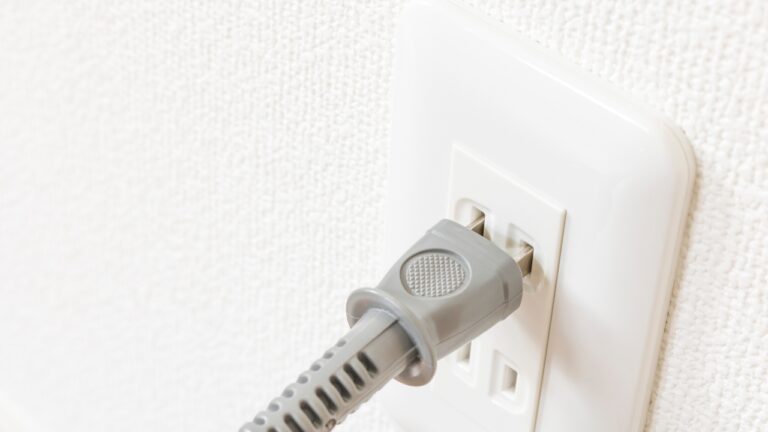
If you picture a risky electrical mess, you might imagine a tangle of cords under a desk. In reality, the more dangerous scene is often the opposite: a single extension cord feeding a power strip, tucked behind a sofa or entertainment center, with every outlet filled and the wiring hidden from view. The arrangement looks intentional and controlled, which is exactly why you are less likely to question whether the cord, strip, and wall outlet can handle the combined load.
Reporting on home setups that “look fine” but still raise fire risk describes a classic pattern: one cord, one strip, several devices, and no obvious signs of trouble, because overloading is rarely obvious from the outside and the risk increases regardless of how tidy the plug strip looks. In that kind of corner, the cord may be undersized for the total wattage, the strip may be rated for less current than the wall circuit, and the heat has nowhere to go once furniture and rugs trap it, which is why that seemingly normal arrangement can quietly become a fire risk.
Why daisy chaining “safe” cords and strips overheats so quickly
The fastest way to turn a safe-looking setup into a problem is to daisy chain it, plugging one extension cord into another, or a power strip into a cord and then into yet another strip. Each connection adds resistance and concentrates current in a small section of wire or a cheap contact, which means more heat for the same amount of power. You might think that if every individual cord or strip is rated for 15 amps, linking them keeps you within limits, but the chain behaves like its weakest link, not its strongest.
Workplace safety guidance on Power Strips and Dangerous Daisy Chains explains that this kind of chaining can overload the wiring and create a fire hazard even when nothing trips a breaker. Electrical specialists warn that daisy chaining is never the right way to extend reach, because the combined load can exceed what the first strip or cord was designed to carry, turning that “safe” extension into a hot spot. Advice shared in an LPT thread spells it out bluntly: do not “Daisy chain” extension cords, and do not plug one power strip into another, because each extra link increases the current drawn down the line and the chance that something overheats before a breaker reacts.
What the numbers say about “just one more thing”
It is easy to dismiss warnings as theoretical until you look at the scale of actual incidents. Electrical safety advocates estimate that roughly 3,300 home fires originate in extension cords each year, killing 50 people and injuring hundreds more. Those numbers come from ordinary living rooms, bedrooms, and garages where someone added “just one more” device to a cord that was already warm. The pattern is not exotic misuse, it is everyday convenience slowly stretching equipment beyond its design.
Consumer safety guidance titled Household Extension Cords Can Cause Fires underscores that you are expected to choose the right extension cord for the job and use it exactly as specified, not as a permanent substitute for proper wiring. Utility safety campaigns echo the same point, warning that Overloading extension cords can lead to overheating and potential fires, and urging you to Stay aware of amperage ratings and the total load you are placing on a single run of wire. When you see the casualty figures attached to what looks like a harmless convenience, the idea of “just one more thing” on a cord starts to look less casual.
The hidden physics: resistance, bad contacts, and coiled heat
Even when you stay under the printed amp rating, the way you lay out a cord can push it into the danger zone. Every plug and socket introduces a small amount of resistance, and if those contacts are worn, dirty, or cheaply made, that resistance climbs. Electrical engineers point out that Bad contacts in cheap or worn-out plugs and jacks can cause excessive resistance and heating, especially where the cord is tightly bent or pinched. One poor connection in a chain can become the hottest point in the system, even if the rest of the wiring is oversized.
Heat also builds faster when you trap a cord in a coil or on a storage reel. Electrical professionals like Martin Rivest explain that cables are designed to dissipate heat with ambient air all around them, and that inner wrapped cables in a coil cannot shed heat effectively, so the temperature just continues to build. When you combine that trapped heat with daisy chained strips or a high load, the cord can reach a critical temperature long before you feel anything unusual on the outer jacket. That is why a neatly coiled extension cord on a reel, feeding a full power strip, is one of the most misleading “organized” setups you can create.
Why power strips are not miniature wall outlets
Power strips are marketed as convenience devices, not as replacements for permanent wiring, yet you are often tempted to treat them like a row of extra wall outlets. The plastic housing and multiple sockets create the illusion that each outlet is independent, when in reality they all share the same internal bus and cord. Safety specialists emphasize that Power strips are widely used in households and offices precisely because there are not enough outlets where you need them, and that Much of the time they are misused by being “Daisy Chaining Power Strips” together, which they were never designed to handle.
Electrical experts who focus on workplace and residential hazards go further, explaining Why Daisy Chaining Is Dangerous: when you plug a strip into another strip or into a light-duty extension cord, you can easily exceed the rating of the first device in the chain without realizing it. The built-in surge protector or switch on a strip does not change the capacity of the cord itself, and it does not protect against chronic overheating from a sustained high load. Treating a strip like a miniature panel of wall outlets ignores the fact that the entire assembly is only as robust as the single flexible cord feeding it.
The workplace lesson: “temporary” fixes that never get replaced
Offices and workshops offer a preview of what can go wrong at home, because they often rely on improvised wiring to keep up with modern equipment. Safety bulletins on The Dangers of Daisy Chaining Extension Cords in Sep highlight how September Awareness Topics like Reporting Serious Inju to OSHA often trace back to cords and strips that were meant as short-term solutions but became permanent. In any workplace, from an office to a manufacturing floor, once a daisy chained setup “works,” it tends to stay in place, even as more devices are added and the load creeps upward.
Home environments follow the same pattern. You might start with a single strip for a laptop and monitor, then add a phone charger, a space heater, a printer, and a desk lamp over time. Guidance aimed at homeowners lists Mistake number two as Overloading the Cord, warning that Plugging multiple high-wattage devices into one cord might seem convenient but it is exactly how you exceed the safe rating, especially if the cord uses a higher AWG (thinner wire). The lesson from both office and home is the same: if a cord or strip has quietly become a permanent fixture, you should treat that as a sign that you need more outlets or a dedicated circuit, not another extension.
How to rebuild that corner so it stays cool
Once you recognize that your “safe” setup is really a chain of compromises, the fix is straightforward but requires a bit of discipline. Start by mapping what is plugged in where, and identify any high-power appliances on cords, such as space heaters, portable air conditioners, or hair dryers. Safety advisors like Keven Moore stress that if you walk away with one piece of advice, it should be to avoid plugging high-power appliances and other devices that may overload that particular extension cord into the same run, because that is how extension cords can cause fires if used improperly. His guidance on how to minimize risk is clear: treat cords as temporary, keep heavy loads on dedicated outlets, and never hide connections where you cannot easily inspect them, advice detailed in If you walk away with one piece of advice from this article.
From there, apply the basic rules that electrical safety campaigns repeat: use the shortest cord that reaches comfortably, match the cord’s gauge and rating to the devices you are powering, uncoil cords fully so they can shed heat, and never daisy chain strips or cords to create more outlets. Guidance under Reaching to Safety: Use Extension Cords Properly notes that extension cords are meant for temporary use and that misuse could lead to electric shock or fire, which is a useful mental check every time you are tempted to make a “temporary” fix permanent. If you need more capacity in a room, the truly safe extension is not another cord, it is a licensed electrician adding outlets or circuits so that your everyday setup runs cool, even when everything is on at once.
Like Fix It Homestead’s content? Be sure to follow us.
Here’s more from us:
- I made Joanna Gaines’s Friendsgiving casserole and here is what I would keep
- Pump Shotguns That Jam the Moment You Actually Need Them
- The First 5 Things Guests Notice About Your Living Room at Christmas
- What Caliber Works Best for Groundhogs, Armadillos, and Other Digging Pests?
- Rifles worth keeping by the back door on any rural property
*This article was developed with AI-powered tools and has been carefully reviewed by our editors.