The safest circuit to use for a space heater and how to tell what’s on it
Space heaters promise quick comfort, but they also concentrate a lot of electrical load into a single plug. If you want that extra warmth without flirting with tripped breakers or worse, you need to know which circuit can safely handle the heater and how to confirm exactly what is on it. With a little detective work and some basic electrical math, you can choose the right outlet, map the circuit behind it, and run your heater with far more confidence.
The safest setup is not guesswork, it is a deliberate choice to use a properly sized, lightly loaded circuit and to verify what else shares that wiring before you ever flip the heater on. Once you understand how much power a typical unit draws and how your panel is laid out, you can treat a space heater like any other major appliance instead of a risky last resort.
Why circuit choice matters so much for a space heater
Most portable heaters are essentially small electric furnaces, and they pull a lot of current every minute they are running. A common 1,500-watt unit on a standard household circuit can draw 12.5 amps at 120 volts, which pushes right up against what many circuits are designed to carry continuously. That kind of sustained draw leaves very little headroom for lamps, TVs, or anything else that might already be on the same run of wire. When you stack loads on top of a heater like that, you are not just inviting nuisance trips, you are increasing heat in the wiring inside your walls.
Electrical pros treat that reality as a red line, which is why guidance on How Many Amps Does a Space Heater Use on a 120-volt system repeatedly points you toward a dedicated run instead of a crowded general-purpose branch. Safety specialists who focus on Preventing Circuit Overloads stress that Portable heaters often fall between 1,500 and 2,000 watts, and that Plugging them into a circuit that already feeds other heavy users is exactly how you end up with overheated cords and damaged receptacles. The safest circuit, in other words, is one that treats the heater as the main event, not an afterthought.
What “dedicated” really means for your heater
In practical terms, the best circuit for a heater is one that behaves like a line for a microwave or window AC, where the heater is the only significant load. Electricians who write about a Dedicated Circuit for Electric Space Heaters are blunt about the risk of stacking multiple units on one breaker, especially in older homes that may already be close to capacity. They also point out that Even a single combustion-style heater can start a fire if it is misused, which is why the wiring behind the outlet matters just as much as the heater’s built-in safety features.
When you treat a circuit as dedicated, you are making a conscious choice not to plug in other high-draw devices on that same run while the heater is operating. That means no second heater, no hair dryer, and no extra power strip feeding a gaming PC and a big-screen TV from the same receptacle. Fire officials who publish guidance on Portable Heater Fire Safety urge you to Place heaters on a solid, flat surface, Keep them at least three feet from anything that can burn, and Check cords and plugs for damage before use, all of which assumes you are not also overloading the branch circuit behind the wall. Treating that branch as heater-only during cold snaps is one of the simplest ways to respect those limits.
How to figure out which outlets are on which circuit
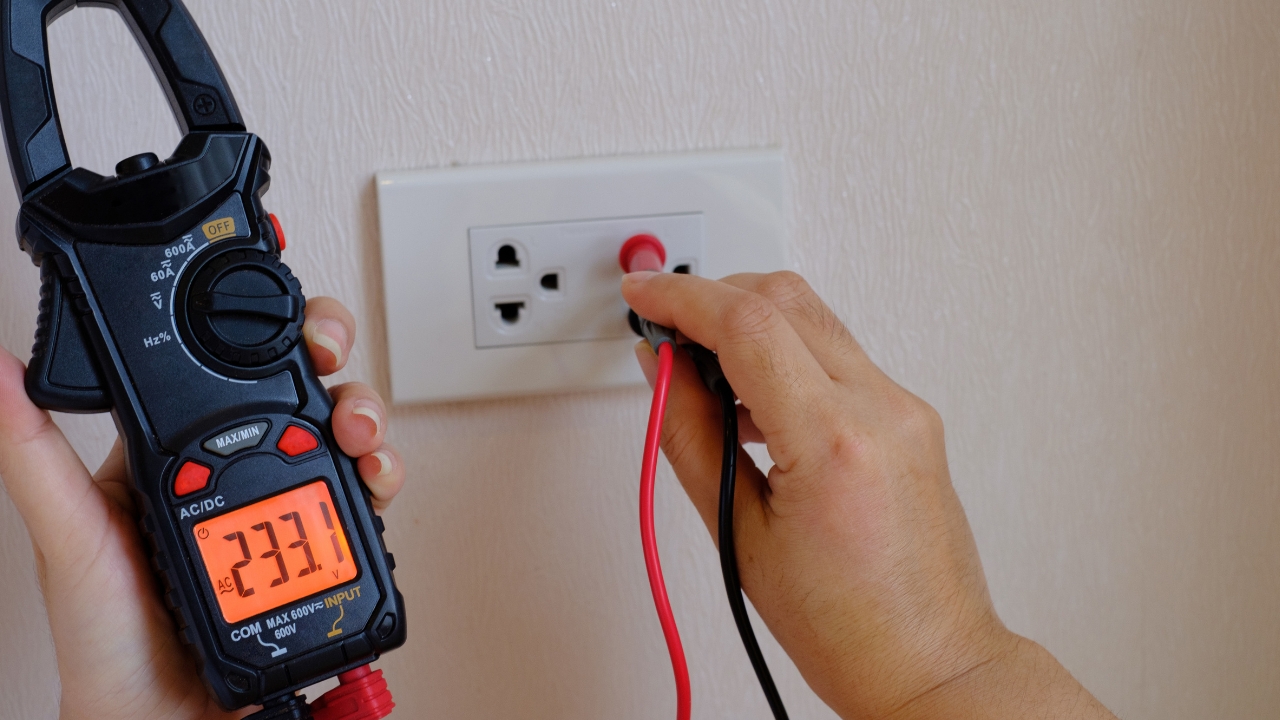
Knowing that a dedicated line is safest is one thing, finding it in a real house is another. If your panel is unlabeled or only vaguely marked, you are not stuck guessing. One straightforward method uses a transmitter and receiver pair often sold as a Circuit Detector: you Plug the transmitter into an outlet, then Use the handheld receiver at the panel to identify which breaker feeds that receptacle. Homeowners who ask how to map outlets often get the same advice: You can buy a circuit breaker finder that sends a signal through the wiring, then walk the house and panel systematically until every breaker is matched to a room.
If you prefer a more hands-on approach, you can trace circuits by turning breakers off one at a time and seeing what dies, but there is a smarter way to do even that. Tutorials on labeling panels explain that Usually breakers are numbered in a pattern, with odd numbers on one side and even on the other, although some panels are not numbered at all, and that you should Start by sketching a diagram before you begin flipping switches. Another walkthrough on how to Identify Circuit Breakers when the panel is not labeled shows how a helper can move around the house with a lamp or radio while you work the breakers, calling out which outlets go dark. Once you have that map, you can circle the one or two circuits that are best candidates for heater duty and avoid the ones already feeding kitchens, bathrooms, or home offices.
How to tell if a circuit is actually safe for your heater
Once you know which breaker controls a given outlet, you still need to decide whether that branch can safely carry a heater on top of whatever else it serves. The amperage math is not complicated, but it is non-negotiable. Guidance on How Many Amps Does a Space Heater Use notes that these appliances are popular precisely because they can heat small Spaces quickly, but that convenience comes with a spike in energy usage and electricity bills. When you combine that with the earlier figure of a 1,500-watt heater drawing 12.5 amps, it becomes clear that a 15-amp circuit has almost no spare capacity once the heater is on, while a 20-amp circuit has a bit more breathing room but still should not be treated as limitless.
Safety experts who are asked whether heaters are safe tend to give the same conditional answer: they are, if you respect the circuit. One televised explainer quotes Tanner saying that Whether a heater is new or old, the heat output is similar, and the real difference is how and where you plug it in, including whether there is anything else plugged into it. That is why utility guidance on winter heating urges you to keep heaters on their own wall receptacle, to avoid power strips and extension cords, and to treat the circuit as a limited resource. When you add in the reminder from campus risk managers that Student-owned heaters must have tip-over protection, that you should Keep the unit on the floor, and that it must shut off automatically in an overheat situation, the picture is clear: a safe circuit is one that is properly sized, lightly loaded, and paired with a modern heater that can protect itself if something goes wrong.
Practical steps to use the safest circuit you have
Once you have identified a suitable breaker and confirmed that the load is reasonable, you can turn to the day-to-day habits that keep that circuit safe. Utility guidance on winter heating reminds you to treat placement and wiring as part of the same safety package, urging you to Hot-spot proof your room by keeping heaters away from curtains and furniture, to Practice plugging them directly into the wall, and to remember that When you rely on extension cords, you add resistance and heat that the circuit was never designed to handle. That advice dovetails with the earlier recommendation to reserve one outlet for the heater alone, so the breaker is not juggling multiple high-wattage devices at once.
It also helps to think about your panel as a living document instead of a mystery box. Once you have mapped which outlets belong to which breaker, you can label the one you plan to use for the heater and treat it as your go-to winter circuit. If the panel was a blank slate when you moved in, the walkthrough on how to Answers that problem shows how a methodical process, Sorted by room and breaker, can turn guesswork into a clear map. Combined with the earlier video guidance from Sep and the panel-labeling tips from Jul, that map lets you choose the safest circuit you have, use it intentionally, and keep your space heater working for you instead of against you.