The shotgun add-on that makes handling worse around gates and barns
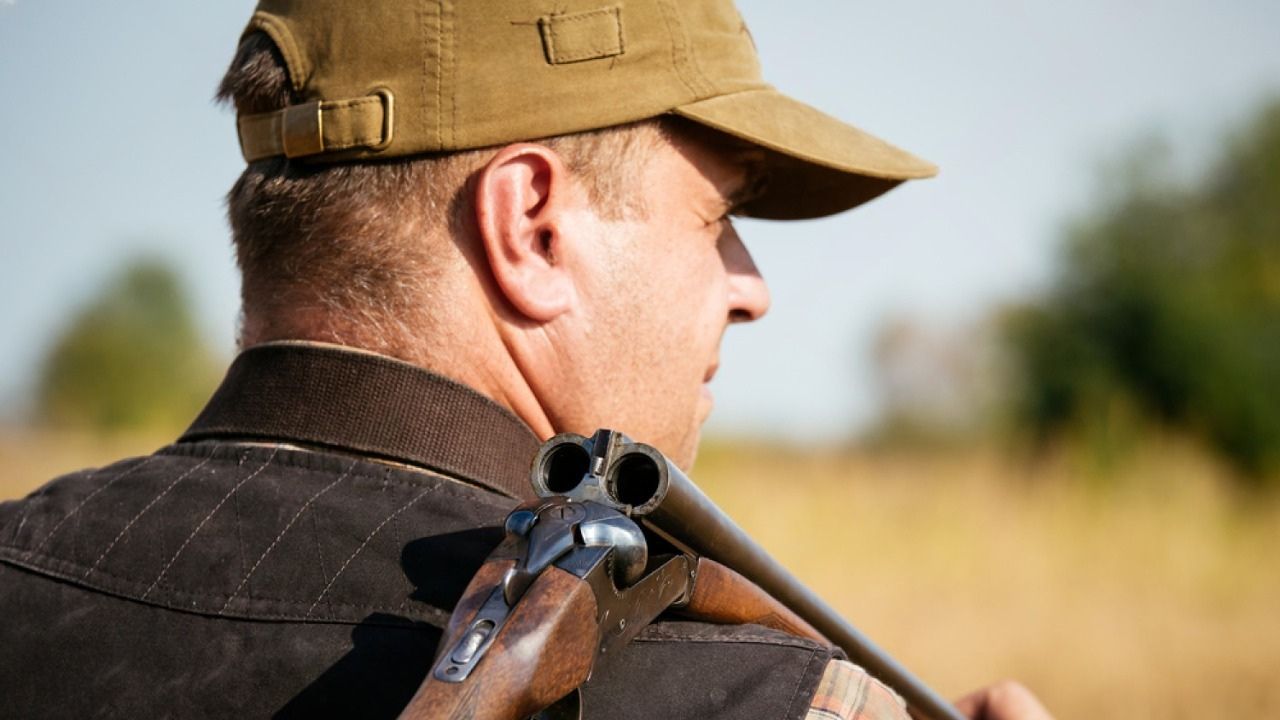
When you work around tight gates, crowded barns, and cramped truck cabs, the wrong shotgun accessory can turn a handy tool into an awkward pole vault. The add-on that looks clever on a range bench often becomes a liability when you are squeezing past a steel panel or ducking under a low beam with animals moving unpredictably. If you rely on a shotgun in that environment, you need to understand which extras actually help and which ones quietly make handling worse where space is tightest.
Why overall length matters more than catalog features
You feel overall length every time you try to slip through a half‑open gate or pivot inside a narrow feed room, and that is where many popular accessories quietly work against you. A shotgun that balances well at the shoulder can turn clumsy once you bolt extra inches to the muzzle or stack hardware on the stock, because every added bit of length increases the arc you must swing through to clear a post or door frame. In a barn aisle or alleyway, that extra arc is exactly what catches on a latch, spooks livestock, or slows you when you most need to move.
Some of the worst offenders are parts that promise performance but mostly just stretch the gun. Extended choke tubes are a classic example, since they project beyond the barrel and, as one instructor named Jan notes, often “just make your gun longer” without giving you anything you actually need in close quarters. When you are not patterning at distance, you do not need your XXX Full turkey tube or any other long constriction that turns the muzzle into a spear, and the same logic applies to oversized stocks or butt pads that add bulk at the rear. In tight structures, trimming unnecessary length is one of the simplest ways to keep the gun from fighting you instead of helping you.
The extended choke tube problem at gates and barn doors
At a gate or stall door, the muzzle is usually the first part of the shotgun that gets you into trouble, and an extended choke tube makes that problem worse. The extra metal at the front shifts the balance forward, so the gun feels heavier when you try to hold it one‑handed while unlatching a chain or sliding a bolt. That forward weight also exaggerates any wobble when you move quickly, which is exactly when you are most likely to bump a panel, clang against a hinge, or jab the tube into a post where it can bend or strip.
Jan’s warning about extended choke tubes being an item that will just make your gun longer is especially relevant when you are threading through barn doors or narrow pens, because the XXX Full turkey tube that makes sense in a blind has no real role in a feed alley. The more the choke protrudes, the easier it is to snag on wire, netting, or the edge of a gate, and the harder it becomes to keep the muzzle under control around animals or people. If you want a shotgun that behaves around gates and barns, you are better served by a flush or modest choke that keeps the barrel profile clean instead of a long tube that turns every doorway into an obstacle course.
Fragile sights and the reality of barnyard abuse
Accessories that sit on top of the barrel can be just as troublesome as those that extend it, especially when they are built for visibility rather than durability. A tall, delicate sight might look bright on a sunny range, but in a barn it is one more protrusion waiting to collide with a door jamb, a gate hinge, or the edge of a tractor fender. Every time you duck through a low opening or lean the gun in a corner, that fragile piece of plastic or thin metal is exposed to impacts that it was never designed to survive.
If you prefer no sight or a very minimal profile, a simple fiber optic pipe on your gun can seem like an attractive compromise, yet Jan points out that this kind of add‑on is the sort of item that will be sure to break off on a door jamb or similar obstacle. Once that happens, you are left with a jagged stub that may catch on clothing or tack, and your point of aim is suddenly less predictable than it was with the plain bead you started with. In environments full of posts, rails, and equipment, a low, robust sighting system such as a small Ghost ring or a protected bead is far more likely to survive daily abuse than a tall, exposed insert that was never meant to live in a barn.
Close quarters technique versus hardware crutches
Many shooters try to solve handling problems with hardware, but in cramped spaces your technique usually matters more than your accessories. The way you mount the shotgun, manage recoil, and move your feet determines whether you can pivot through a gate without sweeping everything around you, and no add‑on can compensate for poor fundamentals. When you are working in close, you need a stance and grip that let you keep the muzzle controlled and the stock tight to your body, so the gun moves with you instead of lagging behind and clipping obstacles.
Instruction focused on close environments, such as the material behind the Close Quarters Shotgun Technique work, emphasizes that shotguns can be excellent tools in confined areas when you manage them correctly. Those lessons stress that Shotguns are not just about raw power, they are about how you index the muzzle, control recoil, and transition between targets without over‑swinging. If you rely on sound technique, you are less tempted to bolt on bulky accessories that promise control but actually make the gun harder to maneuver around gates, stalls, and vehicles.
Slings: essential support or extra snag point?
Unlike many cosmetic upgrades, a well chosen sling can genuinely improve how you handle a shotgun around barns and gates, but only if you treat it as a working tool rather than a fashion strap. A properly adjusted sling gives you extra support when you shoulder the gun, which can be a relief when you are tired from chores and still need to keep the muzzle steady. It also lets you hang the shotgun safely when you need both hands for a stubborn latch, a feed bag, or a gate chain, instead of leaning it precariously against a wall where it can slide and fall.
Guides on defensive setups note that Slings are a must‑have accessory for home defense for two reasons, because the sling gives you extra support and allows you to retain the gun if you need to go hands‑on, and those same benefits carry over to farm work. When you follow the advice in resources like best home defense shotgun upgrades, you see that a simple, durable sling can keep the gun attached to you instead of lying across a hay bale or hanging on a gate. The key is to avoid overly complicated multi‑point rigs that dangle loose webbing everywhere, since those can catch on posts and hardware; a straightforward two‑point sling, trimmed to length, usually gives you the support you need without turning into another snag hazard.
Why breaching gear belongs on a different shotgun
Some accessories are designed for very specific roles, and breaching equipment is a prime example of gear that does not translate well to gates and barns. A shotgun set up for forced entry often carries specialized muzzle devices and ammunition that are optimized for destroying locks and hinges, not for safe handling around animals or family members. When you bolt those parts onto a general purpose gun, you add weight and complexity that do nothing for you in daily chores, while also encouraging a mindset that treats every door or gate as something to be blasted instead of opened.
A breaching round or slug‑shot is a shotgun shell specially made for door breaching, and it is typically fired at very close range into locks or hinges so the projectile disintegrates after doing its job. As described in references on the Breaching round, this kind of ammunition is engineered for tactical teams, not for routine work around livestock or equipment. Mounting breaching standoffs or carrying these shells in a barn setting adds sharp edges and specialized loads that complicate safe storage and handling, without offering any benefit when your real tasks involve opening gates by hand and moving calmly through tight spaces.
Stock, length of pull, and moving through tight structures
While muzzle accessories get most of the attention, the rear of the shotgun can quietly make handling around gates and barns either smooth or miserable. A stock that is too long forces you to stretch your arms and flare your elbows, which makes it harder to keep the gun close to your body when you slip past a stall or squeeze between a truck and a wall. That extra reach also slows your ability to mount the gun from a low ready position, because you must travel farther before the butt seats in your shoulder, and in cramped quarters that long motion is more likely to bump into something.
Adjusting length of pull so the shotgun fits you in work clothes, including heavy jackets or vests, is one of the simplest ways to improve control without adding any new hardware. A shorter, well fitted stock lets you keep your elbows tucked and the muzzle closer to your centerline, which reduces the chance of sweeping a gate post or catching the butt on a rail as you pivot. Instead of adding spacers, recoil pads, or folding mechanisms that lengthen or complicate the stock, you are usually better off trimming excess material and choosing a straightforward design that supports a solid mount and quick transitions in tight structures.
Balancing necessary durability with unnecessary bulk
Working around barns and gates is hard on equipment, so you do need a certain level of ruggedness, but there is a difference between durable and overbuilt. Heavy steel side saddles, oversized rails, and thick barrel shrouds can make a shotgun feel like a crowbar, which is the last thing you want when you are already juggling tools, feed, or tack. Every ounce you bolt on makes the gun slower to start and stop, and in confined spaces that sluggishness translates directly into more bumps, scrapes, and near misses.
The smarter approach is to prioritize compact, robust parts that protect what matters without turning the gun into a boat anchor. For example, if you are worried about damaging a front sight, a small, guarded post or a low profile Ghost ring, like the kind Jan recommends instead of a fragile fiber optic pipe, gives you durability without much added bulk. Similarly, a modest light mount that hugs the forend is more practical than a full length rail system that sticks out past the barrel. By choosing accessories that stay within the shotgun’s existing footprint, you preserve the nimble handling you need around gates and barns while still getting the resilience that daily abuse demands.
Building a barn‑friendly setup that actually handles well
When you put all of these considerations together, a pattern emerges: the shotgun that behaves best around gates and barns is usually the one with the fewest protrusions and the most thoughtful fit. You are better off starting with a basic, reliable platform and then trimming away anything that adds length, snag points, or unnecessary weight. That means skipping extended choke tubes that only make the muzzle longer, avoiding fragile fiber optic pipes that Jan warns will break off on a door jamb, and resisting the urge to bolt on breaching gear that belongs on a different gun entirely.
From there, you can add only what genuinely helps you work: a simple, durable sling like the ones highlighted in defensive shotgun accessory guidance, a compact light if you must navigate dark stalls, and a robust sighting system that will not shear off the first time it meets a gate hinge. Combine that restrained hardware with solid fundamentals drawn from close quarters Technique, such as keeping the gun tight to your body and managing recoil efficiently, and you end up with a shotgun that moves with you instead of against you. In the end, the worst add‑on is the one that makes handling harder where you actually live and work, and the best setup is the one that lets you forget the gear and focus on the job in front of you.
Unverified based on available sources.
Like Fix It Homestead’s content? Be sure to follow us.
Here’s more from us:
- I made Joanna Gaines’s Friendsgiving casserole and here is what I would keep
- Pump Shotguns That Jam the Moment You Actually Need Them
- The First 5 Things Guests Notice About Your Living Room at Christmas
- What Caliber Works Best for Groundhogs, Armadillos, and Other Digging Pests?
- Rifles worth keeping by the back door on any rural property
*This article was developed with AI-powered tools and has been carefully reviewed by our editors.