The shotgun setup mistake that turns a simple follow-up shot into a fumble
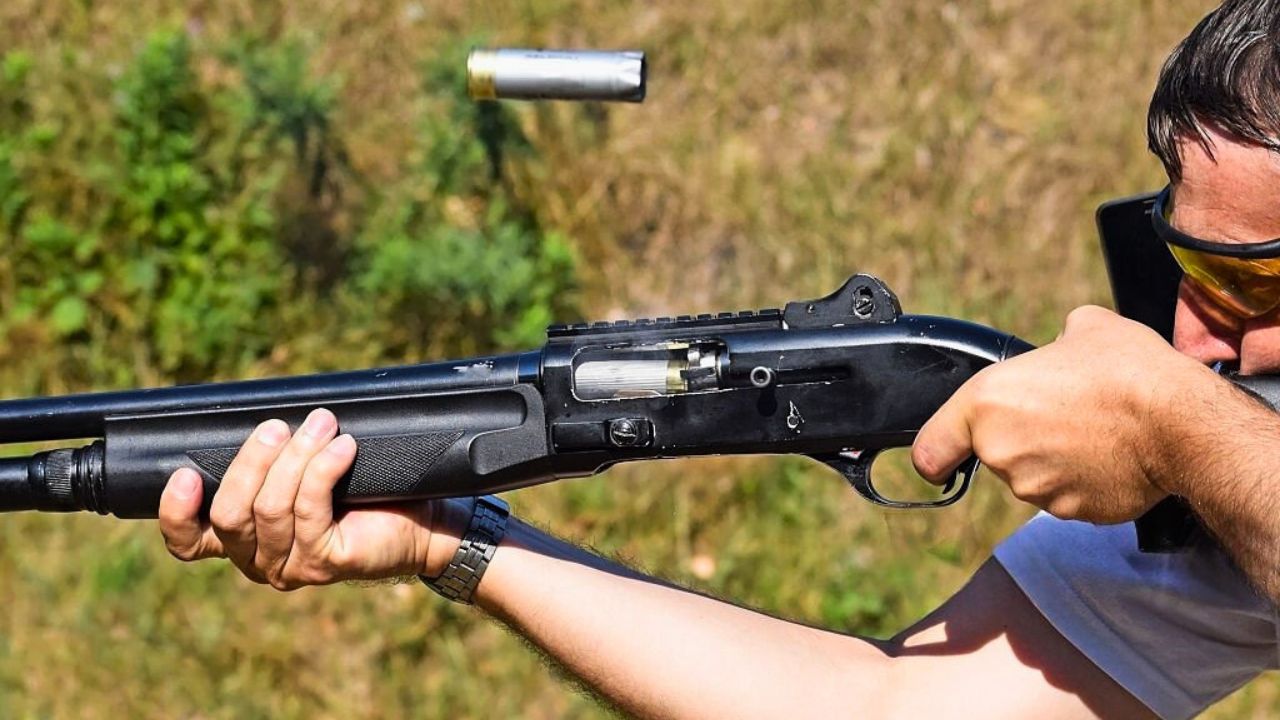
A clean follow-up shot in the shotgun sports or with a defensive pump is supposed to feel automatic, yet for many shooters it turns into a scramble to find the bead again. The culprit is often not recoil, nerves, or lack of practice, but a subtle setup mistake that makes your gun fight your body every time you cycle the action. When your stock dimensions and head position are off, the first shot may barely connect, and the second becomes a fumble as you hunt for the sight picture that should have been there all along.
The real fix starts before you ever load a shell, with how the shotgun meets your shoulder, cheek, and dominant eye. By understanding how stock length, comb height, and your natural mount interact, you can turn a clumsy second shot into a smooth, repeatable move that feels almost boring in its consistency.
The hidden setup error behind blown follow-up shots
The most common mistake that sabotages your second shot is treating the shotgun like a generic tool instead of a fitted one. If the stock is too long, the comb too low, or your eye is not naturally centered over the rib, you are forced to adjust after the first shot, lifting your head or rolling your shoulder to get back on target. That extra movement is where follow-up shots die, because you are rebuilding your sight picture instead of simply running the action and driving the muzzle back to the target line.
On a properly configured gun, your dominant eye should sit directly over the rib when you mount, with the beads forming a clean, repeatable reference. When that geometry is wrong, you may still manage a hurried first hit, but the second shot exposes the flaw as you lose the rib, see too much barrel, or find the front bead floating high. The result is a pattern that drifts high, low, or off to one side, and a follow-up that feels like guesswork instead of a continuation of the same smooth mount.
Why your eye, not the bead, is your real rear sight
With a shotgun, your dominant eye functions as the rear sight, so the entire setup must be built around placing that eye in the same spot every time. If your cheek weld is inconsistent because the comb is too low or too high, your eye line shifts and the rib no longer points where you think it does. That is why a follow-up shot often feels different from the first: the recoil knocks your head slightly off the stock, and when you remount in a hurry, your eye returns to a new, untested position.
To diagnose this, you can use a simple visual check on a safe, unloaded gun. If your shotgun has a center bead, it and the front bead should appear perfectly stacked when you mount naturally, without craning your neck or rolling your cheek. If the front bead sits above the rib or the beads do not align, your eye is not in the correct place, and every rapid second shot will be a correction rather than a confirmation of the same sight picture.
Stock length and the “too long to run” problem
Length of pull, often shortened to LOP, is the distance from the trigger to the center of the butt pad, and it has a direct impact on how quickly you can cycle and remount the gun. When the stock is too long, you are forced to stretch your arms and open your shoulder angle, which slows your ability to work the pump or semi-auto controls and then bring the gun back into the pocket for a second shot. A factory stock that is too long also makes it harder to keep the muzzle on line during recoil, because the gun has more leverage to push you off balance.
Shortening the stock by trimming the butt or swapping to a thinner pad can dramatically improve how naturally the gun comes to your face and how quickly you can reset after recoil. Guidance on Stock, LOP explains that stock length directly affects how comfortably you can shoulder the gun and maintain control, which in turn shapes how reliably your eye lines up with the rib. When the LOP is dialed in, you can run the action and re-engage without feeling like you are reaching for the trigger or wrestling the butt into your shoulder pocket.
Comb height, drop, and the disappearing rib
Comb height is the vertical distance between your cheek and the rib, and it decides whether your eye looks straight down the barrel or peers over or under it. If the comb is too low, your eye sits below the rib and you tend to shoot low, especially on hurried follow-ups where you do not have time to consciously correct. If it is too high, you see too much rib and the pattern climbs, which can send a second shot sailing over a rising clay or a moving threat.
To understand and adjust this, you need to know the drop at comb, which is measured by drawing a perpendicular line down from the rib line to the point of the comb and recording that distance. Detailed guidance on drop at comb explains how this measurement shows whether the stock is built for your facial structure or for an average shooter who may not match your dimensions. When the drop and comb height are tuned to your build, the rib appears the same every time you mount, so the second shot is simply a repeat of the first sight picture instead of a scramble to find the barrel.
Factory stocks and the “one-size-fits-none” trap
Most off-the-shelf shotguns ship with factory stocks that are designed to fit a theoretical average shooter, not your specific height, arm length, or facial structure. That compromise often shows up only when you start pushing the pace, because a slow, deliberate mount can hide small fit problems that become glaring when you try to fire a quick pair. A stock that is slightly too long or a comb that is a bit too low may feel acceptable on the first shot, but the second exposes the mismatch as you lose the rib or have to roll your head to see the bead.
Common fit issues and solutions are well documented, including how a factory stock that is too long makes shouldering and aligning the sights more difficult, and how a comb that does not match your facial height forces you to hunt for the correct cheek weld. Guidance on Common Fit Issues and Solutions notes that shortening the stock or replacing the butt pad can transform how quickly you can mount and re-acquire the target. Once you stop fighting a one-size-fits-none stock, your follow-up shots start to feel like a natural extension of the first trigger press.
Adjustable stocks: from luxury to necessity
For years, adjustable stocks were treated as a luxury feature reserved for competition guns, but they have become a practical necessity for anyone who wants consistent performance across different shooting positions and clothing layers. An adjustable system lets you fine tune length of pull, comb height, and sometimes even cast, so your dominant eye stays centered over the rib whether you are shooting in a T-shirt or a heavy jacket. That flexibility is especially valuable for follow-up shots, because it keeps your mount consistent even as conditions change.
Modern designs highlight how an adjustable stock can improve both comfort and control. One feature that has gained attention is the ability to set the butt pad so that recoil is directed into the strongest part of your shoulder, which improves stability and keeps the muzzle from jumping off target. As guidance on Enhanced Recoil Management explains, proper stock adjustment helps position the recoil pad correctly and increases the shotgun’s usability and effectiveness. When recoil is managed and your eye stays in line, running the action and delivering a second shot becomes a controlled, repeatable motion instead of a recovery from being knocked off balance.
How to test your fit with a simple mount drill
Once you have adjusted stock length and comb height on paper, you need to confirm that the setup works in real mounts, not just measurements. A straightforward drill is to start with the unloaded shotgun at a low ready, close your eyes, and mount the gun to your cheek and shoulder in one smooth motion. When you open your eyes, the rib and beads should already be aligned without any need to shift your head or roll the gun, which tells you that your natural mount and the stock geometry are working together.
If you consistently see too much rib, lose the front bead, or find that your eye is off to one side, you can refine the fit further. Detailed guidance on Comb Height and Its Role explains that if your eye sits too low relative to the rib, you will tend to shoot low, especially under time pressure. By repeating the mount drill and making small adjustments, you can reach a point where your follow-up shot uses the exact same cheek weld and eye position as the first, which is the foundation of reliable doubles.
When to call in a professional stock fitter
There is a limit to what you can do alone with spacers, shims, and trial and error, especially if you have an unusual build or persistent issues with one side of the pattern board. A professional stock fitter can watch your mount, measure your dimensions, and recommend precise changes to length of pull, drop, and cast that you might never identify on your own. That expertise becomes particularly valuable if your follow-up shots consistently miss in the same direction, which often signals a structural fit problem rather than a momentary lapse in technique.
Experienced fitters like Wessel recommend adjustable stocks because they allow the shooter to fine tune the cheekpiece to center the eye over the rib and then confirm the results on a pattern board. Guidance on shotgun stock fitting notes that once the stock is dialed in, you can see exactly where the shot is hitting and watch your scores increase. If your skills have plateaued and your second shots still feel like a scramble, investing in a session with a fitter can unlock performance that no amount of dry practice will reach on its own.
Locking in a repeatable mount for stress and speed
Even the best stock setup will not save your follow-up shots if your mount changes every time you pick up the gun. You need a repeatable sequence that brings the butt to the same spot in your shoulder and your cheek to the same place on the comb, regardless of whether you are shooting trap doubles, a 3-gun stage, or a defensive drill. That consistency turns your adjusted stock dimensions into real-world performance, because your eye, rib, and target line all meet in the same relationship on every shot.
To build that habit, combine your fit work with structured practice that emphasizes smooth, identical mounts rather than raw speed. Start with dry mounts in front of a mirror, then progress to live fire where you focus on delivering two shots with the same head position and cheek pressure. When your stock length, comb height, and recoil management are all tuned, as described in the guidance on optimal shooting performance, the second shot stops feeling like a recovery and starts feeling like a continuation of the same stable mount. That is the point where the setup mistake that once caused fumbled follow-ups has been fully replaced by a system that supports confident, controlled doubles.
Like Fix It Homestead’s content? Be sure to follow us.
Here’s more from us:
- I made Joanna Gaines’s Friendsgiving casserole and here is what I would keep
- Pump Shotguns That Jam the Moment You Actually Need Them
- The First 5 Things Guests Notice About Your Living Room at Christmas
- What Caliber Works Best for Groundhogs, Armadillos, and Other Digging Pests?
- Rifles worth keeping by the back door on any rural property
*This article was developed with AI-powered tools and has been carefully reviewed by our editors.