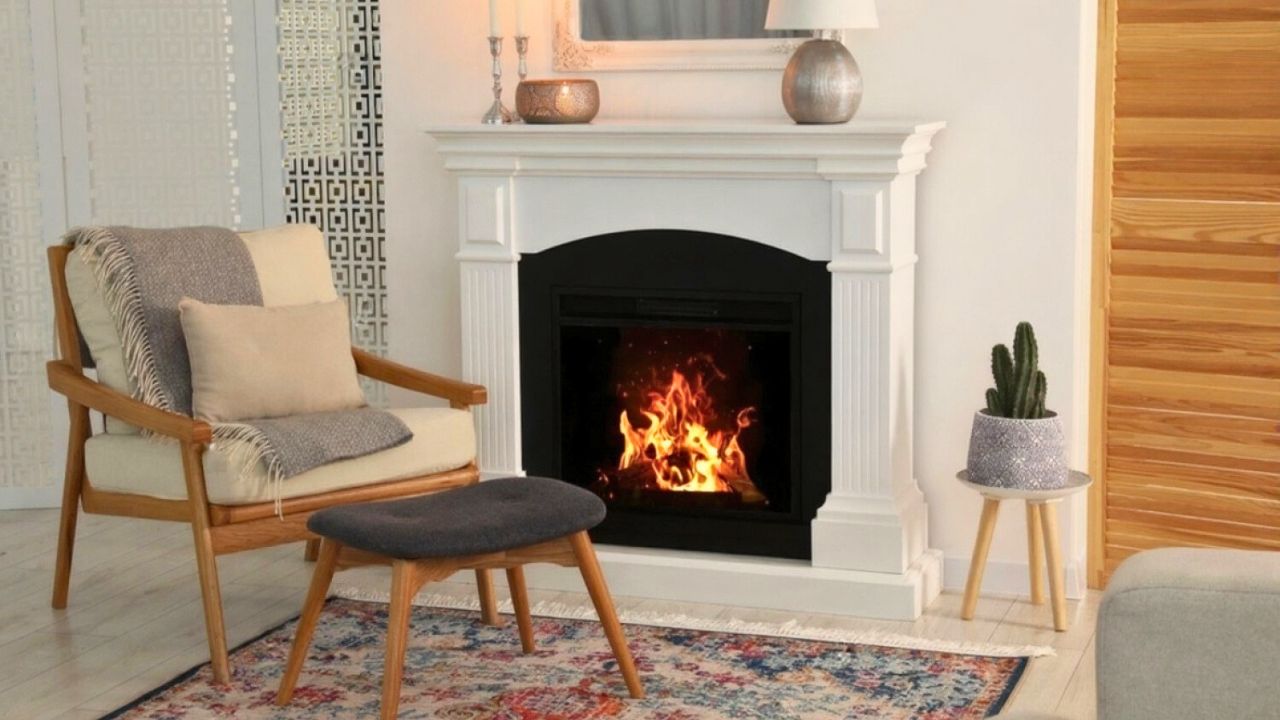
The simple grate clean that makes a fireplace burn better
A fireplace can look fine from across the room and still be struggling up close. If the grate is packed with old ash, half-burned chunks, and soot, the fire has to work way harder to breathe. That’s when you get smoky starts, sluggish flames, and logs that smolder instead of catching.
You don’t need a full chimney service call to help your fire along. A quick grate clean before you build your next fire can make a noticeable difference in how easily it lights and how clean it burns.
Let everything cool completely before you touch it
First rule: cold only. It’s tempting to “just move a few coals” once the flames die down, but embers can hang on hot for much longer than they look.
Wait until:
- The fire has been out for several hours
- The grate and ash look completely gray and cool
- You can hover your hand over the ashes without feeling heat
Once you’re sure everything is cold, lay down an old towel or drop cloth in front of the hearth. That catches stray soot and ash so you’re not grinding it into the floor.
Clear out the ash that’s choking the airflow
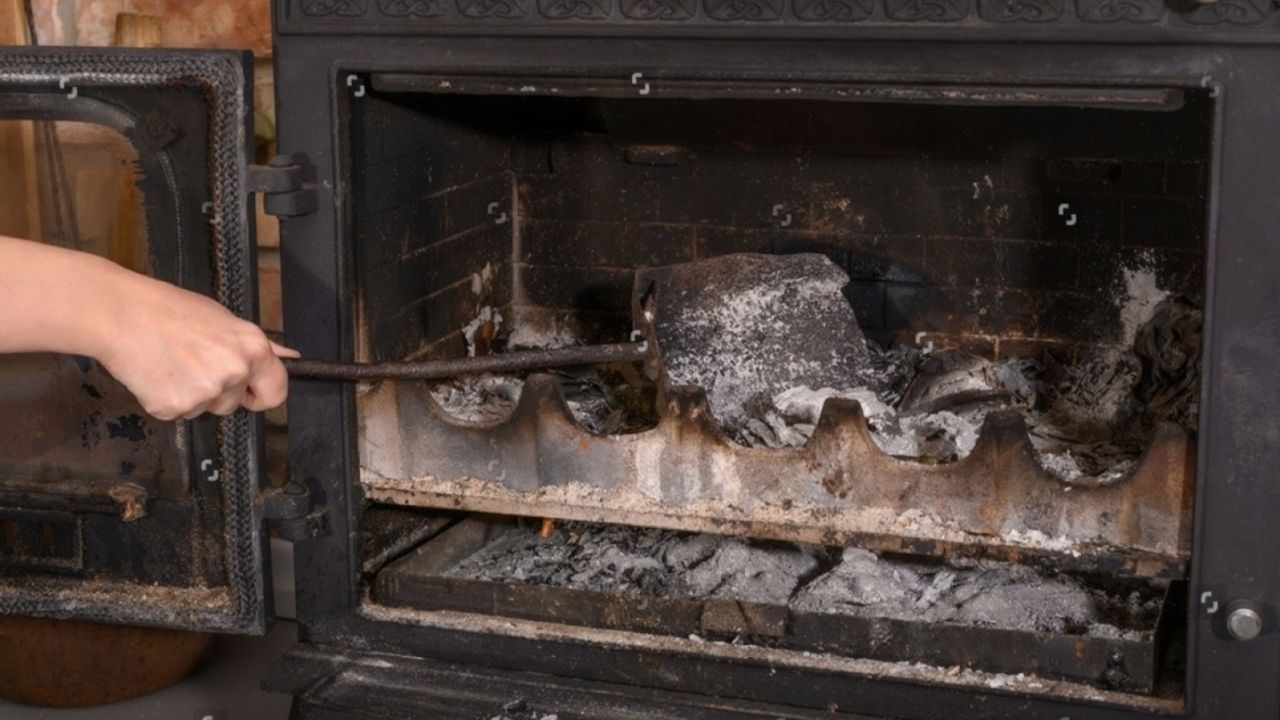
A thin layer of ash can actually help a fire, but a packed grate works against you. The goal is to clear enough space so fresh air can move up from underneath the logs.
Use a small shovel or metal scoop to:
- Remove loose ash from under and around the grate
- Knock loose any clumps stuck between the bars
- Leave behind only a light dusting, not a thick pad
Dump the ash into a metal bucket—not a trash bag—until you can get it outside. Even when it feels cold, treat it like it could still have a live ember hiding in it.
Shake and scrub the grate itself
Once the ash is out of the way, lift the grate (if it’s removable) and take it just outside or onto that towel. A lot of soot and tiny chunks are probably hanging on.
You can:
- Tap it gently against the ground or a sturdy step to knock loose debris
- Use a stiff brush or old grill brush to scrub between the bars
- Wipe down the feet so they don’t track black dust back into the firebox
You don’t have to make it look new. You’re aiming for open gaps between the bars so air can move freely from below the logs.
Check for warping or sagging while you’re there
Cleaning time is a good time to ask if the grate itself is still safe. Years of high heat can warp the metal and create weak points.
Look for:
- Bars that are bowed or sagging badly in the middle
- Cracks or broken welds
- Feet that feel wobbly or uneven
A slightly bent grate can still work, but one that’s collapsing or cracked is worth replacing. A sturdy grate holds logs in the right position so they burn evenly instead of rolling or collapsing.
Rebuild the fire with airflow in mind
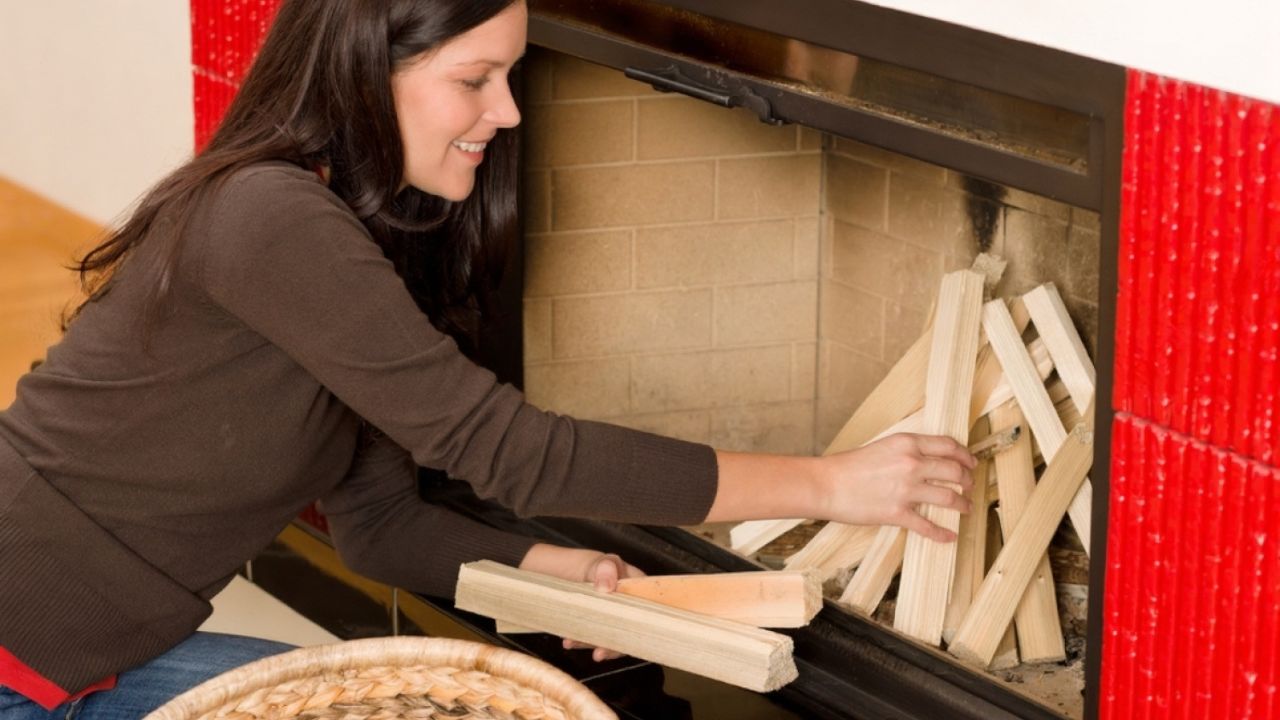
When you put everything back, think about how air is going to get in and move through.
Try:
- Setting a small layer of kindling or smaller splits across the grate first
- Leaving small gaps between logs instead of packing them tight
- Using that thin ash layer as a base, not as stuffing between the bars
The cleaner grate lets fresh air pull up from underneath and through those gaps. That’s what gives you that steady, bright flame instead of a struggling, smoky fire.
Make “quick grate clean” a regular habit
You don’t have to deep-clean after every single fire, but a simple routine helps:
- Light scoop-out after every couple of fires
- More thorough brush-and-check weekly if you’re burning often
Pair it with another habit, like restocking wood inside. The more often you knock ash and debris off the grate, the less it has a chance to build up into that thick, suffocating layer.
You still need regular chimney checks and safe firewood, but a clean grate is the easiest thing you can control inside. It’s a small, fast job that pays off every time you light the next log.
Like Fix It Homestead’s content? Be sure to follow us.
- I made Joanna Gaines’s Friendsgiving casserole and here is what I would keep
- Pump Shotguns That Jam the Moment You Actually Need Them
- The First 5 Things Guests Notice About Your Living Room at Christmas
- What Caliber Works Best for Groundhogs, Armadillos, and Other Digging Pests?
- Rifles worth keeping by the back door on any rural property
*This article was developed with AI-powered tools and has been carefully reviewed by our editors.