The simple “one-room heat plan” that works when the power goes out
When the lights go out in a cold snap, the difference between shivering through the night and staying reasonably comfortable often comes down to one decision: how you manage the heat you already have. Instead of trying to keep an entire house livable, a focused “one-room” strategy lets you concentrate warmth, conserve energy and protect the most vulnerable people in your home. With a bit of planning, you can turn a single space into a refuge that carries you through hours or even days without power.
The core idea is simple: trap as much heat as you can in one well chosen room, then layer on safe backup heat sources, insulation tricks and smart habits. You do not need a cabin full of survival gear to pull this off, just a clear plan, some basic supplies and a calm, methodical approach when the outage hits.
Pick the right room and seal it like a cocoon
Your first move in a blackout should be to stop thinking about the whole house and instead focus on a single space where everyone can gather. The most effective “warm room” is small, has few windows and can be closed off with a solid door, which is why many experts suggest a bedroom, interior office or even a large walk-in closet. Guidance on Creating a Warm Room emphasizes that you should Choose a Designated Heated Space in advance, since One of the easiest mistakes is wasting precious time wandering the house once the temperature is already dropping.
Once you have picked the room, your job is to trap every bit of warmth you can. That starts with what one guide calls Step one, Stop Heat Loss, which means Seal obvious gaps, Close doors to unused rooms and block drafts under the warm room door with rolled towels or spare clothing. Another set of tips on Simple Ways to Heat a Room Without Electricity urges you to Close Off Rooms You Don’t Use so You Don’t waste limited warmth on empty space. Heavy curtains, shower curtains or even taped-up trash bags over windows add a surprising amount of insulation, and advice on how to Stop Heat Loss from the House stresses that you should ACT QUICKLY, Your first move is to Immediately hang heavy blankets over the windows before the room cools.
Layer people, clothing and bedding before you add gadgets
Once the room is sealed, your own body heat becomes a primary fuel source, so you want to trap it efficiently. That starts with clothing: thick socks, hats, gloves and multiple thin layers of shirts and pants outperform a single bulky sweater, and guidance that begins with Jan and the word Ideally notes that Ideally you would have well insulated clothes to choose from, but even if you do not, you can improvise with extra pajamas, hoodies and winter coats layered on top of each other, as described in advice on how to stay warm without power. Another emergency checklist that starts with Jan highlights Thick Clothing and Hand Warmers as a first line of defense, and once you Create a Designated Heated Room and Keep Doors Closed, you can tuck chemical warmers into mittens or socks to stretch their impact.
Sleeping arrangements matter just as much as what you wear. Piling everyone into a shared bed or onto a cluster of mattresses concentrates warmth, and one set of winter outage tips that begins with Feb suggests you Fill a hot water bottle and slide it into a sleeping bag or between blankets, then Pitch a tent indoors and Set it up inside your chosen room to trap a pocket of warm air around your bodies. Another guide that starts with Jan and the phrase Save Indoor Heat reminds you that Clearly you will not keep the entire house warm, but you can cluster people and pets in one space to conserve energy, a strategy laid out in advice on how to Save Indoor Heat. Even online communities echo this approach: one discussion that opens with Jan and the word Have recommends that you Have extra blankets and that Using shared bedding in a small room can make a big difference, as described in a thread on how to stay warm in an apartment with no power.
Use safe backup heat, not improvised fire hazards
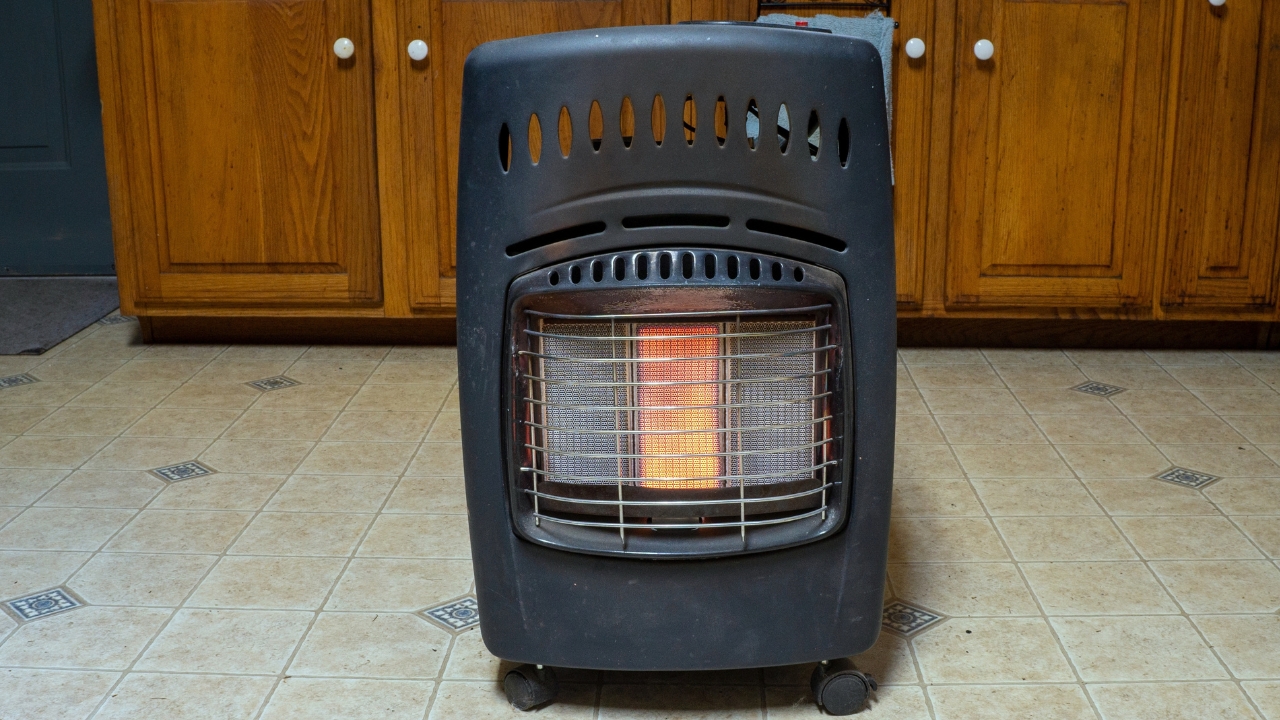
After you have squeezed every bit of warmth from clothing and bedding, then it is time to think about hardware. The safest options are devices designed for indoor use, such as Portable Propane Heaters that are certified for enclosed spaces, which one guide lists under Alternative Heat Sources for Power Outages and notes are among the most efficient tools if you follow directions carefully. Another overview of emergency heating stresses that you should not try to warm the entire building but rather keep a single room comfortable, since concentrating heat helps retain warmth more effectively, a point echoed in advice on how to Keep a single space warm while you keep moving and generate extra heat. If you have a small battery bank or generator, you can also run a compact electric heater for short bursts, and one detailed guide notes that ceramic space heaters work best when you Isolate and insulate one room and that you should avoid fuel appliances that rely on electricity for ignition or fans, as explained in a breakdown of emergency heating methods.
Whatever device you choose, ventilation and carbon monoxide safety are nonnegotiable. One preparedness bulletin notes that the likelihood of freezing to death in a home or tent is much lower than the risk of poisoning yourself with fumes, and it advises that you always keep a window slightly ajar for ventilation when using combustion heat, a warning spelled out in guidance that begins with the word Note. Another set of outage tips that starts with Jan urges you to Focus on one room, Keep doors closed, Block drafts and, if you use a Portable generator, position it well away from windows and doors while you Stock your stove with safe fuel. Even in online prepper forums, one Jan discussion of Warmth in power outages describes how a user rigged a car window to stay open a half inch for fresh air and opened the driver’s window to ensure they were not heating empty space, advice captured in a thread that notes you should make sure you aren’t heating empty space while still venting exhaust safely.
Smaller, low-tech heat sources can supplement these tools if you use them with care. One guide to alternative options explains that Warmth may be added to your room with simple homemade warmers, such as bricks or stones heated on a safe stove and wrapped in towels, and that once they are prepared your homemade warmer is ready to tuck near your feet, an idea laid out in a list of alternative heat sources. Another set of practical tips that begins with Jan and the word Look advises you to Look at your floor and move everyone off cold tile or concrete onto rugs, mattresses or even cardboard, while also suggesting that if you have a battery you can run a small fan heater briefly to heat the one you are in, as described in a rundown of Ten Ways to Stay Warm in a Power Outage. And while you might be tempted to rely on your main HVAC system once power returns, one technical explainer notes that Yes, heat pumps can keep you comfortable, But first you should insulate and air seal the building, since otherwise you will need the capacity of a single heat pump far beyond what it was designed for, a reminder from a guide on how heat pumps work that long term efficiency starts with the same insulation mindset as your one-room plan.
Borrow tricks from pros, preppers and first responders
The most effective one-room strategy blends expert guidance with the lived experience of people who have already ridden out long outages. One detailed how-to that starts with Dec explains that the key to surviving a winter blackout is to Isolate and insulate one room, then treat every other space as expendable, a principle that underpins the advice to keep the warmth you manage to generate from leaking away, as outlined in a guide on how to keep your home warm. Another checklist that begins with Sep and the word Here notes that Here are three ways to keep a house warm without power, starting with a Backup generator or home battery, but it still circles back to the same principle: Keep a single space warm and keep people moving to generate extra heat, as explained in a breakdown of how to keep a house warm without power. Even a simple energy tip sheet that lists 17 Simple Ways to Heat a Room Without Electricity starts with the advice to Close Off Rooms that You Don’t Use, reinforcing that you should not try to heat rooms You Don’t need when you do not have access to electricity, as laid out in a guide on Simple Ways to Heat a Room Without Electricity.
First responders and local communities add another layer of practical detail. A short video from Feb urges you that if your power goes out you should close doors to any rooms you do not use to help conserve heat, then use towels to cover the cracks, advice captured in a clip on how to follow these tips to keep your home warm. In one Jan thread about a coming freeze, a Houston resident writes Well last time they put bubble wrap and blankets over the window to help too, and another commenter suggests that To add to this, put extra insulation around the bed, ideas shared in a discussion of tips to stay warm during a freeze. Even long form preparedness guides that start with Stop Heat Loss from the House hammer the same point: ACT QUICKLY, Your first step is to Immediately seal leaks and hang heavy blankets over the windows, because every minute you wait is heat you will never get back, as detailed in the advice on how to keep warm when the power goes out. Taken together, the pros, preppers and emergency responders are all telling you the same thing: decide on your warm room early, fortify it fast and let the rest of the house go cold so the people inside that one space stay safe.
Like Fix It Homestead’s content? Be sure to follow us.
- Man Says He Found Out the Fence He Paid For Wasn’t Actually on His Property
- Woman Says Her Neighbor Started Taking Mulch From Her Delivery Pile Before She Could Even Spread It
- I made Joanna Gaines’s Friendsgiving casserole and here is what I would keep
- What Caliber Works Best for Groundhogs, Armadillos, and Other Digging Pests?
*This article was developed with AI-powered tools and has been carefully reviewed by our editors.