The smartest way to stock your freezer when beef prices are volatile
When beef prices swing from week to week, your freezer becomes less of an appliance and more of a financial safety net. The smartest way to use it is not to cram in random sale packs, but to build a deliberate system that turns volatile prices into predictable, ready-to-cook meals. With a few strategic choices about what you buy, how you pack it, and how you organize it, you can lock in value without sacrificing quality or safety.
Instead of chasing every discount, you can treat your freezer like a curated inventory of beef that fits your budget, your schedule, and your cooking style. That means choosing the right cuts, portioning them for real-life dinners, and storing them in ways that protect flavor for months at a time.
Why a well‑planned beef freezer beats chasing weekly sales
When prices are unpredictable, the biggest risk is impulse buying, grabbing whatever looks cheap and then watching it languish in the back of the freezer. A planned approach flips that script, so you decide in advance how much beef your household actually uses in a month, which cuts you cook most often, and how much space you have. That lets you buy in larger, more economical quantities when the price dips, then stretch those savings over many meals instead of just one week.
Keeping your freezer comfortably stocked also pays off in convenience, especially when life is busy in Winter and you do not want to run to the store after work. A full, organized freezer gives you fast access to dinners and helps stabilize your food budget, because you are drawing from your own inventory instead of paying whatever the store is charging that day. Guidance on Why Stocking Up for Winter Makes Sense notes that buying meat without the middleman markup can keep costs down while still giving you a wide range of options ready to cook.
Choosing the right freezer and basic gear before you stock up
Before you start loading up on beef, it helps to match your equipment to your ambitions. If you are serious about buying in bulk, a small chest or upright deep freezer can be a better investment than trying to squeeze everything into a crowded fridge compartment. One widely shared money saving tip on r/povertyfinance urges you to Buy a small deep freezer along with a food saver storage device and a good cooler, so you can transport meat safely and store it efficiently once you get home.
Beyond the freezer itself, a few low tech tools make a big difference. Sturdy freezer bags, a roll of heavy duty plastic wrap, permanent markers, and basic bins or baskets help you portion, protect, and organize beef so it stays usable instead of turning into mystery packages. Investing in a vacuum sealer, even an entry level model, can pay for itself quickly by extending the life of bulk meat and reducing waste, especially when you are stocking up during price dips rather than buying a single pack at a time.
Buying beef in bulk without blowing your budget
Once your storage is ready, the next step is to buy beef in ways that actually lower your cost per meal instead of just increasing your grocery bill. Bulk purchases, whether that means a family pack of ground beef or a quarter of a cow from a local supplier, usually come with a lower price per pound than individual packages. Detailed guidance on Cost Savings explains that when you buy beef in bulk at wholesale prices, you typically pay less per pound than you would at the grocery store, which is exactly what you want when prices are volatile.
To keep that strategy from straining your cash flow, you can focus on value cuts that stretch into multiple meals. Resources that highlight Best Budget options point to Friendly Cuts for Family Meals like Chuck Roast, which is described as a Slow Cooker Favorite and Best for braising, stews, and meal prepping. Buying larger roasts or multi pound packs of ground beef, then breaking them down at home, lets you capture the lower bulk price while tailoring portions to your household.
Picking beef cuts that freeze and reheat especially well
Not every cut of beef behaves the same way in the freezer, so it pays to favor those that hold texture and flavor after months on ice. Tougher, well marbled cuts that shine in slow cooking, such as Chuck Roast, tend to freeze beautifully and become tender when braised or cooked in a pressure cooker. Guides to Beef Cuts That Deliver Big Flavor highlight Chuck Roast and other Chuck options as some of the best choices for cheap crockpot meals, and note that a small brisket can feed a family with leftovers for grill meals or oven roasting, which makes them ideal candidates for bulk freezing.
Ground beef is another workhorse that tolerates freezing well and adapts to everything from tacos to casseroles. When prices spike on premium steaks, you can lean on these more forgiving cuts to keep beef on the table without paying top dollar. Lists of Friendly Cuts for Family Meals also point to thin sliced options that work for stir fries and meal prepping, which freeze flat and thaw quickly, giving you flexibility on hectic nights.
Portioning and packaging: the line between savings and Waste
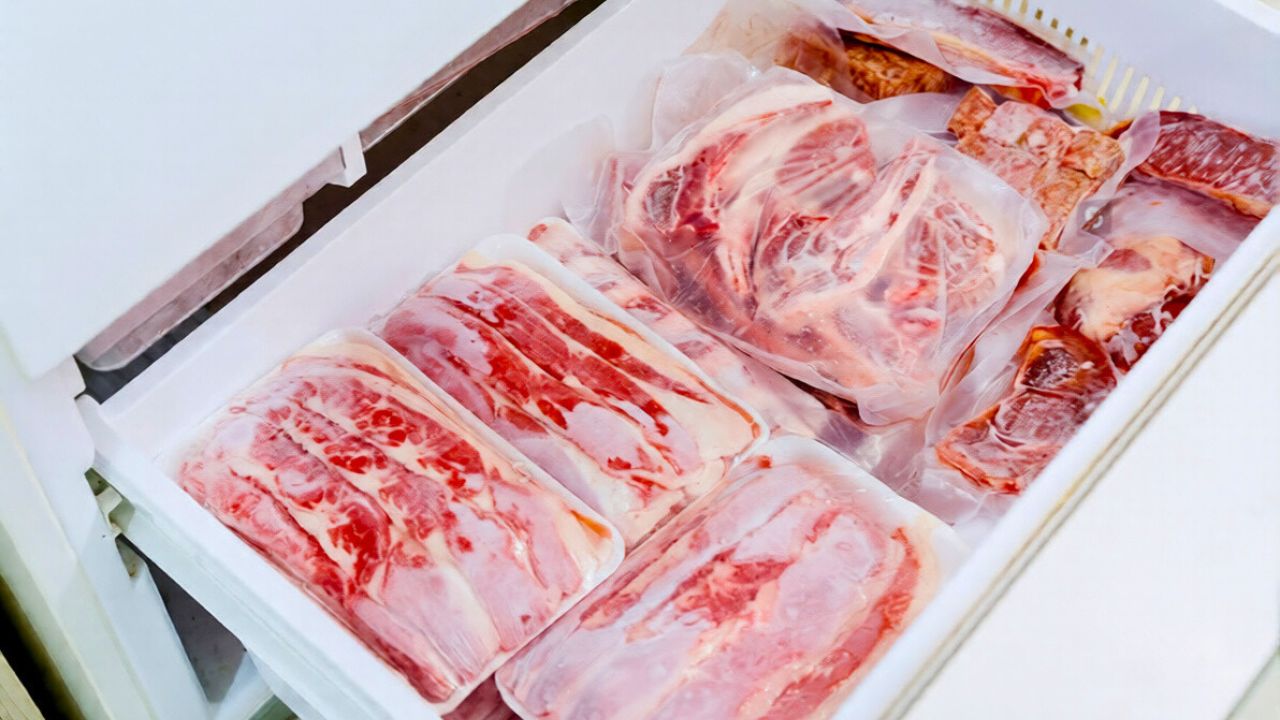
The fastest way to turn a smart bulk buy into Waste is to freeze beef in portions that do not match how you actually cook. Instead of tossing a five pound pack into the freezer as is, you can divide it into meal sized bundles, label them clearly, and stack them where you can see them. Advice on Best Freezer Hacks for Storing bulk meat stresses Portion Before Freezing and notes that One of the best ways to prevent waste is to package meat in the quantities you will actually use, with recommended storage times like 2–3 months for some cuts to maintain peak quality.
How you wrap those portions matters just as much as their size. To avoid freezer burn and flavor loss, you want to Wrap meat tightly with as little air as possible, then Use freezer safe bags or containers that are designed for low temperatures. Detailed tips on Use meat within recommended storage times also remind you not to overload your freezer so cold air can circulate to keep everything cold, which protects both safety and texture over time.
Freezer organization that keeps beef visible and first‑in, first‑out
Even the best packed beef is wasted if it disappears into a frosty black hole. A simple system that keeps older items in front and newer ones in back helps you rotate stock and use what you have before quality slips. Practical advice framed as Here are 10 freezer organization tips suggests you Always place newer items toward the back and keep a running list of what is inside, while also recommending Label Everything Clearly with dates and contents so you are not guessing at thaw time.
Using bins or baskets to group similar items, such as ground beef in one section and roasts in another, makes it easier to grab what you need without rummaging. Vacuum Sealed Bags for Meat stack neatly and reduce air exposure, which helps maintain quality and makes it obvious how much of each cut you have left. When you can see your inventory at a glance, you are less likely to overbuy during a sale or forget about a great cut you already paid for.
Food safety, freezer burn, and how to thaw like a Pro
Saving money on beef only works if you handle it safely from the moment you bring it home. Official guidance on Freezing and Food Safety explains that Proper packaging helps maintain quality by keeping moisture in and air out, and recommends that You can freeze almost any food, as long as it is wrapped correctly and kept at a consistent temperature. It also notes that you should not merely overwrap or rewrap meat in thin store packaging if you plan to keep it for more than a short time, because that increases the risk of freezer burn.
To go beyond the basics, detailed guidance on Meat Preservation 101 explains that Freezing effectively preserves meat by slowing the growth of microorganisms, and that Proper food storage, including Freezing and Thawing Like a Pro, is crucial for maintaining flavor and texture. It emphasizes that good wrapping helps prevent freezer burn and preserve quality, and that safe thawing in the refrigerator or in cold water, rather than on the counter, keeps bacteria in check while bringing your beef back to cooking temperature.
Real‑world tricks to avoid freezer burn and wasted beef
Freezer burn is the enemy of every budget conscious cook, because it turns good beef into something dry and unappealing long before it is unsafe to eat. Community advice in a Reddit Comments Section on freezing meat highlights simple habits that work in real kitchens, including one user named Sweet Leadership 290 who recommends that you Vacuum pack them prior to freezing to reduce air exposure. Others point out that Freezer burn comes from temperature fluctuations and poorly sealed packaging, which you can avoid by keeping your freezer at a steady setting and not leaving the door open while you decide what to cook.
Research focused specifically on beef storage backs up those practical tips. In a study summarized by Setyabrata, you are advised To limit damaging ice crystal formation in the meat by removing the meat from the package it was bought in and repacking it tightly, while also avoiding temperature fluctuations. That means you should not store beef in thin supermarket trays for long term freezing, and you should keep your freezer reasonably full so it holds temperature better when the door opens, which protects both quality and your investment.
Stretching your beef dollar with smart swaps, co‑ops, and tech
Even with a well managed freezer, you still need to be selective about what you put into it when prices spike. One strategy is to swap some premium cuts for more economical options or for other proteins that cook in similar ways. Guidance on how to beat rising prices notes that Grassfed beef is naturally flavorful, so you can often use less of it in a dish without sacrificing taste, and that co op models can help families build bulk meat savings in just 2–3 orders by pooling demand and buying directly from producers.
On the tech side, you can use modern shopping tools to time your stock ups more precisely. The system behind Product information, sometimes called a shopping graph, aggregates data from brands, stores, and other content providers, which helps you compare prices and track deals across retailers. Paired with old school tactics like watching for the low point in a store’s sale cycle, as suggested in advice on How to Save Money on Meat, There are clear advantages when You buy different cuts or stock up when it hits the low price. When you combine those tools with a freezer that is organized, safely packed, and filled with cuts that freeze well, you turn price volatility into an opportunity instead of a threat.
Supporting sources: How to Stock Your Freezer with Meat | Frontière Natural Meats.
Like Fix It Homestead’s content? Be sure to follow us.
Here’s more from us:
- I made Joanna Gaines’s Friendsgiving casserole and here is what I would keep
- Pump Shotguns That Jam the Moment You Actually Need Them
- The First 5 Things Guests Notice About Your Living Room at Christmas
- What Caliber Works Best for Groundhogs, Armadillos, and Other Digging Pests?
- Rifles worth keeping by the back door on any rural property
*This article was developed with AI-powered tools and has been carefully reviewed by our editors.