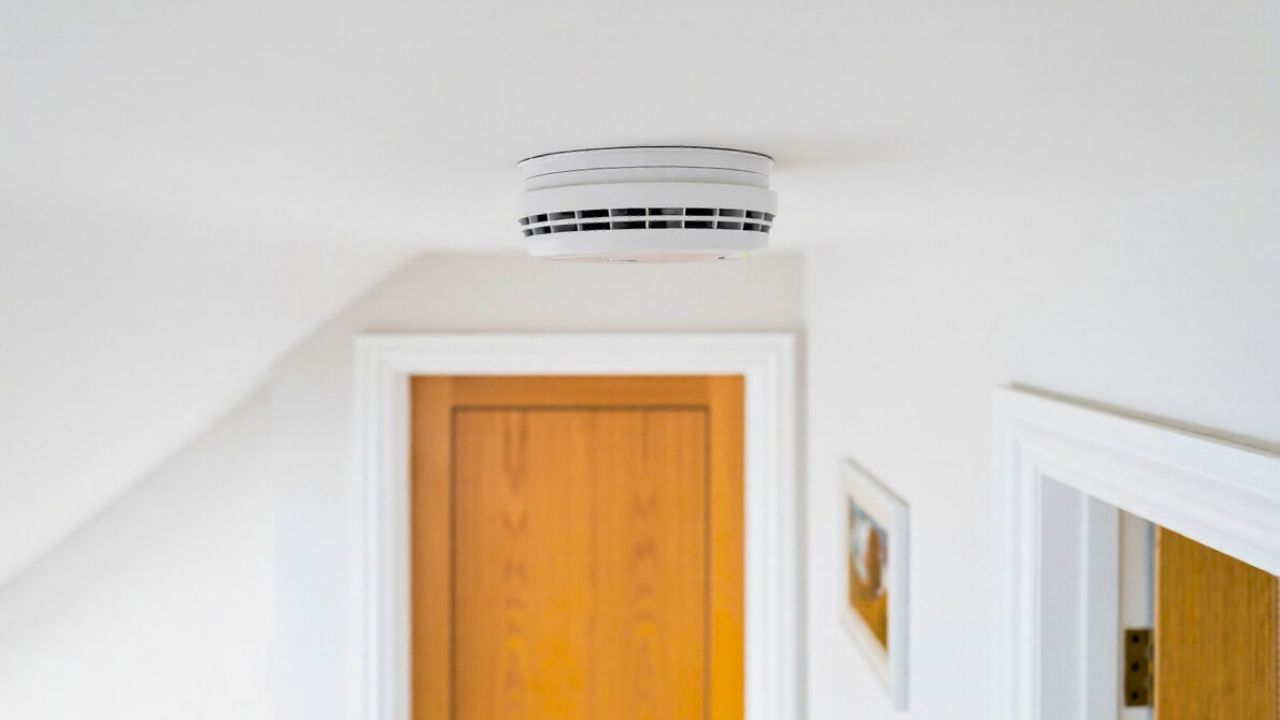
The smoke detector rule homeowners miss after remodeling bedrooms
When you remodel a bedroom, you probably obsess over paint colors, closet space, and window placement long before you think about smoke alarms. Yet the moment you move a wall or add a new sleeping area, you may quietly trigger a modern safety rule that your old detectors no longer meet. Miss it, and you risk both your family’s safety and a failed inspection that can stall a sale or insurance claim years later.
The overlooked requirement is simple but strict: once you upgrade bedrooms, your smoke alarms usually have to meet today’s standards for location, power source, and interconnection, not the rules that applied when the house was built. That shift is baked into state laws, local codes, and national fire guidance, and it is catching many homeowners off guard.
Why bedroom remodels quietly trigger new alarm rules
Most homeowners assume that if a house was legal when it was built, it stays legal forever, even after a facelift. In reality, once you carve out a new bedroom, combine two rooms, or finish an attic as a sleeping space, you are no longer just repairing, you are creating new habitable area that must comply with current life safety standards. That is why guidance aimed at people remodeling emphasizes that smoke protection has to be upgraded along with the finishes.
Real estate and insurance professionals warn that code requirements often ratchet up when you undertake a major renovation, not just new construction. Industry advice explicitly tells you to watch for code upgrades because most jurisdictions require that renovated portions of a home meet current building and fire standards. That means your new or reconfigured bedroom is judged by today’s smoke alarm rules, even if the rest of the house is still operating under older allowances.
The core rule homeowners miss: alarms inside and outside every bedroom
The most common mistake after a bedroom remodel is assuming that a single detector in the hallway still covers you. Modern fire codes and state laws increasingly require a smoke alarm inside each sleeping room and another outside the sleeping area on the same level. Legal guidance summarizing Maryland’s updated requirements notes that the new law now requires a smoke alarm to be installed in each sleeping area as well as on each level of the dwelling, a point highlighted in an Apr client letter that spells out how the rule applies to dwellings constructed after July 1, 1990.
Consumer facing checklists echo the same pattern. One widely shared breakdown of state rules for Smoke Detectors spells it out in plain language: one detector on every level, one detector in every bedroom, and one in the hallway outside the bedrooms. If you add a new primary suite or convert a den into a nursery, that layout changes, and so does the minimum number and placement of alarms you are expected to have.
How remodels pull your home under today’s building and fire codes
Even if your house predates modern smoke alarm rules, a significant renovation can pull part of it into the current code regime. A detailed explanation shared with owners of older properties notes that when you add a new room or upgrade your electrical system, that specific portion must meet today’s standards, while Older parts of the home can often remain as they were when built. In practice, that means your new or reworked bedroom wing is judged by current smoke alarm rules, even if the original bedrooms are not touched.
Insurance specialists point out that most jurisdictions treat major renovations as triggers for code upgrades, especially for life safety systems. Guidance aimed at investors and homeowners explains that Most jurisdictions have requirements that when homes go through a major renovation, such work must bring the affected areas up to current building and fire codes. If your project includes new bedrooms, that usually means hardwired or sealed battery alarms, proper spacing, and, in many cases, interconnected units that all sound together.
What national fire experts say about bedroom alarm placement
National fire safety organizations have long argued that early warning in sleeping areas is non negotiable, because most fatal home fires strike at night when occupants are unconscious. Their guidance on installing and maintaining smoke alarms stresses that you should have alarms in every bedroom, outside each sleeping area, and on every level of the home, including basements, and that they should be tested regularly and replaced on a schedule. That framework is laid out in detail in educational material on installing and maintaining smoke alarms.
Those same experts also provide practical installation tips that matter when you are reconfiguring ceilings and walls. They recommend choosing alarms that carry a recognized testing label, mounting them on ceilings or high on walls, and keeping them at least several inches away from corners or vents so smoke can reach the sensor quickly. A companion guide to smoke alarm programs notes that a smoke alarm installation program can measurably reduce deaths and injuries, and it even specifies how far down from a peaked ceiling you should mount a detector. When you move a bedroom door or raise a ceiling during a remodel, those spacing rules become part of your design decisions.
Maryland’s remodel rule: a case study in stricter bedroom protection
Few states illustrate the remodel trigger more clearly than Maryland, which has overhauled its smoke alarm requirements in recent years. A plain language summary titled Updates Ensure Your explains that the updated Maryland smoke detector law mandates replacing battery operated and hard wired smoke alarms that are more than ten years old and specifies that new alarms must be installed when there is an addition or renovation. In other words, if you remodel bedrooms in Maryland, you are expected to bring the alarms in that area up to the new standard rather than simply reinstalling whatever was there before.
State and local agencies have reinforced that message with detailed public guidance. One overview of the Maryland smoke detector law stresses that the goal is to phase out older, removable battery units in favor of sealed long life alarms and to ensure that any new work, including additions and renovations, does not perpetuate outdated technology. For a homeowner converting a formal dining room into a guest suite, that means budgeting for new, code compliant alarms as part of the project, not as an optional extra.
Inside Maryland’s updated law: from sealed batteries to inspections
Maryland’s reforms did not stop at requiring more alarms in more places, they also changed what kind of devices you can use. A county level summary of For New Homes explains that Maryland’s Smoke Alarm Law was updated to correspond with the International Residential Code and NFPA standards, with a focus on having the required smoke alarms interconnected so that when one sounds, they all sound. That same document notes that, for new homes, the law aligns with the International Residential Code and NFPA 72, which is the national benchmark for household fire alarm systems.
Local fire departments have been explicit about how the law is enforced. Guidance from the Baltimore City Fire Department on the Maryland New Smoke explains how many smoke alarms you should have and outlines the process for corrective action. A related explanation notes that after a complaint or inspection, an inspector will visit the location to initiate corrective action and answers common questions such as After what point you must interconnect hardwired smoke alarms and How many alarms are required. For a homeowner who has just added a bedroom, that means your permit and final inspection are likely to include a close look at whether your alarms meet the new interconnected standard.
Beyond Maryland: how other states handle bedroom alarm rules
While Maryland offers a detailed example, it is not alone in tightening smoke alarm rules for sleeping areas. A national overview of fire safety laws notes that states such as Arizona require smoke alarms in all residential dwellings, including single family homes, multifamily properties, hotels, and rentals, and specify that owners must repair or replace missing or damaged units. A companion version of that same guidance reiterates that Smoke alarms are required across these property types, underscoring how universal the expectation has become.
Local interpretations often go further by tying alarm upgrades directly to remodeling activity. A widely shared social media explainer aimed at homeowners clarifies that if you are Remodeling your home, the state requires that you update your detectors, and it repeats the rule of one detector on every level, one in every bedroom, and one in the hallway. That same post reminds owners to make sure their smoke and carbon monoxide detectors work well, a practical nudge that becomes especially relevant when you are already opening up walls and ceilings for a bedroom project.
Power sources, replacement timelines, and the ten year rule
Modern codes do not just care where your alarms are, they also care how they are powered and how old they are. Legal guidance for Maryland residents explains that the final phase of the state’s revised law requires homeowners to replace older style removable battery detectors with newer sealed battery units, and that this change applies across the state. That requirement is spelled out in detail in a public safety campaign that notes the final phase of Maryland’s revised smoke detector law requires homeowners to replace their older style removable battery detectors and reminds residents to call 911 and stay outside if an alarm sounds.
Separate legal resources aimed at the public spell out when a smoke alarm should be replaced. One guide explains that Apr guidance on smoke alarms and sprinkler systems lists three triggers: ten years after the manufacture date, if the smoke alarm no longer works, or when there is a significant change in the home that affects fire safety. A more detailed version of that same resource, labeled When, reiterates that ten year replacement rule and ties it to broader safety practices. If you are already pulling permits for a bedroom remodel, it is the ideal moment to check those dates and swap out any units that are nearing the end of their recommended life.
Bringing it all together in your next bedroom project
Once you understand how remodels interact with smoke alarm rules, you can plan your bedroom project to avoid last minute surprises. Start by mapping your existing alarms and comparing them to the modern standard of one in every bedroom, one outside each sleeping area, and one on every level. Then factor in your state’s specific requirements, such as Maryland’s push for sealed battery units and interconnected systems aligned with the Smoke Alarm Law and the International Residential Code and NFPA standards.
If you are unsure how far to go, it helps to remember that residential smoke alarms are treated as part of a broader life safety system, much like the commercial detectors described in technical guides. One such guide notes that in residential occupancies, smoke alarms are typically hardwired with a battery backup and that the exact configuration is required by local building and fire codes. Before you close up drywall on that new bedroom, coordinate with your electrician or contractor to ensure the alarms in and around the space meet those local requirements, are powered correctly, and are placed where they will actually wake you up when it matters most.
Like Fix It Homestead’s content? Be sure to follow us.
Here’s more from us:
- I made Joanna Gaines’s Friendsgiving casserole and here is what I would keep
- Pump Shotguns That Jam the Moment You Actually Need Them
- The First 5 Things Guests Notice About Your Living Room at Christmas
- What Caliber Works Best for Groundhogs, Armadillos, and Other Digging Pests?
- Rifles worth keeping by the back door on any rural property
*This article was developed with AI-powered tools and has been carefully reviewed by our editors.