The temporary repair that can complicate a payout later
When a pipe bursts or a truck sideswipes your car, your first instinct is usually to stop the bleeding, not to study policy fine print. Yet the quick fix you choose in those first frantic hours can quietly reshape the insurance claim that follows, sometimes shrinking the payout you thought was guaranteed. The line between a smart temporary repair and a costly misstep is thinner than it looks.
If you understand how insurers view short term fixes, documentation, and your legal duty to limit further damage, you can protect both your property and your eventual settlement. The goal is not to leave your roof leaking or your car unsafe, but to make sure the repair that gets you through the week does not become the reason your claim stalls months later.
The fine line between “temporary” and “too much”
Insurers generally expect you to stabilize damaged property, but they also want to see the loss before you rebuild it. After a storm or fire, you are urged to Make short term repairs, Take reasonable steps to protect what is left, and Save every receipt. That trio of actions is treated as part of your responsibility as the policyholder, and the cost of those stopgap measures is usually reimbursable.
The trouble starts when a stopgap turns into a full rebuild before an adjuster has a chance to inspect. Guidance on common claim errors warns that Making Permanent Repairs can give your insurer an opening to dispute the scope or cost of the loss. You might see a contractor replace an entire kitchen ceiling to deal with a leak, while the carrier later argues that only a small section was damaged and refuses to pay for the rest. In that gap between what you fixed and what the insurer accepts, your “temporary” decision can quietly erode your payout.
Your duty to protect property, not perfect it
Most policies do not just suggest that you act after a loss, they impose what lawyers describe as The Duty to limit further harm. You are expected to Mitigate damage, and, as one legal analysis notes, Nearly every property policy contains some version of that clause. If you ignore a broken window and rain ruins your hardwood floors, your carrier can argue that part of the loss is on you, not on the storm.
That obligation is not a blank check for the insurer to deny everything, but it does give them leverage if you do nothing or if you act recklessly. Consumer advocates warn that But in many situations your insurer can point to your Negligence and refuse to foot the bill for part of the claim. The safest middle ground is to secure the scene, prevent new damage, and document everything, while resisting the urge to fully restore the property until the adjuster signs off.
When a “quick fix” becomes a permanent problem
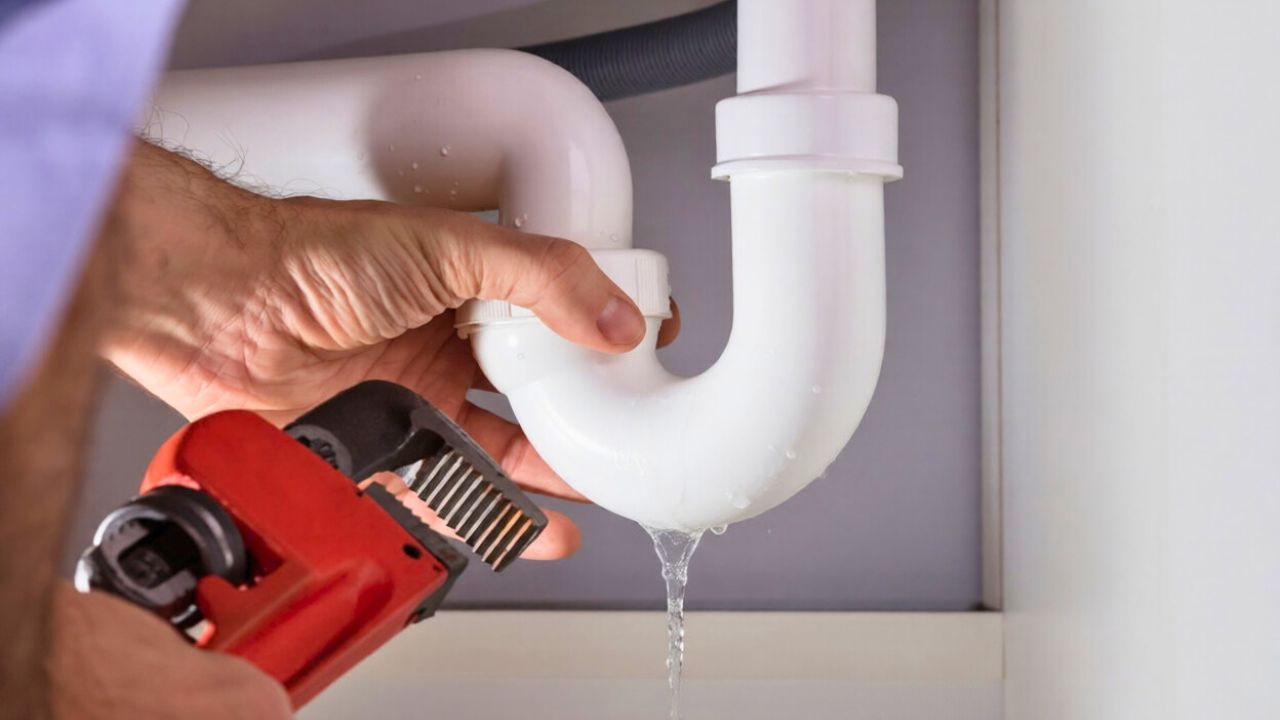
In the chaos after a loss, it is easy to slide from necessary triage into full renovation. Advice on claim pitfalls stresses that Jan guidance on Making Permanent Repairs highlights how easily a well intentioned homeowner can cross the line. You might call a plumber to cap a burst line, which is a classic Temporary repair, but if you then authorize a full repipe of the house before the adjuster visits, you have made it harder to prove what the original leak actually damaged.
Insurers are not required to pay for upgrades or unrelated improvements that get bundled into a post disaster project. If you replace an aging roof with a premium metal system after hail damage, the carrier may only agree to reimburse what a comparable asphalt shingle roof would have cost. When you blur the boundary between emergency work and elective renovation, you give the insurer room to argue that a portion of your invoice is outside the claim, and that argument often lands in the form of a reduced check.
Auto claims: hidden damage and half-seen repairs
Cars add another layer of complexity, because damage is often concealed until a mechanic pulls panels or scans electronics. One property damage lawyer notes that when you have your vehicle repaired after a wreck, you may later discover hidden structural or suspension issues that were not obvious at first. That same analysis, repeated in a second discussion of hidden damage, underscores why you should not rush to sign off on a repair as “complete” before the shop has fully inspected the car.
Payment mechanics can also limit your options. When a carrier issues a Check under your collision coverage, it may be made payable to you and the shop, or to you and a lender that holds a Lien on the Vehicle. That Payout Under Your is often directed to a shop whose Body Shop Name appears on the draft, which limits your ability to divert the funds to other needs and keeps the focus on restoring the car to its pre loss condition.
Disasters, pipe bursts, and the pressure to act fast
Water damage is one of the clearest examples of how timing and scope of repairs can shape a claim. After a burst line, you are typically told to Begin temporary repairs to prevent further damage, which can mean shutting off the main valve, extracting standing water, and setting up fans or dehumidifiers. Those steps are squarely within your duty to mitigate and, if documented, are usually treated as part of the covered loss.
Large scale weather events follow the same logic. After a hurricane, policyholders are urged to Make temporary repairs by covering roof leaks, boarding broken windows, or putting up short term fencing. At the same time, national guidance on disaster claims stresses that you should Save receipts and avoid full scale rebuilding until an adjuster has assessed the damage. If you rush into a complete roof replacement before that visit, you may later find yourself arguing over what portion of the job was truly storm related.
Documentation: the quiet factor that makes or breaks a claim
Even the most carefully limited temporary repair can backfire if you cannot prove what you did and why. One claims guide warns that Insufficient Documentation is a common reason for rejection, especially when a file lacks photographs, repair estimates, or bills. The same analysis stresses that Accurate records help the insurer assess the scope of the loss and separate legitimate emergency work from optional upgrades.
Roof claims illustrate how process and paperwork intersect. Guidance for homeowners notes that Once the adjuster’s report is complete, you are expected to submit formal documentation and repair estimates for approval and to Follow a structured checklist to keep the claim moving. Another roofing guide urges you to build a Necessary Documentation Checklist of photographs, estimates, and invoices, which not only supports your case but also shows that your temporary repairs were measured and necessary rather than excessive.
How insurers use your choices to trim payouts
Insurers are not shy about using your own decisions as leverage in negotiations. One litigation focused guide notes that Insurance companies may employ various tactics to reduce the payout, from questioning the necessity of certain repairs to arguing that you failed to mitigate properly. If you have already paid out of pocket for extensive work, you may feel pressure to accept a low offer simply to close the gap.
On the legal side, contract specialists point out that parties can even write an explicit duty to mitigate into broader indemnity agreements. One analysis suggests that you should consider providing for an express duty to mitigate and that this clause can apply First to all indemnities in the relevant agreement. When that language exists, the other side can argue that your failure to act reasonably, or your decision to over repair, breaks the chain of responsibility and justifies a smaller reimbursement.
Practical rules for “safe” temporary repairs
To keep a short term fix from undermining your claim, you need a few bright line rules. Focus on actions that stop active damage, such as shutting off utilities, boarding openings, tarping roofs, or towing a disabled car, and avoid major replacements until you have written approval. In the context of disaster claims, national guidance tells you to Take reasonable steps to protect your property but to leave full reconstruction until after the adjuster’s visit.
At the same time, remember that doing nothing can be just as damaging as doing too much. Legal commentary on mitigation explains that policyholders are obligated to act under Mitigate clauses, and consumer advocates warn that carriers may lean on your Negligence to deny parts of a claim. The safest approach is to document the scene thoroughly, get at least one written estimate that separates emergency work from permanent repairs, and push your insurer to inspect quickly so you are not forced to choose between living with unsafe conditions and risking your payout.
Turning a fragile moment into leverage, not liability
Handled carefully, temporary repairs can actually strengthen your position rather than weaken it. When you Begin mitigation promptly, keep a tight paper trail, and coordinate with your adjuster before authorizing major work, you demonstrate that you are honoring both your contractual duties and basic common sense. That makes it harder for a carrier to argue that you inflated the loss or sat on your hands while damage spread.
The same logic applies whether you are dealing with a dented 2022 Toyota Camry or a shredded roof after a hurricane. If you respect the boundary between emergency stabilization and full restoration, follow structured steps like the Follow style checklists used in roof claims, and build your own Necessary Documentation Checklist of photos and invoices, you turn a fragile moment into evidence of your reasonableness. That is the best protection you have against the quiet ways a “temporary” repair can complicate the payout you are counting on later.
Like Fix It Homestead’s content? Be sure to follow us.
Here’s more from us:
- I made Joanna Gaines’s Friendsgiving casserole and here is what I would keep
- Pump Shotguns That Jam the Moment You Actually Need Them
- The First 5 Things Guests Notice About Your Living Room at Christmas
- What Caliber Works Best for Groundhogs, Armadillos, and Other Digging Pests?
- Rifles worth keeping by the back door on any rural property
*This article was developed with AI-powered tools and has been carefully reviewed by our editors.