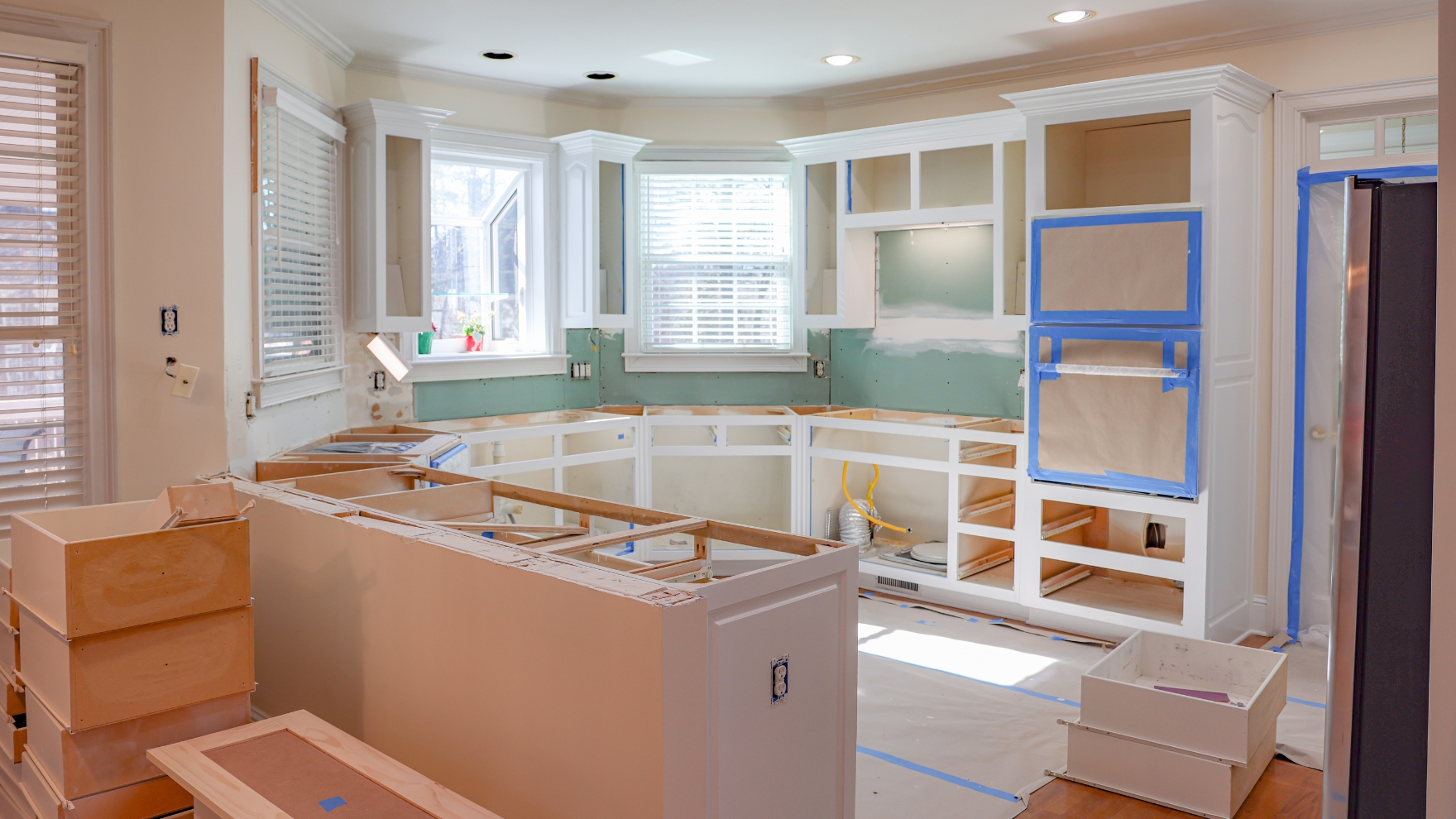
The upgrade homeowners regret most in pre-1990 houses
In houses built before 1990, the upgrade that most owners come to regret is pouring money into cosmetic makeovers while the bones of the building quietly fail. Fresh paint, trendy flooring and new fixtures feel satisfying, but they do not stop leaks, electrical faults or hidden hazards. When you own an older property, the real return comes from tackling the unglamorous systems first, then layering style on top of a safe, durable structure.
If you focus on looks and postpone critical repairs, you risk spending thousands twice: once on the pretty upgrade, and again when you have to rip it out to fix what is behind the walls. The homeowners who sleep best in pre‑1990 houses are the ones who treat aesthetics as the final step, not the starting point.
Why cosmetic-first upgrades backfire in older homes
When you remodel an older house, it is tempting to start where you can see the change, such as a new kitchen backsplash or luxury vinyl plank in the living room. In a pre‑1990 structure, that sequence is often upside down. If the roof is near the end of its life, the foundation is moving or the plumbing is brittle, any surface upgrade that sits on top of those weaknesses becomes disposable. You may love the new cabinets, but you will not love removing them to access a leaking supply line or to reframe a sagging wall.
Renovation specialists warn that Focusing solely on aesthetic improvements while neglecting structural issues can turn a project into a money pit. Structural deficiencies, from undersized beams to compromised load‑bearing walls, should be identified and corrected before you commit to cosmetic upgrades that might need to be demolished later. In older homes, that hierarchy is not optional; it is the difference between a stable investment and a cycle of regret.
The hidden systems that fail first in pre‑1990 houses
Behind the plaster and paneling of a pre‑1990 home, the systems that keep you safe and comfortable are often decades past their design life. Electrical service that was sized for a few appliances now strains under air conditioners, induction ranges and home offices. Plumbing lines that once carried modest flows may be corroded or clogged. Heating and cooling equipment can be inefficient, unreliable or both. If you ignore these components and instead spend your budget on finishes, you risk frequent breakdowns and expensive emergency calls.
One of the most frequently cited trouble spots in older properties is outdated electrical work, including Knob and tube wiring that relies on ceramic knobs and tubes to route conductors through framing. These legacy systems can create fire risk and insurance complications, especially when they are buried under layers of newer finishes. If you invest in cosmetic work without first assessing and upgrading the electrical, plumbing and HVAC, you may later discover that your most visible improvements are sitting on top of the least reliable parts of the house.
Health hazards you cannot see but must prioritize
Pre‑1990 homes often contain materials that were standard at the time but are now known health hazards. Lead‑based coatings and asbestos‑containing products are the most common examples. If you sand, cut or demolish surfaces that contain these substances without proper testing and abatement, you can contaminate your living space and expose your household to long‑term risks. No new countertop or tile pattern is worth that trade‑off.
Guidance for buyers of older homes highlights that Hazardous materials such as Lead paint and asbestos were once commonly used but have since been linked to serious health problems. In renovation forums, owners of vintage houses are reminded that Lead paint was not banned overnight and can still be present on trim, windows and siding. If you rush into cosmetic upgrades like sanding floors or scraping walls without testing, you may spread dust that is costly to remediate and dangerous to live with, turning a simple facelift into a major environmental cleanup.
When “upgrades” actually devalue your house
Not every improvement adds value, especially in an older home where buyers expect a certain layout and character. Some of the most regretted projects are those that erase bedrooms, cover original materials with short‑lived trends or introduce finishes that feel cheap compared with the rest of the structure. You might enjoy the change while you live there, but when it is time to sell, the market can be unforgiving.
Financial guidance on resale warns that Rough Renovation choices, such as poorly executed DIY work or overly personalized finishes, can devalue your property. In homeowner discussions, people point out that Home Ownership Matters assume renovations will raise value, But buyers often discount homes where a bedroom was converted into an office or where wall‑to‑wall carpeting replaced hardwood that could have been refinished. In a pre‑1990 house, preserving functional space and quality materials usually beats chasing the latest design fad.
The emotional trap: falling for finishes and missing red flags
Older homes can be seductive. High ceilings, solid doors and mature trees make it easy to fall in love during a showing. That emotional pull is exactly why many buyers and new owners regret prioritizing cosmetic upgrades. When you are captivated by a vintage fireplace or original staircase, it is harder to pay attention to the sloping floor, the musty smell in the basement or the overloaded electrical panel. Once you move in, the urge to “make it pretty” can overshadow the need to make it sound.
Home‑buying advice for older properties flags at least five major warning signs, with lists of RED FLAGS that you should not ignore When you fall for a charming house. Community threads on regrets emphasize that Mar discussions often feature buyers who admit they focused on paint colors and fixtures while overlooking moisture issues, outdated systems or structural cracks. Many also say it was always a work in progress, but they also loved it, which shows how easy it is to rationalize cosmetic spending while postponing the hard, necessary repairs that would actually protect your investment.
What long-time owners of old houses wish they had done first
If you listen closely to people who have lived in century homes or late‑1980s builds for years, a pattern emerges. They rarely say they regret fixing the roof, upgrading the electrical or reinforcing the foundation. Instead, they talk about wishing they had tackled those projects earlier, before pouring money into kitchens, baths and decor that later had to be redone. Their hindsight can be your shortcut.
In one long‑running discussion among owners of historic properties, a commenter begins with “Can I add the opposite perspective?” and goes on to describe how Our 1890 Victorian was neglected for years before they focused on fundamentals. Others echo that sentiment, explaining that once the structure, roof and mechanicals were stable, cosmetic projects became more enjoyable and less stressful. In broader homeowner groups, people note that Dec conversations often stress that Throughout the years, you need to know what has been updated and expect those big systems to be top priority. That is the opposite of the regret‑filled path where you repaint every room while the water heater, wiring and roof quietly age out.
Regulatory pressure and the rising cost of neglect
For owners of older buildings, the cost of ignoring structural and system issues is no longer just personal. In some regions, new safety rules are forcing associations and individual owners to confront deferred maintenance head‑on. If your pre‑1990 home is part of a multifamily building or community, you may face mandated inspections and repair plans that make cosmetic spending feel irresponsible until the required work is funded.
Guidance for condominium buyers in Florida explains that Buildings that do not meet updated standards must plan and pay for repairs promptly, including major work like replacing roofs, fixing structural elements and upgrading critical systems. Those requirements significantly increase the cost of owning and maintaining these units, especially when prior boards spent years approving cosmetic projects instead of funding reserves. If you own a pre‑1990 house, that trend is a warning: regulators and insurers are paying closer attention to underlying safety, and money spent on surface upgrades will not shield you from the consequences of long‑ignored defects.
How to sequence upgrades so you do not join the regret club
Avoiding the most common regret in pre‑1990 homes is less about spending more and more about spending in the right order. Start with a thorough inspection that goes beyond the standard pre‑purchase report. You want a clear picture of the roof, foundation, drainage, electrical capacity, plumbing condition and any signs of moisture or pest damage. Once you know where the real risks lie, you can build a phased plan that addresses them before you commit to visible changes.
Experienced renovators advise that the house sometimes has to be brought up to modern living standards depending on when it was last renovated, and that made upgrades over rather than all at once. That approach mirrors the priorities laid out in financial and safety guidance: fix structural and system issues, address hazardous materials, then move on to kitchens, baths and finishes. If you are tempted to reverse that order, remember the cautionary stories from owners who had to rip out brand‑new tile to access a failing pipe or open freshly painted walls to replace dangerous wiring.
Smart cosmetic choices once the fundamentals are solid
Once you have handled the unglamorous work, cosmetic upgrades in a pre‑1990 home can finally be a source of joy instead of regret. At that stage, you can focus on changes that respect the age of the house, appeal to future buyers and do not compromise original craftsmanship. Refinishing hardwood floors, restoring trim and choosing classic fixtures often delivers more lasting satisfaction than installing the trendiest finishes that may date quickly.
Owners who share their success stories often mention practical exterior work, such as the person with a house built in 1989 who bought in 2003 and then painted the exterior, installed a new roof and replaced key components, thanking the advice in the Comments with a simple “Thanks for this. Great video.” That sequence, where durable improvements come before decorative ones, is the opposite of the regret‑inducing pattern. If you keep that order in mind, your pre‑1990 house can deliver both character and comfort without forcing you to redo the same work twice.
Like Fix It Homestead’s content? Be sure to follow us.
Here’s more from us:
- I made Joanna Gaines’s Friendsgiving casserole and here is what I would keep
- Pump Shotguns That Jam the Moment You Actually Need Them
- The First 5 Things Guests Notice About Your Living Room at Christmas
- What Caliber Works Best for Groundhogs, Armadillos, and Other Digging Pests?
- Rifles worth keeping by the back door on any rural property
*This article was developed with AI-powered tools and has been carefully reviewed by our editors.