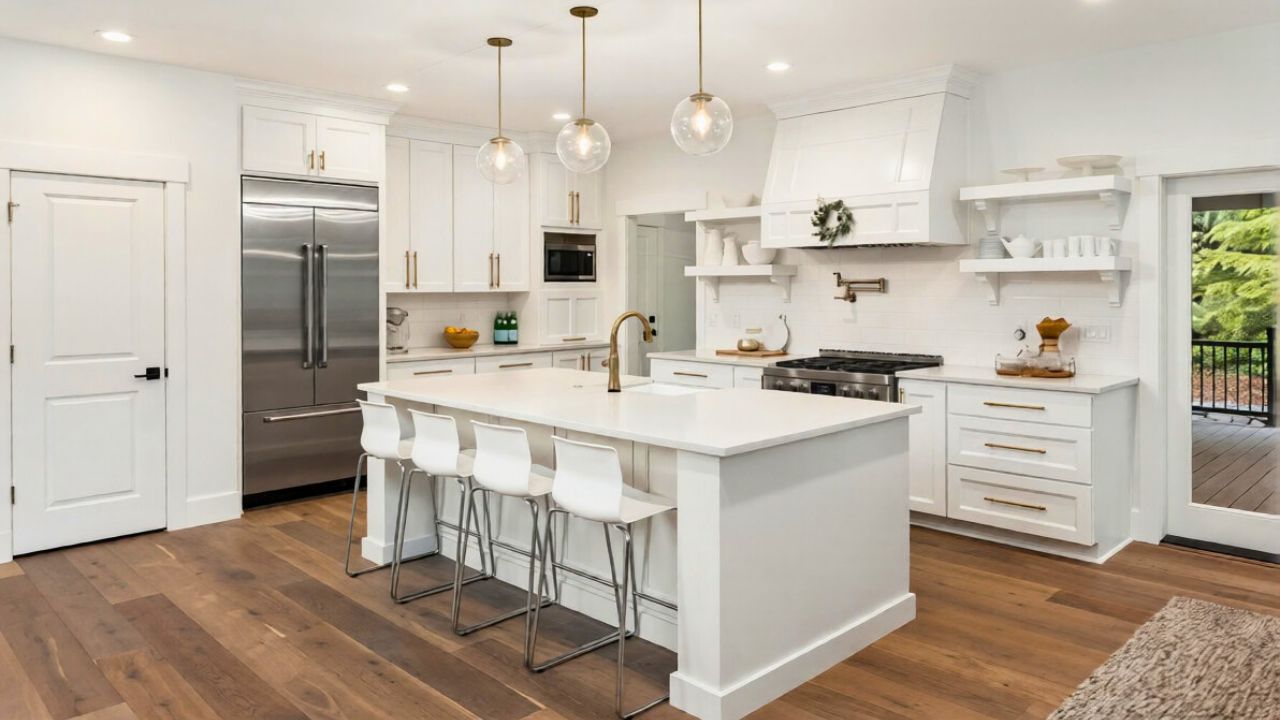
The upgrade that photographs well but doesn’t hold up to daily life
You live in a world where every upgrade is designed to be photographed before it is lived in. From kitchens styled for social feeds to makeup looks built for close‑up video, the things you are sold as “must haves” often collapse the moment they meet pets, kids, humidity, or a workday that runs long. The upgrade that looks flawless on camera but fails under real use is no longer the exception, it is the business model.
If you want a home and routine that actually work, you have to learn to see past the lens. That means understanding which trends are engineered for images, which ones can be adapted, and which you should skip entirely if you care about sanity, safety, and long‑term value.
The Instagram trap: why “camera‑ready” is not “life‑ready”
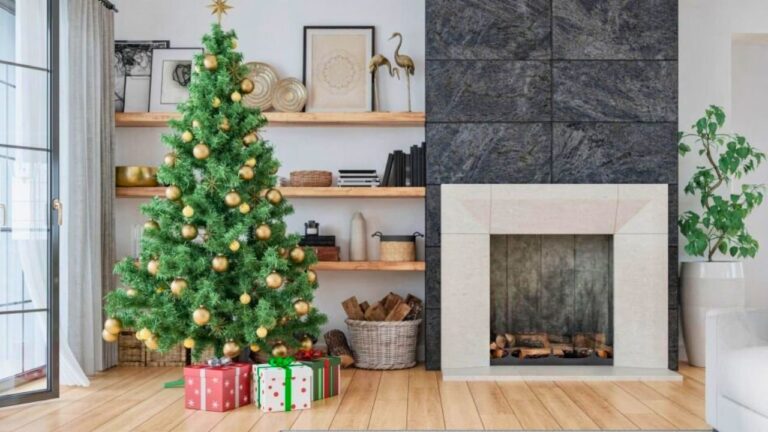
You are constantly nudged toward choices that photograph beautifully in a single frame but demand constant effort to maintain. The glossy kitchen with every surface exposed, the sculptural staircase with no visible support, the all‑white sofa that looks like a cloud, these are designed to stop your scroll, not to survive your schedule. Designers and real‑estate pros have started to flag how many of these upgrades are optimized for listing photos and short videos rather than for the way you actually cook, clean, and move through a space, which is why so many of them age badly once the cameras are off and the groceries come in.
That tension shows up in everything from kitchen cabinetry to bathroom finishes. Trend lists that once pushed you toward open shelves and delicate stone now quietly acknowledge that the daily grind of dust, fingerprints, and spills makes these choices hard to live with. When you see a space that looks like a styled set, you are often looking at something that has been staged, edited, or maintained at a level that is unrealistic for most households, a gap that becomes obvious as soon as you try to replicate those top trends in your own home.
Open shelving: styled perfection, constant maintenance
Few upgrades capture the difference between visual appeal and daily frustration as clearly as open kitchen shelving. In photos, rows of plates and glassware look airy and curated, and you are told that removing upper cabinets will make your kitchen feel larger and more modern. In practice, every exposed surface collects dust and grease, every mismatched mug breaks the illusion, and you end up either restyling shelves after every grocery run or living with a constant sense of visual clutter that makes the room feel messier than it is.
Designers who once embraced the look now point out that open shelving is losing ground as homeowners rediscover the sanity of closed doors and hidden storage. Remodelers describe how “Overly Open Shelving Why” it is going out comes down to the same issue, it looks great in magazines but is a challenge to keep organized and clean, especially in busy family kitchens where you do not have time to constantly edit your dishes, which is why they now steer clients away from overly open layouts.
All‑white everything: the high‑stress “minimalist” upgrade
On camera, an all‑white interior reads as calm, luxurious, and expensive. You are promised a minimalist sanctuary that will never go out of style. The reality is that white walls, white floors, and white upholstery turn every coffee drip, shoe scuff, and pet hair into a crisis. Instead of feeling relaxed, you end up policing how people move through your home, because one careless moment can ruin a sofa or rug that cost a month’s salary.
Architect and interior designer Kobi Karp of Kobi Karp Architecture and Interior Design has been blunt about the problem, noting that All‑white interiors are impractical and hard to maintain. White fabrics, especially white leather, stain easily, and keeping them pristine requires a level of care that most households cannot sustain. When you combine that with the harsh cleaning products needed to keep grout and flooring bright, the “minimalist” upgrade quickly becomes a high‑stress, high‑maintenance lifestyle that serves the camera more than it serves you.
Delicate stone and glossy finishes: beautiful, but unforgiving
Natural stone and high‑gloss surfaces are another category where the upgrade looks spectacular in photos but punishes you in daily life. Marble countertops, for example, signal luxury and are heavily promoted in high‑end remodels, yet they etch and stain easily when they meet red wine, citrus, or a forgotten coffee mug. High‑gloss cabinetry and lacquered tables reflect light beautifully in staged images, but every fingerprint, scratch, and speck of dust shows up, so you are constantly wiping and worrying instead of cooking or relaxing.
Real‑estate and design pros note that, over the last several years, luxury buyers have shown a strong preference for marble, with thicker slabs and more dramatic veining. At the same time, practical guides to home upgrades warn that many finishes that look amazing when new require a very high level of maintenance, because everything from fingerprints to dust is magnified on glossy surfaces, a reality that videos on impractical trends underline with real‑world examples of scratched counters and smudged cabinets that never look as good as the day they were installed.
Floating stairs and frameless glass: when drama beats safety
Architectural features that seem to defy gravity are catnip for social media, and you are encouraged to see them as the hallmark of a sophisticated renovation. Floating staircases, frameless glass railings, and razor‑thin platforms create dramatic lines that photograph beautifully. The problem is that the very elements that make them look so sleek, minimal structure and minimal hardware, can make them harder to use safely, especially for children, older adults, or anyone carrying laundry baskets and groceries up and down.
Design commentators have highlighted how these features often fail in real life, with one breakdown of popular upgrades pointing out that floating stairs can feel exposed and uncomfortable to navigate. Regarding the “floating stairs,” a detailed discussion of building codes in Germany describes how, after safety concerns, authorities required a redesign that added a handrail and adjusted the structure so the staircase fulfilled all requirements for an approved staircase. That shift captures the core issue for you as a homeowner, what looks weightless in a photo often needs more support, more railings, and more visible structure once regulators and real users get involved.
Techy “smart” upgrades that slow you down
Not every photogenic upgrade is about surfaces. You are also sold smart locks, touchscreens, and app‑controlled everything as the future of convenience, often showcased in slick videos where a single tap transforms a home. In reality, each new device adds another app to manage, another battery to replace, and another point of failure when the Wi‑Fi drops or a firmware update goes wrong. The result is that simple tasks, like turning on a light or unlocking a door, can become slower and more fragile than the analog versions they replaced.
Home‑improvement creators who actually live with these systems often strike a more cautious tone, showing how a few well‑chosen upgrades, such as a smart lock on a main entry or a better shower head, can genuinely improve your routine while warning that turning every switch into a gadget can backfire. One walkthrough of everyday upgrades makes the point that adding connected features to every door would be a bigger project and might not be worth the complexity, a reminder that you should prioritize reliability and ease of use over the novelty of controlling everything from your phone.
When “content” beauty standards invade your bathroom
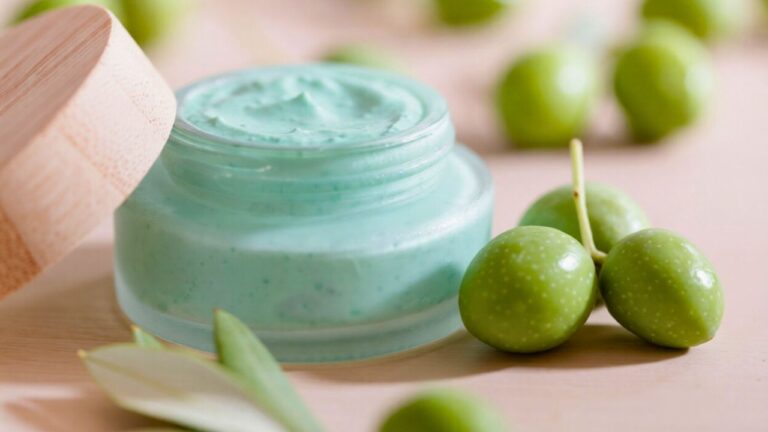
The same dynamic that shapes your home also shows up in your mirror. Viral beauty looks are often created for the camera, not for a commute, a classroom, or a long shift. You are encouraged to try heavy contouring, ultra‑glossy lips, or graphic liner that looks incredible in a close‑up but smudges, creases, or feels uncomfortable after a few hours. The result is that you can spend more time maintaining your face than living your day, all in service of a look that was never meant to last beyond a short video.
Beauty brands that speak directly to younger consumers have started to say this out loud. One guide aimed at Gen Z notes, “Here is the truth about viral makeup trends,” most of them are created for content, not for living your actual life, but that does not mean you cannot adapt them. Instead of copying every extreme look, you are encouraged to translate the ideas into daily looks that survive heat, sweat, and long hours, a principle that mirrors the shift from purely aesthetic home upgrades to ones that respect how you actually live.
How to stress‑test a trend before you buy in
If you want to avoid upgrades that collapse under real use, you need a simple way to stress‑test trends before you commit. Start by asking how the feature will look and function after a week of normal life, not after a day of professional cleaning and styling. Imagine your kids dropping backpacks on that bench, your dog shaking off water near that rug, or your partner cooking a messy meal on that countertop. If the only way to keep the upgrade looking good is to change your behavior dramatically, you are not buying a solution, you are buying a chore.
Designers who work closely with homeowners often recommend looking at how trends have aged over several years, not just how they appear in current feeds. Earlier guides to cabinetry, for instance, already noted that the open shelving design scheme was losing popularity as people came to terms with the day‑to‑day struggle of maintaining these oddities, which made it incredibly difficult to prolong their life span, a warning that has only grown louder in more recent cabinet advice. The same logic applies to finishes, fixtures, and even beauty routines, if a choice has a track record of frustrating real users, you should treat glossy photos as a red flag, not a recommendation.
Choosing upgrades that actually improve your life
The alternative to camera‑first upgrades is not to avoid change altogether, it is to prioritize improvements that make your daily routines easier, safer, and more enjoyable. That might mean choosing durable quartz over marble, closed cabinets over open shelves, or a few well‑placed dimmers instead of a wall of smart screens. In beauty, it might mean focusing on skin care and simple techniques that hold up through a full day instead of chasing every new viral challenge. The common thread is that you measure success by how you feel at 8 p.m., not by how your space or face looks in a single still image.
When you look at trend breakdowns with that lens, a pattern emerges. Interior designers increasingly push back on popular fads that create more work than joy, while real‑estate experts highlight remodeling choices that actually add comfort and value, from better storage to more resilient materials, in their rundowns of remodeling trends. Even home‑tour and renovation videos that once focused on dramatic reveals now spend more time on how spaces function day to day, with creators walking you through what they would repeat, what they regret, and how they balance aesthetics with practicality in projects documented on video and in detailed breakdowns of design choices. If you follow that lead, the upgrades you choose will not just photograph well, they will hold up to the life you actually live.
Like Fix It Homestead’s content? Be sure to follow us.
Here’s more from us:
- I made Joanna Gaines’s Friendsgiving casserole and here is what I would keep
- Pump Shotguns That Jam the Moment You Actually Need Them
- The First 5 Things Guests Notice About Your Living Room at Christmas
- What Caliber Works Best for Groundhogs, Armadillos, and Other Digging Pests?
- Rifles worth keeping by the back door on any rural property
*This article was developed with AI-powered tools and has been carefully reviewed by our editors.