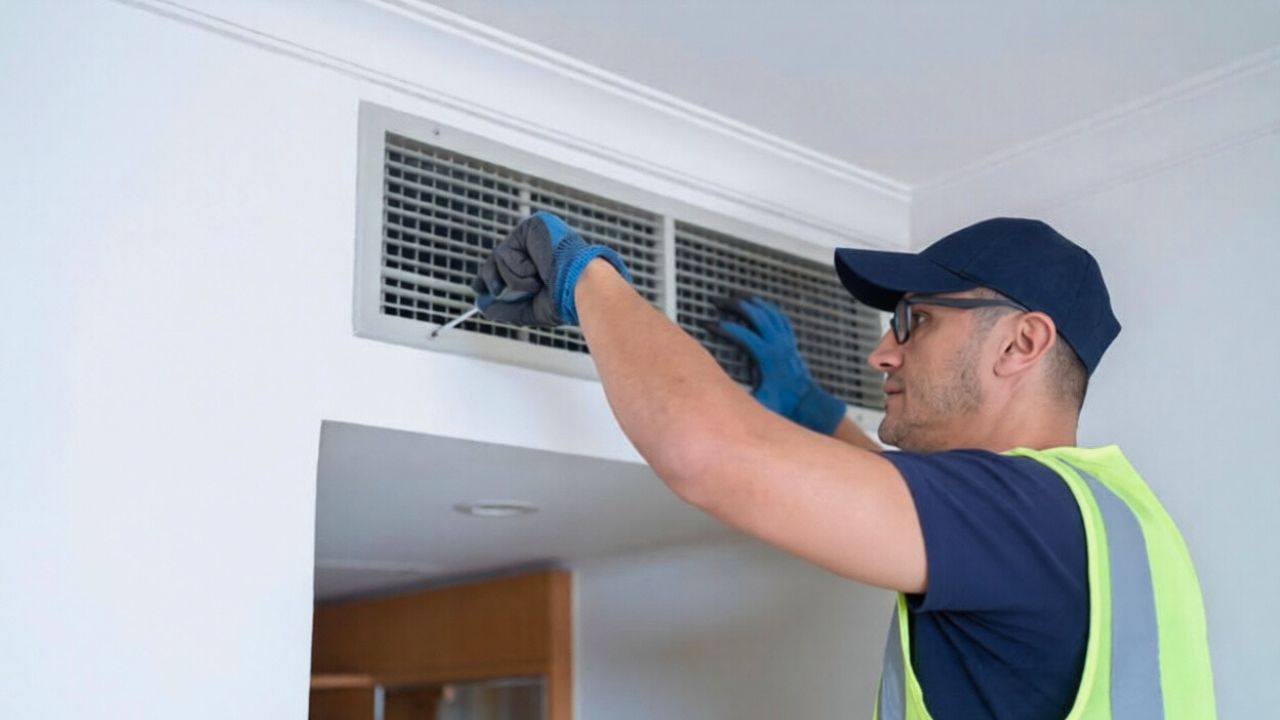
The ventilation upgrade homeowners regret not doing earlier
You notice a drafty window or a dated countertop long before you notice stale air, but the upgrade that quietly transforms how you live is almost always better ventilation. When you finally fix it, you feel the difference in every room, every season, and every energy bill, which is why so many homeowners say they wish they had tackled it years earlier. If you are planning a renovation or wrestling with persistent comfort issues, treating ventilation as a core system rather than an afterthought can spare you from some of the most common and costly regrets.
Why ventilation becomes the “why didn’t I do this sooner” upgrade
Once you improve airflow in a house that has been stuffy for years, the change is immediate and hard to ignore. People who have lived with poor circulation often describe a before-and-after contrast that feels like moving into a different property, even when nothing else has changed. In one widely shared account, a homeowner singled out Attic ventilation as the single best improvement in a house that had been occupied for 50 years, noting that they honestly did not understand how anyone had tolerated the heat build up for so long. When you finally relieve that kind of trapped heat and humidity, you are not just more comfortable, you are also protecting the structure and finishes you have already paid for.
Ventilation also tends to be the upgrade you only appreciate fully after you have lived with it through a few seasons. A well designed system quietly pulls out moisture, odors, and pollutants while bringing in fresher air, so you stop fighting fogged bathroom mirrors, lingering cooking smells, and that faint mustiness that no candle can mask. Because the benefits accumulate over time, from fewer mold risks to more stable indoor temperatures, many owners look back and realize that delaying this work cost them years of comfort and likely accelerated wear on everything from paint to insulation.
The hidden costs of stale air and delayed maintenance
When you postpone ventilation upgrades, you are not just tolerating a bit of stuffiness, you are compounding maintenance problems that will eventually show up in your budget. Survey data on household regrets shows that Homeowners consistently rank deferred upkeep among their biggest mistakes, and poor airflow is a classic example of an invisible issue that quietly drives that regret. Responding owners pointed to problems like moisture damage and the buildup of grease and debris, both of which are made worse when stale air is trapped in kitchens, bathrooms, and attics instead of being exhausted outdoors.
Those hidden costs show up in subtle ways at first, such as peeling paint in a bathroom with no fan or warped cabinet doors near a range that vents nowhere. Over time, they can escalate into mold remediation, premature roof replacement, or even health complaints that send you searching for air purifiers and dehumidifiers. By the time you add up those stopgap purchases and repairs, the price of a proper ventilation strategy often looks modest in comparison, which is why so many owners later say that waiting to address airflow was one of their most expensive miscalculations.
Why you cannot “fix it later” once the walls are closed
Ventilation is technically possible to retrofit, but it is rarely painless once drywall is up and finishes are in place. Duct runs, exterior vents, and chase spaces all compete with structural elements, so adding them after the fact can mean cutting into ceilings, soffits, and even exterior cladding. Homeowners discussing upgrade priorities during the building stage often stress that you should focus on anything structural or deeply embedded that you do not want to redo, noting that rerouting services later can be a serious pain in the butt too.
If you are renovating rather than building new, the same logic applies. It is far easier to add a dedicated exhaust line or fresh air intake when you already have walls open for electrical or plumbing work than to circle back a few years later and start cutting again. Treating ventilation as a core part of the initial scope lets you coordinate fan locations, duct paths, and exterior terminations in a way that respects both structure and aesthetics, instead of forcing awkward compromises that can leave you with noisy fans, visible trunk lines, or vents that discharge in inconvenient spots.
Kitchen projects: where regret over bad ventilation hits hardest
Nowhere do people regret ignoring airflow more than in the kitchen, where heat, grease, and odors are generated daily. Renovation stories are full of owners who splurged on stone counters and high end appliances but skimped on the range hood or skipped ducting it outside, only to discover that their beautiful new space smells like last night’s dinner for hours. Professional carpenters warn that Ventilation rarely gets attention during the design phase, even though Forgetting About Ventilation and Proper Electrical Planning is one of the most common kitchen missteps.
Undersized or recirculating hoods struggle to capture steam and airborne grease, which then settle on cabinets, walls, and ceilings, shortening the life of your finishes and making cleaning a constant chore. When you plan a kitchen upgrade, you should match the hood’s capacity and duct size to your cooktop and the room’s volume, and make sure the exhaust actually leaves the building rather than looping through a filter and back into your face. Getting this right at the design stage protects your investment in cabinetry and surfaces, and it also keeps indoor air healthier for anyone who spends time cooking or eating nearby.
Whole home comfort: from cross breezes to mechanical systems
Beyond the kitchen, the way air moves through your entire home shapes how each room feels, even when the thermostat reads the same temperature. Natural strategies like cross ventilation can be surprisingly powerful when you plan for them, as one couple discovered after a major renovation. Two years after finishing their high end project, Evelyn Broughton and her partner Shaun realized that the bi folding doors they had chosen did not deliver the airflow they expected, and they spoke about underestimating the power of cross breezes when you align openings to capture prevailing winds.
Mechanical systems can extend that idea by ensuring consistent fresh air even when windows are closed for weather, noise, or security. Balanced ventilation, where stale indoor air is exhausted and replaced with outdoor air in a controlled way, helps even out hot and cold spots and reduces the load on your heating and cooling equipment. When you combine thoughtful window placement with well designed fans and ductwork, you create a home that feels fresher with less reliance on blasting the air conditioner or furnace, which can translate into lower utility bills and a more resilient interior environment.
What a modern ventilation system actually does for you
Modern systems do more than just move air around, they manage heat and moisture in ways that directly affect your comfort and costs. A well ventilated home can help keep interiors fresh in summer and warm in winter by guiding how air and energy flow through the building. When Hot air moves out during warmer months, your cooling system does not have to work as hard, and when stale, damp air is removed in colder weather, your heating system can warm drier air more efficiently.
Dedicated ventilation equipment can also filter incoming air, which is increasingly important in areas affected by wildfire smoke, urban pollution, or high pollen counts. By controlling where air enters and exits, you reduce drafts and cold spots while still maintaining a steady exchange that keeps humidity in check. The result is a home that smells cleaner, feels more consistent from room to room, and is less prone to condensation on windows or in wall cavities, all of which contribute to a healthier living environment and a longer lifespan for your finishes and furnishings.
Heat recovery and energy efficiency: when fresh air pays you back
One reason some homeowners hesitate to add ventilation is the fear of wasting conditioned air, but heat recovery technology is designed to address exactly that concern. Heat recovery ventilators (HRVs) and energy recovery ventilators (ERVs) pass outgoing and incoming air streams through a core that transfers heat, and in some cases moisture, between them. In a detailed Comments Section, an HVAC engineer explained that If the air sealing and insulation bring a house to a tight standard, an HRV can maintain indoor air quality without sacrificing the efficiency gains you worked so hard to achieve.
In practice, that means you can enjoy continuous fresh air while still keeping most of the warmth inside during winter and most of the heat outside during summer. These systems are particularly valuable in newer or retrofitted homes that have been aggressively sealed to cut drafts, where natural leakage is no longer enough to keep indoor pollutants diluted. By integrating heat recovery into your ventilation plan, you turn what might have been an energy penalty into a performance upgrade, often improving both comfort and utility costs over the long term.
Design choices that quietly sabotage your airflow
Even with good equipment, certain design decisions can undermine how well your home breathes. Trend driven layouts that prioritize uninterrupted walls or oversized islands can block natural air paths, while tightly packed ceiling plans leave little room for properly sized ducts and diffusers. In a popular design critique, a host walking through Nov home trends pointed out how some fashionable choices, like completely enclosed cooking nooks or windowless interior bathrooms, create pockets where stale air lingers unless you invest in stronger, and often noisier, mechanical solutions.
Other missteps show up in the choice and placement of vents and returns. If supply registers blow directly onto seating areas while returns are tucked into distant corners, you can end up with drafts and dead zones instead of gentle circulation. Another video that catalogued FYI level renovation regrets highlighted how decorative range hoods without proper ducting, or fans that simply recirculate air through minimal filters, leave homeowners disappointed once the novelty wears off. Paying attention to how air will actually move through your finished rooms helps you avoid these subtle but persistent comfort issues.
How to prioritize ventilation in your next project
To avoid joining the chorus of people who wish they had upgraded ventilation earlier, you need to move airflow planning to the front of your project checklist. Start by mapping where moisture and pollutants are generated in your home, including kitchens, bathrooms, laundry rooms, and any hobby or workshop spaces, then confirm that each has a clear path for exhaust to the exterior. When you review plans with your contractor or designer, treat duct routes, fan sizing, and vent locations as non negotiable infrastructure, not optional add ons that can be trimmed when budgets tighten, a mindset echoed in lists of home upgrades that owners say were Here 100 percent worth it.
It also helps to think in phases, especially if you cannot afford a whole home overhaul at once. You might begin with a properly ducted range hood and a quiet, timer controlled bathroom fan, then plan for a future HRV or ERV that ties everything together. As you make these decisions, remember that ventilation is not a decorative flourish, it is a backbone system that protects every other upgrade you undertake. When you treat it with that level of importance, you dramatically reduce the odds that you will look back, years from now, and wish you had given your home the ability to breathe sooner.
Like Fix It Homestead’s content? Be sure to follow us.
Here’s more from us:
- I made Joanna Gaines’s Friendsgiving casserole and here is what I would keep
- Pump Shotguns That Jam the Moment You Actually Need Them
- The First 5 Things Guests Notice About Your Living Room at Christmas
- What Caliber Works Best for Groundhogs, Armadillos, and Other Digging Pests?
- Rifles worth keeping by the back door on any rural property
*This article was developed with AI-powered tools and has been carefully reviewed by our editors.