The warranty detail that sounds good until you read what’s excluded
The promise of a “lifetime” or “bumper‑to‑bumper” warranty is designed to make you feel safe enough to sign or swipe without hesitation. The catch usually arrives later, when you discover that the very problem you need fixed lives in a maze of exclusions, conditions, and fine print. To protect your wallet, you have to understand not just what a warranty offers, but the long list of things it quietly takes off the table.
Once you see how these contracts are structured, the pattern becomes hard to ignore. The bold headline language is generous, yet the exclusions are drafted with surgical precision, shifting routine costs, common failures, and even accident damage back onto you. The detail that sounds reassuring at the sales desk can become the reason your claim is denied when you actually need help.
How “lifetime” and “full coverage” language hides the real deal
When you hear “lifetime warranty,” you probably picture coverage that lasts as long as you own the product, or even as long as you live. In practice, the phrase is often defined much more narrowly, sometimes as the “expected life” of a product or a specific number of years that only appears in the fine print. Contract drafters are advised to spell out the product scope, the covered components, and the expected timeline for resolution, which is why guidance on a Limited Lifetime Warranty stresses that you must “Define the” scope clearly. If you do not see that level of detail, you should assume the generous wording on the box is marketing, not a guarantee.
Home improvement products show how this plays out. Window makers frequently advertise lifetime protection, yet homeowners are often surprised to learn that the promise excludes labor for removal and installation of replacement parts, as well as various types of damage caused by weather or building movement. One window company notes that Labor for replacement and certain kinds of Damage are carved out, even while the “lifetime” label stays front and center. The same pattern appears in “full coverage” or “bumper‑to‑bumper” auto warranties, which sound absolute but quietly exclude many of the parts you are most likely to replace.
The law says one thing, the sales pitch says another
Federal law does give you some leverage, but only if you know it exists. The Magnuson Moss Warranty Act requires written warranties on consumer products to be clear and easy to understand, and it bars companies from tying coverage to the use of specific branded parts or services. The Federal Trade Commission’s own guidance for businesses explains that a seller cannot condition warranty coverage on using its own repair service or parts, a point spelled out in the agency’s federal warranty law guide. If a dealer tells you your warranty is void because you used an independent mechanic or a generic filter, that is not just aggressive salesmanship, it may be illegal.
Regulators have been explicit about this. In a recent enforcement push, officials warned manufacturers that “tie‑in” provisions, such as stickers claiming “warranty void if removed” or language that suggests you must use a specific brand of parts, violate the Magnuson Moss Warranty Act. A legal analysis of that campaign notes that these restrictions run afoul of the statute and highlights sample language the FTC expects to see instead, such as a statement that using third‑party parts “will not void this warranty.” That warning is detailed in a summary of warranty practices, which ties directly back to the Magnuson Moss Warranty. When a salesperson leans on those scare tactics, you are not just allowed to push back, you are on the right side of federal law.
The auto example: “bumper‑to‑bumper” that stops short
Extended auto warranties are a masterclass in how exclusions hollow out a sweeping promise. Marketing copy often suggests that “Most” problems on your car will be covered, and that “Any Extended Warranty and What Endurance Covers Instead” will protect you from surprise repair bills. Yet the same guidance concedes that Most extended auto warranties (also known as vehicle service contracts) exclude a familiar list of items. The Top 5 Exclusions in Any Extended Warranty and What Endurance Covers Instead include routine maintenance, wear items, and cosmetic components, which means you still shoulder many of the costs that come with owning a car.
Even contracts marketed as “exclusionary” coverage, which sound like they protect everything, rely on a clever inversion. Instead of listing what is covered, they list what is not, and anything not named is automatically excluded. One explainer describes What Is Exclusionary and notes that this “cover‑everything‑except” model can leave you exposed if you assume silence equals protection. A related breakdown of Exclusionary contracts underscores that “Rather” than listing covered parts, the policy lists exclusions, which flips the burden onto you to spot what is missing.
Wear and tear: the everyday costs you thought were covered
If there is one category that almost always falls outside warranty protection, it is normal wear and tear. Auto contracts routinely carve out brake pads, tires, wiper blades, and other parts that are designed to wear down, even when the warranty is described as bumper‑to‑bumper. A consumer guide on new‑car coverage notes that Wear and Tear items are treated as consumables, not defects, and that “Prone Components Think of” brake pads, tires, wiper blades, and fuses are often excluded even from comprehensive plans. If you drive a 2023 Toyota RAV4 or a 2022 Ford F‑150, the odds are high that your next set of tires or brake pads will be on you, not your warranty provider.
Extended warranty companies are explicit about this logic. One breakdown of What Extended Warranty’t Cover, And Why, explains that “Wear, Tear and Maintenance Items for Extended Warranties” are excluded because they are expected costs of ownership. Another guide to vehicle contracts notes that There are certain things that are commonly excluded from extended vehicle warranties, such as Normal wear and tear, which means you should budget for those repairs even if you pay for extra coverage.
Appliances and rentals: when “user error” becomes a catch‑all
Household appliances come with their own version of the exclusion trap. Manufacturer warranties typically cover defects in materials or workmanship, but they stop short of protecting you from accidents, misuse, or neglect. A repair service that specializes in kitchen and laundry equipment spells this out bluntly, explaining that Here is what is typically NOT covered: Accidental Damage and Damage caused by misuse or abuse is generally excluded, and consumable parts like light bulbs and water filters are your responsibility to replace.
Rental contracts for washers and dryers add another layer of risk. These agreements often promise quick repairs or replacements, but they also contain detailed lists of what counts as improper use. One leasing company warns that common exclusions include overloading the machines, using the incorrect type of detergent, or failing to perform basic maintenance like cleaning the lint filter. Its guidance notes that Furthermore, understanding common exclusions in washer and dryer rental warranties is critical, because damage from natural disasters or accidents may also be excluded. A related explainer on common exclusions makes clear that what looks like a safety net can quickly unravel if the provider blames you for “user error.”
Cosmetic damage and “it still works” denials
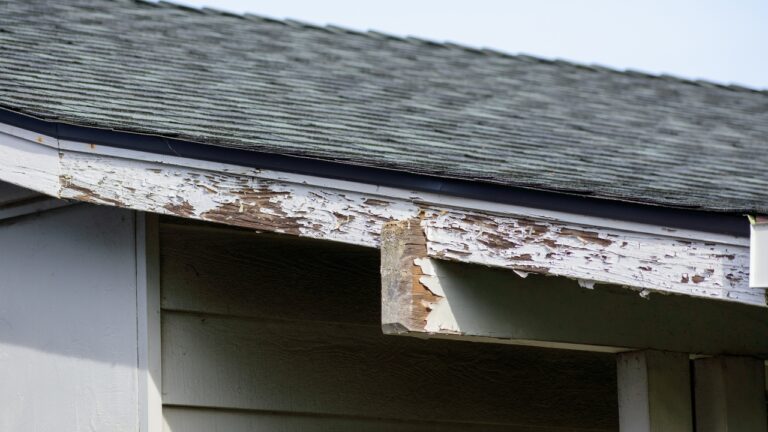
Another exclusion that catches consumers off guard is cosmetic damage, especially when it affects a home’s value or curb appeal. Roofing and siding warranties, for example, may cover leaks or structural failures while refusing to pay for dents, discoloration, or surface damage that insurers deem “cosmetic.” A legal analysis of hail claims notes that Moreover, many homeowners are surprised to learn that their policies include exclusions for “cosmetic damage,” and that these exclusions are often buried in dense language that makes them hard to interpret. The result is a familiar frustration: your roof is visibly battered, your property looks worse, but your claim is denied because the structure technically still functions.
Vehicle and appliance contracts use similar logic. Extended auto warranties often exclude cosmetic, trim, glass, and paint issues, even when they affect resale value or your ability to safely see out of the vehicle. One breakdown of what warranty programs do not cover explains that Cosmetic and trim problems are treated as appearance issues, not functional failures. That same analysis, titled What Extended Warranty’t Cover, And Why, reinforces that if the product still technically works, the provider will often argue that your problem is cosmetic and therefore excluded.
Misrepresentation: when the sales script crosses a legal line
Some of the most painful warranty disputes start long before anything breaks, at the moment of sale. High‑pressure pitches can blur the line between a manufacturer’s written warranty and a separate service contract, or suggest that coverage is “all inclusive” without ever disclosing the exclusions. Consumer attorneys warn that this kind of conduct can amount to a warranty misrepresentation, especially when a salesperson makes broad verbal promises “without clear written terms” to back them up. One legal guide titled Understanding What Is a Warranty Misrepresent explains that spotting these tactics early can save you money, time, and frustration.
Video explainers aimed at everyday consumers echo the same warning. One series from County Office walks through what product warranties typically cover, while another from the same source breaks down What Common Issues. Both emphasize that you should never rely solely on what a salesperson says, and that you need to read the written terms before you sign. A related clip on What Do Product and another on County Office’s coverage of exclusions both drive home the same point: if a claim about coverage is not written down, you should treat it as a sales pitch, not a binding promise.
How to read the fine print before it reads you
To avoid being blindsided, you need a strategy for reading warranty documents that are designed to be tedious. Start by finding the section labeled “Exclusions” or “What is not covered,” and read it more than once. Look for references to wear items, cosmetic issues, accidents, and improper use, and assume that any broad category will be interpreted in the company’s favor. When you see phrases like “normal wear and tear” or “cosmetic damage,” remember the auto and roofing examples, where those labels became the basis for denial. A guide to Navigating Extended Car underscores that you should treat the exclusions list as the real heart of the contract, not the glossy brochure.
Next, check how the warranty defines its own key terms. If you see “limited lifetime” language, look for a clause that explains what “lifetime” means in years or usage, and whether it applies to you or to the product. Contract drafting resources on How to structure a Limited Lifetime Warranty stress that you should “Define the” product scope and the expected timeline for resolution, which is exactly what you want to see as a buyer. If the document is vague, or if the salesperson’s explanation does not match the written terms, that is a red flag. At that point, you can either walk away or ask for the promise to be added in writing before you agree.
Turning exclusions into leverage, not just frustration
Once you understand how exclusions work, you can use that knowledge to negotiate and to decide when a warranty is worth the price. If a car dealer offers an extended plan that excludes Normal wear and tear, cosmetic issues, and many electronics, you can point to the list of Routine maintenance services (like oil changes and tire rotations) that are typically excluded and ask for a lower price. The same logic applies to appliance store add‑ons that do not cover Accidental Damage or misuse, as highlighted in the Accidental Damage exclusions. If the plan will not pay for the most likely problems, you can skip it and set that money aside for repairs instead.
Like Fix It Homestead’s content? Be sure to follow us.
Here’s more from us:
- I made Joanna Gaines’s Friendsgiving casserole and here is what I would keep
- Pump Shotguns That Jam the Moment You Actually Need Them
- The First 5 Things Guests Notice About Your Living Room at Christmas
- What Caliber Works Best for Groundhogs, Armadillos, and Other Digging Pests?
- Rifles worth keeping by the back door on any rural property
*This article was developed with AI-powered tools and has been carefully reviewed by our editors.