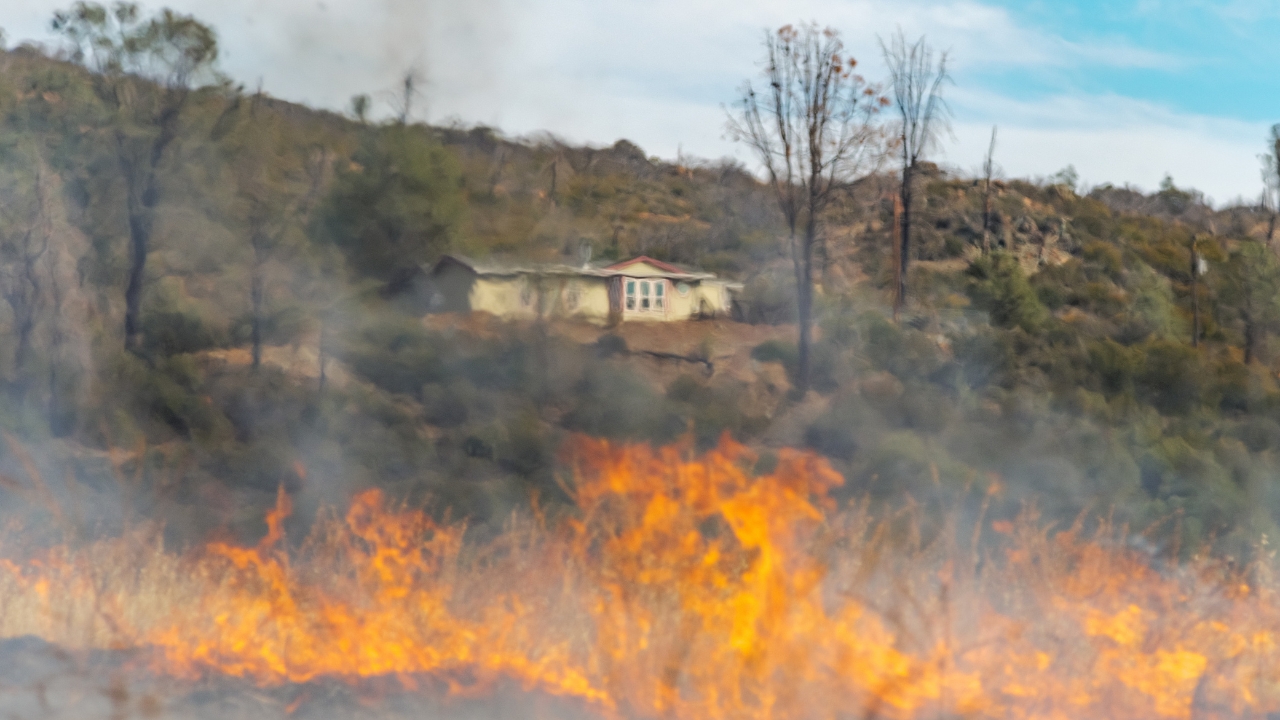
The wildfire coverage gap that can break a mortgage requirement if you’re not careful
Wildfire seasons are now long enough, and destructive enough, that your home’s insurability has become a core part of your mortgage risk, not a side detail. If your coverage lapses, shrinks, or falls into a gray area at the wrong moment, you can suddenly be out of compliance with your loan and at risk of a delayed closing or even default. The gap between what your policy actually covers and what your lender expects is where that requirement can quietly break.
To protect yourself, you need to understand how lenders view wildfire exposure, how insurance markets in places like California are shifting, and why seemingly technical issues like moratoriums, FAIR Plan limits, and underinsurance can derail a deal. Once you see how these pieces fit together, you can plan ahead so your coverage keeps pace with both your mortgage contract and the real cost of rebuilding.
Why your lender cares more about wildfire risk than you might think
From your lender’s perspective, your house is collateral first and a home second, and wildfire is now one of the fastest growing threats to that collateral. Industry analysis has warned that Wildfire risk is an escalating crisis for lenders, because a single blaze can wipe out entire neighborhoods and leave mortgage portfolios exposed over a much longer timeline than a typical storm. When a fire destroys a property that is not adequately insured, the borrower may walk away, leaving the lender with a nonperforming loan and a charred lot that is worth a fraction of the outstanding balance.
That is why your mortgage documents require continuous hazard coverage that explicitly includes Fire and related perils, and why lenders scrutinize policies in Wildfire prone Areas more closely than they did a decade ago. If Wildfires were not a priority for banks before, they are now, because the financial fallout from these disasters is magnified when collateral values do not match the loan amounts, a dynamic highlighted in separate guidance that warns that if wildfire risks were not a priority before, they must be treated as one today. You feel that pressure in the form of stricter insurance conditions, higher documentation demands, and less tolerance for any coverage gap, even a brief one.
The basic mortgage rule: hazard insurance is not optional
Even in states where regulators do not force you to buy homeowners insurance, your lender almost certainly will. In California, for example, consumer guidance makes it explicit that California does not require homeowners to carry homeowners insurance, but if you have a mortgage, your servicer will require you to maintain coverage and to carry enough insurance to rebuild your home. That requirement is not a suggestion, it is baked into your deed of trust, and falling out of compliance can trigger force-placed insurance or even a technical default.
At the core of that requirement is what lenders call hazard coverage, the part of your policy that pays when the structure itself is damaged or destroyed. As one credit union explains it, Homeowner’s hazard insurance compensates you for property loss or damage, and hazard insurance is required for all mortgages, with Fire specifically listed among the covered risks. When you sign your closing package, you are agreeing to keep that coverage in place for as long as you owe money on the loan, which is why any wildfire-related gap, cancellation, or downgrade can put you on the wrong side of your contract even if state law would otherwise let you go uninsured.
How wildfire insurance moratoriums can stall or sink a closing
In high risk regions, the problem often starts before you even own the house. When a major blaze breaks out nearby, insurers sometimes stop writing new policies or changing existing ones, a practice known as a moratorium. In California wildfire zones, agents warn that How Insurance Moratoriums Affect Home Sales is straightforward but brutal: you can face Delayed Escrow and Mortgage Approvals because no carrier will bind the coverage your lender requires until the moratorium lifts.
That timing risk is not theoretical. If you are under contract, You are in a legal and binding agreement with strict deadlines, and a delay in securing insurance can cascade into missed contingencies and lost deposits. Real estate guidance bluntly notes that You are in a legal and binding contract and could lose a house if deadlines are not met and on top of it lose your escrow money deposit. When a wildfire-driven moratorium blocks you from getting the policy your lender demands, that insurance gap can be the domino that knocks over the entire deal.
The shrinking private market and the rise of the FAIR Plan
Even once you own the home, keeping coverage in place is getting harder in some fire prone regions. Analysts tracking the market warn that the retreat by major insurers has left homeowners in many areas of California with limited options for obtaining coverage, and that this pullback is undermining California‘s ability to maintain a functioning and sustainable market. When traditional carriers nonrenew policies or sharply raise premiums after a wildfire, you may find that the only remaining option is the state backed FAIR Plan, which was designed as a last resort, not a long term solution.
Recent analysis notes that this trend has left countless homeowners seeking alternatives, with California’s FAIR Plan intended as a last resort but often the only viable option owing to the high premium. The FAIR Plan typically offers more limited coverage and lower limits than a standard policy, which can create a coverage gap between what your lender expects and what the plan actually provides. If you switch to FAIR without coordinating with your servicer, you might technically satisfy the requirement to have a policy, yet still fall short of the replacement cost coverage your mortgage assumes.
Where the real danger hides: underinsurance and outdated limits
The most dangerous wildfire coverage gap is often not a total lack of insurance, but a policy that quietly falls behind the real cost of rebuilding. Consumer advocates warn that Underinsurance often occurs when a homeowner has not adjusted their policy to keep up with rising construction costs or has not understood how other parts of the policy limit payouts. After a major fire, you may discover that your dwelling limit is tens or hundreds of thousands of dollars short of what it will actually cost to rebuild, leaving you unable to restore the collateral your lender is counting on.
The 2025 Los Angeles fires put hard numbers on that risk. A detailed wildfire risk report found that the Los Angeles fires exposed the widening gap between yesterday’s policy limits and today’s rebuild prices, and highlighted Unde as a growing problem even in millions of homes once labeled low hazard. From a mortgage standpoint, that means your coverage might technically exist on paper, but functionally fail to protect the lender’s interest, which can complicate loan modifications, refinances, or disaster relief because the property is no longer fully insurable at its original value.
FAIR Plan concentration and what it means for property values
As more owners are pushed into last resort coverage, entire neighborhoods are becoming dependent on the FAIR Plan, and that concentration carries its own mortgage risks. In the ZIP Codes hardest hit by the current Los Angeles County firestorms, analysts report that the Table of FAIR Plan residential exposure shows how heavily some areas now rely on this backstop, and how values could potentially decline if coverage remains expensive and limited. When buyers know that a house can only be insured through a high premium FAIR Plan policy, they may demand discounts or avoid the area altogether, which in turn affects the collateral value behind every mortgage on that block.
Regulators have tried to slow that surge. To slow the surge in FAIR Plan insurance policies, the California Department of Insurance enacted moratoria barring insurers from canceling or nonrenewing policies in ZIP codes adjacent to specified major wildfires, a move intended to keep more people in the private market. Yet even with those protections, In the ZIP Codes hardest hit by recent fires, the FAIR Plan has seen a remarkable surge in exposure, underscoring that Insurance is essential to obtaining and keeping a mortgage and that concentrated reliance on a last resort Plan can weigh on both neighborhood stability and lender appetite.
When disaster strikes: forbearance, relief, and the fine print
If a wildfire does hit, your first instinct may be to focus on physical damage, but your mortgage obligations do not automatically pause. In response to the 2025 Los Angeles fires, state financial regulators highlighted that Mortgage Relief for Homeowners is now available for those who cannot make payments due to the wildfire disaster, signaling that lenders and servicers are expected to offer temporary breathing room. The same resource notes in its Latest News section that Latest News includes Stronger mortgage relief now in effect, reflecting a policy shift toward more robust protections after recent fires.
Lawmakers have also stepped in with specific mandates. On September 22, 2025, On September that year, California Governor Gavin Newsom signed Assembly Bill 238, which requires servicers to grant forbearances to wildfire affected borrowers and sets strict rules around any denial of the borrower’s request. Separate tax and finance guidance explains that Individuals in Los Angeles County who are experiencing financial hardship that prevents them from making timely payments on a residential mortgage are eligible for up to one year of mortgage forbearance. These protections can keep you from falling into default after a fire, but they do not fix an underlying coverage gap, which is why you still need to understand your insurance position before disaster hits.
Down payment help and rebuilding funds that hinge on insurance
Beyond forbearance, some programs are trying to bridge the financial gap for buyers and owners in disaster zones, but they come with their own insurance strings attached. California is launching a CalAssist initiative in which Governor Newsom provides eligible homeowners $20,000 through a new Mortgage Fund for California disaster survivors, aimed at those hit by wildfires, floods, and other disasters. That $20,000 can help you close a financing gap or cover rebuilding costs, but you still need to maintain appropriate coverage to qualify and to satisfy your primary lender’s conditions.
On the purchase side, the ReCoverCA Homebuyer Assistance initiative shows how disaster recovery and mortgage underwriting are intertwined. The Program overview makes clear that to participate, applicants must first qualify for a First Mortgage Loan and meet the following requirements, including Hous related income and occupancy rules. That structure means your ability to tap recovery funds is built on top of a conventional loan that still requires robust hazard insurance, so any wildfire coverage gap can jeopardize not just your mortgage, but also the supplemental assistance you were counting on.
How to protect yourself from a wildfire coverage gap that trips your loan
Given how many moving parts now surround wildfire risk, you need a deliberate strategy to keep your mortgage safe. Start by reading your policy and your loan documents side by side, so you know exactly what your lender expects in terms of Fire coverage, dwelling limits, and deductibles. If you live in or near a Wildfire prone Area, talk with your agent about how moratoriums work, how your insurer handles nonrenewals, and what it would mean if you had to move to the FAIR Plan, including whether your current limits would still be enough to rebuild at today’s prices in a place like Los Angeles County.
Next, build a checklist for any future transaction. Before you go under contract, confirm that insurers are actively writing in the neighborhood and that no moratorium is in place, so you do not get caught in a last minute scramble that leads to Delayed Escrow or failed Mortgage Approvals. Once you own the home, calendar annual coverage reviews to avoid Underinsurance, especially as construction costs rise and as more homes in your ZIP Code shift to the FAIR Plan. The goal is simple but nonnegotiable: keep your hazard policy strong enough that, even in the face of Wildfires and market turmoil, your insurance never becomes the weak link that breaks your mortgage requirement.
Like Fix It Homestead’s content? Be sure to follow us.
Here’s more from us:
- I made Joanna Gaines’s Friendsgiving casserole and here is what I would keep
- Pump Shotguns That Jam the Moment You Actually Need Them
- The First 5 Things Guests Notice About Your Living Room at Christmas
- What Caliber Works Best for Groundhogs, Armadillos, and Other Digging Pests?
- Rifles worth keeping by the back door on any rural property
*This article was developed with AI-powered tools and has been carefully reviewed by our editors.