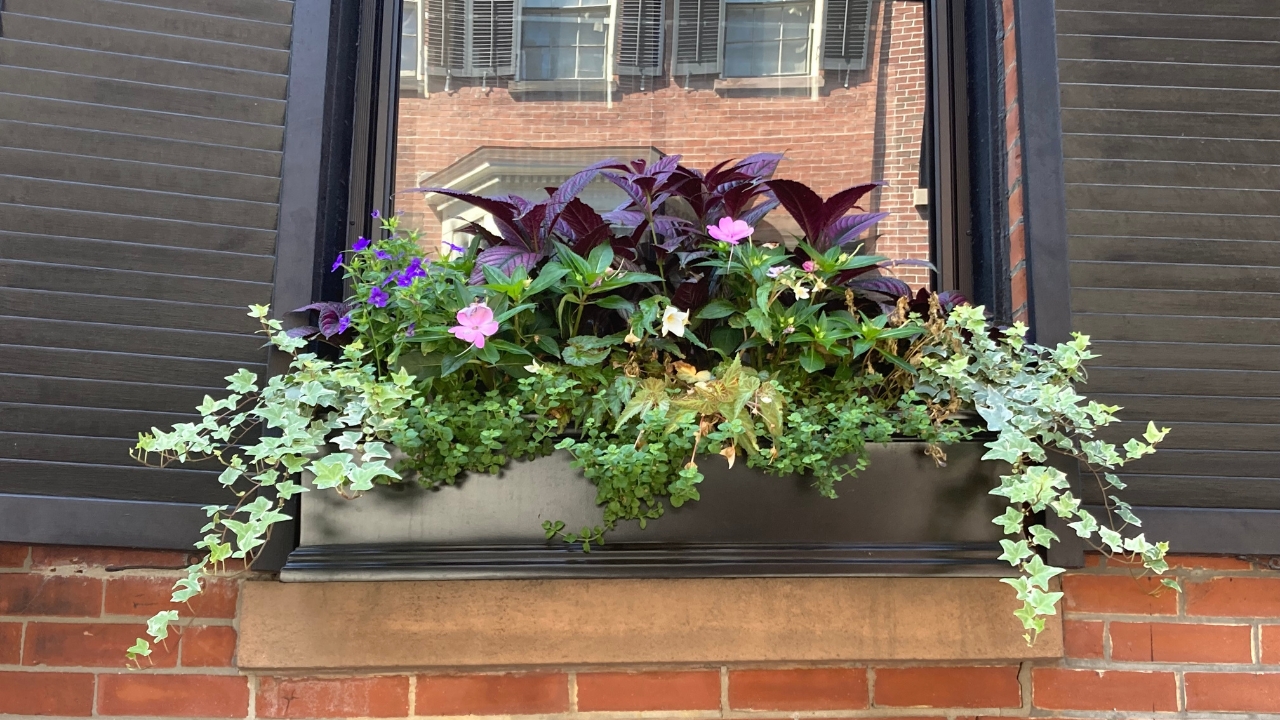
The window box ideas that still look good in cold weather
Cold weather doesn’t have to mean empty, sad-looking window boxes. Even when flowers are done and the garden’s asleep, you can keep those boxes looking pulled together with plants and fillers that don’t mind the cold—or don’t care at all, because they’re not alive in the first place.
The goal is simple: structure, texture, and a little color that holds up when the temperature drops and the sky is gray.
Start with evergreen “workhorses” for structure
If your window boxes look flat in winter, it’s usually because there’s nothing structural left once the flowers fade. Evergreen plants give you that backbone.
Good options (depending on your zone and box size):
- Small dwarf evergreens (like tiny boxwood or dwarf spruce) in pots sunk into the soil
- Compact evergreen grasses or carex that keep their shape
- Trailing evergreens like ivy for soft edges
You don’t need many. Even one or two “anchor” plants per box create height and shape. Plant them toward the back or in the corners so they frame whatever else you add.
Use branches and clippings as free fillers
When the garden and yard are getting cut back for the season, that’s your chance to stock up on free winter box fillers.
Clip:
- Evergreen branches from pine, cedar, juniper, or spruce
- Bare branches with interesting shape, like dogwood or willow
- Seed heads from things like coneflowers or ornamental grasses
Push the branch ends into the soil or leftover potting mix like you’re arranging a bouquet laid on its side. Mix different textures—flat cedar, pine needles, a few upright twigs—to keep it from looking like one big blob of green.
Even after the soil freezes, those branches will usually hold their shape for a good stretch of the season, especially in cooler climates.
Add cold-hardy pops of color with simple plants
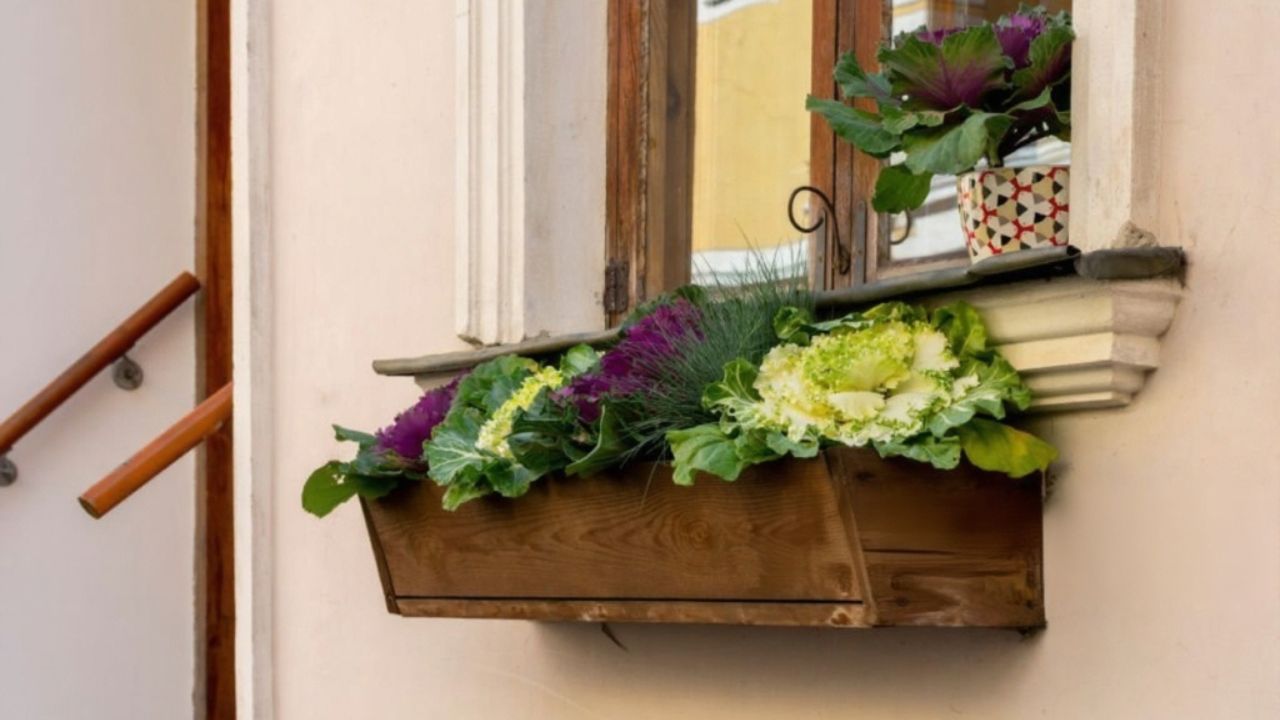
If your winters are mild enough or you catch the shoulder season, a few tough plants can give you real color beyond just green and brown.
Think about:
- Pansies and violas, which can handle a surprising amount of cold
- Ornamental cabbage and kale for that frilly, deep green and purple look
- Heuchera (coral bells) with maroon or chartreuse leaves that often hang on deep into the cold
Tuck these near the front where they’re easy to see from inside and outside. They don’t have to fill the whole box—just a few spots of color make the whole thing feel alive.
Don’t forget non-plant decor that actually holds up
When temperatures get too low for anything living to thrive, you can still keep boxes from looking empty by treating them more like seasonal displays.
Simple ideas that work well in cold:
- Pinecones nestled among evergreen branches
- Weather-safe lanterns (with LED candles) tucked into one corner
- A simple bow or ribbon at one end of the box (skip anything that will fade or shred fast)
- Faux berry stems or simple outdoor-safe ornaments for a subtle holiday feel
Choose a limited color palette—maybe green, natural brown, and one accent color—so it doesn’t start looking like a random craft bin. Even just greens and pinecones can look finished instead of bare.
Think about how it looks from inside the house, too
Window boxes are one of the few outdoor things you see up close from indoors. When you’re arranging plants and branches, step back inside and look through the window.
Ask yourself:
- Can I see some height and some trailing pieces?
- Is there a pop of color or interest at eye level from the inside?
- Does anything block too much light or look crowded against the glass?
You might move taller branches slightly to the sides so they frame the view instead of cutting straight across it. The “inside” view matters just as much, especially in months when you’re not out in the yard much.
Keep the setup simple so it’s easy to refresh
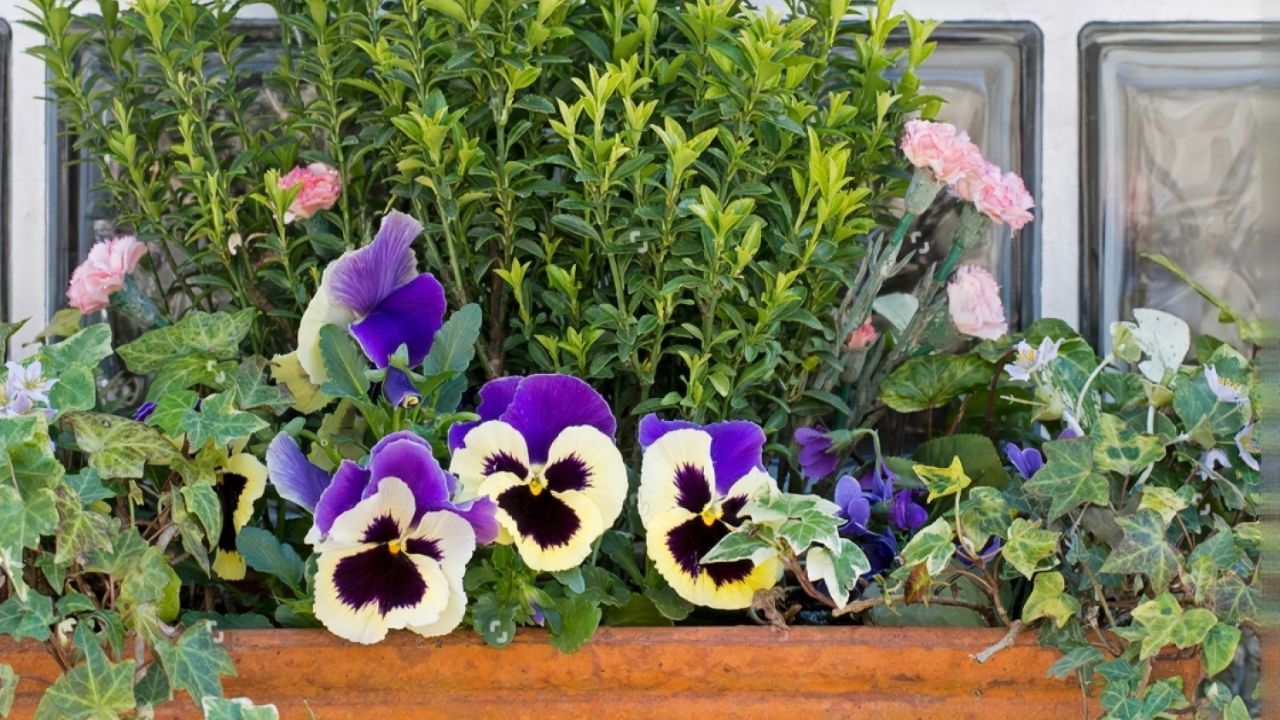
The more complicated the arrangement, the less likely you’ll refresh it when something fades or gets battered by wind. Stick to a simple pattern you can redo quickly:
- Evergreen anchors in the back
- Branches and clippings filling the middle
- Color or decor pieces toward the front and sides
When something starts looking tired, you can pull just that piece and stick something new in its place without tearing apart the whole box.
Use inserts or pots if you like to change things often
If you enjoy switching your window boxes with the seasons, consider using smaller pots or inserts inside the box instead of planting everything directly.
You can:
- Sink nursery pots or small containers into the box and cover the gaps with mulch or moss
- Swap those pots out as seasons change—winter greens, then spring flowers, then summer annuals
That way, your winter arrangement can be built in a few pots you lift out and store when you’re done, instead of digging through cold, packed soil.
Cold weather doesn’t have to mean bare window boxes staring back at you. A few evergreens, some clipped branches, a little color, and maybe a lantern or two are enough to keep them looking intentional long after the flowers have called it quits.
Like Fix It Homestead’s content? Be sure to follow us.
- I made Joanna Gaines’s Friendsgiving casserole and here is what I would keep
- Pump Shotguns That Jam the Moment You Actually Need Them
- The First 5 Things Guests Notice About Your Living Room at Christmas
- What Caliber Works Best for Groundhogs, Armadillos, and Other Digging Pests?
- Rifles worth keeping by the back door on any rural property
*This article was developed with AI-powered tools and has been carefully reviewed by our editors.