The window covering mistake that makes curb appeal feel off
Your exterior can be freshly painted, the landscaping perfectly edged, and the front door styled like a catalog, yet something still feels off when you pull up to the curb. In many cases, the quiet culprit is not the siding or the shrubs, but the view through the glass. Window coverings that clash, sag, or simply ignore the architecture can undercut everything else you have done for curb appeal.
When you treat each room’s windows in isolation, the front of your home starts to look chaotic instead of composed. By approaching blinds, shades, and drapery as part of the exterior design, you can correct that imbalance and turn your windows into one of the strongest visual assets your home has from the street.
The real mistake: treating every window as a separate project
The most common misstep is not a specific product choice, but a mindset. You might pick a patterned Roman shade for the living room, vertical blinds for the office, and blackout panels for a bedroom, all perfectly reasonable inside those spaces. From the sidewalk, however, that mix reads as visual noise. Professionals warn that your street facing side needs to feel like a single composition, not a collage of unrelated decisions, which is why a consistent look from the outside is treated as a core PRO TIP for curb appeal.
Designers often describe the worst version of this as the “mismatched blinds” house, where every pane shows a different color, opacity, or slat size. One expert compares this effect to a row of candy, with a jumble of hues and styles that distracts buyers and neighbors alike, a problem sometimes nicknamed the Mismatched Skittles look. When you step back and think of the facade as a single canvas, the priority shifts from indulging every interior whim to curating a coherent rhythm of lines and tones that makes sense from the street.
Why curb appeal lives and dies at the windows
Real estate professionals repeatedly point out that buyers form an impression of your home before they ever touch the front door handle, and the condition of your window coverings is part of that snap judgment. Stagers note that even if visitors do not comment on blinds or drapes directly, they notice bent, broken, or mismatched treatments, especially in prominent rooms, and those details quietly signal whether a property has been cared for, which is why buyers react strongly to neglected windows.
Staging specialists also stress that window treatments shape the emotional feel of a room, which in turn shapes how someone imagines living there. By drawing panels higher and wider, for example, you can trick the eye into seeing more vertical space and a grander view, a tactic highlighted in guidance on Staging for Maximum. When that interior strategy is coordinated across the front of the house, the exterior benefits too, because every window reads as tall, bright, and intentional instead of squat or cluttered.
Consistency from the street: how much matching is enough
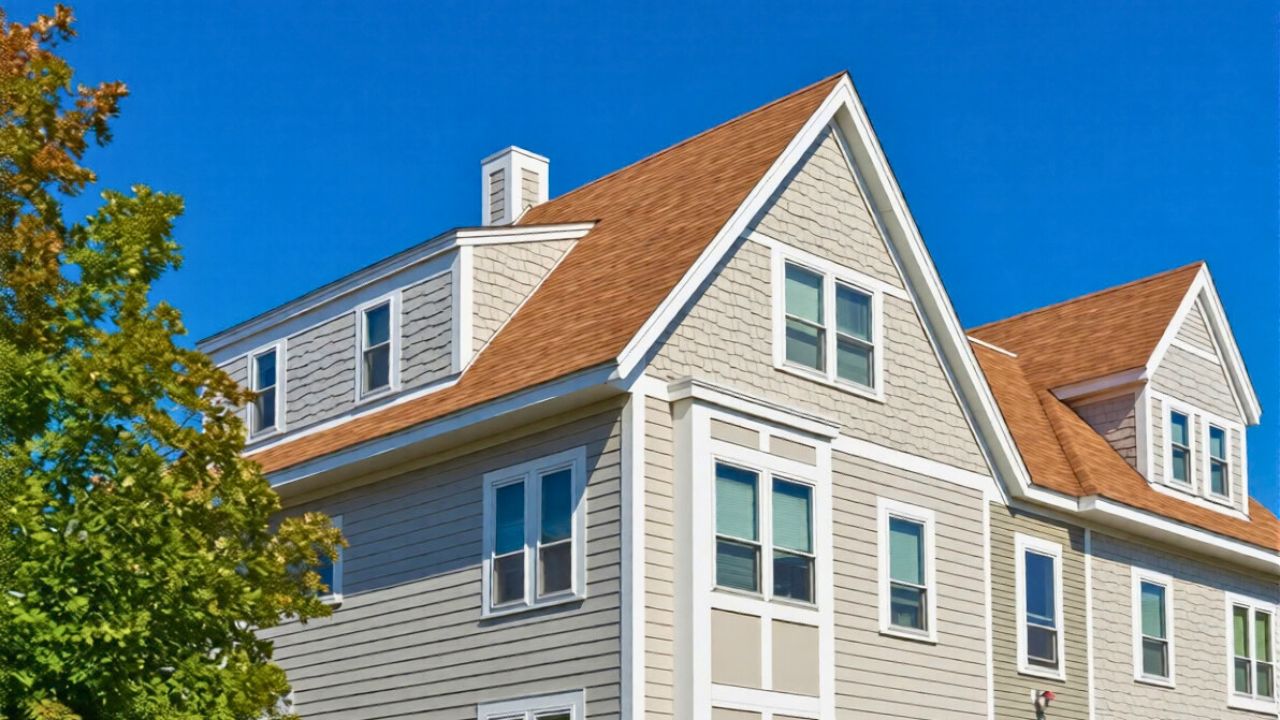
Consistency does not mean every room must have identical blinds, but it does mean the exterior view should feel unified. Specialists in curb appeal recommend that all street facing windows share a similar color and level of light filtration, so the facade looks calm and ordered rather than patchwork. One guide notes that you have probably seen beautiful homes where mismatched window treatments ruin the exterior, and suggests keeping the front side as consistent as possible so the texture appears consistent from the curb.
That principle is echoed in advice on creating a fluid look from any angle outside your home, which emphasizes repeating similar tones, materials, and opacity even if the exact product changes from room to room. The goal is a cohesive exterior story, not rigid uniformity, so you might pair linen drapery with roller shades as long as the outward facing side shares a common neutral palette and similar light levels, an approach that aligns with recommendations for a consistent, fluid appearance.
Color, lining, and the view from the sidewalk
From inside, you might fall in love with a bold pattern or deep color, but from outside, the most important decision is what the back of that fabric looks like. Professionals often recommend choosing a neutral lining so that, regardless of the interior design, the street view remains calm and coordinated. Guidance on what your neighbors and passersby should see stresses that your window treatments need to create a cared for appearance on the front as well as the back of the house, which is why the Your window treatments choice matters as much outside as in.
Color also interacts with architecture and climate. In bright regions, a white or soft beige lining can bounce light and keep interiors cooler, while still presenting a uniform face to the street. Trend reports for 2026 highlight how window treatments are increasingly tied to broader home design palettes, with neutral exteriors paired with warm, textured neutrals at the windows, a shift reflected in coverage of Window Treatment Trends current Home Design. When you choose linings and colors with the facade in mind, you avoid the jarring effect of a single dark or brightly colored shade breaking the rhythm of the elevation.
Fit and proportion: when “almost right” looks wrong
Even the best fabric and color will fall flat if the size is off. Curtains that are too short, blinds that stop well above the sill, or shades that leave gaps at the edges all read as sloppy from the street. Experts flag incorrect measurements as one of the most common errors, warning that it is easy to measure your windows improperly and end up with coverings that do not fully close or hang awkwardly, which is why they urge you to double check dimensions to avoid Measuring Your Windows.
Designers also caution against hanging drapes right above the frame, because that compresses the window visually and reduces light. Instead, they suggest mounting hardware higher and extending rods wider than the casing so panels can stack off the glass, a technique that makes windows look larger and more luxurious. Advice that explicitly warns, “DON’T: Hang Them Right Above the Window,” explains that Drapes that sit too low stunt the opening and undermine both interior and exterior impact. When you correct those proportions, the facade suddenly feels taller and more balanced.
Style versus function: why the right operation still matters from outside
It is tempting to choose window coverings purely for looks, especially when you are focused on curb appeal, but ignoring function can backfire. If a shade is beautiful but impossible to raise smoothly, you will end up leaving it half open or crooked, which is immediately visible from the street. Specialists list “Choosing Style Over Function” as one of the biggest pitfalls, noting that everyone loves a beautiful treatment but prioritizing appearance alone often leads to disappointment down the road.
Function also affects how consistently you use your coverings. If blinds are hard to tilt or cords are fussy, different family members will leave them in different positions, so the facade never looks the same twice. Guidance on coordinating blinds across a home advises you to think first about the function of each window before choosing any type of covering, and to weigh curb appeal and resale value when deciding how much to match, a balance highlighted in advice that starts with Here and continues with “Before” you commit to a style. When operation is smooth and intuitive, you are more likely to keep blinds aligned and shades fully open or closed, which keeps the exterior view tidy.
Trends that help, not hurt, your facade
Trends can either sharpen your curb appeal or date it quickly, depending on how you use them. Current reports point to a rise in smart shades, layered textures, and softer, organic looks, but the key is to filter those ideas through the lens of your architecture. A guide to 2026 window treatment trends notes that the most important shifts involve how coverings integrate with broader design choices and technology, encouraging you to choose options that complement your rooms and exterior rather than chase every new Jan trend.
One of the clearest movements is toward natural materials. Analysts describe how sustainability has moved from buzzword to baseline expectation, with linen, bamboo, and other organic fibers taking center stage because they offer both beauty and functionality. Coverage under the banner “Natural Materials Take Center Stage” explains that Natural textures soften interiors while still looking refined from outside. Regional trend roundups echo this, noting that natural materials like woven wood pair especially well with bright, coastal architecture, a point underscored in a Florida focused guide that highlights how Natural materials like suit the light filled homes that region is known for.
Common mistakes that quietly sabotage your exterior
Beyond mismatched styles and poor measurements, several recurring errors show up in homes where the exterior feels subtly off. One is relying on outdated, yellowed, or faded blinds that signal neglect even if the rest of the facade is fresh. Analysts who look at how window treatments affect value point out that old, faded, or mismatched coverings fall into the category of “Outdated Styles” that will not add value and can even lower the perceived worth of the property, a warning captured in guidance on What Window Treatmentst Add Value and why Old choices matter.
Another frequent issue is simply using the wrong size or type of treatment for the window. Lists of common window treatment mistakes highlight “Using the Incorrect Curtain Size” as a prime example, noting that panels that are too narrow or too short look skimpy and do not frame the glass properly, a problem illustrated with Window Treatment Mistakes such as Using the Incorrect Curtain Size and even crediting Paul Craig Photography for showing how Using the wrong dimensions undermines a room. When you correct these basics, the facade instantly feels more intentional, even before you upgrade materials.
How to fix a facade that already feels off
If you suspect your window coverings are dragging down your curb appeal, start with a simple audit from the sidewalk. Look at each visible window and note color, opacity, height, and condition, then circle anything that looks out of step. Replace broken or bent blinds first, since those are the most obvious red flags, and aim to standardize the outward facing color across all front windows. Staging experts who focus on the emotional side of home sales emphasize that even small upgrades in this area can shift how people feel about a property, which is why they treat window coverings as a key lever in Beyond the technical appraisal and into the emotional sale.
As you replace or add treatments, keep both current trends and long term value in mind. Focus on neutral linings, consistent heights, and materials that feel current but not faddish, such as simple roller shades in a soft white or textured woven woods in a light natural tone. Broader design forecasts for 2026 stress that window treatments are now expected to coordinate across living rooms, bedrooms, and even home offices, reinforcing the idea that they are part of a whole home story rather than isolated choices, a perspective captured in coverage of Top Window Treatment to Watch. When you apply that same whole home thinking to the exterior, the “off” feeling at the curb gives way to a facade that finally matches the care you have invested inside.
Like Fix It Homestead’s content? Be sure to follow us.
Here’s more from us:
- I made Joanna Gaines’s Friendsgiving casserole and here is what I would keep
- Pump Shotguns That Jam the Moment You Actually Need Them
- The First 5 Things Guests Notice About Your Living Room at Christmas
- What Caliber Works Best for Groundhogs, Armadillos, and Other Digging Pests?
- Rifles worth keeping by the back door on any rural property
*This article was developed with AI-powered tools and has been carefully reviewed by our editors.