The window upgrade that looks great but can be installed wrong
Black-framed windows have become the go-to upgrade for homeowners chasing a crisp, modern look, and when they are done well, they can completely change how your home feels inside and out. The catch is that this stylish choice is unforgiving if the installation is sloppy or the product is mismatched to your climate and architecture. If you are thinking about this upgrade, you need to understand not just how it will look on day one, but how the details you cannot see will determine whether it still performs a decade from now.
What follows is a practical guide to the design promise of black windows and the very real ways that promise can be undermined by poor installation, wrong materials, or rushed workmanship. By the end, you will know how to spot red flags, what questions to ask, and how to make sure the windows that look so good in inspiration photos are actually an asset, not an expensive headache.
Why black-framed windows are so tempting
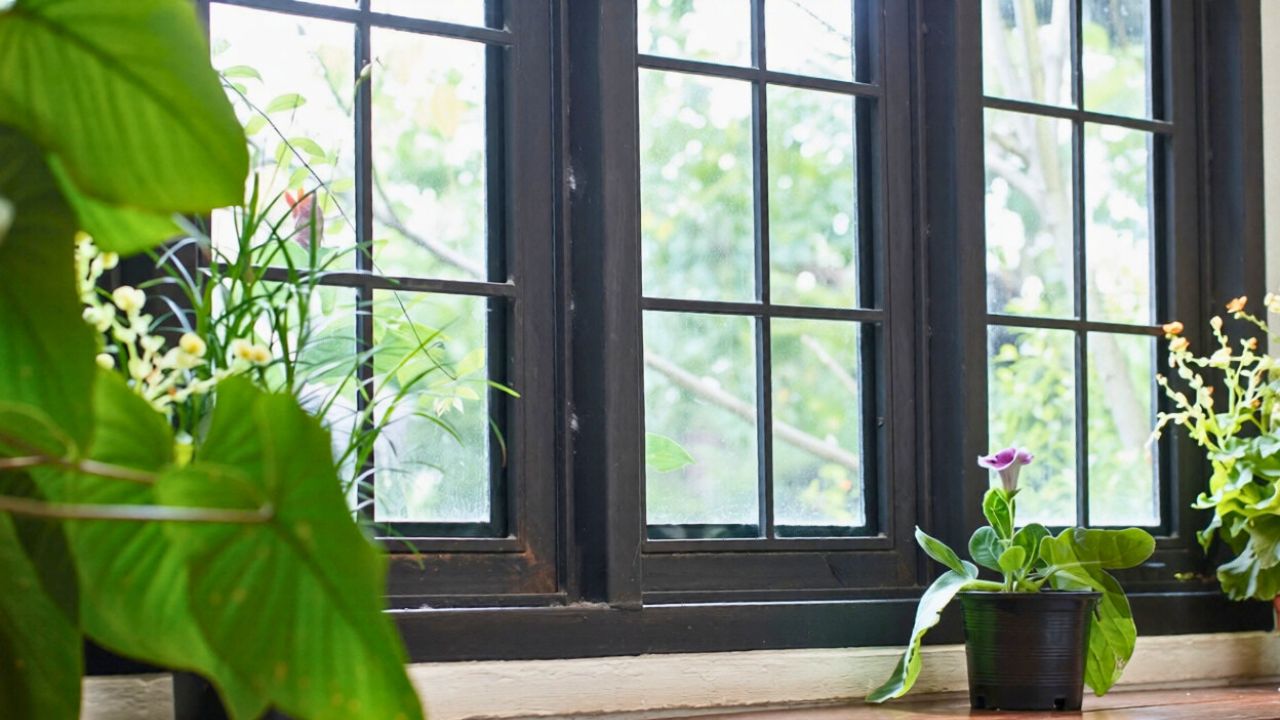
You are not imagining it: black frames are everywhere, from new suburban builds to renovated city lofts. Their sharp lines and contrast against light walls give you that gallery-like backdrop that makes everything from a simple fiddle-leaf fig to a mid-century sofa look intentional. Over the past several years, black windows have become a dominant design trend in both modern and traditional homes because their sleek and sophisticated profiles read as custom, even when the underlying unit is relatively standard, and that perceived upgrade is a big part of their appeal according to reporting on how black windows moved from niche to mainstream.
Designers also like black frames because they work across styles: they can sharpen a farmhouse elevation, echo steel factory windows in a loft, or quietly frame a view in a minimalist townhouse. One video pitch from American Vision Windows leans into that versatility, promising that Black framed windows add a sleek and elegant touch to any home and that with a highly experienced installation team, the upgrade does more than refresh your windows, it elevates the look of your home with beauty and craftsmanship you will appreciate every day. That last phrase is the key: the look is easy to sell, but the craftsmanship is what determines whether the upgrade actually holds up.
The hidden risk: great window, bad installation
When you shop for windows, it is natural to obsess over brands, glass packages, and color options, but the less glamorous reality is that installation quality matters just as much as the product you choose. Industry experts warn that Window replacements can fail because installation quality matters just as much as window quality, and without proper training or oversight, serious mistakes are more common than homeowners realize. That is especially true with dark frames, which expand and contract more with heat and therefore punish sloppy tolerances and shortcuts.
Once a unit is foamed, trimmed, and painted, you cannot see whether the flashing was lapped correctly, the sill was properly sloped, or the fasteners hit solid framing instead of crumbling masonry. Those are the details that keep water out of your walls and keep the sash operating smoothly year after year. When they are wrong, you may not notice for a season or two, but by the time you see stains, drafts, or cracked plaster, the damage behind the scenes can be extensive, which is why specialists stress that Without proper training, even a premium window can become a very expensive liability.
Why black frames are less forgiving than white
Color is not just a style choice, it is a performance variable. Dark frames absorb more solar heat than white ones, which means black vinyl or composite members can run significantly hotter on a sunny elevation. That extra heat drives more expansion and contraction, so if the unit is not installed plumb, level, and with the right clearances, you can see binding sashes, cracked caulk lines, or warped members much sooner than you would with a lighter color. Some homeowners in online design groups have learned this the hard way, with one discussion noting that Several vinyl window manufacturers make black exterior units, but that the dark color fades horribly on average and that some older units were manufactured bronze in Raleigh, NC and did not age gracefully.
Manufacturers have responded with better coatings and capstock technologies, but the physics do not change: a black frame on a south or west exposure will always run hotter than a white one. That is why some contractors, including At Ameritech Construction, caution that while windows are an important part of a home’s aesthetic, homeowners should think carefully about how dark frames will behave over time, especially in harsh sun, because At Ameritech Construction they have seen cases where the life of the home is greatly reduced when the wrong window choices trap heat and stress the envelope.
The installation mistakes that quietly ruin black windows
Even if you pick the right product, a handful of very specific mistakes can sabotage the upgrade. One of the most common is using the wrong spray foam around the frame. Installers and do-it-yourselfers sometimes grab a can of high-expansion foam because it is on sale or already in the truck, but that material keeps growing as it cures and can bow jambs or distort the frame. Professional guidance is blunt that Misapplied Spray Foam wrong type of foam, like expanding foam, can lead to problems with window frames and the bowing of wood jambs, significantly increasing maintenance and leaving you with a poorer aesthetic.
Specialists in DIY guidance echo that warning, noting that Using the incorrect foam is a classic error and that spray foams come in expanding and non-expanding varieties, with only non-expanding foam suitable around window frames. The same professional remodeling guidance reinforces that Misapplied Spray Foam is one of the seven most common window installation mistakes, and that applying the wrong type of foam can lock in distortions that are almost impossible to correct once the trim is on.
Water, flashing, and the damage you will not see at first
Black frames draw your eye to the glass, but the real battle is happening in the rough opening where water either gets managed or quietly seeps into your walls. One critical detail is the head flashing, the metal or flexible piece that sits above the window to kick water away from the top edge. Technical guidance stresses that Head flashing is used to divert water away from the head jamb or head trim on a window and that this is an extremely important component because without it, water can be directed into and behind the stucco or siding. Once that happens, you are not just talking about a drafty unit, you are talking about potential rot, mold, and structural repairs.
The same technical overview on failed installations underscores that Head flashing is part of a system that includes sill pans, sealant joints, and integration with the weather-resistive barrier. If any of those are skipped or reversed, water can be funneled into the wall instead of out of it. With black windows, the visual drama can distract you from subtle early warning signs like a faint stain at the corner of a casing or a slightly soft sill, so it is worth asking your installer to walk you through exactly how they are handling flashing on each elevation before the cladding goes back on.
How to spot a bad install on day one
The good news is that you can catch many problems before they turn into long-term damage if you know what to look for during and right after installation. One of the clearest red flags is a crooked unit. Specialists in replacement work point out that Crooked windows are not just an aesthetic issue, they indicate that the installer did not properly level and square the frame during installation, and that misalignment can hint at other shortcuts in the work you cannot see.
Another tell is when the unit simply does not sit level in the opening. Consumer-focused guidance warns that Windows Out of it seems a bit crooked inside your home when you are looking at your newly installed window, then it might be a sign that something appears out of line. With black frames, those misalignments are even more obvious because the dark color creates a strong visual reference against your drywall and trim, so trust your eye and insist on adjustments before you sign off.
Cost, maintenance, and the reality behind the trend
Beyond installation quality, you should go into a black-window project with clear eyes about cost and upkeep. Contractors who work with these products every day note that if you are considering black windows, you should also budget for higher installation costs, particularly if you choose high-quality units or complex configurations, because the labor and detailing required to get a crisp finish are greater than with basic white vinyl. One advisory explains that Decisions about frame material, glass, and color will impact the final result and that you should plan your budget accordingly.
Maintenance is another tradeoff. Dark frames show every speck of dust and every dried raindrop, and that is not just anecdotal. A technical overview of bold contemporary designs notes under the heading Maintenance and Appearance frames show dust, water spots, and fingerprints more readily than white alternatives, even though some materials like fiberglass require less refinishing than painted wood products. That does not mean you should avoid the look, but it does mean you should be realistic about cleaning and about how close your windows sit to sprinklers, busy roads, or cooking areas that can leave residue.
Matching black windows to the right house and era
Not every home is a natural fit for black frames, and forcing the look can backfire. If you live in a period property, the main things to consider are the overall appearance, the inextricably linked architectural style, and the type of windows to install so that you do not erase the character that makes the building special. Conservation-focused guidance stresses that The main things to consider are the appearance, the style, and the material, noting that timber windows can be beautiful but are prone to rotting if not maintained properly.
On more contemporary homes, black frames can be a natural extension of existing lines, but you still need to think about how they interact with roof color, siding, and even landscape. Trend reporting on whether black windows are a passing fad notes that Their popularity has grown because they can anchor both modern and traditional facades, but that does not exempt you from doing the basic design homework of looking at similar houses on your street and in your climate to see how the look actually ages in real life rather than just in curated photos.
How to protect yourself: training, standards, and questions to ask
Because so much of a window installation is buried in the wall, your best defense is to be choosy about who does the work and how they document it. One practical step is to look for installers who follow recognized industry standards and can explain them in plain language. Consumer guidance notes that making sure you hire a window installer with an AAMA certification will give you peace of mind that the job will be done according to the prescribed industry standards, and that Making that choice can be the difference between a smooth project and a costly redo.
You should also drill into the details that most marketing glosses over. Ask what type of foam they will use and confirm that it is a low-expansion product, since professional advice is clear that Using the wrong foam can deform frames and that only non-expanding foam should be used during installation. Ask how they will handle head flashing and integration with your existing weather barrier, referencing the importance of Head flashing to keep water from being driven into and behind the stucco or siding. Finally, confirm that they understand the specific demands of black frames, including heat buildup and maintenance, drawing on the kind of practical cautions raised by At Ameritech Construction and by design-focused discussions where Maintenance and Appearance are treated as seriously as style.
Like Fix It Homestead’s content? Be sure to follow us.
Here’s more from us:
- I made Joanna Gaines’s Friendsgiving casserole and here is what I would keep
- Pump Shotguns That Jam the Moment You Actually Need Them
- The First 5 Things Guests Notice About Your Living Room at Christmas
- What Caliber Works Best for Groundhogs, Armadillos, and Other Digging Pests?
- Rifles worth keeping by the back door on any rural property
*This article was developed with AI-powered tools and has been carefully reviewed by our editors.