The winter “backup cooking” move that seems smart until you read the recall details
When winter storms threaten your power, it feels prudent to stash a compact camp stove as a backup so you can still boil water or heat a simple meal. That instinct to prepare is sound, but the recall details on one popular line of butane burners show how quickly a clever workaround can turn into a serious hazard. Before you rely on a portable stove as your cold‑weather Plan B, you need to understand exactly what went wrong and how to choose safer options.
The recent pullback of hundreds of thousands of small gas stoves sold through a major retailer is a warning shot for anyone treating camping gear as an indoor emergency appliance. You are not just buying a gadget, you are bringing pressurized fuel and open flame into a home that may already be under stress from freezing temperatures and limited ventilation. The fine print on the recall, and the injury reports behind it, should change how you think about “backup cooking” altogether.
How winter pushes you toward risky backup cooking plans
When the forecast calls for ice, you probably run through the same mental checklist: flashlights, batteries, blankets, maybe a portable power bank. Food is next, and that is where the temptation to improvise starts. If you live in an all‑electric home or an apartment without a fireplace, the idea of a small butane stove can feel like an elegant solution, a way to keep soup simmering and coffee flowing even if the grid goes dark for days. Retailers lean into that mindset, stacking portable burners near cold‑weather gear and emergency supplies so you see them as part of a winter resilience kit.
The problem is that your home is not a campsite, and the conditions that make winter outages so stressful also magnify the risks of any open‑flame device. You are more likely to seal windows to keep heat in, which cuts ventilation, and you may be cooking on improvised surfaces like folding tables or countertops cluttered with other gear. In that environment, a design flaw that might be survivable outdoors can become catastrophic indoors, especially when you are tired, cold and juggling kids, pets or elderly relatives who are also trying to cope with the outage.
The Ozark Trail recall that should reset your expectations
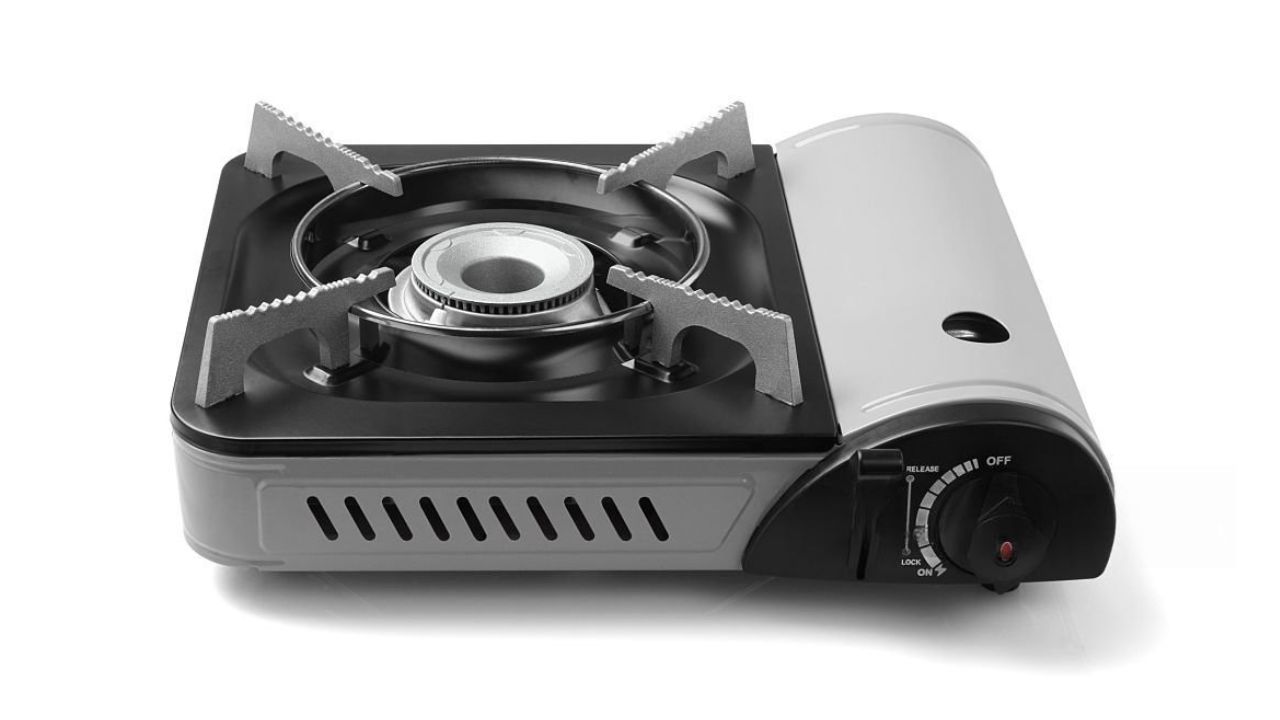
Your assumptions about how safe a store‑bought camp stove must be should shift when you look at the scale of the recent recall involving Ozark Trail butane burners sold through Walmart. According to recall information, more than 201,000 camping stoves tied to that brand were pulled back from the market after reports that they could ignite or explode during normal use. The affected units were sold over multiple seasons, which means they are already sitting in garages, basements and kitchen cabinets across the country, waiting to be pulled out when the next storm hits.
For you as a consumer, that number is not just a statistic, it is a reminder that even mainstream, big‑box products can harbor serious defects that only become obvious after thousands of people have used them. If you bought an Ozark Trail stove as part of a winter emergency kit, you may have assumed that a recognizable brand and a national retailer guaranteed a baseline of safety. The recall shows that you cannot outsource that judgment entirely, especially when you plan to use the device in a confined indoor space during a high‑stress event like a prolonged blackout.
What the recall reveals about hidden design hazards
The recall documentation does more than list serial numbers, it points to a specific pattern of failure that matters for how you evaluate any backup cooking device. The notice describes how the Ozark Trail butane stoves posed both explosion and fire hazards, with the risk emerging during ordinary operation rather than exotic misuse. In other words, people were not modifying the burners or using strange fuels, they were following the basic instructions and still encountering dangerous flare‑ups and structural failures that could send flames or shrapnel outward.
That distinction matters because it undercuts the comforting belief that “common sense” alone will keep you safe. If a stove can rupture or ignite when used as directed, then the real problem sits in the engineering and quality control, not just in user behavior. When you are shopping for a winter backup option, you need to look beyond marketing language about ruggedness or portability and pay attention to how the fuel canister locks in, how heat is vented away from seals and valves, and whether the design has enough margin for error if a pot tips or a wind gust changes the flame pattern.
The injury toll: when a backup plan becomes the emergency
The most sobering part of the Ozark Trail story is not the number of units recalled, it is the number of people hurt before the problem was fully recognized. Recall information ties the decision to pull the stoves back to at least 26 incident reports, some of which involved second‑degree burns. Those are not minor singes that you shrug off with aloe and a bandage, they are painful injuries that can require medical care, time off work and long‑term scar management, especially if they affect hands or faces.
When you picture those incidents happening during a winter outage, the stakes become even clearer. A burn that might be manageable in normal conditions can turn into a crisis if roads are icy, cell service is spotty and local clinics are overwhelmed. Your backup cooking plan is supposed to reduce the number of things you have to worry about when the power fails, not add a new category of risk that could send someone in your household to the emergency room. The fact that a compact stove marketed for convenience ended up causing documented injuries should push you to scrutinize any similar device before you trust it in an emergency.
Why “it is just for emergencies” is a dangerous mindset
One of the most common rationalizations you may hear, or tell yourself, is that a camp stove is safe enough because you will only use it occasionally, and only when you have no other choice. That logic treats risk as a function of frequency, as if rare use automatically equals low danger. The Ozark Trail recall undercuts that assumption, because the stoves at issue were exactly the kind of gear many people buy, stash away and only pull out for a hunting trip or a storm, yet they still generated enough incidents to trigger a large‑scale safety response.
Emergency‑only gear can actually be more dangerous precisely because you are unfamiliar with it and may be using it under pressure. In a cold, dark house, you are more likely to rush through setup, skip a careful read of the instructions or improvise with whatever surface is available. If the device itself has a narrow safety margin, those small lapses can be the difference between a hot meal and a serious accident. Treating a stove as “just for emergencies” should not lower your standards, it should raise them, because you are counting on that tool when you are least able to absorb a failure.
How retailers and brands frame portable stoves as safe
Retail displays and product descriptions play a powerful role in how you perceive risk, especially when you are browsing for winter gear. When you see compact burners stacked next to sleeping bags, lanterns and freeze‑dried meals, the message is that these stoves are part of a coherent, safe system for outdoor and emergency living. The Ozark Trail line, sold through Walmart, benefited from that halo effect, with packaging and placement that signaled reliability and mainstream acceptance even as design issues were quietly accumulating in the field.
That framing can lull you into skipping the due diligence you might apply to more obviously technical products. You may not think to search for model‑specific complaints, check for prior safety notices or compare how different brands handle fuel canister connections and overpressure protection. The recall of more than 200,000 Ozark Trail units sold between March 2023 and October 2025 shows how long a flawed product can sit on shelves, and in your cart, before the marketing narrative finally collides with the engineering reality.
What to do if your “backup” stove is part of the recall
If you bought a compact butane stove from Walmart in the last few years, you should not wait for the next snowstorm to figure out whether it is affected. Start by locating the stove, checking the brand name and model markings, and comparing them against the recall details for the Ozark Trail units. If your burner matches the listed products, treat it as unsafe even if you have used it before without incident, because the reported failures occurred during ordinary operation and past luck is not a guarantee of future performance.
Once you confirm that your stove is part of the recall, follow the instructions for returning or disposing of it, and do not try to squeeze one last use out of it during an outage. In the meantime, adjust your emergency plan so you are not counting on a device that has been formally linked to explosion and fire hazards. That may mean leaning more on no‑cook foods, battery‑powered kettles that can run off a portable power station, or, if your home allows it, a properly installed gas range or fireplace that is rated for indoor use and maintained according to code.
Safer ways to keep cooking when the power goes out
Preparing for winter outages does not mean you have to give up on hot food, but it does require a more conservative approach than simply bringing camp gear indoors. If you have a gas stove that uses electronic ignition, learn how to light the burners manually with a match or lighter when the power is out, and confirm that your local regulations and manufacturer guidance allow that practice. For longer outages, consider investing in a generator or battery system that can safely power an induction hot plate or electric kettle, which eliminates open flame and pressurized fuel from the equation.
If you still want a portable option, focus on devices explicitly rated for indoor use, with built‑in safety features like automatic shutoff, stable bases and clear ventilation requirements. Read user manuals before you need them, and practice setting up and operating the device in normal conditions so you are not learning under stress. Combine that with a pantry stocked with shelf‑stable foods that can be eaten cold if necessary, so you are not forced into risky improvisation just to get calories when the temperature drops.
How to rethink “backup cooking” before the next storm
The deeper lesson from the Ozark Trail recall is that winter preparedness is not just about having more gear, it is about choosing the right kind of gear and understanding its limits. A compact stove that looks clever on a store shelf can become a liability if its design flaws only reveal themselves when you are already dealing with freezing temperatures and limited options. Instead of treating any portable burner as a default solution, you should start by asking what problems you are actually trying to solve and whether there are lower‑risk ways to meet those needs.
That might mean prioritizing insulation and backup heat so you are less desperate for hot meals, or investing in communication tools that let you coordinate with neighbors or local services if you need help. It also means building a habit of checking recall databases and product safety notices for any device that involves fuel, heat or electricity, especially if you plan to use it indoors. When you approach “backup cooking” with that mindset, you are less likely to be blindsided by the kind of hazards that turned a seemingly smart winter move into a recall case study, and more likely to ride out the next storm with both comfort and safety intact.
Like Fix It Homestead’s content? Be sure to follow us.
Here’s more from us:
- I made Joanna Gaines’s Friendsgiving casserole and here is what I would keep
- Pump Shotguns That Jam the Moment You Actually Need Them
- The First 5 Things Guests Notice About Your Living Room at Christmas
- What Caliber Works Best for Groundhogs, Armadillos, and Other Digging Pests?
- Rifles worth keeping by the back door on any rural property
*This article was developed with AI-powered tools and has been carefully reviewed by our editors.