The winter bird feeder setup that does not invite a mess
Feeding birds through winter is fun until you’re hosing seed shells off the porch and side-eying every squirrel in the county. You can absolutely keep a steady buffet out without turning your yard, deck, or steps into a disaster. The trick is planning your setup like you would any other “station” in the house: good location, right containers, and a simple routine.
Put the feeder where you don’t mind the fallout
Don’t hang your main feeder over the porch, sidewalk, or right by the back door. Birds are messy eaters, and gravity is not on your side. Aim for a spot over grass, mulch, or an easy-to-rake area a little away from the house.
You still want it visible from a window—you’re feeding them partly so you can watch them—but a few extra feet out into the yard makes a big difference in how “lived in” your porch looks by February.
Choose feeder styles that naturally spill less
Open tray feeders are fun but they’re basically a “throw it everywhere” invitation. For less mess, look for:
- Tube feeders with small ports
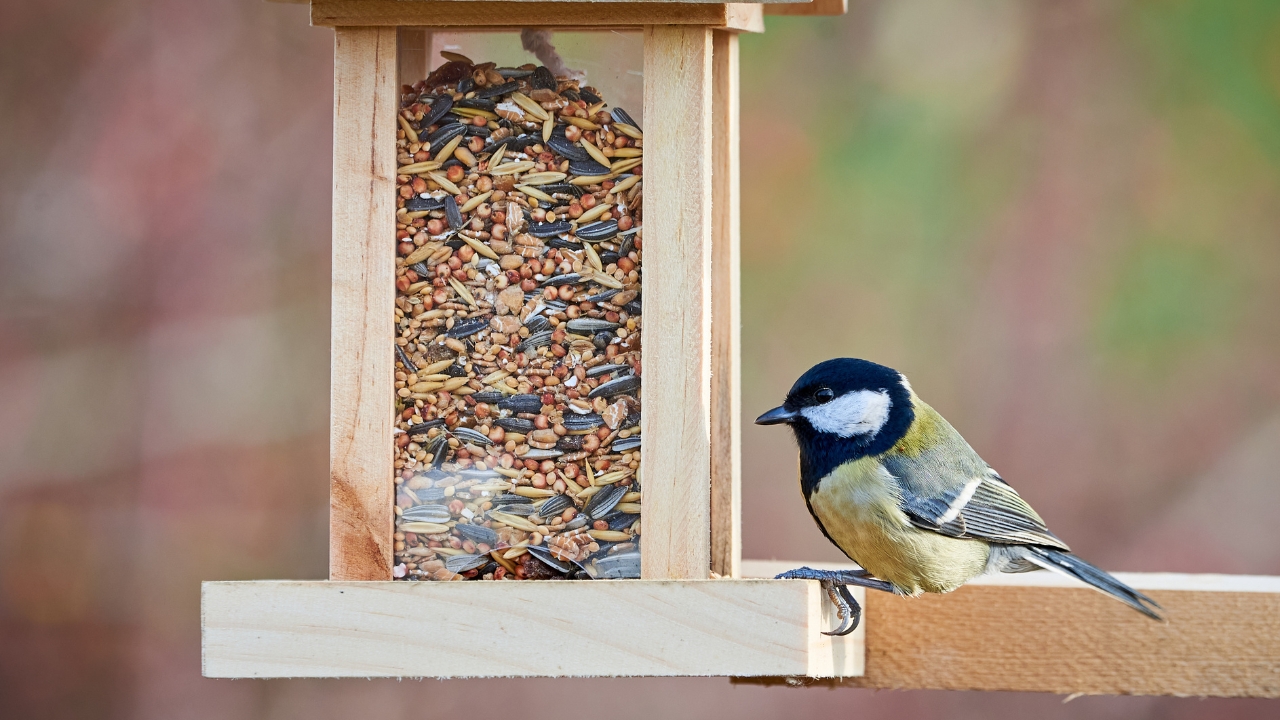
- Hopper feeders with short perches
- Suet cages for woodpeckers and clingers
Those styles slow the birds down and keep most of the seed contained. If you love a platform feeder, pick one with higher sides and a mesh bottom so empty hulls can fall through and you can dump it out easily.
Use cleaner seed mixes
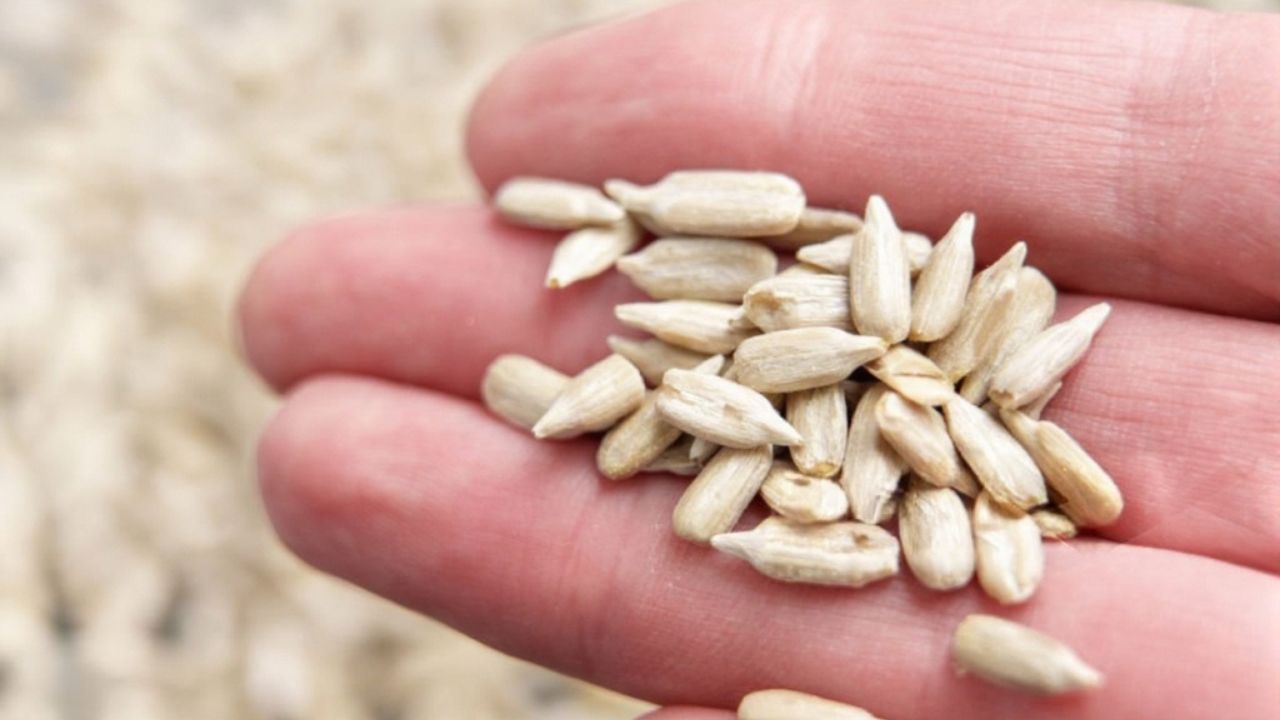
Cheap seed blends are full of filler—millet and mystery grains that many birds fling out to hunt for the good stuff. That’s what makes big piles underneath and attracts rodents.
Look for mixes heavy on black oil sunflower, sunflower hearts, and maybe peanuts or safflower. Hulled sunflower (“hearts”) especially cuts down on shells. You’ll pay a little more per bag, but you’re not buying a bunch of seed nobody eats.
Add a catch tray or ground feeding plan
Even with good feeders, some seed is going to drop. You have two choices: catch it or embrace it.
A seed tray mounted under a hanging feeder will grab most of what falls and keep it off the ground. You can dump it every few days into the trash or compost.
Or, you can deliberately create a “ground buffet” a bit farther away—scatter a small amount of seed daily in the same spot and rake that area occasionally. That keeps birds and critters focused there instead of scratching under your porch steps.
Store seed in critter-proof containers
Mice and squirrels love an open bag of seed in the garage even more than the feeder itself. Use a metal trash can with a tight lid or a sturdy plastic bin, and keep it latched.
Only bring out what you need to fill the feeder that day. The less loose seed you have sitting around, the less you’re inviting surprise guests to move in.
Add a simple cleaning routine
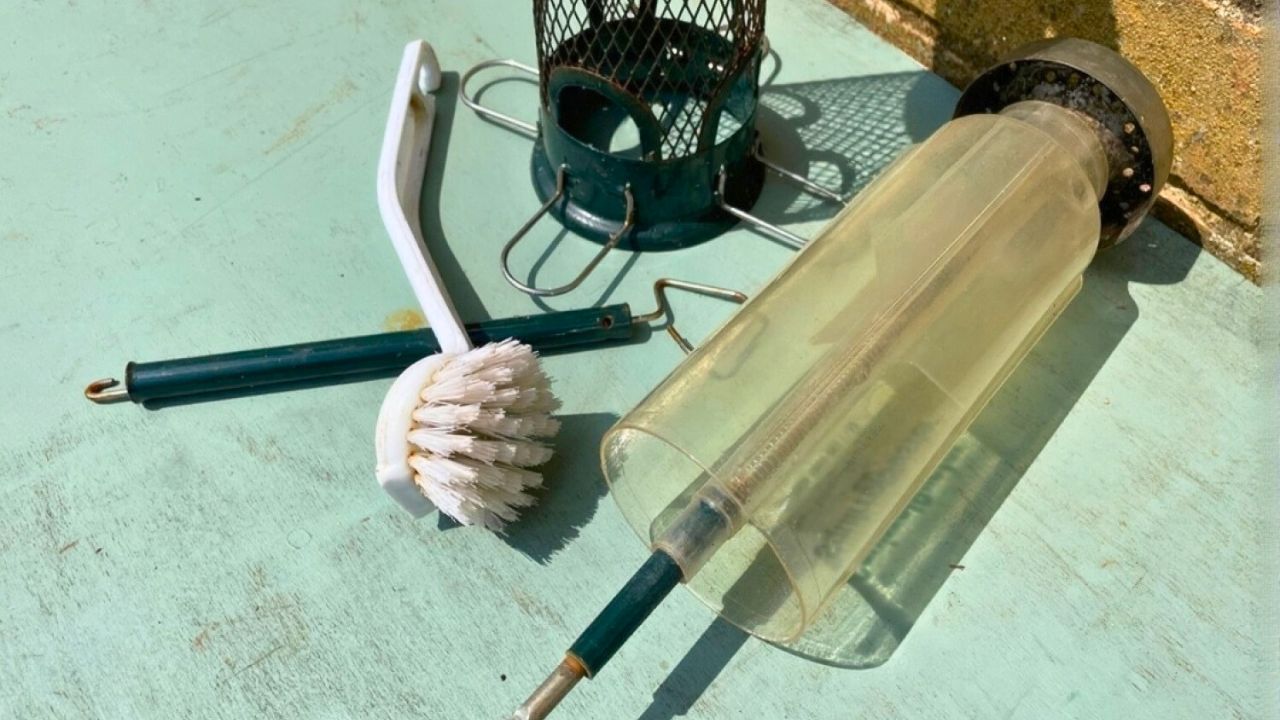
Dirty feeders equal moldy seed and sick birds—not what you want. In winter, aim to:
- Dump out clumped or wet seed
- Wash feeders every couple of weeks with warm soapy water
- Rinse well and let them dry before refilling
It doesn’t have to be perfect, just consistent. A quick scrub in a utility sink or with a bucket outside keeps everything fresher and cuts down on bad smells and slime.
Rotate spots if things get too messy
If a certain patch of ground turns into a bare, trampled, seed-shell zone, give it a break. Move the feeder a few feet and let that spot rest. Rake up excess hulls, toss anything moldy, and let the grass or mulch recover.
You’re not trying to keep things spotless—just under control. With a decent setup and a small routine, you get the fun of winter birds without feeling like you’re living in the middle of a barnyard.
Like Fix It Homestead’s content? Be sure to follow us.
- I made Joanna Gaines’s Friendsgiving casserole and here is what I would keep
- Pump Shotguns That Jam the Moment You Actually Need Them
- The First 5 Things Guests Notice About Your Living Room at Christmas
- What Caliber Works Best for Groundhogs, Armadillos, and Other Digging Pests?
- Rifles worth keeping by the back door on any rural property
*This article was developed with AI-powered tools and has been carefully reviewed by our editors.