The winter safety check to do before the next overnight drop
When the forecast hints at a sharp overnight freeze, your margin for error shrinks fast. A focused winter safety check, done before temperatures plunge, can be the difference between a quiet morning and burst pipes, a dead car battery, or a risky drive on black ice. By walking through your home, vehicle, and emergency supplies with intention, you give yourself a buffer against the kind of cold that turns small oversights into expensive problems.
The goal is not perfection, but readiness. You are looking for the weak links in your heating, plumbing, and transportation, then shoring them up while conditions are still manageable. Think of it as a short, structured audit that trades an hour of preparation for a season of fewer crises.
1. Scan your home’s weak spots before the temperature plunge
Your first pass should be a quick but deliberate walk around your property, inside and out, to spot anything the cold can exploit. Start with the obvious openings: windows, doors, and any place wind whistles through. Drafts do more than make a room uncomfortable, they also force your heating system to work harder and can leave pipes in exterior walls more vulnerable. Guidance for a freeze warning stresses that checking all window and door seals is a basic step to keep warm air in and cold air out.
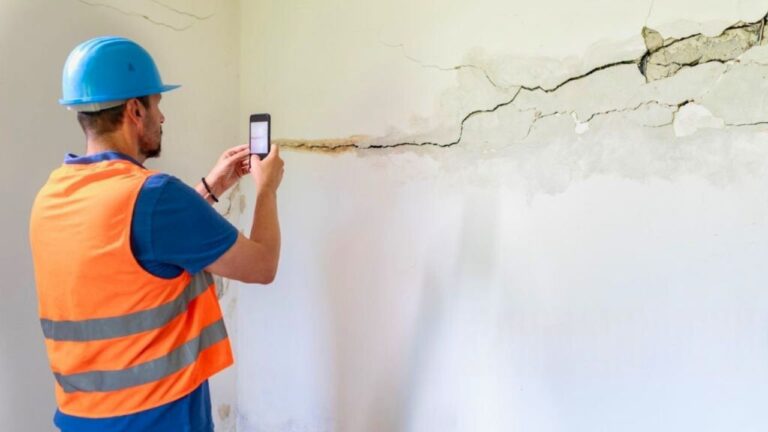
As you move, look up as well as around. Roofs, gutters, and downspouts that are already stressed by leaves or minor damage are more likely to fail under snow load or ice. Winter maintenance advice highlights the need to Inspect Roof and Flashing, repair damaged shingles, and clear debris so meltwater has somewhere to go instead of backing up under your shingles. A quick visual check with a flashlight, or a smartphone photo zoomed in from the ground, can reveal missing shingles, sagging gutters, or ice dams starting to form, all of which are easier to address before the next hard freeze.
2. Weatherproof and insulate the places cold air sneaks in
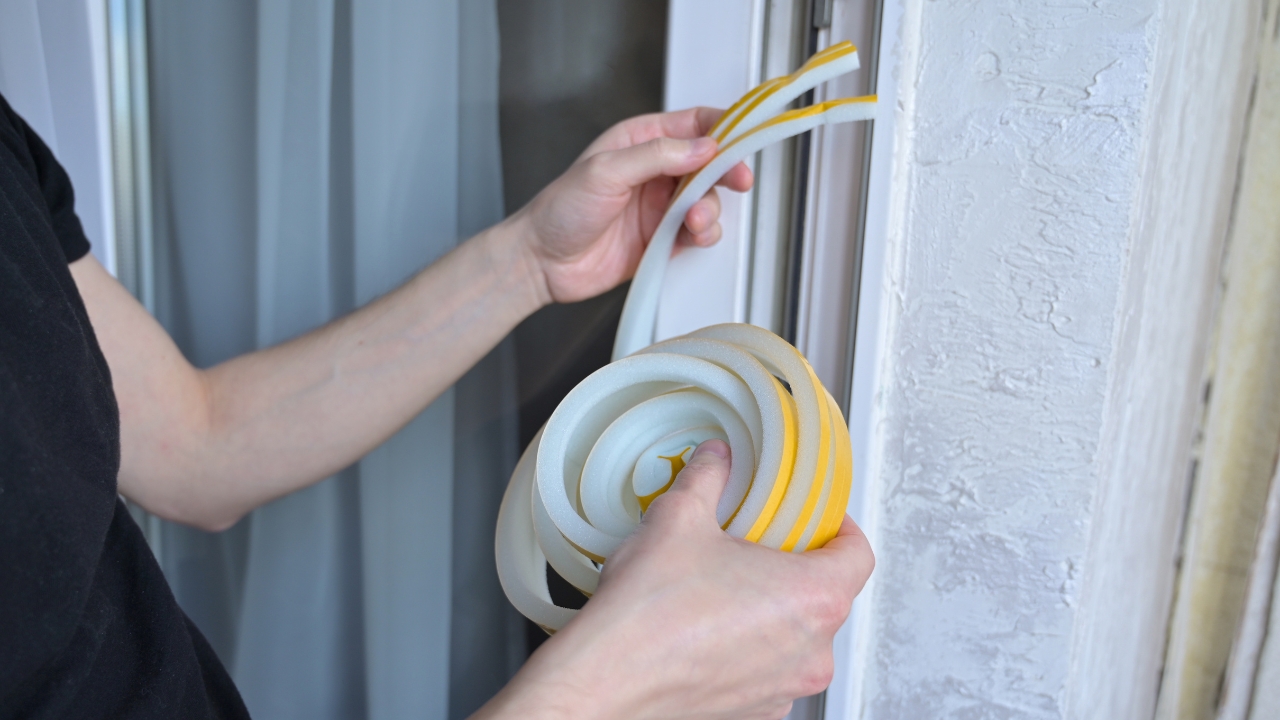
Once you know where the vulnerabilities are, your next move is to tighten the building envelope so your heating system is not fighting a losing battle. Simple fixes like adhesive weatherstripping around door frames, foam gaskets behind outlet covers on exterior walls, and draft stoppers at the base of older doors can make a measurable difference in how quickly rooms lose heat. Local emergency planners emphasize the value of basic Weatherproof steps, especially in homes that were not built with extreme cold in mind.
Insulation is just as critical where water and cold meet. Any plumbing that runs through unheated spaces, such as garages, crawl spaces, or exterior walls, should be wrapped before the temperature drops. Officials warn that you should Protect faucets, outdoor pipes, and pipes in unheated areas with pipe insulation, and in a pinch even towels or newspaper can add a layer of protection. Combining these wraps with a steady indoor thermostat setting, rather than big overnight setbacks, helps keep water moving and reduces the risk of a frozen line turning into a burst pipe by morning.
3. Guard your roof, attic, and exterior from ice and leaks
Cold snaps are often when minor roof issues become major leaks. Before the next overnight drop, take a focused look at how your roof and attic are handling moisture and heat. Financial and home experts recommend you Check Your Roof and Attic, making sure insulation is intact and ventilation is not blocked, so warm air from your living space does not melt snow unevenly and create ice dams. Those dams trap water at the roof edge, where it can seep under shingles and into ceilings even when the rest of the roof looks fine.
Outside, clear gutters and downspouts of leaves and debris so meltwater has a clear path away from your foundation. A winter home checklist notes that you should Get your heating system checked and also pay attention to how snow and ice accumulate around the house. If you see icicles forming in long, heavy rows, that is often a sign of heat escaping through the roof and refreezing at the eaves. Addressing that pattern with better attic insulation or targeted air sealing can protect both your energy bill and your drywall.
4. Protect indoor plumbing and heat so you are not waking up to a flood
Inside the house, your priority is to keep water moving and temperatures stable in the spaces where pipes run. Even if you prefer a cooler bedroom, it is safer during a hard freeze to keep interior doors open so warm air can circulate into closets, under sinks, and along exterior walls. Winterization guidance points out that Frozen and bursting pipes can quickly turn into an expensive plumbing bill, especially when they fail in hidden spaces and leak for hours before anyone notices.
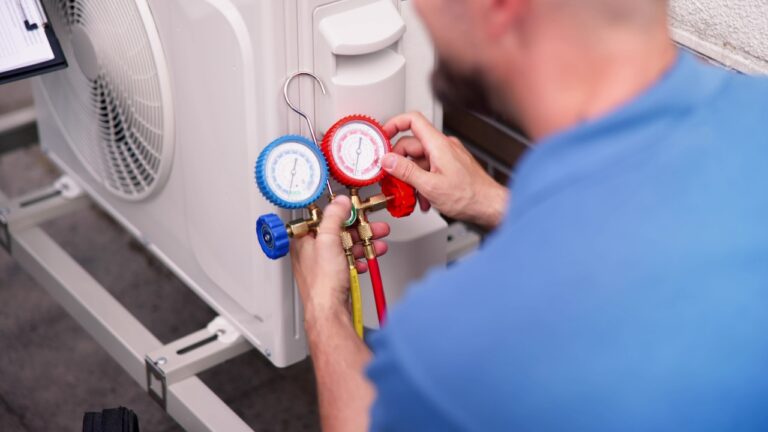
On the mechanical side, a quick check of your furnace or boiler before the temperature drop is essential. Replace or clean filters, listen for unusual noises, and verify that vents and returns are not blocked by furniture or storage boxes. A winter home maintenance advisory urges homeowners to Maintain heating systems and address any warning signs before a storm, because repair crews are stretched thin once the cold hits. If you rely on space heaters as a backup, plug them directly into wall outlets, keep them away from curtains and bedding, and never leave them running unattended overnight.
5. Give your car a pre-freeze mechanical checkup
Your vehicle is often your lifeline in winter, whether you are commuting, getting kids to school, or reaching a warming center if the power fails. Cold weather is hard on engines, batteries, and fluids, so a targeted check before a deep freeze can prevent a no-start situation in the morning. A winter driving checklist advises you to Check your battery, since cold can significantly reduce its power, and to inspect tires, brakes, and wiper blades so you are not improvising in a snowstorm.
Specialists in seasonal maintenance echo that guidance with a detailed Ready For Winter Car Maintenance Checklist that highlights Antifreeze and Coolant levels as critical in climates like Connecticut, where winter temperatures routinely fall below freezing. They also recommend checking tire tread depth and pressure, since cold air reduces pressure and can compromise grip, and ensuring your brake system is in good condition so stopping distances do not stretch out on slick roads.
6. Focus on your battery, wipers, and visibility before you park for the night
Some of the most effective winter car checks are also the quickest. Before a cold night, pop the hood and look for corrosion on battery terminals, frayed cables, or a loose hold-down bracket. Service centers warn that Battery Check Cold conditions kill weak batteries, especially those more than three years old, so testing the battery and replacing it proactively can save you from a stranded morning. If your car cranks slowly or interior lights dim when you start the engine, treat that as a red flag rather than a quirk.
Visibility is just as important as starting power. A seasonal guide from a wiper manufacturer notes that in Nov, Here are five simple steps to keep your car running safely, starting with “Test Your Ba”ttery and then checking wiper blades and washer fluid. Switching to winter-rated washer fluid, confirming that all exterior lights work, and lifting wiper blades off the windshield if freezing rain is expected can prevent them from freezing to the glass overnight. A Battery and Charging System Have the system tested by a trained technician if you are unsure, since modern vehicles rely heavily on stable voltage for safety systems and sensors.
7. Build a winter-ready emergency kit for your home and car
Even with the best preparation, winter has a way of surprising you, which is why a well stocked emergency kit is nonnegotiable. At home and work, safety officials emphasize that At Home and Work your primary concerns during a winter storm are loss of heat, power, and communication. They recommend keeping Your mobile phone, charger, and backup batteries ready, along with flashlights, blankets, and a way to receive weather alerts if the internet goes down.
For your vehicle, health authorities advise you to Create an emergency car kit that includes a cell phone, portable charger, and items like food, water, and a shovel in case you are stranded. A local Public Safety Message on Building a Winter Emergency Kit for Your Home and Car suggests starting with Basic Supplies and to Start with water, nonperishable food, a fire extinguisher, and an emergency phone number list. Federal emergency planners echo that a disaster supplies kit should include enough Food and Water for each family member, along with any medications, pet supplies, and items for infants or older adults.
8. Plan for safe winter driving and what to do if you get stuck
When temperatures fall overnight, road conditions can change dramatically between the time you park and the time you leave in the morning. Even if pavement looks clear, black ice can linger on bridges, shaded stretches, and side streets. A federal safety agency’s winter driving guidance explains What to do in an Emergency, emphasizing that if you are stopped or stalled in wintry weather, you should stay with your car, make it visible with hazard lights or a bright cloth, and run the engine only intermittently to conserve fuel and avoid carbon monoxide buildup.
Before you even turn the key, a winter driving checklist urges you to adapt your habits to the season. A guide titled Winter driving checklist notes that Cold weather can reduce tire pressure and battery performance, so you should verify both before heading out. It also recommends slowing down, increasing following distance, and avoiding cruise control on slippery surfaces. National health guidance adds that in Dec, if travel is unavoidable, you should keep your gas tank at least half full and carry a Cell phone, portable charger, and other essentials so you can call for help and stay warm if conditions deteriorate.
9. Do a final “before bed” checklist when a freeze is in the forecast
As the night of a predicted cold snap arrives, a short, repeatable routine can catch anything you missed earlier in the day. Walk through the house and confirm that faucets on exterior walls are dripping slightly, cabinet doors under sinks are open if those pipes sit on outside walls, and thermostats are set to a steady temperature rather than a deep setback. A local utility’s guide on Preparing your home for a freeze recommends setting the thermostat to around 68 degrees and leaving it there during extended below freezing temperatures, which helps keep interior walls and hidden plumbing warm enough to avoid freezing.
Outside and in the driveway, move vehicles off the street if possible, fold in mirrors, and park facing out so you can leave more safely in the morning if conditions are poor. A seasonal reminder titled Oct, Here is What to Check Before Temperatures Drop highlights that you will also be driving in the dark more often, so verifying headlights, taillights, and defrosters before bed can prevent a scramble in the morning. Finally, bring pets and any sensitive plants inside, as freeze warnings explicitly advise that when a hard frost is expected in Feb, Here you should bring potted plants indoors whenever possible to protect them from damage.
Supporting sources: winter car maintenance tips: prepare your vehicle for snow, ice ….
Like Fix It Homestead’s content? Be sure to follow us.
Here’s more from us:
- I made Joanna Gaines’s Friendsgiving casserole and here is what I would keep
- Pump Shotguns That Jam the Moment You Actually Need Them
- The First 5 Things Guests Notice About Your Living Room at Christmas
- What Caliber Works Best for Groundhogs, Armadillos, and Other Digging Pests?
- Rifles worth keeping by the back door on any rural property
*This article was developed with AI-powered tools and has been carefully reviewed by our editors.