The winter safety habit that saves lives, test alarms before the weather turns ugly
Winter is when your home works hardest, and when small oversights can turn deadly. Before the weather turns ugly, building a habit of testing your smoke and carbon monoxide alarms is one of the simplest ways you can protect everyone under your roof. Treat it as a seasonal ritual, not an afterthought, and you dramatically raise the odds that you will get the warning you need when seconds matter.
Why winter turns small hazards into life‑threatening emergencies
Cold weather changes how you live inside your home, and those changes quietly raise your risk. You close windows, seal drafts, and run furnaces, fireplaces, and space heaters for hours at a time, which means any spark or exhaust problem has more fuel and less ventilation. When a storm knocks out power and you reach for generators, gas stoves, or improvised heating, the margin for error shrinks even further, especially overnight while you sleep.
That is why safety experts stress that winter increases the likelihood of both home fires and carbon monoxide incidents, and they point to working alarms as the first line of defense against those threats. Guidance on how to test your carbon monoxide detectors in colder months highlights that a simple check of batteries and alert tones can protect your home from devastating health effects. When you understand how much more is at stake in winter, treating alarm tests as a non‑negotiable habit stops feeling optional and starts feeling like basic maintenance, on par with servicing your furnace or clearing your gutters.
The life‑saving math behind working alarms
When you look at the numbers, the case for testing alarms becomes hard to ignore. Fire spreads faster in modern homes packed with synthetic materials, and smoke can fill a hallway long before flames reach a bedroom door. Without an early alert, you may have only a couple of minutes to escape, especially at night when your sense of smell is dulled by sleep and you are relying entirely on technology to wake you up.
Safety campaigns repeatedly underline that working smoke alarms can cut the risk of dying in a home fire by half, a figure that has become a cornerstone of public messaging. One reminder to “Turn and Test” during clock changes notes that working smoke alarms are directly linked to that 50 percent reduction in fatality risk. Local broadcasters echo the same point, explaining that testing and replacing alarms during daylight saving time can prevent tragedy in your home. Those numbers are not abstract; they translate into real families getting out in time because a small plastic device on the ceiling did its job.
How often you should test, and why “monthly” is not optional
Once you accept that alarms save lives, the next step is deciding how often to check them. Many people assume that pressing the test button once a year is enough, or that a chirping low‑battery warning will always give plenty of notice. In reality, dust, age, and battery issues can quietly degrade performance long before an alarm fails completely, which is why you need a regular schedule that does not depend on you noticing a problem first.
Guidance on how often you should test your detectors lays out a simple routine: follow a “Test Monthly” rule by pressing the test button on each unit, and make sure you have alarms on every level of your home. A separate step‑by‑step guide on how often to check alarms reinforces that “Monthly Tests” are the standard for both smoke and carbon monoxide devices, not a nice‑to‑have extra. When you build that monthly press of the test button into your routine, you dramatically reduce the odds that a silent failure will only reveal itself during an emergency.
Placement and installation: getting the basics right before you test
Testing an alarm that is in the wrong place is like checking the brakes on a car you never drive. Before winter sets in, you should confirm that your home is actually equipped the way safety standards intend. That means looking beyond a single detector in a hallway and making sure every sleeping area and level has coverage, especially in older houses or apartments where previous owners may have cut corners.
Federal safety guidance spells out that you should install smoke alarms on every level of the home and inside each bedroom, and place carbon monoxide alarms on every level as well, then make sure they are working. State‑level tips echo that advice, urging you to maintain your alarms by testing them every month and changing batteries when they fail a test or when the manufacturer recommends replacement. If you discover gaps, such as a basement without a detector or a bedroom without its own alarm, correcting those before winter storms arrive is just as important as the tests themselves.
Step‑by‑step: how to test smoke and CO alarms safely
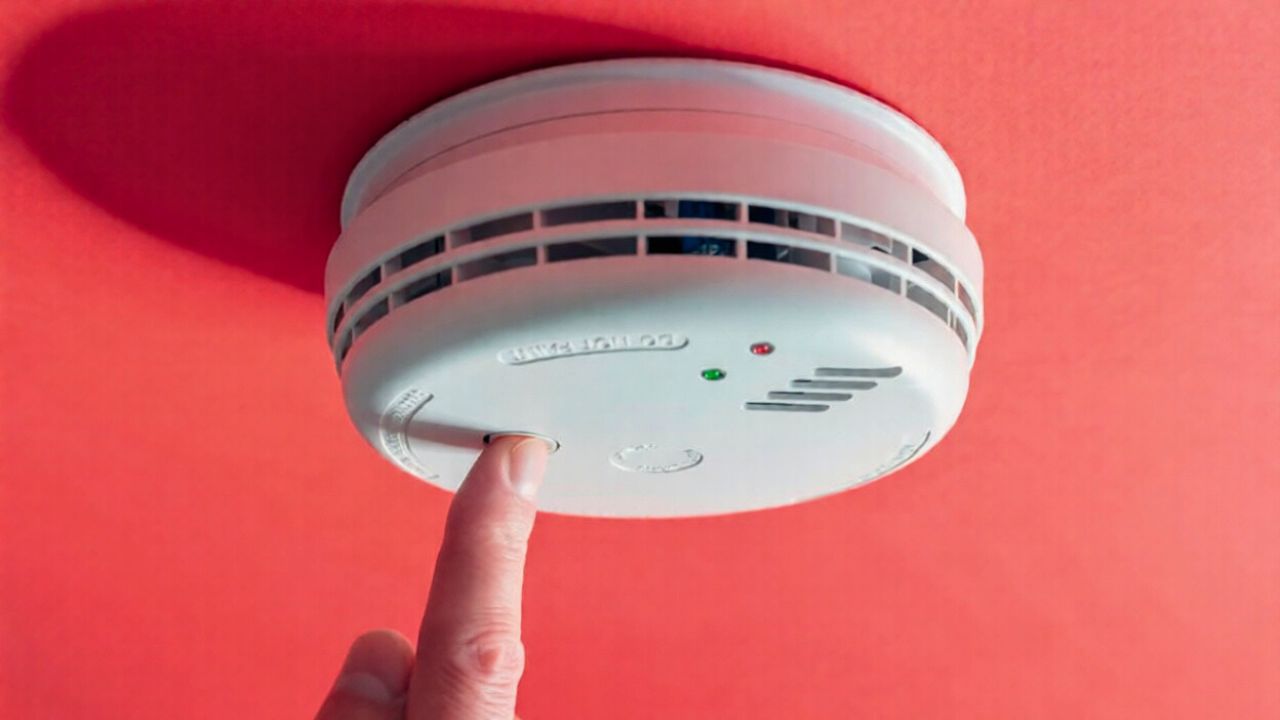
Once your alarms are in the right places, the actual test is straightforward, but it pays to be methodical. Start by warning everyone in the home that you are about to run a test so no one panics, then press and hold the test button on each unit until you hear the full alarm sound. If the tone is weak, intermittent, or silent, treat that as a failure and address it immediately rather than assuming it is a fluke.
Detailed winter guidance on how to test your carbon monoxide detectors breaks the process into clear steps, starting with “Step 1: Check the Battery” to make sure the power source is fresh before you rely on any test results. A separate safety guide on how often to check alarms emphasizes “Monthly Tests” where you “Test” each device using the built‑in button rather than open flames or exhaust. If you prefer a visual walkthrough, a short video that urges you to test your CO and smoke detector before winter shows exactly how to run a cycle on both devices and listen for a strong, consistent alarm.
Battery changes, replacements, and the danger of ignoring chirps
Testing is only half the habit; acting on what you learn is the other half. If an alarm fails a test or starts chirping, you should treat that as an urgent maintenance task, not background noise to be tolerated. In many homes, that chirp becomes part of the soundtrack of daily life, ignored for weeks until someone finally pulls the battery to make it stop, which leaves the household unprotected.
Seasonal campaigns encourage you to tie battery changes to predictable calendar events so you do not fall into that trap. One reminder framed as the “Time of Year” to check your smoke alarms and carbon monoxide monitors urges you to “Change your clocks, change your batteries” and to follow the manufacturer’s instruction manuals for replacement intervals. State guidance on how to test and maintain alarms notes that if your devices use regular batteries, a chirp or a failed test means it is time to change batteries immediately. If a new battery does not fix the problem, you should replace the entire unit, especially if it is more than ten years old or past the date printed on the back.
Winter storms, generators, and the carbon monoxide trap
When a winter storm knocks out power, your priorities shift to staying warm and keeping the lights on, but that is exactly when carbon monoxide risks spike. Portable generators running in garages, grills brought indoors, and cars idling in driveways can all produce invisible, odorless gas that seeps into living spaces. Without a functioning alarm, you may not notice symptoms until you are too disoriented to act.
Federal safety officials warn that as winter storms threaten millions of people, families should check CO and smoke alarms because “Working” devices save lives. They recommend that you “Install” battery‑operated alarms or alarms with battery backup on every level of your home, especially near sleeping areas, so you will be warned if carbon monoxide begins to build up in the house. That advice pairs with broader winter safety guidance that tells you to install alarms on every level and make sure they are working before you rely on space heaters or other backup heat sources. If you know a storm is coming, running a full test on every alarm should be as automatic as charging your phone or stocking up on food.
Turning seasonal milestones into safety reminders
Habits stick best when they are tied to cues you already notice, and winter offers several built‑in prompts. You can use the first cold snap, the day you switch your thermostat from “cool” to “heat,” or the weekend you pull holiday decorations out of storage as your signal to walk through the house and press every test button. By linking the task to something you are already doing, you reduce the chance that it will slip your mind during a busy season.
Health systems encourage you to use quieter moments in the season the same way, suggesting that you test smoke alarms during winter downtime to “Ensure” alarms are working and to confirm you have devices on every level of your home. Public campaigns around daylight saving time push the same idea, urging you to Turn and Test when you adjust your clocks. If you adopt that rhythm, you will naturally hit the key pre‑winter window every year, and your alarms will never go more than a few months without a check.
Making alarm checks a family habit, not a solo chore
Finally, you protect your household best when everyone understands the routine, not just the person who usually handles home maintenance. Involve children in pressing the test button, explain what the different sounds mean, and walk through your escape plan while the alarm is still ringing so the noise becomes a cue for action rather than panic. When every family member knows where alarms are, how they sound, and what to do when they go off, you are less likely to lose precious seconds to confusion.
Seasonal safety reminders that frame this as the “Time of Year” to check your smoke alarms and carbon monoxide monitors encourage you to make the process visible and routine, not a rushed solo task on a step stool. When you combine that shared habit with the structured schedules that tell you to press the test button monthly and keep alarms on each level of your home, you turn a simple winter safety check into a culture of preparedness. The result is a household that treats those ceiling‑mounted devices not as background clutter, but as essential tools that deserve a few minutes of attention before the weather turns ugly.
Like Fix It Homestead’s content? Be sure to follow us.
Here’s more from us:
- I made Joanna Gaines’s Friendsgiving casserole and here is what I would keep
- Pump Shotguns That Jam the Moment You Actually Need Them
- The First 5 Things Guests Notice About Your Living Room at Christmas
- What Caliber Works Best for Groundhogs, Armadillos, and Other Digging Pests?
- Rifles worth keeping by the back door on any rural property
*This article was developed with AI-powered tools and has been carefully reviewed by our editors.