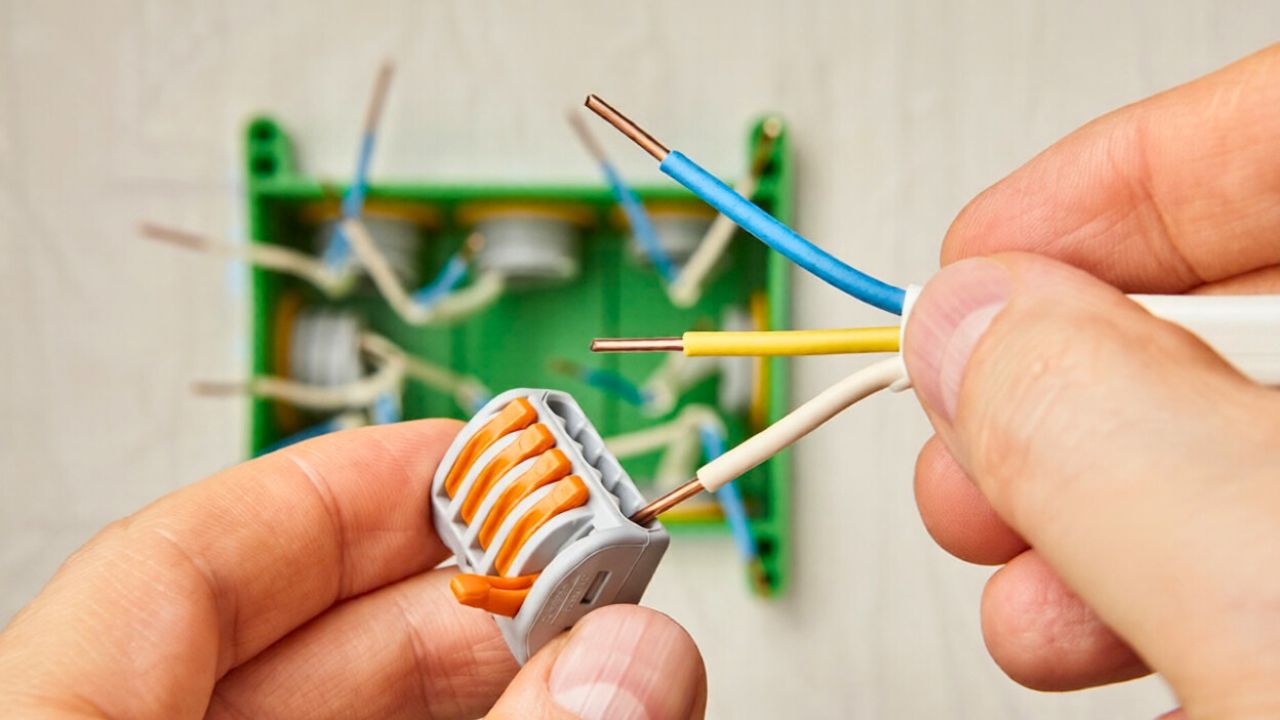
The wiring “fix” that makes appraisers pause during a sale
When a home is under contract, the fastest way to rattle an appraiser is not a dated kitchen or worn carpet, but a suspicious “fix” to the wiring that looks improvised instead of safe. You might see it as a quick way to get the lights back on, yet to the people who decide whether a lender will fund the deal, it can read as a red flag for fire, shock, and liability. Understanding why that one junction box, outlet, or panel tweak makes them pause can be the difference between a smooth closing and a stalled sale.
If you are selling, buying, or refinancing, you are not just negotiating price, you are convincing Lenders that the property is safe, structurally sound, and habitable. That is why appraisers, inspectors, and underwriters look past cosmetic upgrades and zero in on electrical shortcuts, from loose splices to missing covers. The more you recognize those problem “repairs” in advance, the better you can decide what to fix properly and what to leave to a licensed electrician.
Why appraisers care so much about “creative” wiring fixes
From an appraiser’s perspective, any improvised electrical work is less about aesthetics and more about risk. Their job is to confirm that a home meets basic Safety, Structural, and Habitability Issues standards so a lender can treat it as solid collateral, not a potential claim. When they see taped wire nuts dangling in a crawlspace or a mystery cable feeding a shed, they are not just judging workmanship, they are weighing the chance of fire, electric shock, or future insurance disputes tied to that “fix.”
Guidance for appraisers stresses that Lenders want properties to be safe, sound, and sanitary, and that Major defects, including exposed or faulty wiring, can undermine value or even derail financing. The same checklists that flag peeling paint in older homes and missing GFCI outlets in wet areas also treat obvious electrical hazards as conditions that must be corrected before closing, because they fall squarely under Safety, Structural, Habitability.
How appraisers and inspectors spot unsafe “repairs” in minutes
Even if you are not pulling permits, the people walking through your house before a sale are trained to notice the telltale signs of amateur electrical work. They look for mismatched cables, open junction boxes, and wires that disappear behind drywall without proper Terminations, because those details often reveal where a homeowner tried to save money with a shortcut. When two conductors are twisted together and wrapped in tape instead of being secured in a box with a listed connector, it signals that the work likely ignored both code and safety.
Common Electrical Issues Found in Home Inspections include Unsafe Wire Connections and Terminations that can overheat, arc, and cause electric shock or fire, especially when they are buried in insulation or hidden above a ceiling. Inspectors are trained to call out these conditions in their reports, and appraisers, who may not open every panel, still pay attention when they see loose splices or improvised junctions in accessible areas. That is why even a single visible example of Unsafe Wire Connections can trigger a broader concern about what is hidden behind the walls.
The panel problem: overcrowded breakers and mystery doubles
Nowhere does a quick electrical “fix” worry professionals more than inside the main service panel. Each circuit breaker is designed to hold a certain number of conductors, and when a seller or handyman stuffs extra wires under a single screw to “make room,” it creates both a code violation and a potential hot spot. Overcrowded Wiring can loosen over time, especially when aluminum and copper are mixed, which increases resistance and the chance of arcing inside a metal box that is already full of combustible insulation and dust.
Guidance on what will fail an electrical inspection highlights Problems with the Electrical Panel, including Overcrowded Wiring, as a common reason for a red tag, because Each breaker is engineered for a specific load and termination method. When an appraiser sees a panel with multiple conductors under one lug, missing knockouts, or improvised tie bars, it suggests that the system has been altered without permits. That is why even a seemingly simple act, like doubling up a breaker “just for a few outlets,” can be enough for an inspector to cite Problems that must be corrected before a lender will sign off.
Loan types that are especially unforgiving of DIY wiring
Not all financing looks at electrical issues the same way, and some loan programs are far less tolerant of improvised fixes than others. Government-backed products, in particular, tend to apply strict health and safety standards that treat exposed wiring or missing covers as non negotiable defects. If you are selling to a buyer using Federal Housing Administration or Department of Veterans Affairs financing, that bundle of taped wires in the garage is more than an eyesore, it is a potential deal breaker.
Guidance on FHA appraisals notes that Here, Structural Issues such as foundation Crack problems share the same red flag category as environmental hazards like asbestos, mold, and exposed wiring, because all of them can delay or derail financing. Separate checklists for Common FHA Real Estate Repair Items also emphasize that systems must be accessible and properly secured, from Earthquake Strapping on Water Heaters to clear working space around panels for easy access by the appraiser. VA loan educators echo the same theme, stressing that a property must be safe, with no faulty wiring or similar hazards, and that Other homes nearby with unpermitted work do not excuse defects in the subject property, a point reinforced in guidance that states, “It’s safe – No faulty wiring,” as a basic requirement for approval by a National Educator.
What inspectors actually do during a pre-sale electrical review
When you schedule a home inspection before listing or during a buyer’s due diligence period, you are inviting a specialist to test whether your electrical system is both safe and reasonably up to code. Inspectors routinely remove panel covers, test outlets, and trace visible wiring runs to see if any “temporary” fixes have become permanent. Their mandate is not to nitpick every outdated device, but to identify conditions that could shock someone, start a fire, or signal broader neglect, which is why they focus on obvious hazards rather than every minor deviation from the latest code cycle.
Guides to Electrical inspection during home buying explain that Key Takeaways include protecting your safety, confirming Electrical code compliance, and safeguarding your investment, with Inspectors required to look for overloaded circuits, missing GFCI protection, and visible damage. They also note that a thorough inspection often uncovers issues that appraisers only glimpse in passing, such as reversed polarity or undersized conductors on large appliances. When those findings involve improvised repairs, like extension cords used as permanent wiring, they quickly become part of the negotiation, because buyers can point to the inspector’s Key Takeaways to justify repair requests or price reductions.
Panels, brands, and defects that make everyone nervous
Beyond obvious shortcuts, certain panels and components have such a track record of problems that their very presence can unsettle buyers and appraisers. Federal Pacific and Zinsco panels, for example, are widely associated with breakers that fail to trip under overload, which turns any added “fix” inside them into a more serious concern. If you have one of these older panels and someone has also doubled up breakers or added non matching parts, you are stacking risk on top of an already suspect piece of equipment.
Lists of Common Electrical Defects Found During Home Inspection specifically call out service panel Defects that include Federal Pacific and Zinsco panels, Damaged breakers, Corrosion or water entry into the panel, and Evidence of arcing or overheating. When an inspector documents corrosion streaks or burn marks around a breaker that also has two conductors under one screw, it is hard for an appraiser to ignore the implication that the system is both outdated and altered. That combination often leads to a requirement for a licensed electrician to evaluate and correct the Defects before the lender will clear the file.
When a “temporary” fix becomes a mandatory repair
From a seller’s standpoint, it can be tempting to treat a quick splice or a daisy chained outlet as a stopgap you will “get to later.” In a real estate transaction, however, later usually means before closing, because once an inspector or appraiser documents the issue, it becomes part of the record. Buyers, their agents, and underwriters now have written proof that a hazard exists, and they are unlikely to ignore it, especially when the fix involves something as fundamental as the wiring that powers the home.
Guidance on what needs to be fixed after a home inspection makes it clear that Active leaks or electrical hazards, including exposed wiring and clear Code violations, are typically treated as mandatory repairs rather than optional upgrades. Electricians who advise homeowners after failed inspections explain that assessments look for electrical risks, defective wiring, and outdated equipment that could cause fires or deaths, and that Outdated Wiring often must be replaced or upgraded to ensure your home’s safety. Once a report labels your quick splice as an Outdated Wiring issue, you can expect the buyer’s lender to insist on a licensed repair, not a promise to handle it after move in.
How electrical issues intersect with broader appraisal red flags
Electrical shortcuts rarely exist in isolation, and appraisers often read them as part of a larger pattern of deferred maintenance. A home that shows exposed wiring, missing covers, and improvised junctions is also more likely to have loose railings, damaged steps, or neglected exterior paint, all of which feed into the overall risk profile. When that pattern emerges, appraisers are more inclined to adjust value downward or to condition the appraisal on a list of repairs, because they see the property as less safe and less marketable than comparable homes.
Guidance on what will fail a home appraisal notes that Safety, Structural, and Habitability Issues, including unsafe staircases, porches, or railings, are treated as Major concerns by Lenders who want to avoid financing properties with obvious hazards. FHA focused red flag lists echo that Structural Issues like a Crack in a foundation wall sit alongside environmental problems such as asbestos, mold, and exposed wiring as reasons an appraisal can be suspended until repairs are made. When you combine those concerns with a home inspection report that highlights electrical panels as a common focus, where Home inspectors will scrutinize electrical panels because all the wires in the home come together there, it becomes clear why a “simple fix” in that box is rarely viewed as a simple fix at all.
Practical steps to get ahead of wiring concerns before you list
If you want to keep an appraiser from hesitating over your wiring, the most effective move is to address obvious issues before anyone with a clipboard walks through the door. Start with a basic walkthrough to look for missing outlet covers, visible splices, extension cords used as permanent wiring, and any signs of overheating at the panel, such as discoloration or a burnt smell. Pair that with routine maintenance on other systems, because a home that shows care in plumbing, HVAC, and structure helps offset the impression that you have been cutting corners behind the walls.
Pre appraisal checklists recommend that you first check all plumbing fixtures in your home, since Low water pressure, slow drains, and dripping faucets can signal broader neglect, and then confirm that basic electrical and HVAC maintenance is up to date. If you know your home has older wiring or a panel with a history of issues, consider a pre listing inspection or a targeted evaluation by a licensed electrician so you can correct problems on your own timeline rather than under contract pressure. That proactive approach not only reduces the odds of a surprise repair demand, it also gives you documentation to show that your wiring meets the safety expectations that pre appraisal guidance describes.
When to call a professional instead of reaching for electrical tape
Like Fix It Homestead’s content? Be sure to follow us.
Here’s more from us:
- I made Joanna Gaines’s Friendsgiving casserole and here is what I would keep
- Pump Shotguns That Jam the Moment You Actually Need Them
- The First 5 Things Guests Notice About Your Living Room at Christmas
- What Caliber Works Best for Groundhogs, Armadillos, and Other Digging Pests?
- Rifles worth keeping by the back door on any rural property
*This article was developed with AI-powered tools and has been carefully reviewed by our editors.