The yard habit that starts neighbor drama every summer
Every summer, the same pattern plays out on quiet streets: one person’s idea of a perfect yard becomes the spark for a season of simmering resentment. The habit that most reliably lights the fuse is not a single plant or tool, but the way you treat your lawn as if it stops at your property line, even when your choices spill, blow, or roar into everyone else’s space. Once that happens, the grass is no longer just grass, it is a stage for conflict.
If you want to avoid becoming the main character in the neighborhood group chat, you have to see your yard the way your neighbors do: as a shared backdrop, not a private island. That means rethinking how you mow, blow, trim, park, and even plant, especially when the temperature climbs and tempers shorten.
The real habit behind most summer yard feuds
The recurring habit that starts trouble is treating outdoor maintenance as a solo performance instead of a shared environment. When you run loud equipment at dawn, blow debris across the property line, or let your grass and weeds creep into someone else’s space, you are sending a clear message that your convenience matters more than their comfort. Over time, that pattern of disregard, not a single noisy morning, is what turns minor annoyances into full-blown drama.
You can see how quickly that dynamic escalates in viral clips where neighbors document their own lawn stand‑offs. In one widely shared video, a creator named Jun walks viewers through the saga of what he calls the most famous lawn on the internet, complete with “receipts” about the back‑and‑forth between him and his neighbor over how the grass was handled, a dispute that turned routine mowing into a running feud linked through Jun. Once both sides felt disrespected, every pass of the mower became another provocation rather than simple yard work.
When your yard spills into theirs
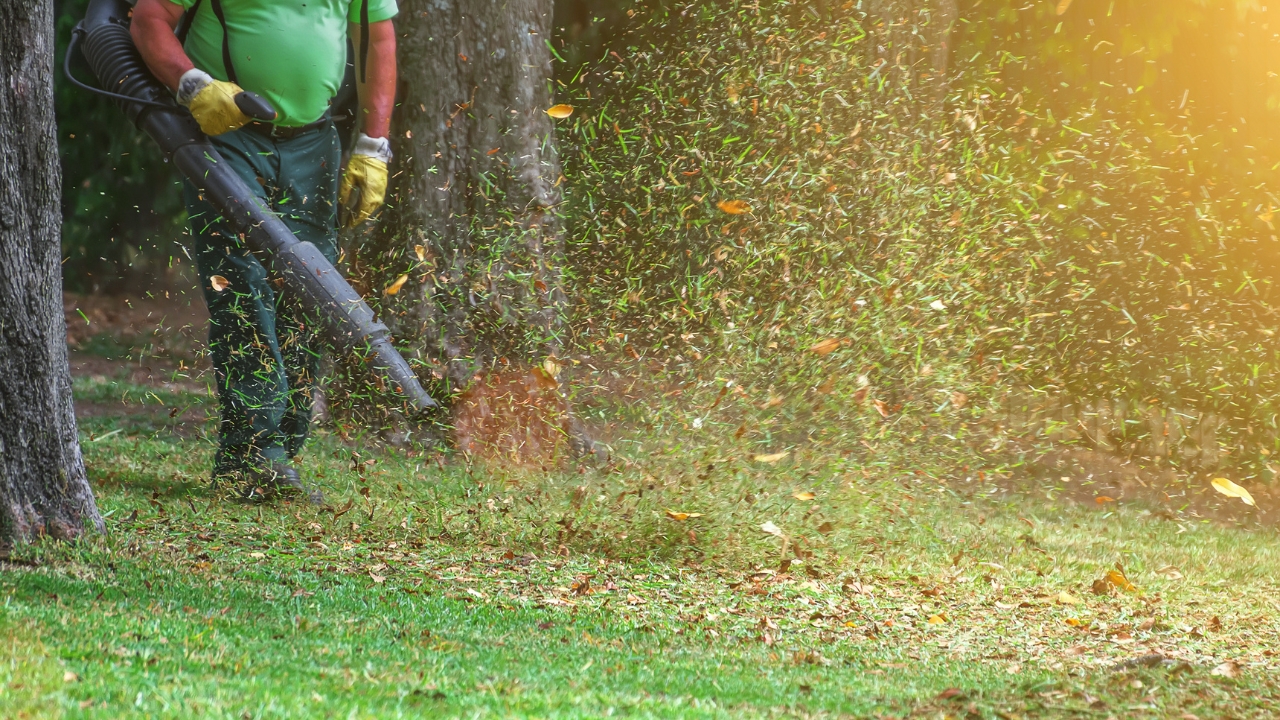
Nothing communicates disregard faster than literally moving your mess into someone else’s space. Blowing clippings, dirt, or leaves over the fence or across a driveway might save you a few minutes, but it tells your neighbor that their time and effort are worth less than yours. That is why so many people react so strongly when they see a blower pointed toward their property instead of toward a bag or compost pile.
One video titled “We Blew a TON of Leaves Into the Neighbor’s Yard… They Weren’t HAPPY!” captured exactly how provocative that can feel, as the person behind the camera described blasting a huge volume of debris, a self‑inflicted conflict summed up in the phrase TON. Even if you tell yourself the wind would have blown it there anyway, your neighbor sees a deliberate act, and that perception is what drives angry door knocks, heated words, and, eventually, calls to the city.
The 5 a.m. wake‑up call that guarantees complaints
Noise is the other big accelerant, especially in the early morning when people are trying to sleep. Firing up a mower, trimmer, or blower at sunrise might fit your schedule, but it hijacks everyone else’s. Once you become the person who treats 5 a.m. like midday, you are no longer just a neighbor with a tidy lawn, you are the neighborhood alarm clock that no one asked for.
That frustration is so common that local stations have turned it into a conversation starter, with one “watercooler” prompt asking viewers which backyard activity causes the most complaints and highlighting a response that singled out Weed eating at 5 a.m. as the worst offender. Community managers who oversee shared properties see the same pattern, noting that noise violations spike in summer when neighbors start their lawnmowers too early in the morning, a trend that Noise complaints make impossible to ignore.
How the law actually sees your “little” yard habits
Once a neighbor feels they cannot get through to you directly, the next step is often to involve authorities, and at that point your weekend routine becomes a legal issue. Many local rules do not care whether you meant to be rude, they focus on whether your noise, debris, or overgrowth crosses a defined threshold. That is how a casual habit, like always edging the sidewalk at dawn or letting your dog bark in the yard for hours, can suddenly result in a warning letter or fine.
Municipal codes spell this out in dry language that still carries real teeth. One example, Local Law No. 13 (Control of Nuisances) from Flinders Shire Council, states that a nuisance exists if noise is emitted in contravention of a local law policy or if it unreasonably interferes with the amenity of the surrounding area, and it applies to the place from which the noise is emitted, a standard laid out on Local Law No. Once your neighbor knows those rules, your early‑morning mower or late‑night party is no longer just annoying, it is a documented violation they can report.
Overgrown, under‑maintained, and everyone is watching
On the other end of the spectrum, neglect can be just as inflammatory as overzealous maintenance. Letting your yard become a jungle of waist‑high grass, invasive vines, and hidden debris does not just affect curb appeal, it can attract pests, obscure sightlines, and make the whole block feel less safe. When that happens, neighbors start to talk among themselves, and your property becomes a shared problem instead of a private choice.
In one cleanup video, a creator documented a massive overgrown yard that had kept neighbors on alert until someone finally tackled it, describing how the project came with its own challenges and even noting that two kids in the neighborhood ended up with new Boring Channel hats to show off at school, a small bright spot in a saga captured through Also. Online forums are full of similar stories, including one thread where a user named Turdulator described a neighbor who kept reporting everyone to the city for an unkempt yard, prompting others in the Comments Section to suggest taking turns filing complaints so she would be repeatedly investigated herself.
Parking, trees, and the invisible property line
Even when your grass is trimmed and your tools are quiet, you can still ignite conflict by treating the edge of your property as a gray area. Parking on someone’s lawn, letting tree roots or branches damage their side, or planting something that sheds heavily into their yard all send the same message: your use of the space matters more than their right to enjoy it. Those choices are especially fraught in summer, when shade and outdoor space are at a premium.
One widely shared story described a neighbor named Leo who started parking his car on the edge of a shared sidewalk under a big shade tree, leaving tire tracks on the lawn and sparking a dispute when he insisted that part of the car was still on the lawn even as he claimed it was acceptable, a conflict laid out in detail about neighbor Leo. In another case, a homeowner recounted how a next door neighbor caused multiple problems until they used her eavesdropping habit to convince her to cut down a tree, a bit of social judo that turned her own spying into the reason she finally removed the Tree that had become a flashpoint.
When “helping” with their yard backfires
Sometimes the conflict starts not with neglect or intrusion, but with unsolicited help. You might think you are doing a favor by trimming a shared fence line, cutting back a neighbor’s overgrowth that spills into your side, or straightening up a messy corner. If you do it without a conversation, though, you risk turning a small annoyance into a personal insult, especially if the other person is sensitive about control or appearances.
One viewer who watched a creator trimming overgrowth on a fence wrote in to say they had been inspired to do the same, only to have an angry neighbor storm over and demand that they stop helping, a confrontation captured in a video titled “Angry Neighbor STORMS Over and DEMANDS I Stop HELPING..” that revolved around what the commenter Was trying to do. In another online thread, a user floated a “Genius idea” for dealing with a neighbor’s bright floodlights that illuminated another yard, suggesting a scheme to bounce the light right back at the neighbor, a plan that commenters in the Genius discussion warned could escalate tensions rather than solve the problem.
Plants, water, and the quiet ways you can still be a bad neighbor
Not all yard conflicts are loud or obvious. The plants you choose, the way you water, and how you manage seasonal changes can quietly strain relationships even when you never fire up a mower at dawn. A tree that drops sticky needles or cones, a sprinkler that soaks the sidewalk and a neighbor’s car, or a rock garden that sends runoff into the yard next door can all feel like small acts of disrespect that add up over a long, hot summer.
In one neighborhood group, a homeowner posted about seasonal changes from a tree they eventually learned was a bald cypress, thanking others for helping them identify the Cypress while describing how its debris affected the yard. Another homeowner shared before‑and‑after photos of a neighbor’s landscaping decision that dramatically altered the look and water use of the area, prompting them to say they would never understand the choice and pointing out that the change could waste as much water as hundreds of showers for an average family, a reaction that framed the neighbor’s yard as an environmental and financial burden on Outraged observers.
How to keep your lawn from becoming the next viral feud
If you want to avoid starring in the next viral clip about neighborhood warfare, you have to treat your yard as part of a shared ecosystem. That starts with basics like keeping noise within reasonable hours, containing your debris, and maintaining your grass and plantings so they do not become hazards or eyesores. It also means resisting the urge to retaliate when someone else crosses a line, because escalation is how a minor slight turns into a saga that strangers dissect online.
Real‑world examples show how quickly things can spiral when neighbors dig in. One television segment chronicled a grass dispute that turned into a full‑blown battle between neighbors, with each side escalating until the conflict became a case study in how not to handle a property line disagreement, a story that unfolded as a Grass Dispute Turns spectacle. Landscape professionals warn that certain features, from noisy tools to poorly placed structures, are especially likely to irritate neighbors, and they urge homeowners to rethink those choices so they are not unknowingly irritating the people next door, advice echoed in a video that asks if Are you irritating your neighbors with your yard. If you keep that question in mind every time you pull a cord, plant a tree, or park under a shared shade, you are far less likely to be the one starting drama when the weather warms up.
Like Fix It Homestead’s content? Be sure to follow us.
Here’s more from us:
- I made Joanna Gaines’s Friendsgiving casserole and here is what I would keep
- Pump Shotguns That Jam the Moment You Actually Need Them
- The First 5 Things Guests Notice About Your Living Room at Christmas
- What Caliber Works Best for Groundhogs, Armadillos, and Other Digging Pests?
- Rifles worth keeping by the back door on any rural property
*This article was developed with AI-powered tools and has been carefully reviewed by our editors.