These fence lines make properties look messy from the road
From the street, your fence is one of the first things people see, long before they notice your front door or landscaping. When that fence line looks chaotic, crooked, or out of place, it can make an otherwise well kept property read as messy and neglected. With a few design choices and some basic maintenance, you can turn that visual liability into a clean, intentional frame for your home instead of an eyesore from the road.
That means thinking about more than just privacy or cost. The way your fence faces the street, how it lines up with your actual property boundaries, and how consistently you maintain it all shape curb appeal and even perceived property value. Once you understand what makes a fence line look disorderly, you can fix problem spots and avoid choices that undermine the rest of your exterior.
When the “wrong side” faces the street
The fastest way to make your fence line look messy from the road is to turn the structural side toward the public. Exposed posts, 2×4 rails, and hardware read as unfinished, especially when they face a sidewalk or main road. In conversations about privacy fence aesthetics, Joseph Scott and others have pointed out that you typically turn the pretty side out so people cannot use the 2x4s to climb, but that choice also gives passersby a smooth, uniform face instead of a jumble of framing lumber, which immediately cleans up the view from the street.
Good manners and local rules often point you in the same direction. Fence etiquette guides are clear that the finished side should face your neighbor and the public, because that orientation makes your property look more polished and avoids presenting a rough backside to everyone else. Some municipalities go even further and write the expectation into law, requiring that the best or decorative side of a fence face the exterior of the lot along public streets. When you flip that standard and aim the “ugly” side toward the road, you are not just bending etiquette, you are choosing an arrangement that almost guarantees your fence will read as cluttered and unplanned from a distance.
Property lines that zigzag and confuse the eye
Even a well built fence can look chaotic if it does not follow a clear, logical line. Oddly shaped parcels, flag lots, and historic subdivisions can leave you with boundaries that slice through yards at strange angles or cut halfway through features like driveways. In one discussion about weird property lines, commenters described a boundary that ran straight through a neighbor’s yard, raising concerns that using someone else’s land over time could eventually affect ownership and prompting advice to hire a surveyor and even use GIS tools to understand the exact layout. When your fence tries to follow a confusing line like that without careful planning, the result from the road can look like a random zigzag instead of a deliberate edge.
You have better options than simply chasing every jog in the deed description with a panel. A surveying primer explains that a fence is not automatically the property line and encourages you to look at the legal description and proper survey work if you want to get more detailed. By working with a professional and understanding where your boundaries actually sit, you can decide where to place the fence so it reads as a coherent edge while still respecting the surveyed line. Sometimes that means stepping the fence back slightly from a strange corner or using landscaping to soften an unavoidable angle, so drivers and pedestrians see a clean, continuous boundary rather than a fence that seems to wander without reason.
Styles that fight your house and streetscape
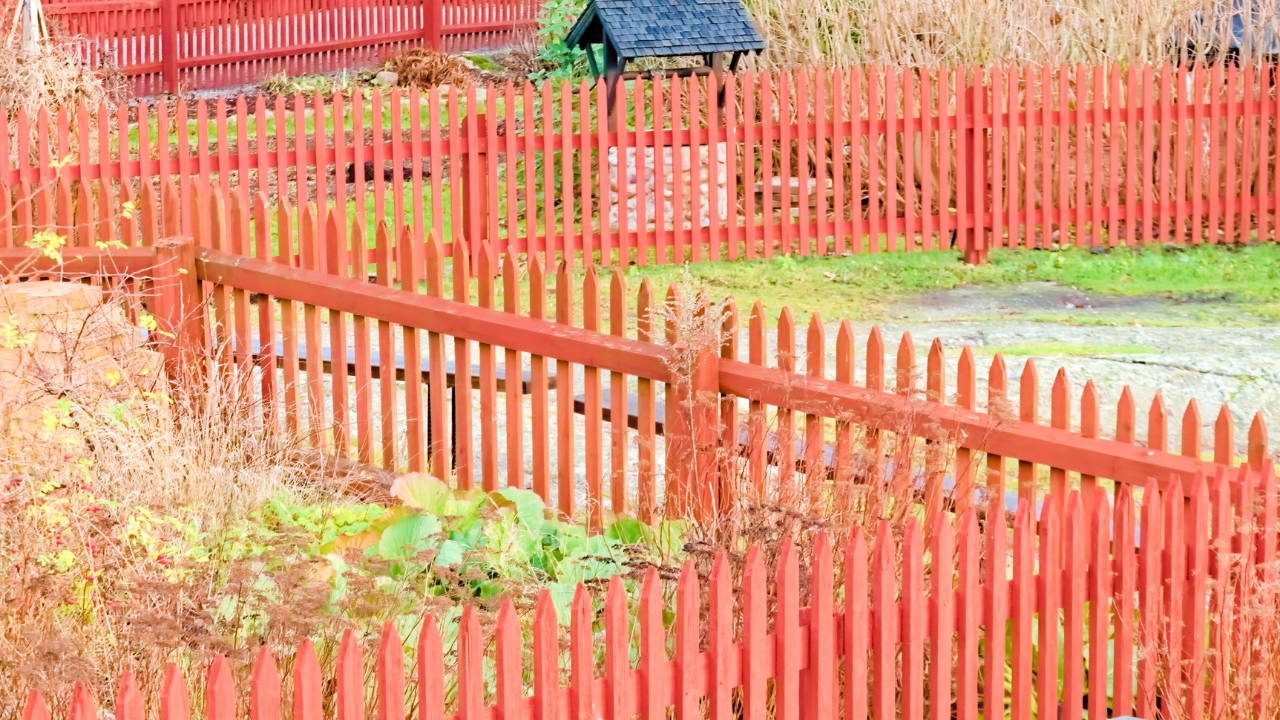
A fence can be perfectly straight and still make your property look disorganized if the style clashes with your house and the surrounding street. Having the wrong style of fence can detract from your home’s curb appeal and reduce perceived value, especially when the design looks like a last minute add on instead of part of a cohesive plan. A delicate Victorian style picket in front of a stark, modern facade, or a towering solid privacy wall in a street of low, open front yards, can make your place stand out for the wrong reasons and give the impression that nothing quite fits together.
The same effect shows up when materials and finishes feel mismatched. A weathered chain link panel patched onto a run of stained wood, or a bright white vinyl section bolted to older cedar, draws the eye to every transition and makes the whole line look improvised. Resources that help you think through exterior choices, such as consumer education pages linked from real estate sites, treat fences like shoes with an outfit: the wrong pair makes everything else look off. When you choose a style that echoes your home’s architecture and repeats materials or colors already present on the facade, the fence stops shouting for attention and instead frames the property in a way that looks orderly from the road.
Neglect that shows from half a block away
Even the best designed fence will start to look messy if you let damage linger. Leaning posts, missing pickets, and uneven top lines are visible from half a block away and signal that you are behind on maintenance. Guidance on timely fence repairs explains that maintaining visual consistency is key, because leaning sections, missing boards, or uneven lines quickly drag down curb appeal and can point to deeper structural problems that will cost more to fix later. From the street, those flaws read as sagging and broken, which makes the entire property feel less cared for.
The impact of a tidy fence line becomes obvious when you compare a straight, freshly painted run to one with a few neglected panels. In the same discussion of timely repairs, the argument is that catching small issues early protects safety and prevents larger damage, but it also keeps the fence looking uniform. If you replace a broken board with a random scrap, or leave a temporary brace in place for months, the patchwork becomes part of the streetscape. A simple routine of walking the fence line, tightening loose fasteners, and addressing rot or rust before it spreads keeps the view from the road clean and signals that you take the rest of your property just as seriously.
Small etiquette choices that clean up the view
Some of the details that make a fence line look messy from the road are not structural at all; they are about how you share boundaries with neighbors. Online discussions of privacy fence etiquette, including one where Joseph Scott weighed in on which side should face out, show how strongly people feel about who gets the “good” side. When you point the finished face toward your neighbor or the public and keep the structural side inside your yard, you create a smoother view along the street and avoid disputes about fairness. Advice on fence etiquette also notes that your property will look better when the clean face is what passersby see, which again ties basic courtesy to visual order.
Local codes can turn those etiquette expectations into requirements, especially on corner lots where two streets see your fence. One municipal rule on corner properties states that constructed fences or screens must have their finished side, described as the best or decorative face, oriented toward the exterior of the lot. That kind of language makes it clear that officials see a tidy outward face as part of the public environment, not just a private preference. When you follow those norms, coordinate heights with adjacent fences, and talk with neighbors before you build, you avoid the patchwork of clashing sections and abrupt height changes that often make a block look disjointed from the road.
Like Fix It Homestead’s content? Be sure to follow us.
Here’s more from us:
- I made Joanna Gaines’s Friendsgiving casserole and here is what I would keep
- Pump Shotguns That Jam the Moment You Actually Need Them
- The First 5 Things Guests Notice About Your Living Room at Christmas
- What Caliber Works Best for Groundhogs, Armadillos, and Other Digging Pests?
- Rifles worth keeping by the back door on any rural property
*This article was developed with AI-powered tools and has been carefully reviewed by our editors.