This backup heat trick that seems smart until you learn the hard way
When energy prices spike or storms knock out power, the idea of turning a candle and a flower pot into a mini heater can feel ingenious. You get the comfort of a visible flame, the illusion of a “device,” and the promise of backup warmth without touching your thermostat. The catch is that this clever-sounding workaround can leave you colder than you expect and expose you to risks you only appreciate after something goes wrong.
The viral terracotta heater trend is a case study in how survival hacks can drift from niche forums into mainstream living rooms without the safety checks that normally surround heating appliances. If you are tempted to copy the setup you saw on TikTok or buy a prepackaged version online, it is worth understanding what the physics, the fire data, and even seasoned preppers say before you strike a match.
Why the candle‑and‑pot heater looks smarter than it is
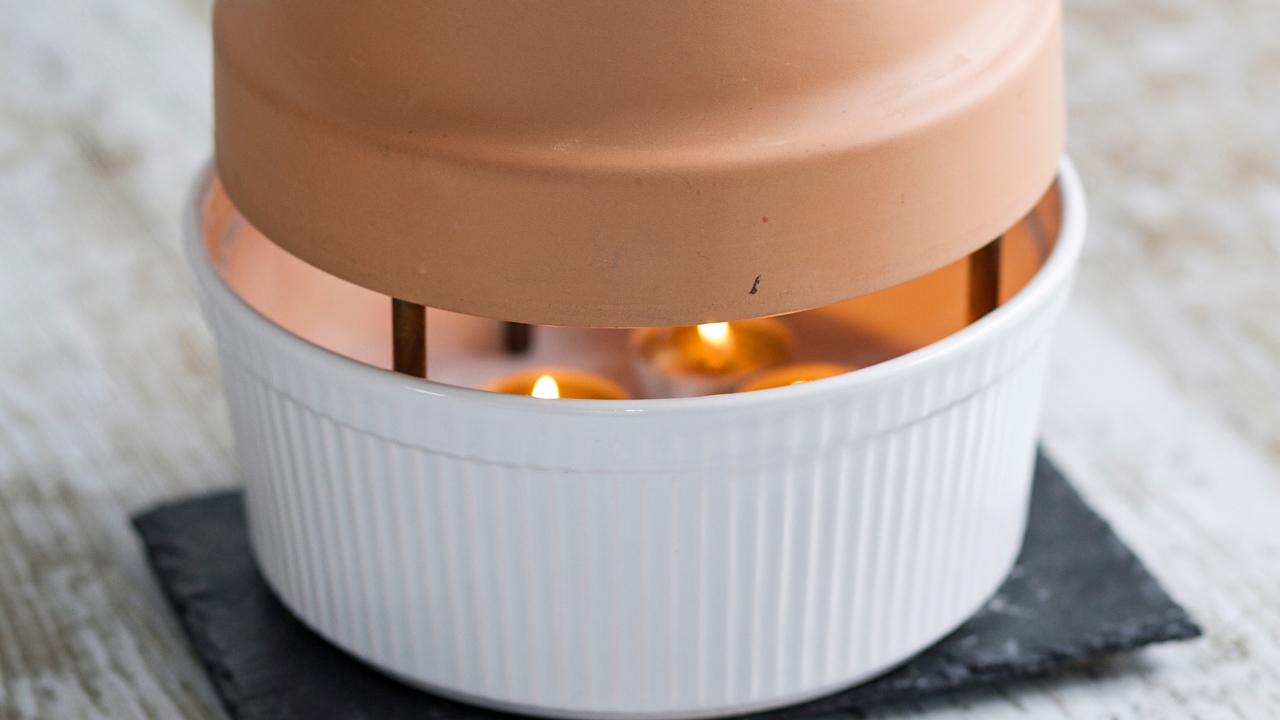
The basic pitch is simple: you place tealights or other small candles under an inverted terracotta flower pot, sometimes stacked with metal hardware, and let the clay “store” and radiate heat. At first glance, it feels like you are upgrading a weak flame into a compact radiator, especially when you see the pot glowing with warmth and people cupping their hands around it. That visual is powerful, which is why social media clips of plant pot heaters have spread so quickly among people looking for cheap backup heat.
Once you strip away the aesthetics, however, you are still burning the same amount of wax and releasing the same amount of energy you would from bare candles. Analyses of these setups point out that the clay does not magically create extra heat, it only changes how that heat is distributed, and any gain in radiant warmth is offset by the fact that you are trapping hot air that would otherwise circulate into the room. One detailed breakdown on a survival forum bluntly concludes that, in terms of heating a space, “TL;DR, the clay pot does nothing but increase the risk of fire” by surrounding wax with terracotta, a verdict echoed in a technical discussion of the design.
The physics problem: lots of risk, little real heat
If you are hoping to warm an entire room, the numbers are unforgiving. A single tealight only produces a small fraction of the output of a typical electric space heater, and even a cluster of them cannot compete with a purpose built unit. One widely cited prepper calculation notes that you would need to light 120 candles to meaningfully heat a 200 square foot room, a setup the author describes as “dangerous as hell” before advising you to skip the stunt and simply get in bed with blankets instead, a warning laid out in stark terms in a prepping PSA.
Independent tests of flower pot heaters reach similar conclusions, finding that while the pots themselves can become extremely hot to the touch, the overall room temperature barely moves. One review of these devices notes that “they do not lie, the flower pots get very very hot,” but stresses that this is exactly what you would expect when you trap hot air under clay instead of letting it rise freely, and that the surrounding air stays stubbornly chilly despite the glowing pot, a reality check that undercuts the marketing of many flower pot heater kits.
When a “hack” becomes a fire and burn hazard
The more serious problem is not that these DIY heaters underperform, it is that they can fail in ways that put you and your home at risk. Any open flame in a living space is a fire hazard, and concentrating several candles under a pot increases the temperature of the wax, the metal holders, and the surface beneath. Safety specialists point out that terracotta heaters combine multiple risk factors, including open flames near flammable surfaces, very hot ceramic that can cause burns, and improvised stands that can be knocked over by pets or children, concerns that mirror broader warnings about clay pot heaters in general.
There is also a structural risk built into the material itself. Experts have flagged that pockets of moisture can get trapped within the clay pot, and when you subject that clay to intense, uneven heating, those pockets can expand rapidly and cause the pot to crack or even explode. One detailed safety explainer notes that this kind of failure can send shards of hot ceramic flying and scatter burning wax across nearby surfaces, a scenario that turns a cozy looking hack into a serious hazard, particularly in small rooms cluttered with textiles or paper, a danger spelled out in warnings about moisture trapped in terracotta.
The TikTok effect and the lure of “off grid” gear
Social media has supercharged the appeal of these setups by packaging them as clever, almost rebellious workarounds to high bills and unreliable grids. Short clips show creators placing terracotta flower pots over candles and claiming they can heat their homes cheaply, often without mentioning the limitations or the fire load they are adding to their living rooms. Safety professionals have pushed back on this framing, warning that the trend of placing terracotta pots over candles to heat a home is “dangerous” and that viewers should not treat viral clips as a substitute for tested appliances, a message that has been repeated in coverage of TikTok terracotta heaters.
The commercial ecosystem has followed the clicks. You can now find preassembled candle heater kits and accessories marketed as “off grid” or “emergency” warmers, complete with polished product photos and promises of cozy heat. A quick search turns up multiple listings that echo the same basic design, often with little more than a disclaimer buried in the fine print, a pattern visible in the way some online product listings present these heaters as lifestyle accessories rather than improvised fire sources.
What experts say you should do instead
If you are worried about staying warm during an outage or cutting your heating bill, the advice from people who study risk for a living is consistent: focus on insulation, safe heaters, and realistic expectations, not viral shortcuts. Emergency preparedness specialists note that a candle and flower pot system might help you warm a very small, enclosed space like a tent or closet in a true survival situation, but they stress that it is unsafe in a typical home and that the flame can ignite nearby materials if left too close, a caveat spelled out in testing of tealight and flower pot systems.
Fire services and insurance experts instead recommend using certified electric space heaters with automatic shutoff, keeping them clear of bedding and furniture, and never running them unattended, guidance that aligns with broader warnings about common space heater mistakes that can turn a cold snap into a house fire, as highlighted in public safety briefings on space heater risks. They also emphasize low tech steps like sealing drafts, closing off unused rooms, and layering clothing and blankets, which can make a bigger difference to your comfort than a handful of candles ever will.
How to think about “last resort” heat without kidding yourself
There is a narrow context where a candle and pot setup might have a role, but it is far from the cozy living room scene you see online. Survival instructors describe it as a “personal” heat source, something you might use in a tent, under a tarp shelter, or in a very small enclosed area where you are awake, alert, and able to monitor the flame constantly. Even then, they stress that the system is unsafe, that it can ignite nearby materials if placed too close, and that it should be treated as a desperate measure rather than a routine backup plan, a framing that runs through careful evaluations of candle based emergency heat.
For everyday life, the more honest approach is to accept that if you cannot safely power a real heater, your best tools are insulation and body heat. That means investing in warm bedding, closing curtains, using draft stoppers, and, if you can, relying on tested backup options like battery powered or catalytic heaters that are explicitly rated for indoor use. Detailed reviews of terracotta setups conclude that, in the end, these heaters are no more efficient than candles alone and that you might as well skip the clay pot entirely, a conclusion echoed in assessments of whether clay pot heaters work.
The hard lessons from people who tried it
Part of what keeps the terracotta heater myth alive is that, in the moment, it can feel like it is working. You feel the radiant warmth on your hands, you see the pot getting hot, and you assume the room will follow. Only later do you notice that the air temperature has barely changed, that the candles have burned down quickly, and that you have spent hours tending an open flame for marginal comfort. First hand accounts from people who experimented with these setups often describe them as “relatively dangerous” ways to heat a small room with “negligible benefit,” a verdict that matches the blunt assessments shared in survival forums.
Safety focused gardeners and DIYers who have tested flower pot heaters in controlled conditions report the same pattern. They note that the pots become dangerously hot, that the risk of burns and fire is real, and that any sense of warmth is highly localized, often limited to a few inches from the device. One such review concludes that while the visual effect is striking, the combination of intense heat on the pot, open flames, and improvised stands makes these devices a poor choice for home heating, a conclusion backed up by detailed warnings about how flower pots get very very hot without delivering meaningful room wide warmth.
When even DIY experts say “do not try this at home”
DIY communities are not shy about improvising, which makes their skepticism of terracotta heaters especially telling. Detailed how to guides that normally encourage experimentation instead devote long sections to explaining why this particular hack is a bad idea, from the risk of the pot cracking under thermal stress to the way stacked metal hardware can concentrate heat on a single point. One widely shared analysis of the design notes that the combination of trapped moisture, rapid heating, and structural flaws can cause the pot to fail violently, a scenario that has prompted multiple safety advisories about terracotta heaters potentially exploding.
Even among gardeners, who are used to repurposing flower pots for everything from cloches to storage, the consensus is that turning them into heaters crosses a line. Commenters who have tried both homemade rigs and commercial kits report that the devices are finicky, that they require constant supervision, and that they deliver far less comfort than a simple hot water bottle or extra blanket. Some of these reviews explicitly urge readers to resist the temptation to buy into the trend, pointing to newspaper reports of fires and injuries linked to similar setups and urging people to treat any homemade heating device with extreme caution.
The smarter way to prepare for a cold snap
None of this means you are powerless when the temperature drops or the grid goes down. It does mean you should be honest about what a candle can and cannot do. Instead of chasing viral hacks, you can channel that energy into building a layered plan: weatherstripping doors and windows, keeping a stash of warm clothing and bedding, and, if your budget allows, investing in a certified backup heater that is designed for indoor use. Fire safety campaigns repeatedly stress that even conventional space heaters can be dangerous if misused, which is why they urge you to keep them three feet from anything that can burn and to plug them directly into a wall outlet, advice that applies even more strongly when you are tempted to improvise with open flames, as highlighted in guidance on common heater mistakes.
The terracotta candle heater feels clever until you tally the tradeoffs: minimal heat, real fire risk, and a false sense of security that can delay more effective steps. If you treat it as a cautionary tale rather than a blueprint, it can still serve a purpose, reminding you that when it comes to staying warm, the smartest backup plan is the one that respects both physics and fire.
Supporting sources: Plant pot candle heater: Does the TikTok hack work … – Big Issue.
Like Fix It Homestead’s content? Be sure to follow us.
Here’s more from us:
- I made Joanna Gaines’s Friendsgiving casserole and here is what I would keep
- Pump Shotguns That Jam the Moment You Actually Need Them
- The First 5 Things Guests Notice About Your Living Room at Christmas
- What Caliber Works Best for Groundhogs, Armadillos, and Other Digging Pests?
- Rifles worth keeping by the back door on any rural property
*This article was developed with AI-powered tools and has been carefully reviewed by our editors.