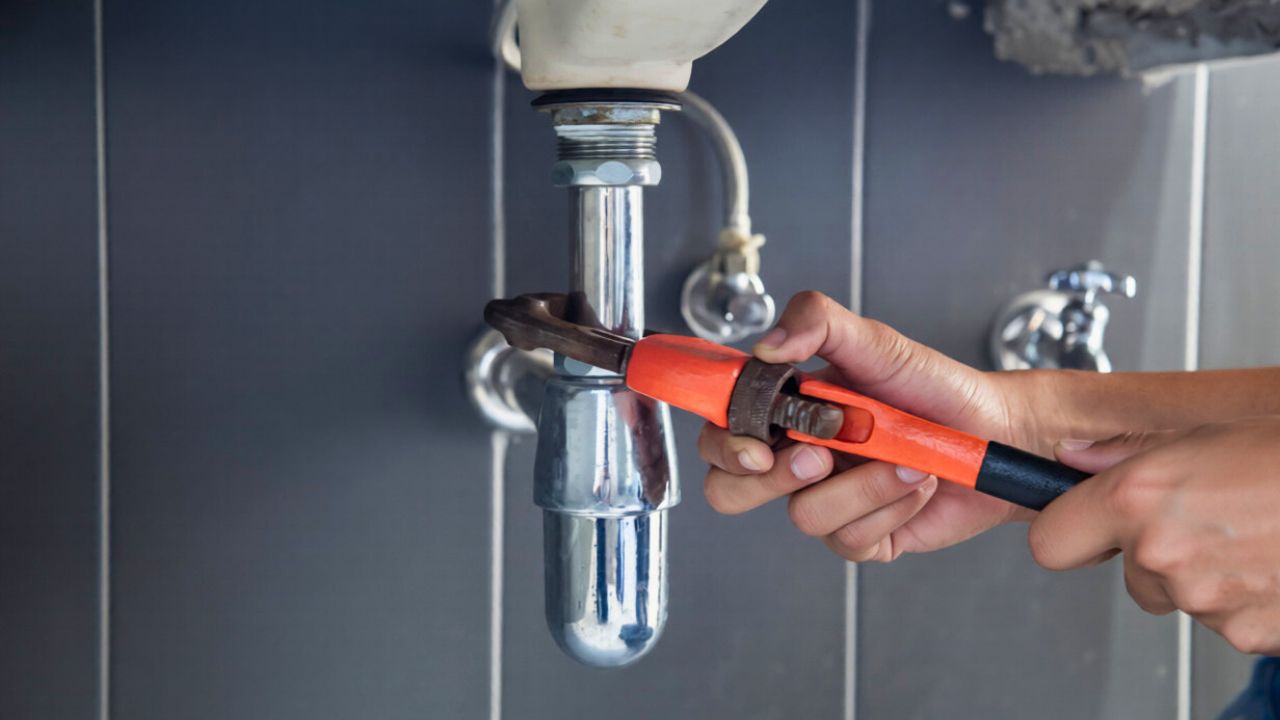
This common DIY repair causes bigger issues later
You probably reach for a ladder, wrench, or caulk gun with the best intentions, trying to save money and time by fixing problems yourself. Yet some of the most common “simple” home repairs quietly set you up for far more expensive damage, safety hazards, and code violations later. The repair that feels like a win this weekend can be the very thing that empties your savings a few years down the line.
The pattern is consistent across roofs, plumbing, electrical systems, and even structural walls: when you treat a symptom instead of the underlying cause, you trade a small, manageable issue for a slow‑burn disaster. Understanding which jobs are especially risky, and why professionals flag them as repeat offenders, helps you decide when to put the tools down and call in expert help.
The deceptively simple patch that starts it all
Most long term home headaches start with a repair that looks straightforward on the surface. A stain on the ceiling, a dripping trap under the sink, a hairline crack in drywall, or a flickering light can all seem like isolated annoyances. You are tempted to patch, tighten, or swap a part, then move on. The real danger is that these symptoms often point to deeper failures in roofing, plumbing, electrical, or structural systems that you cannot see without training and the right tools.
Roofing contractors on the channel Roofing Resource describe how homeowners climb up to replace a shingle or smear sealant around a vent, only to miss damaged underlayment, flashing, or decking that is already compromised. What looks like a quick fix in Dec becomes the starting point for hidden rot and leaks that spread across rafters and insulation. The same pattern shows up in plumbing and electrical work, where a tightened fitting or swapped outlet hides corrosion, pressure problems, or overloaded circuits that keep getting worse behind the walls.
Why DIY plumbing “quick fixes” backfire
Plumbing is one of the first places you feel confident grabbing tools, because pipes and fittings look modular and intuitive. You might replace a trap, add a shutoff valve, or reconfigure a drain with parts from the hardware aisle. The trouble is that water systems depend on precise sizing, compatible materials, and correct venting. A joint that looks watertight today can slowly weep into a cabinet or wall cavity, and a drain that seems to flow fine can be one clog away from backing up into finished space.
Plumbing specialists warn that Financial Impact of is often far higher than the original repair would have cost. While DIY work may feel cost effective at first, small leaks and incorrect assemblies can saturate subfloors, damage cabinets, and force you into costly replacements. Another contractor notes that How DIY Mistakes to Bigger Problems is straightforward: if a leak is not fixed correctly, it can spread, encourage mold, and undermine the benefits of professional help you eventually have to hire anyway.
The hidden cost of mismatched fittings and cheap parts
One of the most common plumbing missteps is mixing parts that were never designed to work together. You might thread a brass fitting into galvanized steel, connect different plastics, or force a metric part into an imperial thread because it “almost” fits. It may hold under light use, but the joint is under constant stress from pressure changes, temperature swings, and vibration. Years later, that compromise can fail suddenly and catastrophically.
Plumbing repair experts describe how Mismatching fittings is a classic DIY error. Maybe you bought one thing, think it will work, and force it into place, but the seal is never truly correct. That tiny compromise can turn into a slow leak that only shows up as significant damage years later, after it has soaked insulation, rusted fasteners, and stained ceilings. Guides on Common Plumbing DIY explain that using the wrong materials or skipping proper preparation often leads to expensive repair works later down the road, not just a simple redo.
Electrical work: the DIY category with the highest stakes
Electrical projects are especially seductive because they look simple from the outside. Swapping a light fixture, adding an outlet, or extending a circuit feels like a matter of matching colors and tightening screws. In reality, you are working with a system that can start a fire inside your walls or deliver a fatal shock if you misjudge load, grounding, or protection. The most dangerous mistakes are often invisible once the cover plate goes back on.
Electricians point out that Common DIY Electrical Mistakes That LeadSo many home owner repairs can create serious shock risks.
Why hiring a professional electrician changes the math
When you compare the cost of a service call to the price of a new fixture or outlet, DIY electrical work can look like an easy way to save a few hundred dollars. That calculation changes once you factor in safety codes, insurance, and long term reliability. A licensed electrician is not just connecting wires, they are evaluating your panel capacity, grounding system, and existing circuits to make sure any new work does not push the system past its limits.
Guidance on Why Hire a Professional Electrician emphasizes that a qualified contractor follows safety codes and local regulations, reduces fire risks and costly mistakes, and identifies opportunities for lower bills through more efficient upgrades. They also handle permits and inspections properly, which protects you when you sell the home or file an insurance claim after a storm or surge. The upfront fee buys you not only expertise but also documentation that your system meets current standards.
Structural cracks and sagging: the riskiest DIY of all
Few DIY repairs are more dangerous than treating structural problems as cosmetic. A crack in a wall, a door that sticks, or a sagging floor can look like a simple patch and paint job. In reality, these signs often point to foundation settlement, overloaded beams, or compromised framing. If you cover them up without understanding the cause, you allow the underlying movement to continue unchecked, which can eventually threaten the stability of the building.
Structural engineers warn that a Lack of Proper DiagnosisEngage a licensed structural engineer to assess and identify any weaknesses in the foundation, load bearing walls, or roof, instead of relying on surface repairs that may hide serious defects.
Water damage and mold: when DIY makes health risks worse
Water damage is another area where you may feel confident tackling cleanup yourself, especially after a minor leak or small flood. Pulling up carpet, running fans, and spraying bleach can look like decisive action. The problem is that moisture often lingers in wall cavities, under subfloors, and behind baseboards. If you do not dry and remediate thoroughly, you create ideal conditions for mold growth that can affect your health and the value of your home.
Restoration professionals caution that Attempting DIY Mold is particularly risky. Mold is one of the most dangerous consequences of water damage, it spreads quickly and can be harmful if you disturb it without proper containment and protective gear. Improper handling can cause respiratory issues and spread spores to previously unaffected rooms. What started as a small leak under a sink or around a window can escalate into a whole house remediation project if you underestimate how aggressively mold behaves.
How to decide when to DIY and when to call in help
Not every repair demands a professional, and you do not need to treat your home like a museum you are afraid to touch. The key is to distinguish between cosmetic work and systems that affect safety, structure, or water management. Painting, installing floating shelves, or replacing a faucet aerator are low risk tasks. Anything that involves roofing layers, pressurized plumbing, electrical circuits, or load bearing components should trigger a more cautious decision process.
Plumbing guides that outline How To Avoid mistakes recommend that you step back whenever a job touches main supply lines, gas connections, or buried drains, because errors in those areas can lead to expensive repair works later down the road. When you do hire help, consumer advocates suggest using licensing databases and trade associations so These platforms allow you to verify license numbers, check complaint histories, and get recommendations on certified plumbers in your locality. That way you avoid scams while still protecting yourself from the long term fallout of risky DIY.
When saving money today costs you more tomorrow
The thread running through all of these examples is that the cheapest option in the moment is often the most expensive over time. A tube of sealant on the roof, a mismatched plumbing fitting, or a DIY electrical splice can all feel like clever workarounds. What you do not see is the slow accumulation of moisture, heat, and stress that turns those shortcuts into major failures. By the time you call a professional, they are not just fixing the original issue, they are undoing layers of improvised work.
Plumbing and restoration specialists repeatedly highlight that While DIY fixes may seem cost effective upfront, they often end up costing more in the long run through water damage, mold, and the need for costly repairs or replacements. Roofing professionals on Dec episodes of Roofing Resource describe the same pattern on the exterior, where small homeowner patches lead to widespread structural damage that could have been prevented with an early, targeted repair. If you treat your time and peace of mind as part of the equation, investing in qualified help for high risk systems is less about spending more and more about avoiding the kind of “common DIY repair” that quietly sets you up for bigger issues later.
Like Fix It Homestead’s content? Be sure to follow us.
Here’s more from us:
- I made Joanna Gaines’s Friendsgiving casserole and here is what I would keep
- Pump Shotguns That Jam the Moment You Actually Need Them
- The First 5 Things Guests Notice About Your Living Room at Christmas
- What Caliber Works Best for Groundhogs, Armadillos, and Other Digging Pests?
- Rifles worth keeping by the back door on any rural property
*This article was developed with AI-powered tools and has been carefully reviewed by our editors.