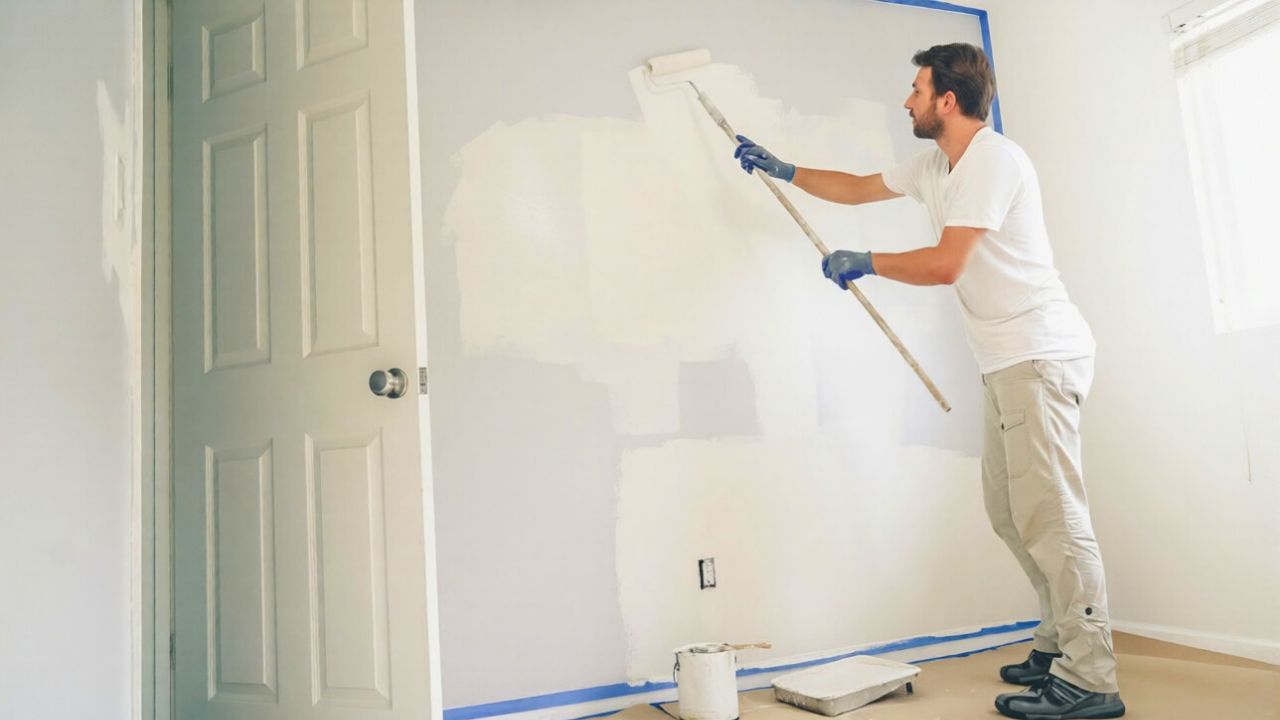
This home maintenance shortcut creates major damage
Some of the most expensive home disasters start with a “shortcut” that looks smart in the moment. A quick coat of paint, a cheap repair kit, or a product labeled as safe can quietly set you up for rot, leaks, and even sewer backups. The real risk is not just cosmetic damage, but hidden problems that grow for years before you see the bill.
One of the most common shortcuts is trying to cover or flush problems away instead of removing the cause. When you skip the unglamorous work of drying, cleaning, or replacing damaged materials, you are not saving time, you are trading it for larger structural repairs and health hazards later.
Painting over mold and water stains traps a bigger problem
Reaching for a paint roller when you see dark spots or stains on walls feels like an easy fix, but it is one of the fastest ways to turn a small moisture issue into a major repair. Mold is a living growth that feeds on damp building materials, so when you seal it under paint, you are not killing it, you are giving it a dark, protected space to keep spreading. Guidance on indoor air quality warns that simply coating over visible growth does nothing to remove spores or moisture, and that you must address the root cause before you even think about repainting.
Water stains tell a similar story. Dark spots on ceilings, bubbling paint, or soft drywall are often the first outward signs of hidden leaks, and even small drips behind walls can promote mold growth if they are not fixed quickly. One drywall specialist notes that a brown stain with bubbling paint signals that the board has already absorbed moisture and likely needs replacement, and that a cosmetic patch or kit does not solve the underlying problem. If you just prime and paint, moisture can stay trapped in the wall cavity, feeding mold and slowly weakening framing and insulation.
Ignoring moisture behind siding invites rot into the structure
Outside your walls, the same “cover it and forget it” instinct can quietly destroy your home’s shell. Mold and mildew on siding are not just ugly streaks, they are a sign that water damage has already begun. You cannot see the full extent of the problem from the surface, and in many cases sections of siding have to be removed to inspect and repair what is happening underneath. When water gets trapped behind cladding, it can sit against sheathing and framing for years until significant structural failure occurs, long after the first green or black patches appeared.
Trying to shortcut cleaning can make things worse. High powered pressure washers are often marketed as the fastest way to brighten siding, but on materials like fiber cement, the high pressure stream can easily strip the paint right off the surface, leaving the board exposed and vulnerable to moisture. Even if you have carefully caulked joints, blasting away the finish defeats the purpose of that careful sealing and opens new paths for water to get in. Over time, poor moisture management around windows and walls allows mould and rot to grow within the home’s skeleton, turning what started as a dirty-looking façade into a framing and insulation replacement job.
“Flushable” wipes are a shortcut that wrecks plumbing and sewers
In bathrooms, one of the most expensive shortcuts is trusting labels that say wipes are safe to flush. Items marketed as “flushable”, including wipes, feminine products, and paper towels, do not break down like toilet paper. Instead, they wrap around tree roots and pipe joints, clogging lines and causing backups that can send sewage into basements and yards. Municipal campaigns warn that sanitary wipes and paper towels can cause blockages within the sewer system and cost thousands of dollars to remove, costs that eventually show up in higher utility bills and emergency plumbing visits.
Wastewater workers report that, despite the labels on the packaging, so called flushable wipes do not dissolve like toilet paper. They tangle together with grease and other debris, forming dense clogs that can cost hundreds of thousands of dollars a year to clear from pumps and mains. Legal filings over “flushable” claims have stressed that to be suitable for flushing, a product must quickly disintegrate into small pieces so it can pass through household plumbing and municipal systems without causing blockages, a standard many wipes simply do not meet. Local governments have echoed the message with blunt reminders that “NO WIPES IN THE PIPES” is not just a slogan, it is a warning about real infrastructure damage and repair bills.
DIY plumbing shortcuts turn drips into hidden water damage
When a faucet drips or a fitting seeps, it is tempting to crank everything tighter and move on, but that habit can quietly set up leaks inside walls and cabinets. A dripping tap might seem like a small annoyance, yet constant moisture can warp cabinets, stain countertops, and seep into hidden areas, leading to expensive repairs. Plumbing experts point out that using too much force when removing an existing fixture can strip the threads off the pipe, which means your new fixture will never seal correctly and can leak into wall cavities, accelerating the development of dangerous mold.
Overtightening is a recurring theme in costly plumbing mistakes. Guidance for homeowners notes that overtightening pipe fittings, supply lines, or fixtures is a common error that can crack components or damage seals, creating slow leaks that are difficult to detect until water damage has already occurred. The same pattern shows up in general home repair, where overtightening hardware when securing a mount or fixture to the wall can strain the drywall or buckle the mount, leaving gaps that compromise the seal. Instead of a quick, clean fix, you end up with hidden moisture, weakened materials, and a repair that fails long before it should.
Cosmetic drywall fixes can hide structural and moisture red flags
Not every crack in drywall is a crisis, but treating all of them as simple cosmetic flaws can blind you to bigger issues. As your home settles over time, it is common to notice hairline cracks, and many of these are cosmetic and can be repaired with a fresh coat of paint or patching compound. However, when cracks widen, repeat in the same spots, or appear alongside doors and windows that stick, they can signal movement in framing or foundation that deserves professional evaluation. If you just skim over them and repaint, you may be hiding evidence of shifting that will later show up as jammed doors, sloping floors, or even structural repairs.
Moisture related drywall damage is even less forgiving of shortcuts. That brown stain with bubbling paint is not just ugly, it signals that your drywall has absorbed water and likely needs replacement, because a surface level repair kit does not address the wet insulation, framing, or plumbing behind it. Dark spots on ceilings, bubbling paint, or soft drywall are often the first outward signs of hidden leaks, and even small drips behind walls can promote mold growth if they are not fixed quickly. When you cover these clues with joint compound and paint instead of tracking down the source, you are effectively sealing in moisture and giving mold a quiet place to spread until the wall has to be opened and rebuilt.
Like Fix It Homestead’s content? Be sure to follow us.
Here’s more from us:
- I made Joanna Gaines’s Friendsgiving casserole and here is what I would keep
- Pump Shotguns That Jam the Moment You Actually Need Them
- The First 5 Things Guests Notice About Your Living Room at Christmas
- What Caliber Works Best for Groundhogs, Armadillos, and Other Digging Pests?
- Rifles worth keeping by the back door on any rural property
*This article was developed with AI-powered tools and has been carefully reviewed by our editors.