This maintenance delay costs homeowners later
When you put off a repair, it rarely just sits there waiting patiently. Small leaks spread, hairline cracks widen, and worn parts fail at the worst possible moment, turning a manageable fix into a budget-busting emergency. That is the quiet way a simple maintenance delay ends up costing homeowners far more later, not only in cash but in stress, safety, and even insurance protection.
Across the country, you are far from alone if you are postponing work on your house as prices rise and schedules stay packed. Yet the evidence is clear that ignoring routine upkeep does not save money, it simply shifts the bill into the future, where it arrives larger, more urgent, and often at the exact time you can least afford it.
Why everyone is putting repairs off, and why that is so risky
Household budgets are under pressure, and home maintenance is one of the first line items to get pushed back. One national survey found that 71% of homeowners postponed needed work as costs climbed, often telling themselves they would get to it when things “settled down.” Another study of younger owners reported that a striking 87% of millennial homeowners were delaying maintenance, even though they knew it could expose their property to significant damage. Skipping small fixes can feel harmless in the moment, but as one analysis of home upkeep put it, wear, weather, and time are always working against your house and will eventually find the weakest point and exploit it.
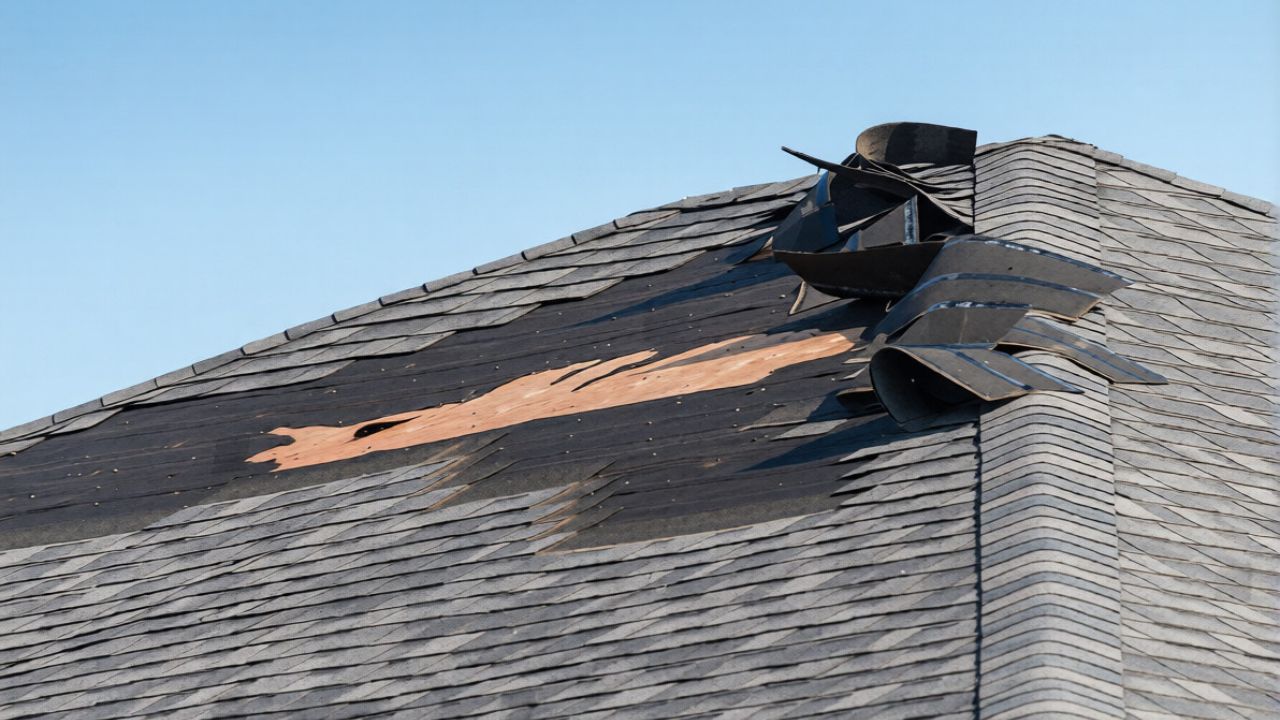
Professionals have a name for this pattern. Deferred maintenance describes the habit of pushing repairs into a backlog instead of addressing them promptly, usually to save money in the short term. In practice, that backlog behaves like high-interest debt: the longer you carry it, the more it costs. Reports on the hidden costs of delaying home repairs describe how a minor roof leak that could have been patched for a few hundred dollars can, after a season of storms, turn into structural rot, ruined insulation, and mold remediation that runs into the thousands. Once you see delay as a form of financial leverage working against you, the risk of “waiting a little longer” looks very different.
The compounding math: how small problems become big bills
Financial planners and housing experts repeatedly land on the same rule of thumb for staying ahead of these costs. You are advised to budget 1% to 4% of your home’s value each year for maintenance, repairs, and replacements, a range echoed by guidance that suggests setting aside a similar share of your property’s worth annually. One real estate analysis translates that into a practical expectation that you will spend about 1 to 4 percent of your home’s value on upkeep in a typical year, and stresses that this is not wasted money but the cost of keeping your largest asset from deteriorating faster than it should.
When you skip that annual investment, the math flips against you. A blog on the top consequences of delay notes that putting off repairs almost always means you will pay more than you would have otherwise, because minor issues escalate into major ones that require more labor, more materials, and sometimes full replacement instead of a simple fix. A small plumbing drip that could have been handled with a service call can, if ignored, soak subfloors, damage drywall, and invite mold, turning a few hundred dollars into a multi-room restoration. As one short video on the hidden costs of deferred home maintenance puts it, every homeowner knows the moment when something breaks and you face a choice between a quick patch or a proper repair, and choosing the shortcut often just buys you a more expensive problem later.
When delay wrecks value, comfort, and safety
The financial hit from postponing maintenance is not limited to repair invoices. It also shows up in your home’s market value. Real estate and service professionals warn that when buyers see chipped or faded paint, worn carpets, broken fixtures or blinds, sagging gutters, or missing shingles, they immediately assume the property has been neglected. According to one analysis of how upkeep affects sale prices, visible wear signals deeper hidden problems and prompts buyers to lower their offers or demand concessions, because they expect to spend heavily to bring the house back to standard. In other words, every scuffed surface and loose handle is not just an eyesore, it is a price cut waiting to happen.
Comfort and safety erode alongside value. A report on the hidden consequences of postponing home repairs describes how small issues, like a drafty window or a sticking door, can mask more serious problems with insulation, framing, or foundation movement. Left alone, those problems can compromise structural integrity or indoor air quality. Another piece on why ignoring maintenance costs you in the long run points out that the systems you rely on most, such as heating, cooling, and plumbing, are also the ones that fail most dramatically when neglected. A furnace that is never serviced is more likely to break during a cold snap, and a water heater that is not flushed can fail suddenly, flooding nearby rooms. These are not just inconveniences, they are events that can displace you from your home and force you into emergency spending.
The insurance trap: how neglect can void your safety net
One of the most expensive surprises for homeowners who delay maintenance is discovering that insurance does not cover damage tied to neglect. A detailed review of home policies explains that issues resulting from delayed upkeep can void coverage, because homeowners insurance is designed to protect you from sudden, accidental events, not from problems that build up over time while you look the other way. The same analysis notes that if an insurer determines that a claim stems from skipped maintenance, it can deny payment entirely, leaving you to shoulder the full cost of repairs.
That risk is not theoretical. A segment on maintenance failures and homeowner risk highlights how people assume they are fully protected if something wrecks their home, only to learn that the insurer can point to long-standing issues and argue that the damage was preventable. Another insurance-focused report warns that ignoring routine tasks, such as cleaning gutters, servicing HVAC systems, or fixing known leaks, can be used as evidence that you did not take reasonable steps to care for the property. At the same time, some insurers note that certain upgrades and proactive work can actually lower premiums, a benefit many owners miss when they delay. In effect, neglect can cost you twice, first by increasing the chance of a claim and second by undermining the very coverage you expect to bail you out.
Practical ways to stop falling behind on maintenance
Breaking the cycle of delay starts with accepting that maintenance is not optional, it is a core part of owning a home. Budgeting that 1 to 4 percent of your home’s value each year is a practical first step, even if you begin at the low end and build up over time. Guidance from major insurers suggests creating a dedicated home fund and automating transfers so you are not scrambling when something breaks. One example notes that for a home valued at $200,000, setting aside 1% to 4% annually gives you a realistic cushion for routine work and unexpected fixes. Translating that into a monthly amount and treating it like a nonnegotiable bill can keep you from raiding emergency savings or turning to high-interest credit when repairs pop up.
Like Fix It Homestead’s content? Be sure to follow us.
Here’s more from us:
- I made Joanna Gaines’s Friendsgiving casserole and here is what I would keep
- Pump Shotguns That Jam the Moment You Actually Need Them
- The First 5 Things Guests Notice About Your Living Room at Christmas
- What Caliber Works Best for Groundhogs, Armadillos, and Other Digging Pests?
- Rifles worth keeping by the back door on any rural property
*This article was developed with AI-powered tools and has been carefully reviewed by our editors.