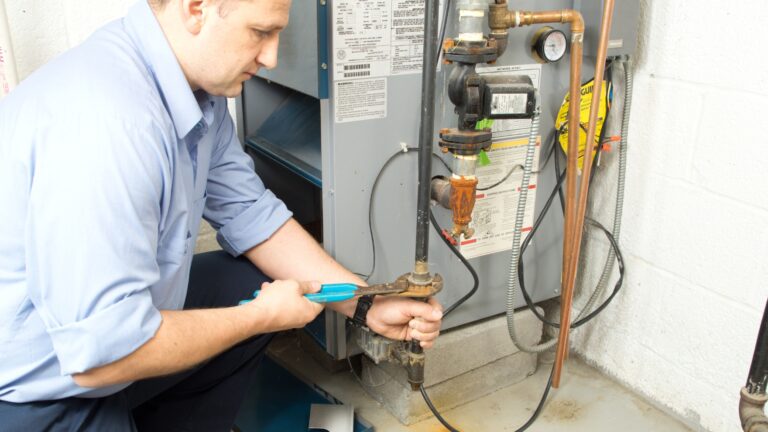
This outdated home setup creates modern hazards
One of the most dangerous things in your home is also one of the easiest to overlook: the aging electrical and air systems quietly running behind the walls. What felt “up to code” decades ago can now turn a normal evening of streaming and cooking into a serious fire or health risk. When you layer modern power-hungry devices and tightly sealed construction onto outdated infrastructure, you create a very current hazard hiding inside a very old setup.
Instead of thinking about safety as a list of random fixes, it helps to see how these systems interact. Old wiring, non‑grounded outlets, and overloaded panels collide with newer trends like airtight construction and synthetic materials, trapping both sparks and pollutants where you live and sleep.
Old wiring in a high‑demand world
Your home’s electrical system may have been installed for a world of table lamps and a single television, not for a kitchen full of smart appliances, gaming PCs, and EV chargers. Common Electrical Problems in Older Homes Older systems were never designed to handle the number and intensity of devices you now plug in, which raises the risk of overheating, shocks, and persistent power interruptions. Outdated Electrical Components and Systems Older setups can still technically function, but insulation dries out, connections loosen, and panels fall behind current safety standards, turning everyday use into a slow‑burn hazard rather than a one‑off failure.
Electricity of 100 years ago is not what it is today, and experts warn you should Avoid wires that have not aged well instead of assuming “it still works” equals “it is still safe”. Renovation specialists note that Electrical Safety Outdated wiring is a known fire risk, especially if your home is older and has never had a licensed electrician review the system. If your home is over 15–20 years old and has not had a recent inspection, it likely runs on outdated electrical systems that were never updated for today’s in‑home appliance and technology requirements.
The hidden risks of non‑grounded and aging outlets
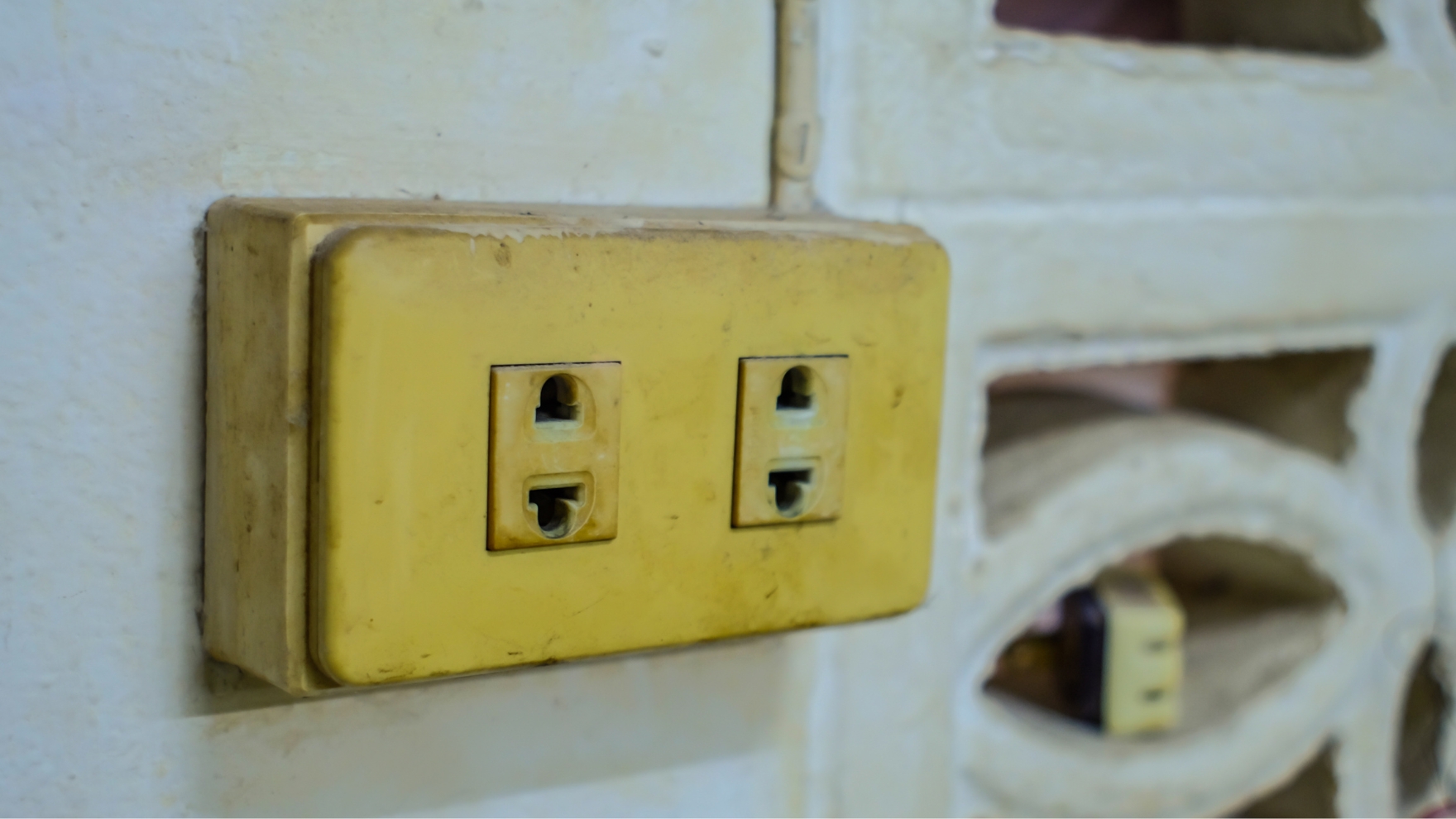
Before the 1960s, grounded outlets were not a popular feature in the home, which is why you still see so many two‑slot receptacles in older properties. Non‑grounded outlets, also known as 2‑prong outlets, were standard for decades, but they offer no safe path for stray current if something goes wrong inside a device or the wiring. That missing third prong is not cosmetic, it is the difference between a fault that quietly trips protection and one that can energize a metal appliance or spark inside a wall.
Inspectors who specialize in Old properties flag these outlets as a key sign of broader Outdated Electrical Installations If the receptacles were never upgraded, there is a good chance the wiring behind them is also original, with limited capacity and aging insulation. Guidance on how to identify potential hazards in your home renovation stresses that Electrical Safety Outdated components, including old sockets and switches, should be evaluated and often replaced as part of any serious remodel. Upgrading to modern, grounded outlets and checking for proper earthing is not just about convenience for three‑prong plugs, it is a core protection against shocks and electrical fires.
Panels, circuits, and rooms that outgrew their power
Even if your outlets look modern, the panel feeding them may still be stuck in another era. Common Electrical Problems in Older Homes Older distribution boards were sized for a fraction of today’s load, so when you stack air conditioning, induction cooktops, gaming consoles, and space heaters on the same circuits, you push those systems beyond what they were built to handle. Outdated Electrical Components and Systems Older panels can also lack modern safety devices, which means a fault that should be caught early can instead escalate into overheating conductors or arcing connections.
Remodeling guidance for mid‑century and other aging houses notes that Rooms affected by construction may be required to have their Electrical components updated, including panels and branch circuits, to meet current expectations for in‑home appliance and technology requirements. That is not just bureaucracy, it reflects the reality that a kitchen wired for a single oven and a few countertop appliances cannot safely support a double oven, high‑wattage microwave, and multiple smart gadgets without rethinking the load. If your home is over 15–20 years old and has never had a panel upgrade or capacity check, experts recommend treating an Electrical inspection and potential panel replacement as a preventive move rather than waiting for nuisance trips or scorch marks to tell you something is wrong.
When airtight homes trap more than comfort
While older homes struggle with power, newer construction introduces a different kind of invisible risk: polluted indoor air that has nowhere to go. The biggest problem with new home construction is the long‑running push to create air‑tight living environments that keep conditioned air inside. That efficiency goal works, but it also means pollutants now routinely get trapped inside homes instead of drifting out through leaky windows and gaps. The Primary Culprits in this indoor buildup include Formaldehyde, which is Found in pressed wood products, insulation, carpeting, and many adhesives that are common in modern interiors.
Researchers studying how every room may harbor its own chemical threat point out that Walls, floors, furniture, and other surfaces create far more surface area indoors than you find outside, which gives chemicals more places to accumulate and react. When you combine that with limited ventilation in sealed homes, you create a reservoir of volatile organic compounds that can irritate your eyes and lungs or aggravate asthma. Filtration experts warn that new homes can have a hidden air quality crisis precisely because the materials and finishes that make them look pristine are also off‑gassing into a space that does not breathe well.
Old glass, new loads, and the case for a whole‑home safety check
Electrical and air quality are not the only legacy issues that collide with modern living. Windows and doors in older homes can hide safety problems that only show up when something goes wrong. Windows and Glass doors that lack modern safety glazing can be mistaken for open doorways, especially in dim light or when children are running through the house, and a single impact can turn a normal day into an emergency room visit. When you pair that with outdated wiring near frames or sills, you end up with a mix of shattering glass and potential electrical hazards in the same high‑traffic zones.
Renovation specialists who focus on Older properties emphasize that electrical wiring has changed a lot since it became common in homes over a century ago, and that older or historical homes often use knob‑and‑tube or other obsolete methods that were never intended for today’s loads. Guidance on how to identify potential hazards in your home renovation urges you to treat Electrical Safety Outdated systems as a top‑tier concern, not an afterthought behind paint colors and fixtures. Surveyors who inspect Old houses for buyers echo that warning, noting that Outdated Electrical Installations If left unaddressed can fail when all the appliances are connected, turning a charming property into a rolling series of outages and repair bills. A whole‑home safety check that looks at wiring, outlets, panels, glazing, and ventilation together is the most reliable way to bring an outdated setup in line with modern expectations before those hidden hazards have a chance to show themselves.
Like Fix It Homestead’s content? Be sure to follow us.
Here’s more from us:
- I made Joanna Gaines’s Friendsgiving casserole and here is what I would keep
- Pump Shotguns That Jam the Moment You Actually Need Them
- The First 5 Things Guests Notice About Your Living Room at Christmas
- What Caliber Works Best for Groundhogs, Armadillos, and Other Digging Pests?
- Rifles worth keeping by the back door on any rural property
*This article was developed with AI-powered tools and has been carefully reviewed by our editors.